If a white patch suddenly appears on the face or body, anyone would be surprised.
At first, you might brush it off and think, “Is this just something that appeared briefly because my skin is dry?” But if the color does not return over time or it feels like the area is gradually spreading, it is worth considering vitiligo.
Vitiligo is not simply a matter of small white spots appearing on the body; it is a chronic condition that occurs when changes in the immune system damage melanocytes.
In particular, when it appears in noticeable areas such as the face or hands, it can also cause psychological stress.
Because vitiligo has such complex causes, the speed of symptom recovery can vary depending on the initial diagnosis and treatment direction.
Today, I will explain vitiligo laser treatment at a Boramae Station dermatology clinic.
-
What is vitiligo?
-
Vitiligo: laser treatment methods
-
Management points to help prevent recurrence

What is vitiligo?
Vitiligo is a condition in which white patches appear on the skin because melanocytes do not function properly. Outwardly, it often looks like a simple change in skin color, so many people leave it untreated.
However, in reality, it is a type of autoimmune disease in which the immune system attacks melanocytes, and it can be influenced by various factors such as lifestyle habits, stress, and fatigue.
It often begins as white patches in the early stages, but if left untreated, the affected area gradually expands.
Because vitiligo is often not painful or itchy, it is easy to dismiss, but many people experience psychological burden or inconvenience in daily life because of the visible changes.
Therefore, when early symptoms appear, it is best to visit a clinic and closely examine your condition and the degree of symptom progression.
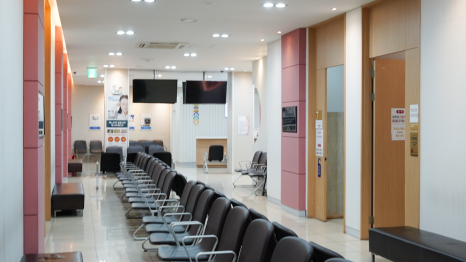
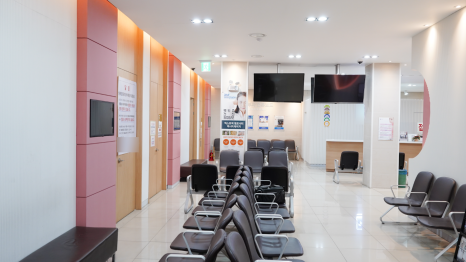
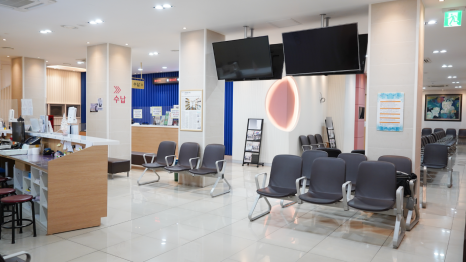
Vitiligo: laser treatment methods
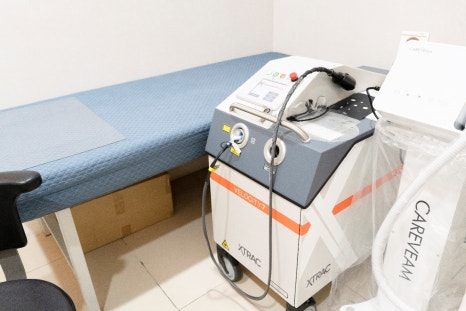
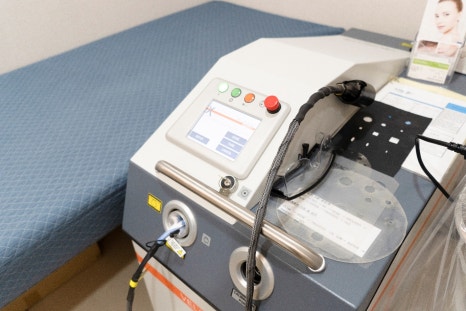
One of the methods commonly used in vitiligo treatment is the 308 mm excimer laser.
This laser directs light of a specific wavelength onto the affected area to help melanocytes become active again and plays a role in stabilizing an overactive immune system.
Because the excimer laser is applied selectively only to the affected area, it causes less damage to normal skin and has the advantage of allowing treatment to continue consistently.
In the early stage of treatment, the focus is on restoring the white-appearing areas. In the middle stage, the intensity and frequency are adjusted while monitoring the treatment response.
Once some skin color returns, the treatment interval is gradually extended as part of the maintenance stage to help prevent recurrence.
In this way, the excimer laser shows its expected effects based on consistent treatment, so rather than receiving treatment only a few times at the beginning, it is important to continue treatment steadily.
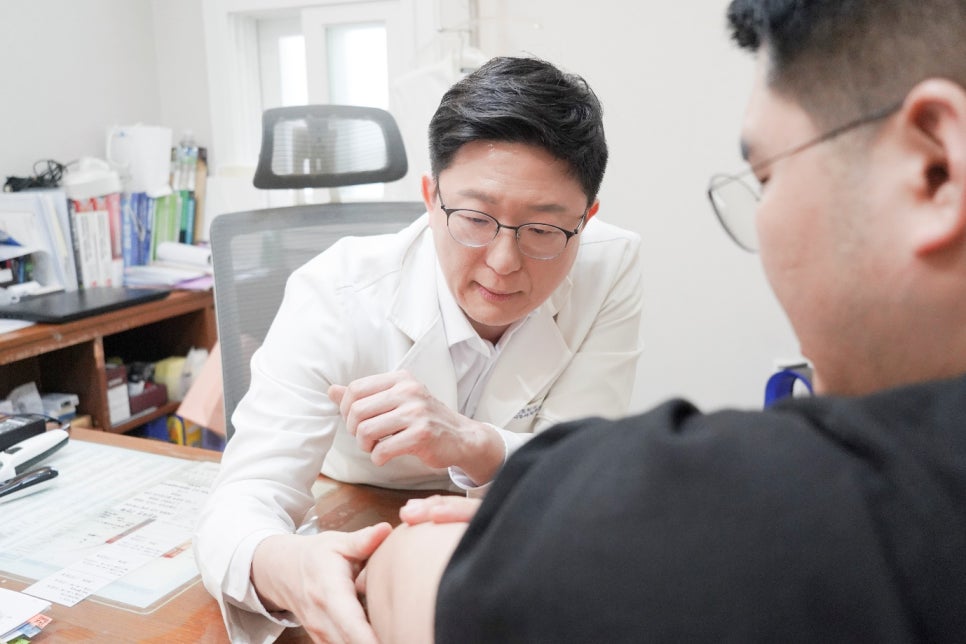


Management points to help prevent recurrence
Vitiligo is a condition where management is just as important as treatment.
Even if you receive laser treatment well, symptoms can return if daily care and lifestyle habits are not properly maintained.
First, skin protection and moisturizing are the most basic management methods.
Because the skin may become temporarily sensitive after laser treatment, it is best to avoid strong friction, hot heat, and irritants such as sunlight.
Applying a sufficient amount of moisturizer about 2 to 3 times a day helps the skin barrier recover.
Vitiligo often reacts sensitively to ultraviolet rays, so you must apply sunscreen when going outside.
Basic lifestyle habits for maintaining immune health also have an effect.
Stress, lack of sleep, and overwork can disrupt the immune system and worsen the affected area, so a regular routine and rest are necessary.
Lastly, even after stopping treatment, it is necessary to visit the clinic regularly to check whether the condition of the affected area remains stable.
Even small changes can be detected early and addressed quickly, which is advantageous for long-term recurrence prevention.
Vitiligo is not a condition that ends with a simple change in color; it is a chronic disease in which various factors such as the immune system, lifestyle habits, and skin irritation interact in complex ways.
The excimer laser is an effective treatment method for symptom recovery, and steady management and appropriate lifestyle habits are also important.
In other words, consistent treatment and proper management are the best ways to keep vitiligo under control.
I hope the information about vitiligo shared today was helpful for those who are preparing for treatment.
If you have any questions beyond the content above, please ask in the comments below.
We will respond kindly.
Thank you for reading to the end.
| This post was written for informational purposes in compliance with Article 56, Paragraphs 1 to 15 of the Medical Service Act. All treatments carry the risk of side effects and complications depending on the individual. Before treatment, please make sure to make a decision only after sufficient consultation with a medical team with extensive experience. |