Atopic dermatitis is not a condition that simply ends with dry or itchy skin.
Even after symptoms improve, they can easily recur, and if a weakened skin barrier continues for a long time, it can cause discomfort in daily life.
In particular, symptoms can worsen easily during seasonal changes or periods of high stress, so it is important to understand the condition before starting treatment.
For atopic dermatitis treatment, the representative methods are ointment treatment and phototherapy.
Both treatments can be helpful for atopic dermatitis, but they are most effective when carried out according to each patient’s symptom severity.
So today, at Jangseungbaegi Dermatology, we will explain overall information about atopic dermatitis treatment in detail.
-Today’s column outline-
-
Atopic dermatitis: Why does it recur?
-
Atopic dermatitis: Ointment treatment
-
Atopic dermatitis: Phototherapy
Atopic dermatitis: Why does it recur?
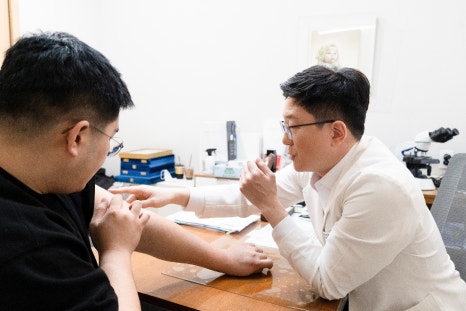
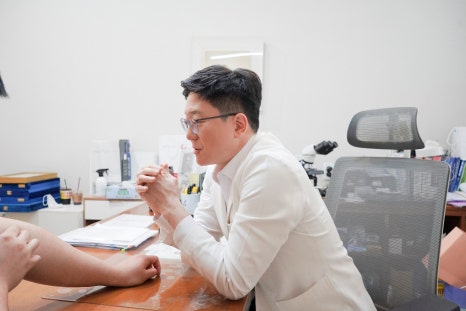
Atopic dermatitis is a chronic skin condition that appears when the immune system reacts to external stimuli in a state where the skin barrier has weakened.
In other words, because the skin itself has become more easily sensitive, symptoms are difficult to correct with moisturizing alone.
So why do atopic dermatitis symptoms appear and worsen?
Factors that can worsen symptoms include the following:
These factors can make the skin more sensitive, and symptoms such as skin redness, itching, and flaking may appear, so caution is needed.
Therefore, atopic dermatitis requires a method that stabilizes the skin barrier rather than simply relieving symptoms.

Atopic dermatitis: Ointment treatment
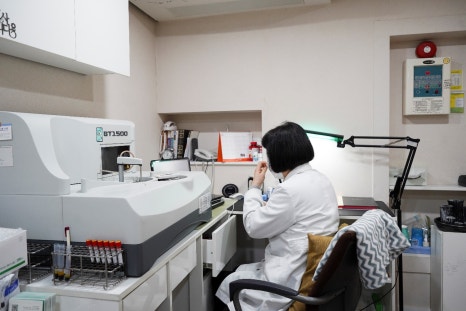
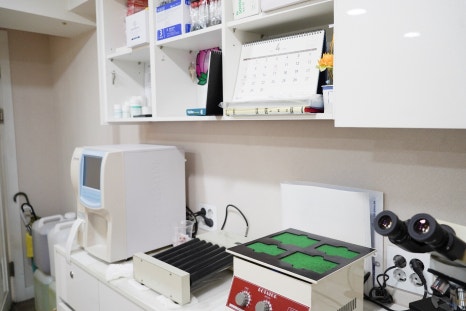
In atopic dermatitis treatment, ointment treatment is the most basic method, but if it is not used correctly, the expected effect may be reduced.
Because ointments work by directly calming skin inflammation, it is important to apply an appropriate amount and spread it accurately to the necessary areas.
When applying ointment, you should use an amount that can be absorbed into the skin in a thin layer.
If the amount is too small, the effect may not be sufficient; on the other hand, applying too much may cause irritation.
Also, it is good to apply it consistently once or twice a day to areas where symptoms are severe.
If you suddenly reduce use in the middle or apply it irregularly, symptom relief may take longer.
In particular, it is better to apply ointment mainly to areas with redness or severe itching, and to focus on sufficient moisturizing rather than ointment for areas without symptoms.
Ointment is part of the treatment process to stabilize atopic skin and reduce recurrence.
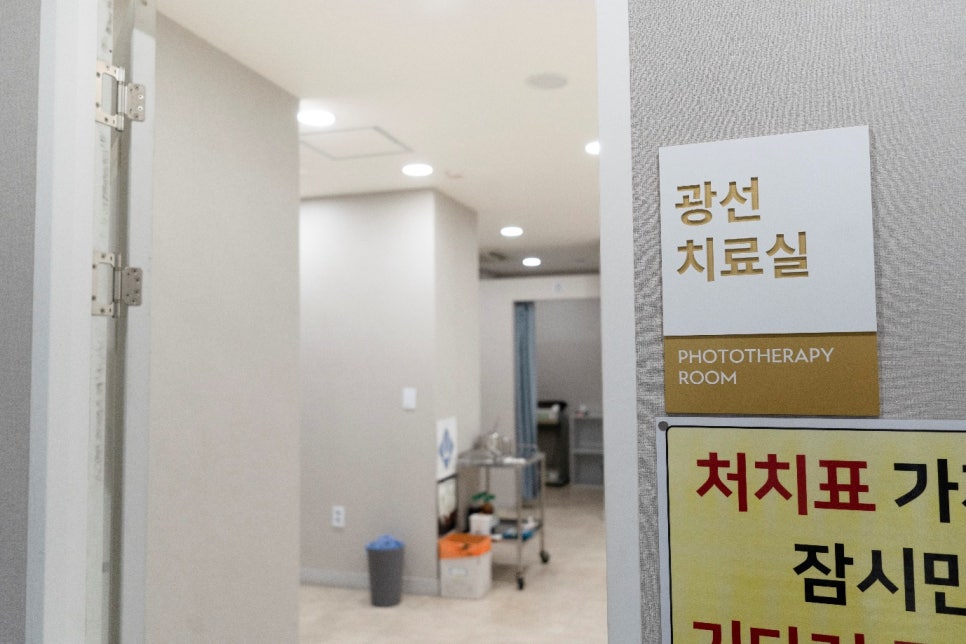

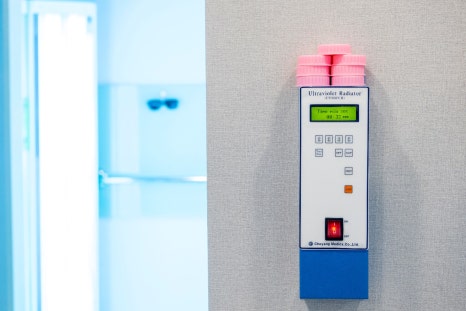
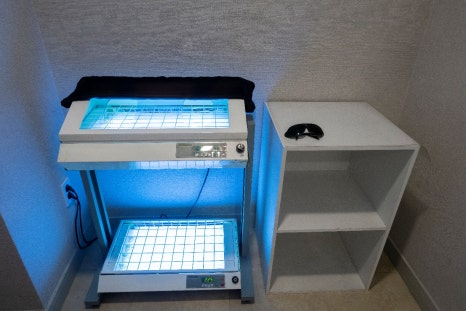
Atopic dermatitis: Phototherapy
If symptom improvement is difficult with the ointment treatment described above alone, phototherapy, another treatment method, may also be used together.
Phototherapy is performed by irradiating the skin with light of a specific wavelength to regulate immune responses and reduce inflammation.
Because this treatment helps restore the skin barrier, it is helpful for long-term atopic dermatitis management.
However, since it is not a treatment applied in exactly the same way to every patient, it is safe to adjust the irradiation intensity and interval according to the skin condition and the extent of symptoms.
Also, after phototherapy, the skin may become temporarily dry, so it is good to apply moisturizer generously in daily life and use sunscreen carefully when going outside.
Because atopic dermatitis is a chronic condition that can improve once and then worsen again, stable improvement can be expected only when treatment and management are done together.
It is important to understand and consistently practice the principles of each approach, including how to apply ointment, how to maintain moisturizing habits, how to reduce everyday irritants, and phototherapy.
In particular, the effect of ointment and phototherapy can vary depending on when and how they are applied, so a professional evaluation and treatment plan are necessary.
Adding daily moisturizing care and sun protection can help stabilize the skin barrier and naturally extend the interval between recurrences.
I hope today’s column was helpful to those preparing for atopic dermatitis treatment, and I will end the post here.
If you have any questions beyond what was covered above, please leave them in the comment box below.
We will kindly answer them. Thank you.
| This post was written for informational purposes in compliance with Article 56, Paragraph 1 through Paragraph 15 of the Medical Service Act. All treatments carry the risk of side effects and complications depending on the individual. Before treatment, please be sure to have sufficient consultation with experienced medical professionals before making a decision. |