Psoriasis often improves after it appears and then worsens again, so many people end up wondering, “Why does it keep recurring?”
At first glance, it may look like a simple skin problem with flakes and redness, but in reality, it is a chronic inflammatory skin disease caused by skin cells being produced faster than normal and the immune response becoming overly active.
In particular, it reacts sensitively even to small changes in daily life such as stress, fatigue, dry environments, and colds, so management does not end simply by applying medication or receiving laser treatment a few times.
If symptoms keep recurring, it is important to carefully check whether anything has been overlooked in the current management method.
Today, we will share overall information about psoriasis management at a Yeouido-dong dermatology clinic.
-
Why psoriasis recurs
-
Psoriasis treatment methods
-
Psoriasis lifestyle habits and skin care

Why psoriasis recurs
For psoriasis, what happens inside the skin is more important than the flakes or rash visible on the surface.
Skin cells are produced faster than normal, thick scales build up, and the immune system becomes overactive, creating a structure in which inflammation repeats.
In this process, certain areas repeatedly become red and scaly, and even after improving, symptoms can worsen again due to everyday irritation, stress, or fatigue.
The reason psoriasis does not disappear completely in a short time is also due to these constitutional and immunological characteristics, and it is important to understand that once it begins, it is a condition that can easily recur.


Psoriasis treatment methods
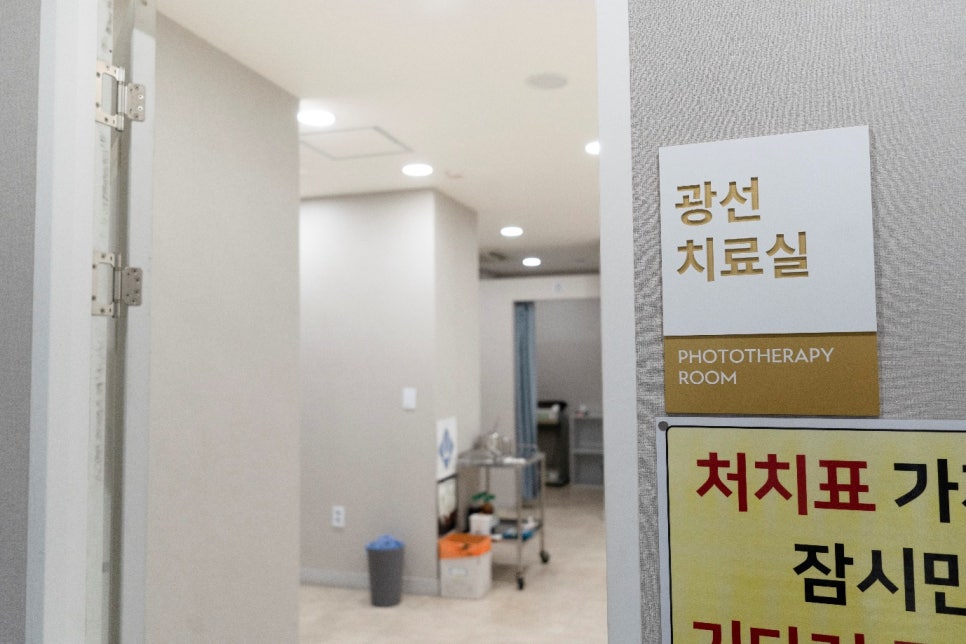
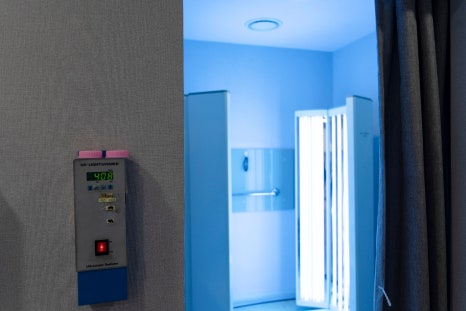
Psoriasis treatment combines multiple approaches such as ointments, phototherapy, and moisturizing care. However, if symptoms keep recurring even while receiving treatment, it is necessary to check whether anything has been missed during the treatment process.
Ointments are not emergency medicines to be applied only when symptoms appear; they play the role of maintenance treatment to stabilize inflammation, so it is important to maintain a consistent frequency and appropriate amount.
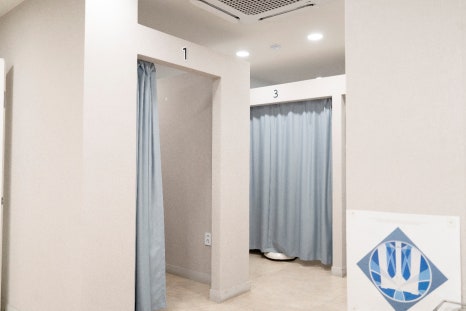
In addition, phototherapy stabilizes the immune response when received consistently at regular intervals, so if the treatment intervals become too long, the likelihood of recurrence may increase again.
In daily life, highly irritating scrubs, showers with hot water, and clothing that causes a lot of friction can worsen the skin condition, so it is best to avoid them.
These irritations can also trigger new lesions of psoriasis, so caution is advised.

Psoriasis lifestyle habits and skin care
Managing lifestyle habits is as important as treatment for psoriasis.
When the skin is dry, inflammation can worsen more easily, so it is basic care to apply enough moisturizer within 3 minutes after showering to prevent moisture loss.
If you keep moisturizing 2 to 3 times a day, the skin barrier can recover and the response to external irritation also decreases.
In addition, stress and fatigue can affect the immune system and trigger worsening symptoms, so it is important to manage your daily rhythm with regular sleep, sufficient rest, and light exercise.
Because psoriasis worsens not through sudden major changes but through the accumulation of small irritations, managing your everyday lifestyle habits can be said to be the most reliable preventive measure.


Psoriasis is not a condition that can be resolved by treatment alone. It is a skin disease in which stable control is possible only when skin treatment, lifestyle management, and minimizing irritation are all carried out together.
When symptoms keep recurring, it is helpful to check three things: whether the treatment method is being followed properly, whether moisturizing and skin irritation control are sufficient, and whether there have been recent changes in stress, fatigue, or lifestyle patterns.
And more than anything else, the important thing is that self-management alone has its limits.
Regular visits to a specialist to check changes in symptoms and adjust the intensity or method of treatment when necessary are the core of psoriasis management.
If consistent care and the correct treatment direction are maintained, psoriasis can be controlled sufficiently well, and the inconvenience in daily life can be greatly reduced.
We hope the information shared today will be helpful to those who are struggling with psoriasis.
If you have any questions beyond what was covered above, please ask in the comments below.
Thank you.
| This post was written for informational purposes in compliance with Article 56, Paragraphs 1 to 15 of the Medical Service Act. All treatments carry the risk of side effects and complications depending on the individual. Before treatment, please be sure to have a thorough consultation with medical staff who have ample experience before making a decision. |