If a sudden white patch appears on the skin, anyone can feel startled.
At first, it is easy to dismiss it as dry skin, but if the color does not return or seems to spread gradually, it is worth considering vitiligo.
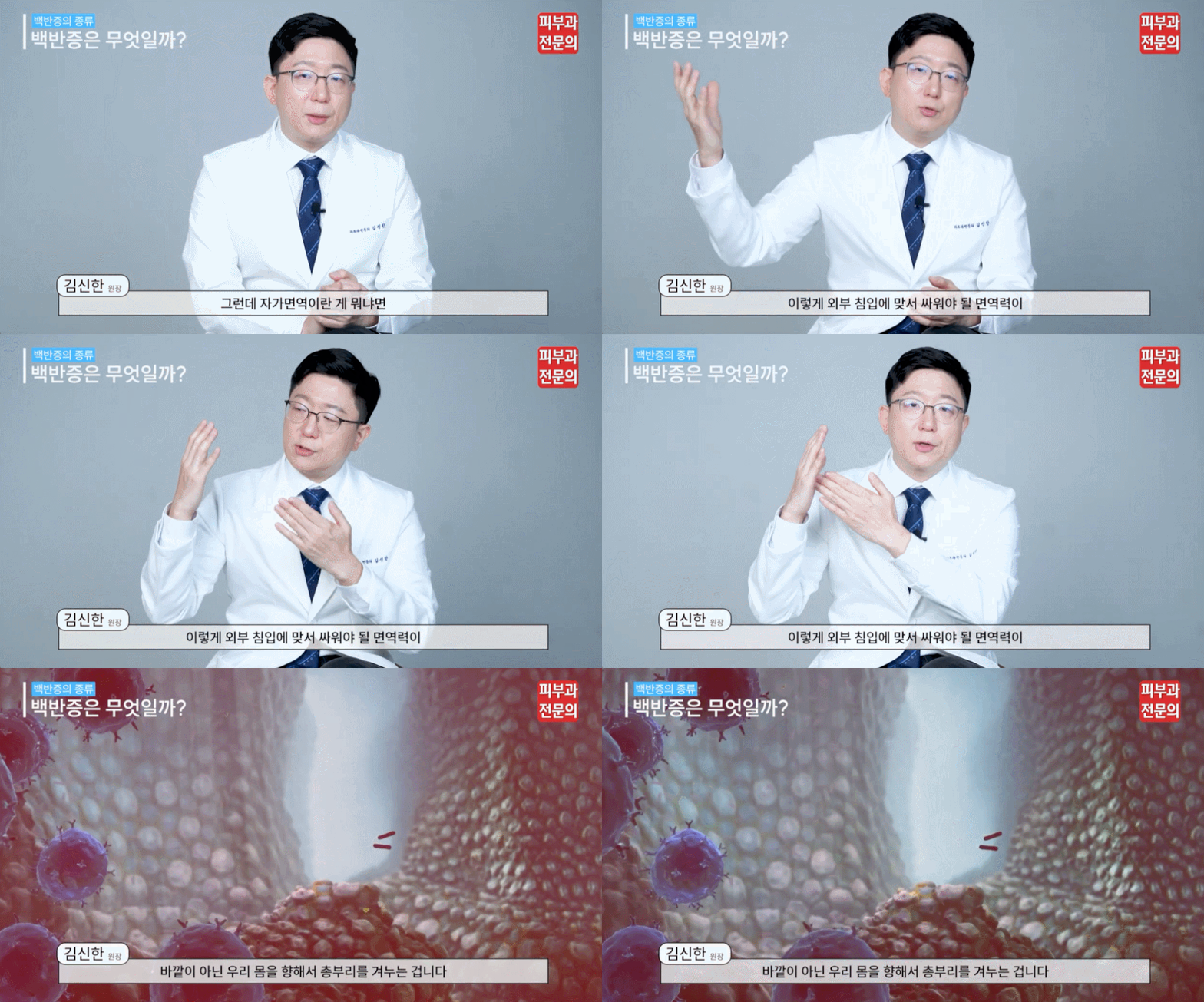
Vitiligo is a chronic skin condition caused by the body’s immune system attacking melanocytes, and it refers to more than just a visible change in skin color.
With vitiligo, there is often little to no pain other than the skin change itself, so it is easy to take lightly in the early stage. However, depending on when treatment begins, there can be a significant difference in recovery speed and whether it recurs.
In particular, areas that are frequently exposed, such as the face and hands, can cause greater psychological stress, so it is important to receive an early diagnosis and begin treatment in a systematic way.
- Symptoms to check in the early stage of vitiligo
- Vitiligo treatment method: excimer laser
- Key points for preventing vitiligo recurrence
Early symptoms of vitiligo to check
Vitiligo is a representative pigment disorder caused by reduced function of melanocytes in the skin.
In the early stage, it appears as clearly defined white patches, and it is characterized by being more likely to occur on areas exposed to sunlight or areas that experience frequent friction.
Because there are often no symptoms such as itching or stinging, it can easily be overlooked. However, if vitiligo is left untreated, it may spread to surrounding areas or extend to multiple parts of the body.
In addition, everyday factors such as stress and lack of sleep can affect symptom worsening, so it is most important to establish a detailed diagnosis and treatment plan early.

Vitiligo treatment method: excimer laser
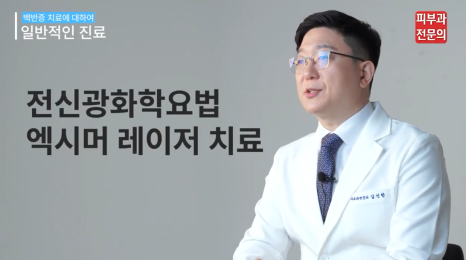
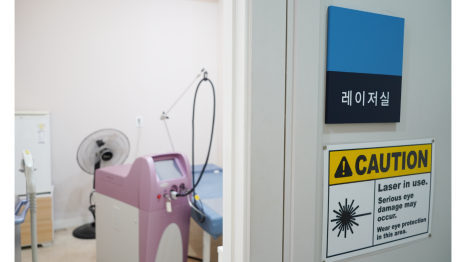
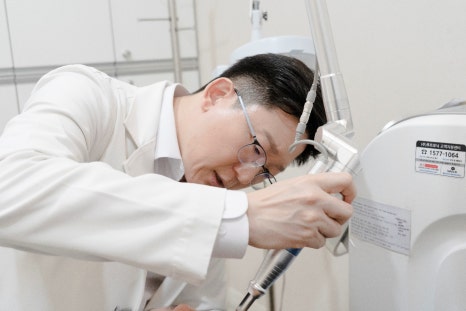
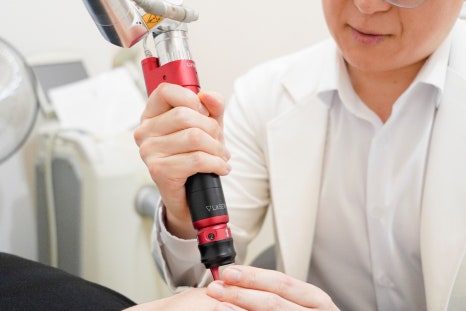
The most widely used treatment for vitiligo is 308nm excimer laser therapy.
This treatment irradiates the lesion area with light of a specific wavelength to help melanocytes regain function, and it also helps control an overactive immune response to prevent the lesion from spreading.
In the early stage, the laser is focused on areas where the pigment has completely disappeared, encouraging melanocyte activation.
The response speed during this period varies from person to person, but it becomes an important basis for determining the intensity and frequency of later treatment.
As treatment moves into the intermediate stage, the interval and intensity of laser irradiation change depending on the degree of color recovery, and if needed, immune ointments and moisturizing treatment may be used together to help maintain stable skin recovery.
Once the color has recovered to a certain degree, the maintenance stage begins.
During this stage, treatment should not be stopped abruptly. Instead, the intervals between treatments should be gradually extended while continuing consistent management to reduce recurrence.
Since vitiligo is not a condition that ends with short-term treatment, continuing regular follow-up visits and a steady laser treatment plan is the best way to expect good results.
Key points for preventing vitiligo recurrence
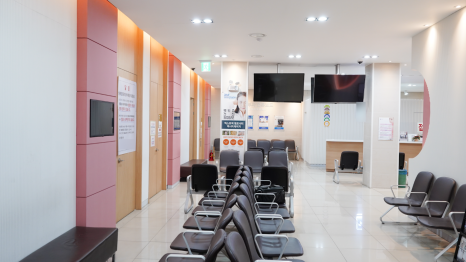
Vitiligo is not a condition that ends with treatment alone.
Daily care habits have a major impact on treatment results and the likelihood of recurrence, so it is important to practice the following care points together.
First, minimize skin irritation.
Vitiligo is sensitive to friction, heat, and irritation, so when washing your face or showering, it is best to avoid rubbing hard and to wash gently.
After showering, apply enough moisturizer within 3 minutes to protect the skin barrier.
UV management is also an important factor.
Light exposure to ultraviolet rays may help treatment, but excessive sun exposure can cause the lesion to spread or worsen.
When going outside, you should apply a product with an appropriate sun protection factor, which can help prevent pigment damage.
Because vitiligo is closely related to immune changes, lifestyle management is essential.
Lack of sleep, accumulated stress, and overwork are major causes of lesion worsening again.
Regular sleep, a balanced diet, and light exercise can directly help skin recovery.
Lastly, even if the symptoms improve, it is not good to stop treatment immediately.
Because vitiligo has a high chance of recurrence, it is necessary to continue monitoring the condition and maintain treatment when needed for stable recovery.
Vitiligo is not simply a change in skin color, but a chronic disease related to immune responses, so early diagnosis and a consistent treatment plan are very important.
Also, because it is not a condition that ends with treatment alone, managing skin irritation, UV exposure, and lifestyle factors together can help prevent recurrence and support faster recovery.
If you are struggling with vitiligo, rather than trying to solve it alone, I recommend checking your skin condition and following a personalized treatment plan to help relieve symptoms.
If you have any questions beyond the information above, please leave them in the comments below.
We will kindly answer them.
Thank you for reading to the end.
| This post was written for informational purposes in compliance with Article 56, Paragraphs 1 to 15 of the Medical Service Act. All treatments carry a risk of side effects and complications depending on the individual. Before treatment, please be sure to have a sufficient consultation with experienced medical staff before making a decision. |