Psoriasis may seem like a skin problem that simply causes thick scales to form, but in reality, it is a chronic condition that occurs when the skin’s regeneration speed becomes abnormally fast and the immune response is overly activated.
At first, it may feel mild, with just dryness, scaling, and redness. But if these changes keep recurring or continue to return in certain areas, it should no longer be seen as a simple skin irritation.
In particular, psoriasis can suddenly worsen in response to factors such as stress, seasonal changes, lack of sleep, colds, and skin irritation. That is why it is very important to approach it with a systematic treatment plan from the early stage, when symptoms first begin.
Today, I will explain the step-by-step treatment methods used to treat psoriasis at a dermatology clinic.
- Why psoriasis needs step-by-step treatment
- Treatment methods to calm early inflammation
- Treatment methods to reduce lesions and prevent recurrence
Why psoriasis needs step-by-step treatment
Because the range of symptoms, the appearance of the lesions, the aggravating factors, and the speed of progression all differ from patient to patient, psoriasis is difficult to control with just one approach.
Some people repeatedly develop it only in a small area, while for others it suddenly spreads over a wide area and progresses to the point of interfering with daily life.
The fundamental problem in psoriasis is that the skin cells’ rate of self-repair becomes several times faster than normal. In this process, scales build up and red plaque-like lesions appear.
Because these changes do not resolve naturally, treatment must be carried out systematically in the following stages.
-
First stage: a process that calms active inflammation
-
Second stage: a process that reduces lesion size and normalizes the skin’s regeneration speed
-
Final stage: maintenance treatment to delay recurrence as much as possible
Following this order can help relieve psoriasis symptoms.
Treatment methods to calm early inflammation
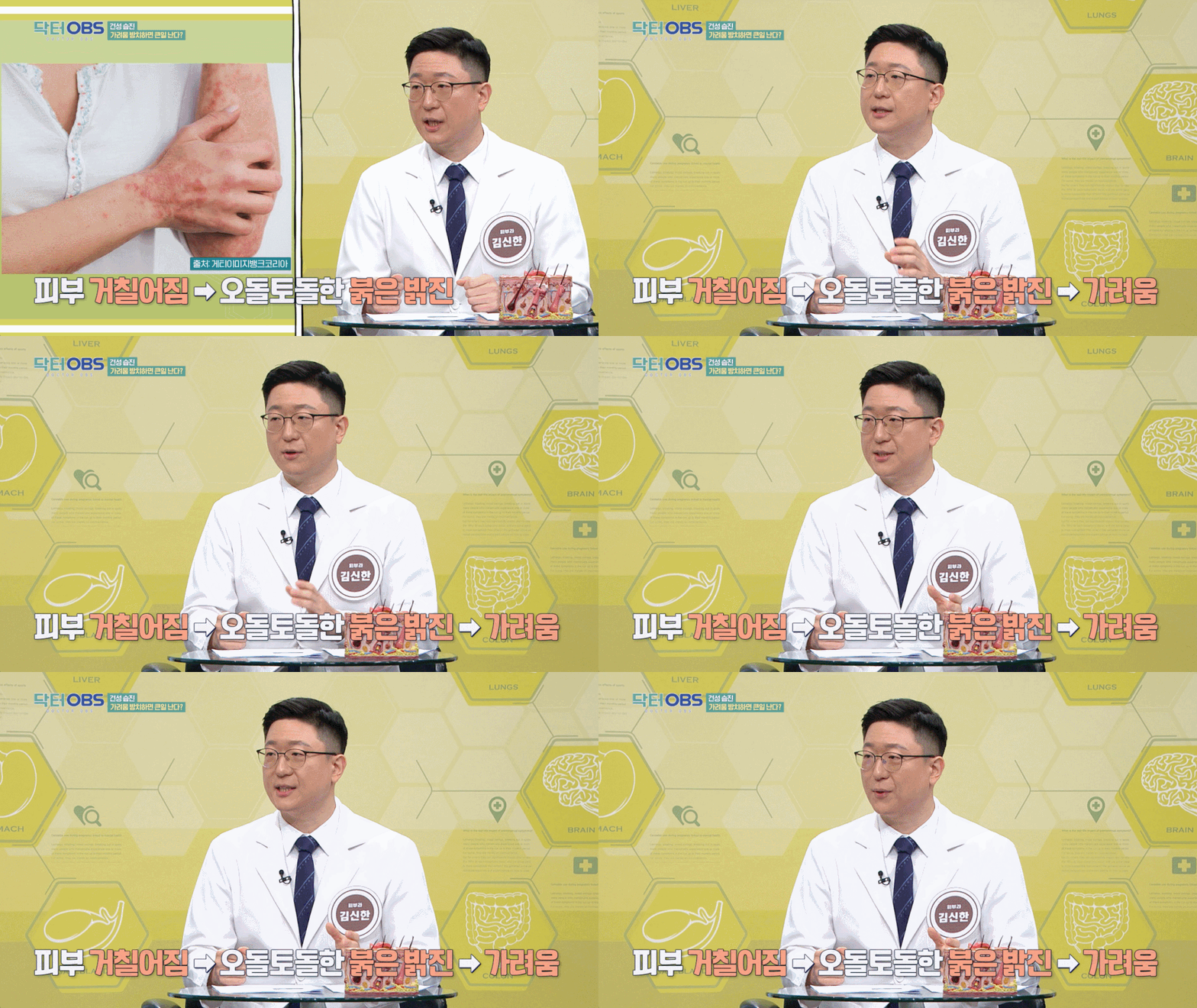
The first step in psoriasis treatment is to first reduce the inflammation that has been active deep within the skin for a long time.
In this process, steroid ointments and vitamin D derivatives are commonly used to ease red, thickened lesions and help the skin respond well to the next stage of treatment.
The important point in early treatment is that the expected effect changes depending on where and how the ointment is applied.
If too little is applied, the inflammation may not be sufficiently suppressed. If too much is applied, the skin may become irritated, so an appropriate amount tailored to the skin condition is needed.
In addition, because psoriasis-prone skin tends to worsen when it becomes dry, it is recommended to apply moisturizer within 3 minutes after showering, and to moisturize 2 to 3 times a day.
Also, when washing the face or showering, rubbing, hot water, and frequent scrubbing can irritate early inflammation, so they should be reduced as much as possible.
If this stage is stabilized, the expected effect of phototherapy or maintenance treatment may also improve.
Treatment methods to reduce lesions
and prevent recurrence
Once the early inflammation calms down, treatment is needed to reduce the lesions themselves and reverse the skin’s abnormal regeneration.
The representative methods used at this stage are as follows.
-
308nm excimer laser
This treatment directly irradiates the lesion with ultraviolet light of a specific wavelength to regulate rapidly proliferating skin cells back to a normal speed and stabilize the excessive immune response.
-
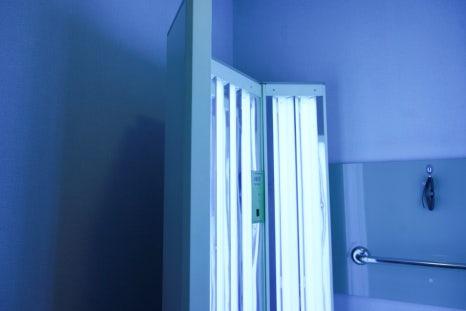
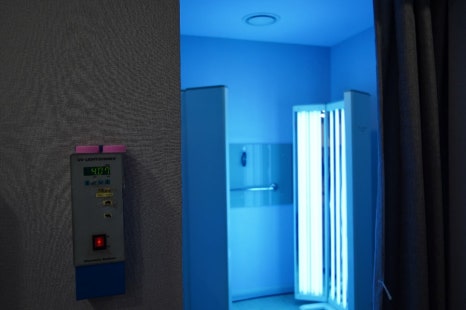
Phototherapy
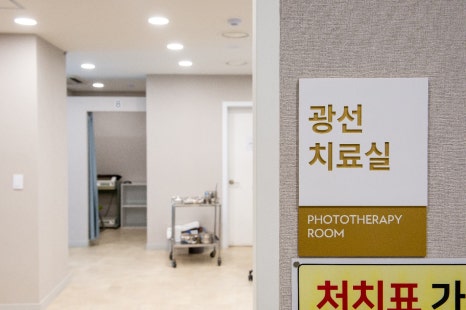
This is used when the lesion area is large. It helps lower inflammation throughout the body and reduce recurrence rates.
Consistent treatment at regular intervals can lead to a good response.
Even if psoriasis symptoms improve with excimer laser and phototherapy, stopping treatment immediately makes recurrence more likely.
Therefore, along with treatment, it is better to continue with consistent moisturizing, combined ointment treatment, and adjustment of phototherapy intervals if needed.
Psoriasis is not a skin problem that can be resolved in a short period of time. Long-term symptom stability depends greatly on how well the flow of early treatment, lesion reduction, and maintenance care is followed.
Because psoriasis is sensitive to the living environment, skin irritation, and immune condition, it is also important to remember that this is not a condition that ends simply because treatment is done well.
Consistent moisturizing, lifestyle management, minimizing irritation, and regular checkups are essential for reducing recurrence and stabilizing the skin condition.
If psoriasis is currently recurring repeatedly, the fastest and safest approach is to evaluate the skin condition and create a treatment plan together with a specialist rather than trying to solve it alone.
I hope the information shared today about psoriasis will be helpful for those preparing for treatment.
If you have any questions beyond the information provided today, please ask through the window below.
Thank you for reading to the end.
| This post was written for informational purposes in compliance with Article 56, Paragraphs 1 to 15 of the Medical Service Act. All treatments carry a risk of side effects and complications depending on the individual. Before treatment, be sure to make a decision only after sufficient consultation with medical professionals who have extensive experience. |