When acne suddenly appears during the teenage years, both students and parents start to worry.
At first, it is easy to think, “It’s puberty, so it will come and go,” but if acne repeatedly flares up red or starts leaving scars, it is hard to see it as just part of puberty.
In particular, acne during this period tends to worsen because hormonal changes, increased sebum, lifestyle habits, and skin irritation work together. Once it starts, it often keeps recurring.
Therefore, managing only the skin surface is not enough. Treatment and lifestyle care that stabilize the skin’s internal environment must be carried out together to reduce symptoms.
Today, I will explain in detail why teenage acne keeps recurring, why acne scaling is needed, and what daily care methods are necessary.
-Today’s column outline-
-
Why teenage acne keeps recurring
-
Why is acne scaling treatment necessary?
-
How to manage acne and reduce recurrence
Why teenage acne keeps recurring
Teenage acne does not simply happen because the skin is oily; it occurs when changes in the body affect the skin.
During puberty, hormonal changes suddenly increase sebum production, and if this sebum cannot be properly discharged through the pores, it hardens and blocks them.
When external pollutants, dead skin cells, cosmetics, and residue are added on top of this, the skin becomes an environment where inflammation can easily develop.
In addition, smartphones, hair friction, irregular lifestyle habits, and lack of sleep are also factors that worsen acne.
Teenagers, in particular, have fast skin recovery, but they also react sensitively to irritation, so acne that appears once often comes back quickly.
Because the causes of teenage acne are so varied, simple cleansing or ointment alone can make it difficult to manage. A systematic approach tailored to the skin condition may be needed.
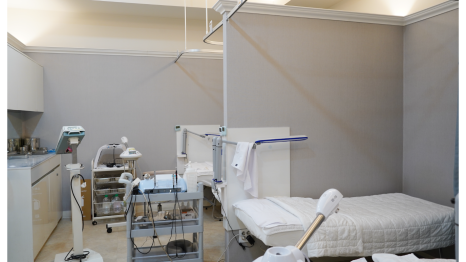
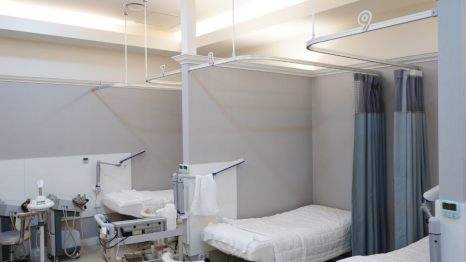
Why is acne scaling treatment necessary?
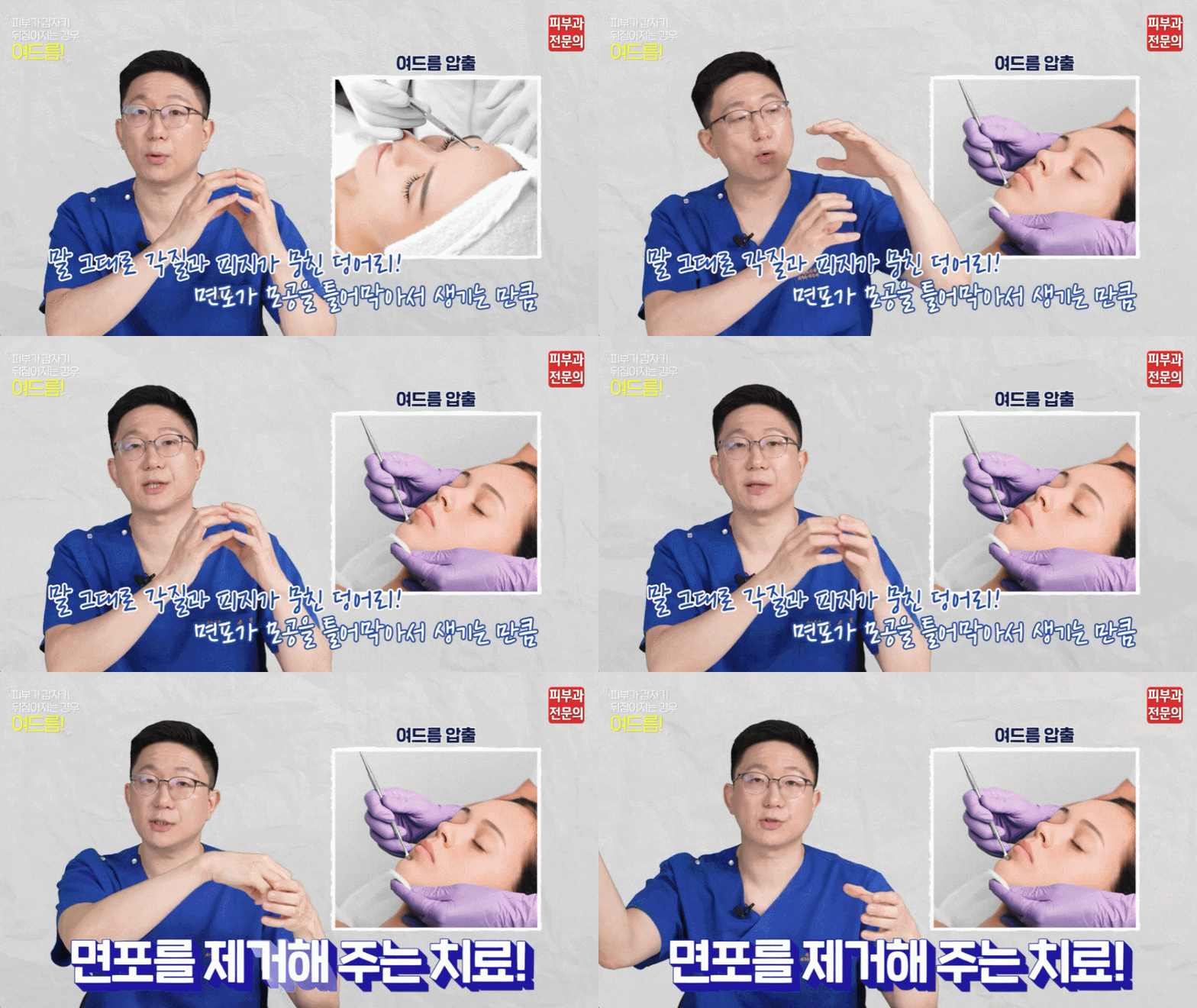
Acne scaling may be suitable for treating teenage acne.
This is because the goal is not only to address visible acne, but also to clean away sebum, dead skin cells, and waste accumulated deep inside the pores, helping stabilize the skin environment itself.
When scaling is performed, clogged pores open up, inflammation can be reduced, and the cycle of new breakouts may gradually become longer.
It also removes excessive dead skin cells and helps smooth the skin surface, creating an environment where ointments or acne treatments can be absorbed more effectively.
In particular, teenage acne can quickly become inflamed and easily lead to scarring, and scaling plays a role in blocking this progression early.
If treatment is carried out regularly, sebum production within the skin can become more stable, and the frequency of recurrent acne may decrease.

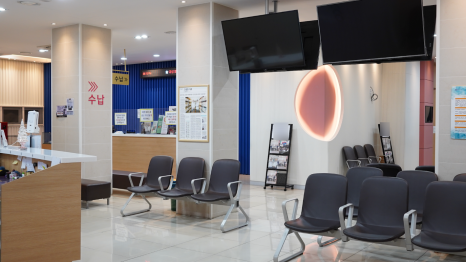
How to manage acne and reduce recurrence
Even if acne treatment is going well, poor lifestyle habits can quickly cause it to worsen again.
Therefore, along with treatment, practicing the care methods below is very important for preventing recurrence.
First, avoid touching your face frequently with your hands or squeezing pimples.
These habits can deepen inflammation and increase the risk of leaving scars.
Washing your face about twice a day with a gentle, non-irritating product is recommended. Rubbing too hard or using excessive scrubs can actually worsen inflammation, so caution is needed.
Also, enough sleep, regular meals, and proper hydration have a major effect on skin recovery, and if you eat a lot of oily or irritating foods, sebum production may become more active and acne may recur.
Hair touching the forehead for long periods can also worsen acne, so it is a good idea to tie it back or keep it neat before sleeping.
If this kind of lifestyle care is maintained consistently, the expected effects can last longer, and the frequency of acne outbreaks can be reduced over the long term.
Teenage acne should not be left alone with the assumption that it will naturally pass. It is most important to identify the causes of recurrence and manage it early.
Basic treatment such as acne scaling helps stabilize the environment inside the pores, and only when lifestyle habits are adjusted together can the recurrence rate truly be lowered.
If acne is currently recurring frequently or inflammation is becoming severe, trying to solve it alone is not the best approach. Setting a treatment plan suited to the skin condition in detail can help achieve faster and safer recovery.
Consistent care and treatment are important processes that determine not only skin health during the teenage years, but also the condition of the skin in adulthood.
I hope the information about teenage acne shared today will be helpful for those preparing for treatment.
If you have any questions beyond what was covered above, please ask in the comments below.
I will kindly answer them.
Thank you for reading to the end.
| This post was written for informational purposes in compliance with Article 56, Paragraphs 1–15 of the Medical Service Act. All treatments carry a risk of side effects and complications depending on the individual. Before treatment, please be sure to have a thorough consultation with experienced medical staff and make your decision afterward. |