Psoriasis may appear at first as nothing more than temporary redness or flaking skin, but in reality it is a chronic condition that begins with inflammation in the skin and abnormally accelerated skin renewal.
When you look only at the visible changes, it can seem like a mild skin problem, but if treatment is delayed, the lesions may spread or the symptoms may worsen.
In particular, because it reacts sensitively even to small changes in the surrounding environment, such as stress, lack of sleep, and dry conditions, it is very important to approach it correctly at an early stage.
Today, I will explain in detail the characteristics of psoriasis and how to treat it and prevent recurrence.
-
Why is inflammation relief important in psoriasis?
-
Treatment methods for calming early inflammation
-
Management methods to reduce lesions and prevent recurrence

Why is inflammation relief important in psoriasis?
The problem with psoriasis is that inflammation is continuously activated inside the skin, causing the skin to regenerate at an excessively rapid rate.
When this process repeats, red plaque-like lesions and thick scales build up in layers, and if left untreated, the size and extent may gradually increase.
Also, because the skin becomes more sensitive and can worsen easily even with minor irritation, it is important to quickly calm the inflammation at an early stage.
If mild symptoms are left untreated, flare-ups and improvement may repeat, the skin barrier gradually weakens, and as a result the treatment period may become longer or the interval between recurrences shorter.
For these reasons, the first step in treating psoriasis should be stabilizing the inflammation within the skin, and only when that part is under control can satisfactory skin improvement be expected through the next stages of treatment.
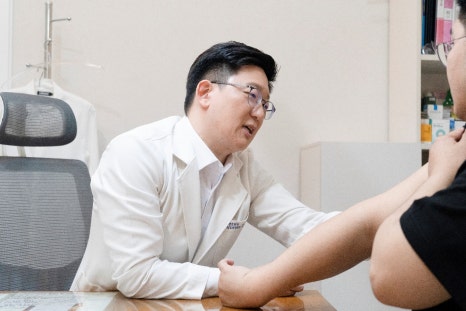
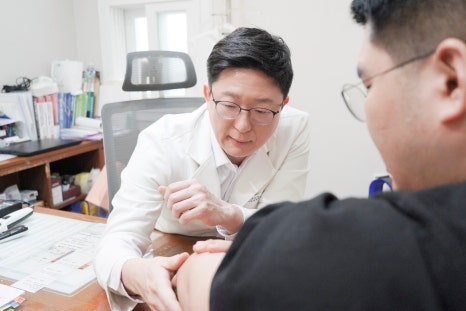
Treatment methods for calming early inflammation
Psoriasis treatment begins with the process of calming the inflammation that has been activated inside the skin.
Steroid ointments or vitamin D derivatives are mainly used to control the redness and thickening of scales.
With these ointments, it is not simply a matter of applying a lot; rather, it may be preferable to follow the correct amount, frequency, and application method suited to the skin condition.
Also, because psoriatic skin is very vulnerable when dry, it is necessary to apply moisturizer immediately after showering or additionally moisturize sufficiently 2 to 3 times a day to protect the skin barrier.
Frequent scrubbing, hot showers, and forceful face washing can actually intensify inflammation, so caution is needed.
Once the initial inflammation stabilizes, the skin becomes suitable for the next stages of treatment, such as laser and phototherapy, and the overall treatment speed can also improve significantly.



How to reduce lesions and prevent recurrence
After inflammation is relieved, treatment is carried out to normalize the flow of skin regeneration and reduce the extent of the lesions.
A representative treatment is the 308nm excimer laser, which shines light of a precise wavelength on localized lesions to help control excessive cell proliferation and balance the immune response.
It is suitable for localized areas such as the face, knees, and elbows, and can help speed up skin recovery.
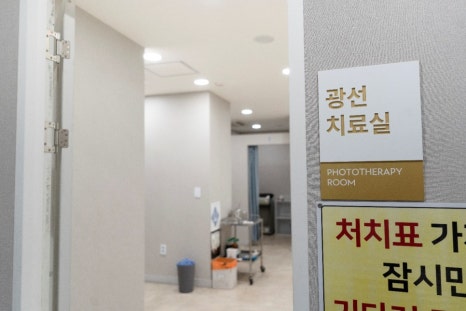
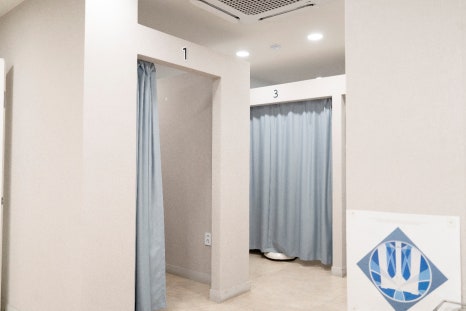
When lesions are widespread or have spread throughout the body, phototherapy is used with the goal of reducing inflammation and the frequency of recurrence.
It must be continued regularly at fixed intervals to expect satisfactory results, and as treatment accumulates, the skin’s responsiveness can improve.
Some patients stop treatment once the lesions improve, but in such cases the symptoms may recur, so caution is needed.

Psoriasis is not a condition that ends with short-term treatment, so you need to keep observing the symptoms and continue treatment.
Also, because each person’s skin condition and lifestyle patterns are different, individualized treatment and lifestyle management should be checked together in order to reduce recurrence.
If you do not miss the proper treatment timing and maintain a management routine, even if symptoms repeat, you can minimize worsening, and the period during which the skin remains stable can gradually become longer.
Therefore, if your symptoms improve and then recur repeatedly, rather than managing it alone, I recommend receiving treatment.
Thank you for reading to the end.
| This post was written for informational purposes in compliance with Article 56, Paragraphs 1 to 15 of the Medical Service Act. All treatments carry the risk of side effects and complications depending on the individual. Before treatment, be sure to consult thoroughly with medical staff who have extensive experience before making a decision. |