Atopic dermatitis often starts with something as simple as skin suddenly becoming red or itchy, so at first it is often mistaken for ordinary sensitive skin.
However, atopic dermatitis is a chronic skin disease in which the skin barrier becomes weakened and changes in immune response occur as well, and once it begins, it can affect many parts of daily life.
In particular, because symptoms can worsen in response to various everyday triggers such as weather changes, stress, sweat, and dry indoor environments, how you handle the early symptoms affects the pace of treatment.
Today, we will explain step by step what to check first when atopic dermatitis symptoms recur, and what course treatment and management should follow, in an easy-to-understand way.
-Today's column outline-
-
What do atopic dermatitis symptoms look like?
-
The principles of ointment treatment and how to use it
-
Why managing your daily routine improves treatment effects
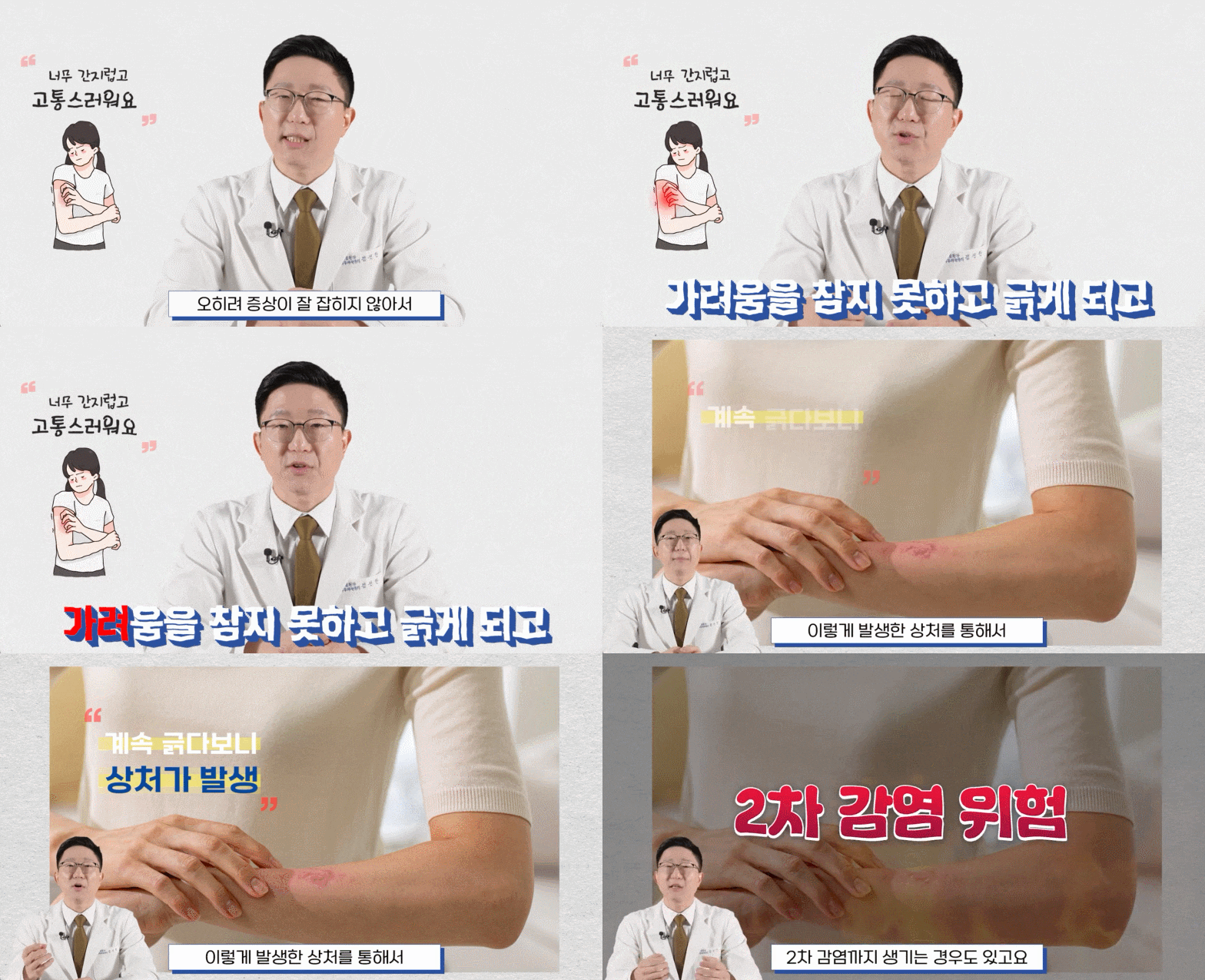
Atopic dermatitis symptoms, how do they appear?
Atopic dermatitis may seem like a disease that appears suddenly and suddenly gets worse, but in reality it develops as several characteristic changes gradually accumulate from the early stage.
The first change many people notice is that the skin repeatedly becomes dry and feels tight.
If the skin surface becomes rough or red patches begin to appear, it is likely an early sign of atopic dermatitis, so caution is needed.
In particular, symptoms tend to recur in areas where the skin is thin and sensitive to irritation, such as the inner elbows, neck, back of the knees, and around the eyes.
This is because sweat and friction are common in these areas, making the barrier easier to break down.
At first, even if applying moisturizer temporarily soothes the skin, the weakened barrier means it is likely to worsen again.

The principles of ointment treatment and how to use it
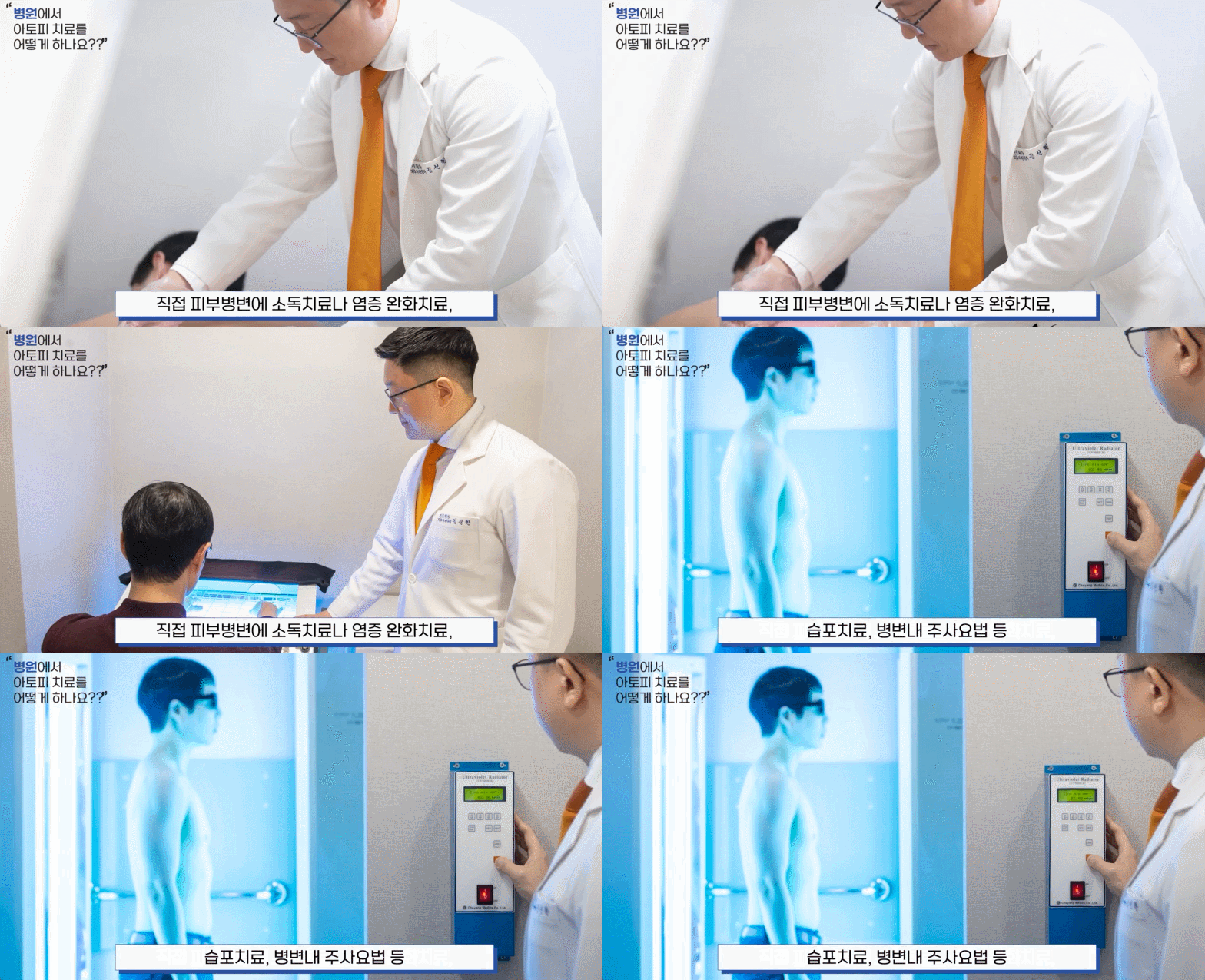
In atopic dermatitis treatment, ointment is a treatment tool that can help quickly calm inflammation.
However, it is important to understand that it is not simply a medicine that “makes the skin better when applied,” but a treatment in which the amount, frequency, and type must be adjusted according to each person's skin condition.
A key point when using ointment is to apply an appropriate amount thinly and gently so the skin is not irritated.
If the amount is too small, the effect may be reduced, and if it is too much, it may instead cause irritation, so the proper amount should be used.
Also, for areas with severe symptoms, using it consistently 1 to 2 times a day at regular times can help maximize treatment effects.
When applying ointment, it must be applied directly to the affected area.
Red and itchy areas should be managed intensively with ointment, while areas without symptoms should be treated with moisturizer only to reduce strain on the skin.
In this way, ointment treatment is not something that ends with short-term use; it requires a step-by-step approach in which the amount and frequency are adjusted according to skin changes.
Managing your daily routine
helps improve treatment effects
For atopic dermatitis, it is good to manage your daily routine alongside treatment.
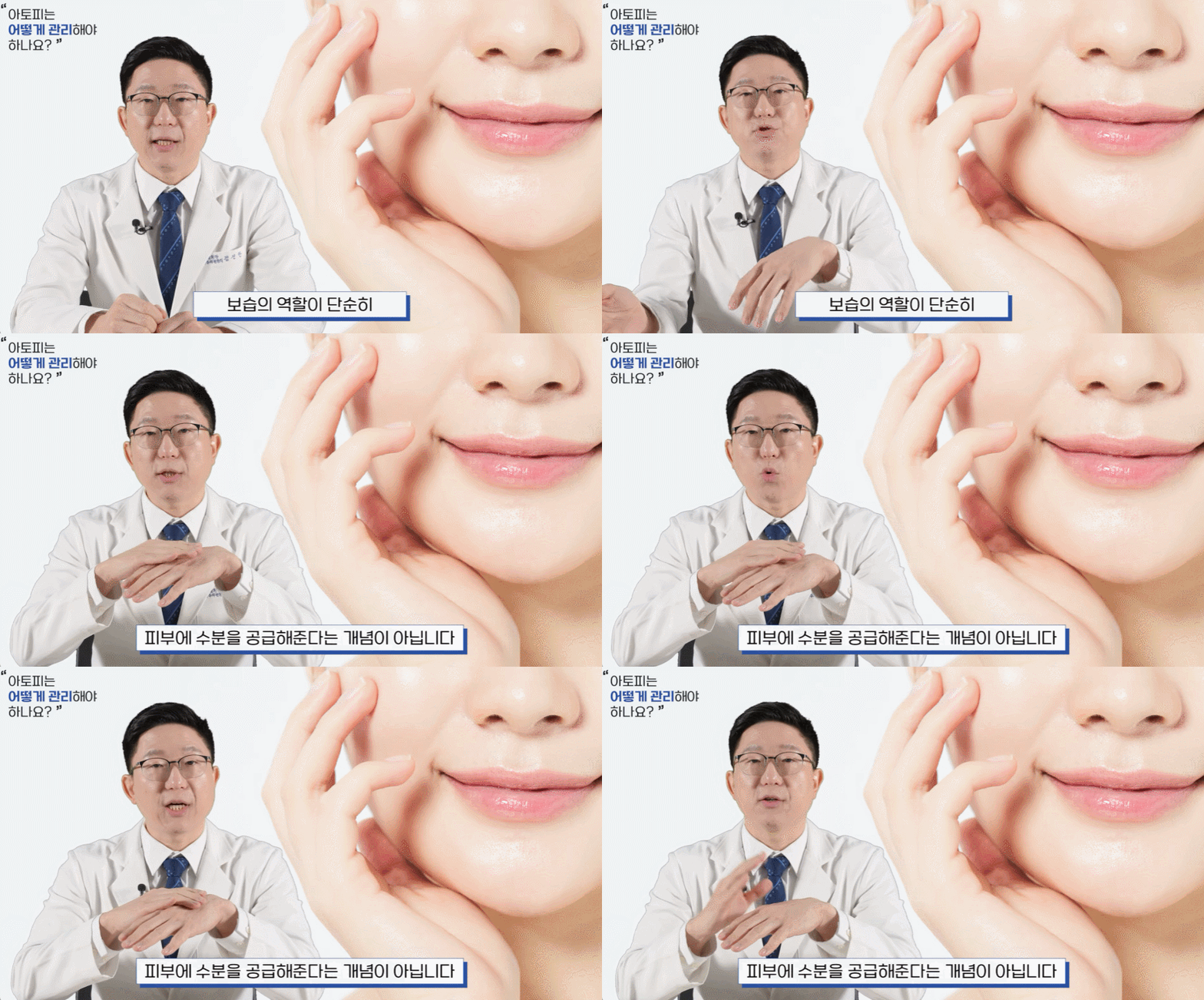
The most important habit is consistent moisturizing.
Applying moisturizer within 3 minutes after showering can help prevent moisture loss and protect the skin barrier.
Applying it 2 to 3 more times a day can minimize dryness and slow the worsening of inflammation.
Also, hot water, strong friction, scrubbing, and frequent exfoliation can all damage the skin barrier and trigger worsening, so it is best to avoid them.
Lack of sleep, stress, excessive heater use, and dry environments are all factors that can worsen atopic dermatitis.
Maintaining indoor humidity, keeping a regular sleep pattern, and combining this with regular exercise can help long-term skin stability.
Lastly, it is not advisable to suddenly stop ointment or treatment just because the symptoms improve.
Even when visible symptoms decrease, inflammation inside the skin may not have fully recovered, so rather than stopping treatment all at once, it is important to maintain it while gradually adjusting the intensity of treatment.
Atopic dermatitis is not simply a problem on the skin surface; it is a complex chronic disease influenced by the skin barrier, immunity, and the living environment.
Therefore, it is not enough to receive only ointment treatment; steady moisturizing, reducing irritation, and managing lifestyle habits must all be done together to expect stable improvement.
If your skin often turns red and itching repeats every night, it may help to identify the cause of the symptoms and make a treatment plan rather than trying to solve it on your own.
I hope the information shared today about atopic dermatitis was helpful to you.
Thank you for reading to the end.
| This post was written for informational purposes in compliance with Article 56, Paragraph 1 through Paragraph 15 of the Medical Service Act. All treatments carry the risk of side effects and complications depending on the individual. Before treatment, be sure to have a thorough consultation with medical staff who have extensive experience before making a decision. |