Atopic dermatitis is a chronic skin condition that cannot be explained simply by itching or dry skin symptoms.
Even if someone receives the same diagnosis of atopic dermatitis, it can appear differently depending on the skin condition, the degree of inflammation, and the living environment.
Nevertheless, if the same treatment or care method is repeated, there are cases where the skin improves temporarily and then worsens again.
In such cases, it is necessary to first check whether treatment or care appropriate for the current skin condition is being provided.
In today’s column, I will explain step by step why atopic dermatitis symptoms appear differently and why symptom-specific treatment is necessary.
- Jangseungbaegi Dermatology Clinic Column Outline -
- Why atopic dermatitis symptoms differ from person to person
- Why treatment methods should differ by symptom stage
- Lifestyle management methods to reduce recurrence
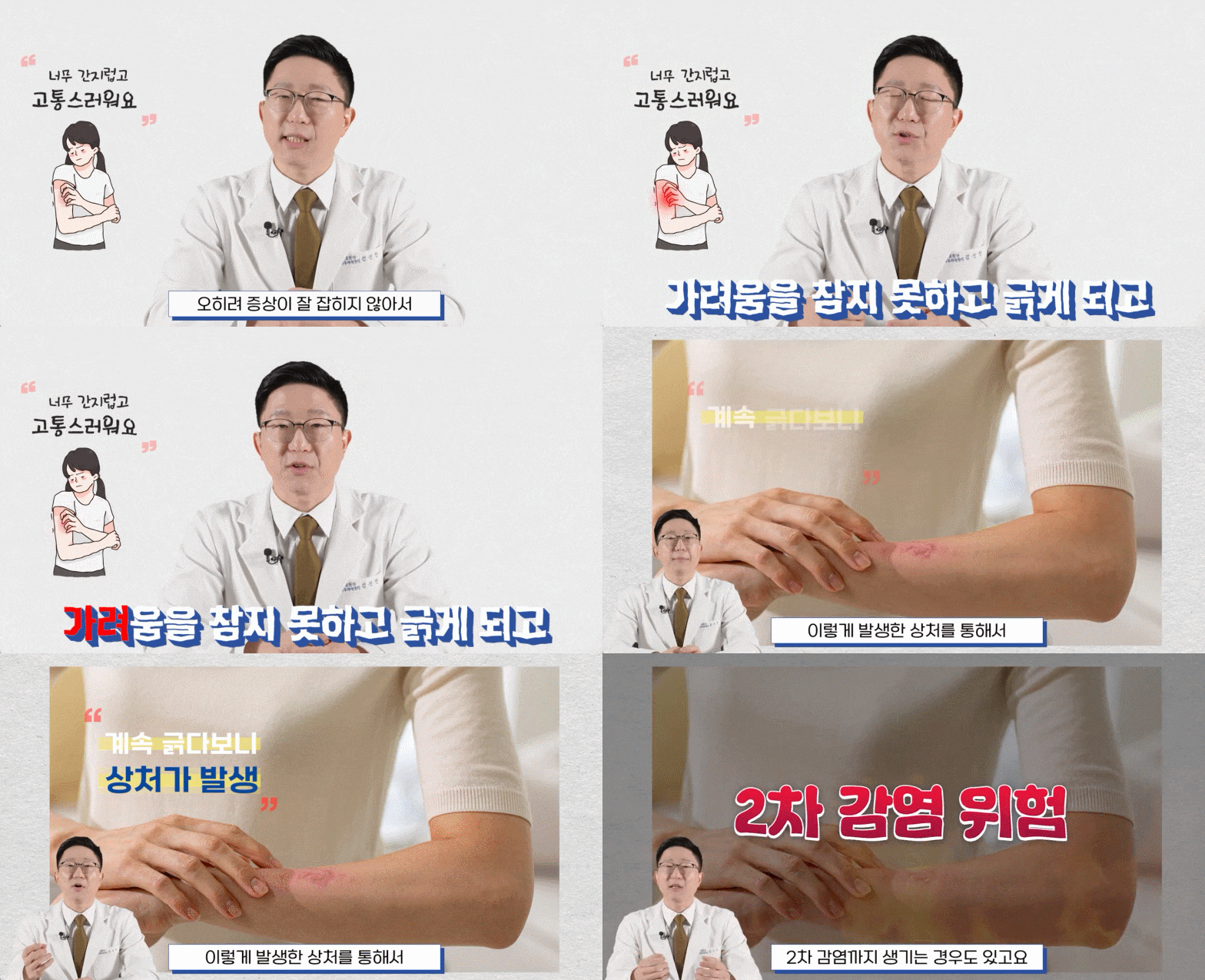
Why atopic dermatitis symptoms differ from person to person
Atopic dermatitis is a condition in which the skin barrier function weakens and the immune response becomes overactive, causing inflammation and itching to recur.
When the skin barrier is weakened, moisture escapes easily, causing dryness, and the skin becomes more sensitive to external irritants, making redness and a feeling of heat more likely to occur.
In this process, factors such as each person’s different skin type, age, seasonal changes, stress, and sleep condition also have an influence, so the symptoms appear in various ways.
For some people, the main symptoms are overall dryness, flaking, and tightness of the skin, while for others, red inflammation and itching appear first.
And if the symptoms continue for a long time, repeated scratching without realizing it can increase the likelihood of the skin becoming thicker and changing color.

Why treatment methods should differ by symptom stage
The important point in treating atopic dermatitis is not simply reducing itching, but making a plan to stabilize the skin and reduce factors that cause recurrence in line with the current stage of symptoms.
If the skin is mainly dry and sensitive, the priority is to restore the skin barrier, minimize irritation, and provide care centered on moisturizing.
On the other hand, when inflammatory reactions such as redness, heat, or oozing are clearly present, the skin is already in an overly sensitive state, so simple moisturizing alone may not be enough to relieve the symptoms, and treatment to control inflammation may need to be combined.
Also, in cases that have recurred over a long period, the skin may become rough and thick, and lichenification or pigment changes may occur as well. At this stage, not only short-term relief but also treatment and care plans to reduce recurrence may be needed.
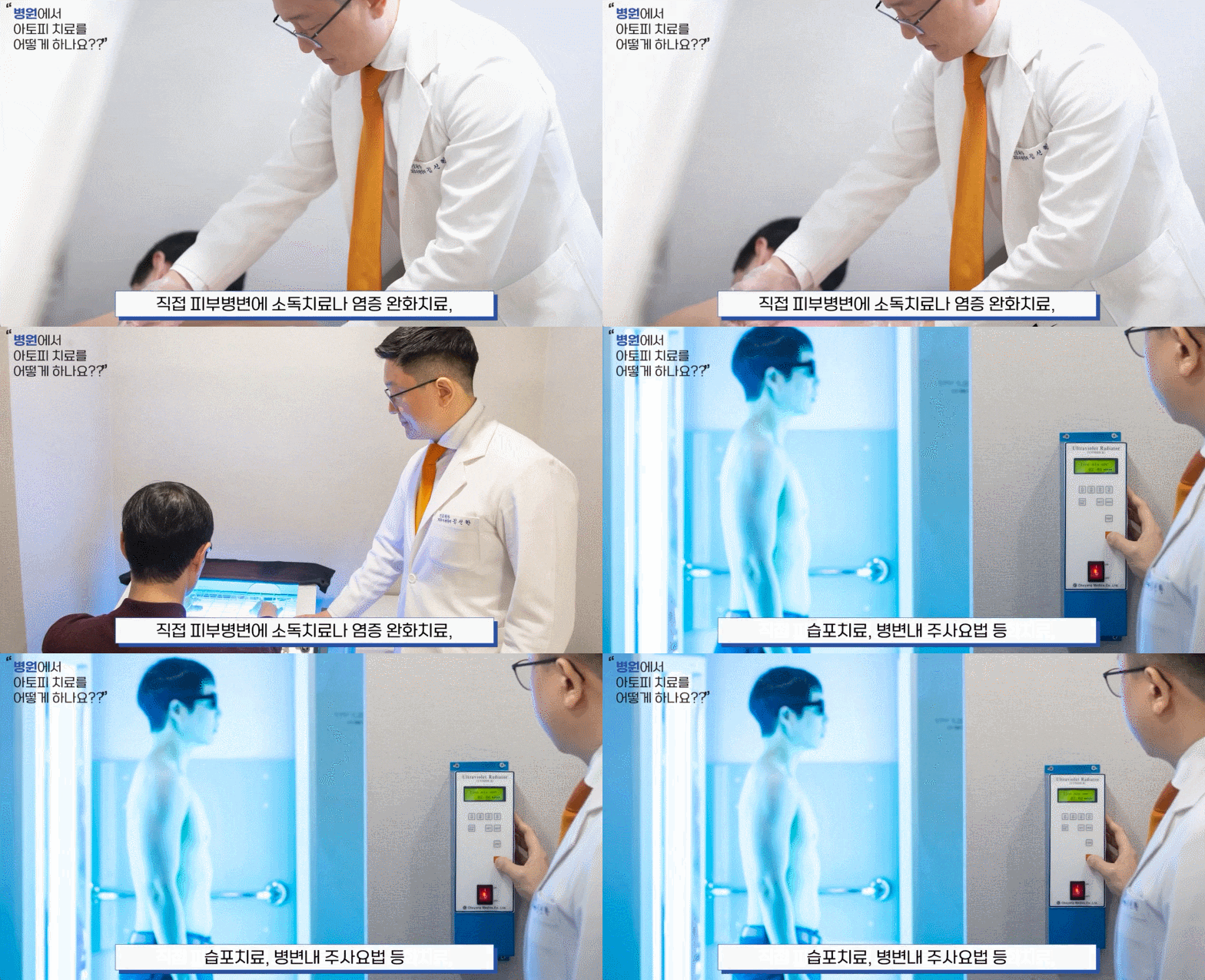
Lifestyle management methods to reduce recurrence
Because atopic dermatitis is a condition that tends to alternate between improvement and worsening, it is important to check the factors in daily life that aggravate the symptoms as much as the treatment itself.
For example, when looking back at times when symptoms worsen, seasonal changes, dry indoor air, frequent showers, friction from sweat, lack of sleep, or stress often overlap.
In particular, as itching becomes more severe, scratching can repeat unconsciously, and in the process the skin barrier can be damaged further, creating a vicious cycle in which inflammation worsens again.
Therefore, in the treatment process, it is important to stabilize the current skin condition while also combining basic care such as cleansing habits that reduce irritation, maintaining moisture, and lifestyle management that reduces friction.
In addition, checking whether symptoms recur in the same area or worsen in specific environments may help adjust the direction of treatment.
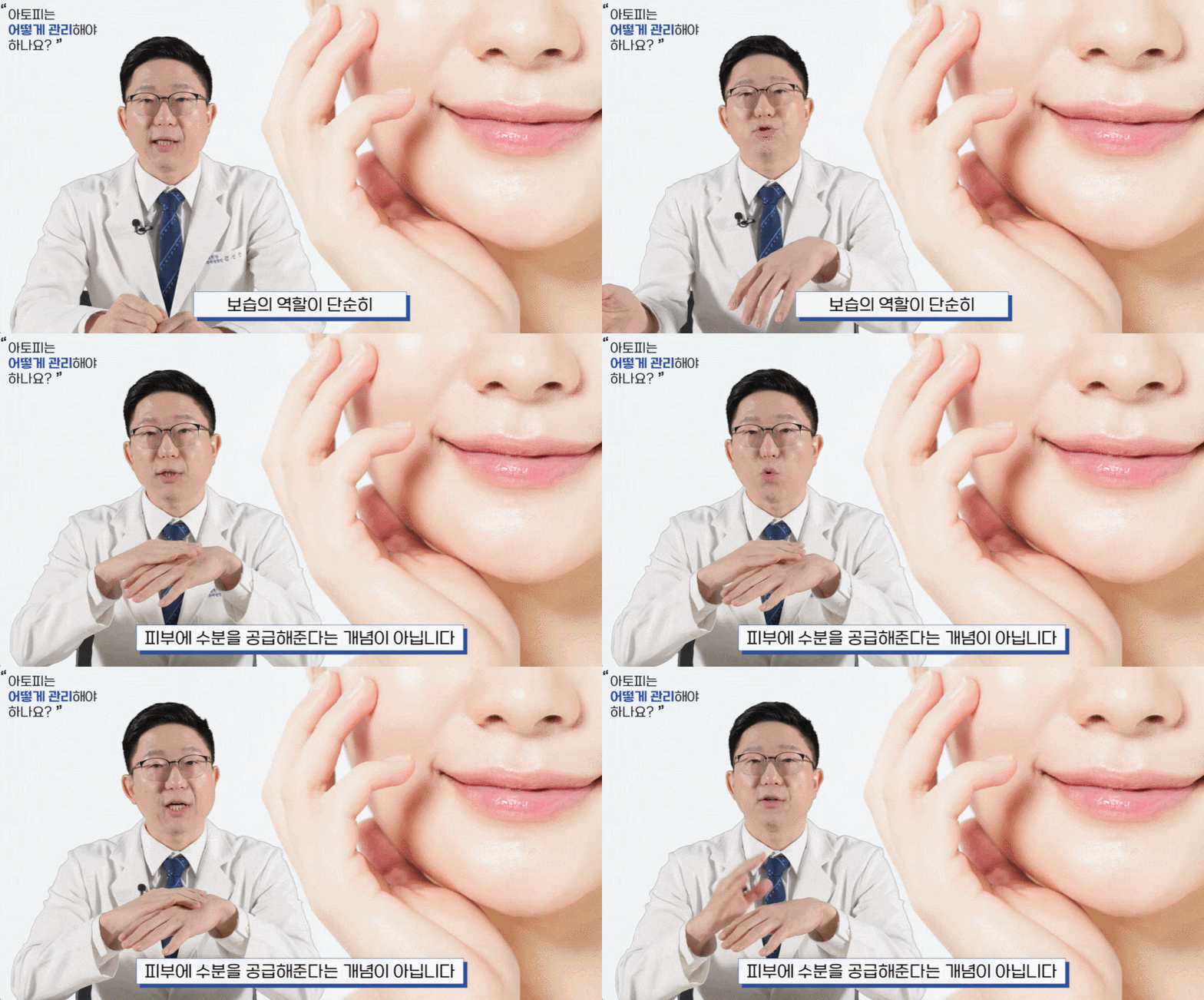
If you start treatment thinking that because it is atopic dermatitis, the same treatment will work, it may take longer for the symptoms to improve.
Because symptoms differ depending on each person’s skin condition, degree of inflammation, and whether the condition has become chronic, it is important to first check what stage the skin is currently in and then establish a treatment plan suited to that stage.
If atopic dermatitis symptoms keep recurring or you feel that management is not going well, checking whether the treatment is being adjusted based on your current skin condition can be the first step in reducing recurrence.
I hope the information about atopic dermatitis I shared today was helpful for those preparing for treatment.
Thank you for reading to the end.
| This post was written for informational purposes in compliance with Article 56, Paragraphs 1–15 of the Medical Service Act. All treatments carry the risk of side effects and complications depending on the individual. Before treatment, please be sure to make a thorough consultation with a medical professional with extensive experience and decide afterward. |