Acne is often thought of as a simple skin problem caused by excess sebum, but in reality, it is a chronic skin condition that recurs as skin type, hormonal changes, lifestyle habits, stress, and other factors work together.
In particular, adult acne and teenage acne have different causes, so treating or managing them in the same way can reduce treatment effectiveness.
In fact, when people visit the clinic for acne, they sometimes ask questions like, “Why does my acne keep coming back?” or “It comes back quickly even after I apply medicine.”
That is why it is important to identify why acne occurs and provide treatment suited to the cause in order to help relieve symptoms.
Today, I will explain in detail why adult acne and teenage acne worsen, and what direction treatment should take.
- Shingil Station Acne Treatment Column Order -
-
Acne: Why does it keep coming back?
-
Acne treatment: Why it must be tailored to the cause
-
Lifestyle and skin care methods to reduce recurrence
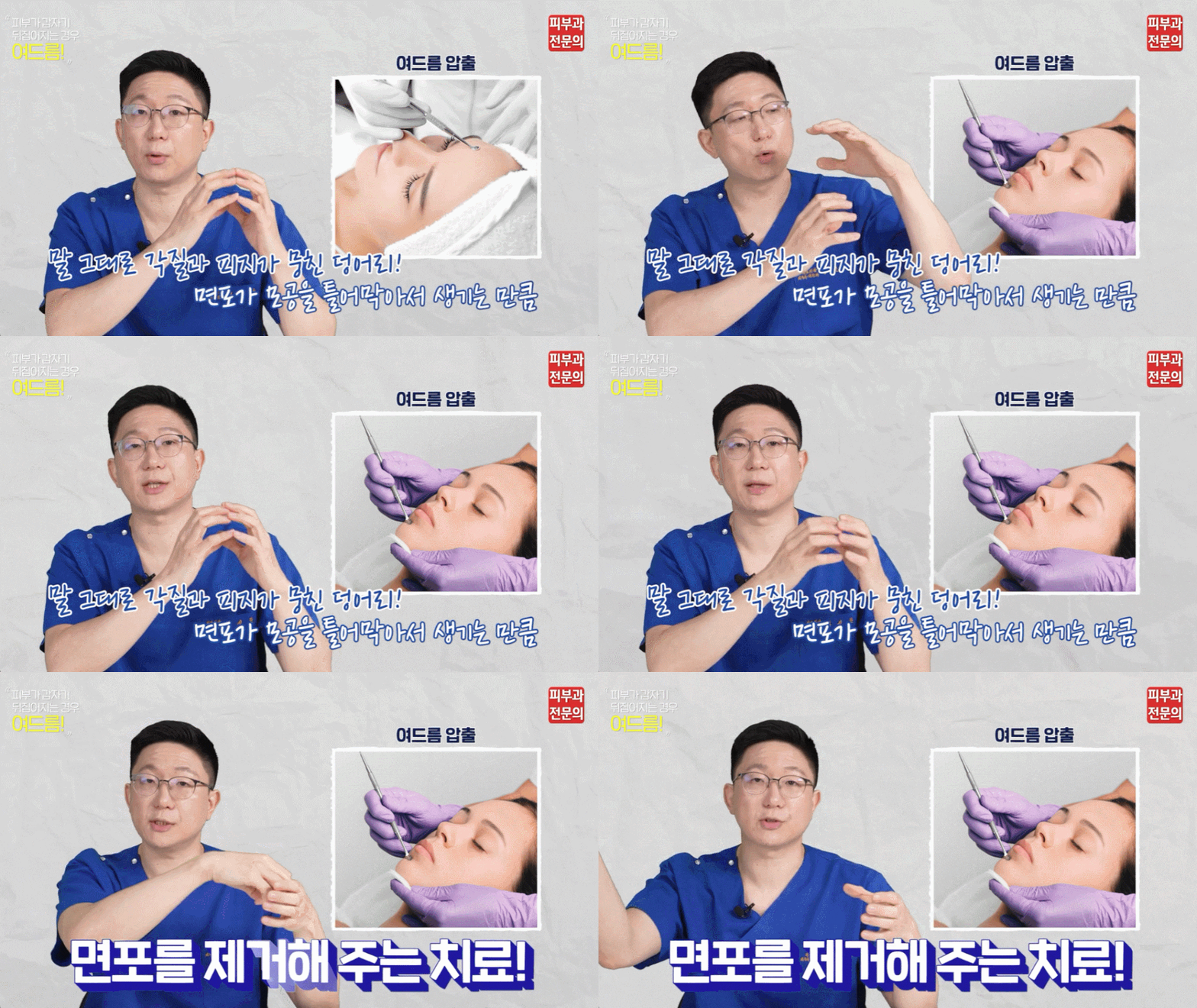
Why does acne occur?
The biggest reason acne keeps recurring is that the environment inside the pores is easily clogged and leads to inflammation.
During adolescence, hormone secretion increases and sebum production rises, which causes pores to clog more quickly.
On the other hand, adult acne often develops as a result of multiple factors working together, such as stress, lack of sleep, makeup residue, a dry indoor environment, and irregular eating habits.
Acne is also more likely to worsen in people with the following skin characteristics.
- Skin that is oily on the surface but dry inside: “dry inside, oily outside” skin
- Environments where the skin is continuously exposed to external irritation, such as mask wearing, sweat, and hair contact
- Hormonal acne that suddenly appears depending on the menstrual cycle and stress
- A damaged skin barrier caused by frequent face washing or the habit of rubbing the skin hard
If any of these apply, acne can develop easily.
In particular, if airflow is blocked while the inside of the pores is clogged, inflammation can become active more quickly and develop into red inflammatory acne or pus-filled acne.
In this way, acne is not simply a problem on the surface of the skin, but a complex condition involving the inside of the skin, lifestyle habits, and environmental irritation. This is why acne worsening tends to repeat.
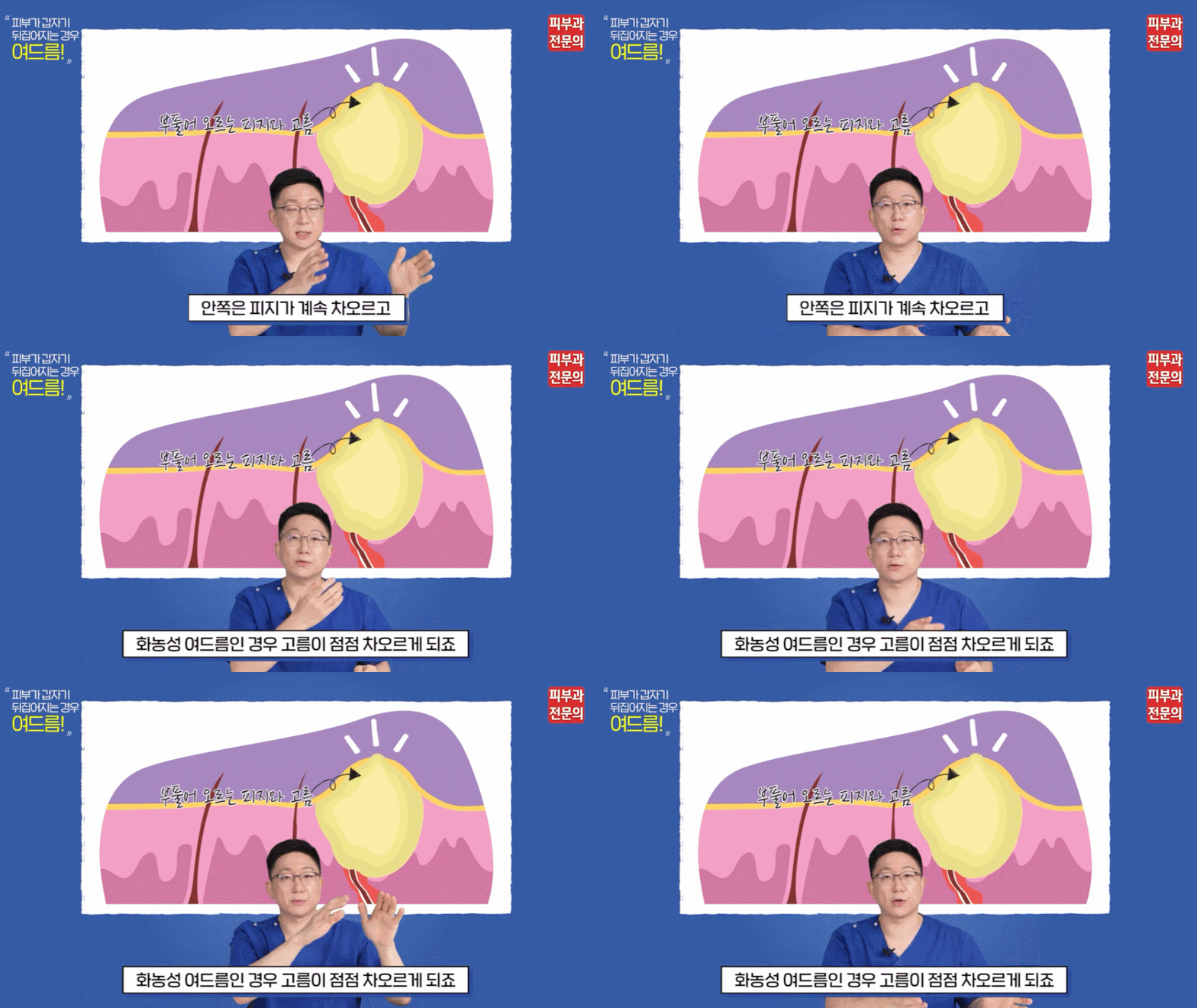
Acne treatment,
Why it must be tailored to the cause
Even if acne looks similar, its causes and skin condition are all different, so the treatment method is not always the same.
Early non-inflammatory acne requires a process that gently clears away sebum and dead skin cells accumulated deep inside the pores.
At this stage, acne scaling, low-irritation topical agents, and sebum-control ointments are used to open clogged pores and prevent sebum from building up.
Red acne with inflammation or pus-filled acne should be treated with antibiotic ointment, anti-inflammatory injections, and medication if necessary to quickly calm inflammation inside the pores and prevent it from leading to scars.
If scars have already begun to form, it is good to combine treatment with laser therapy.
During laser treatment, because each patient’s skin reacts at a different speed, the treatment strength, intervals, and method should be adjusted individually for more stable results.
Ultimately, acne treatment must be carried out according to the symptoms, and repeating a uniform method can reduce treatment effectiveness and make recurrence easier, so caution is needed.
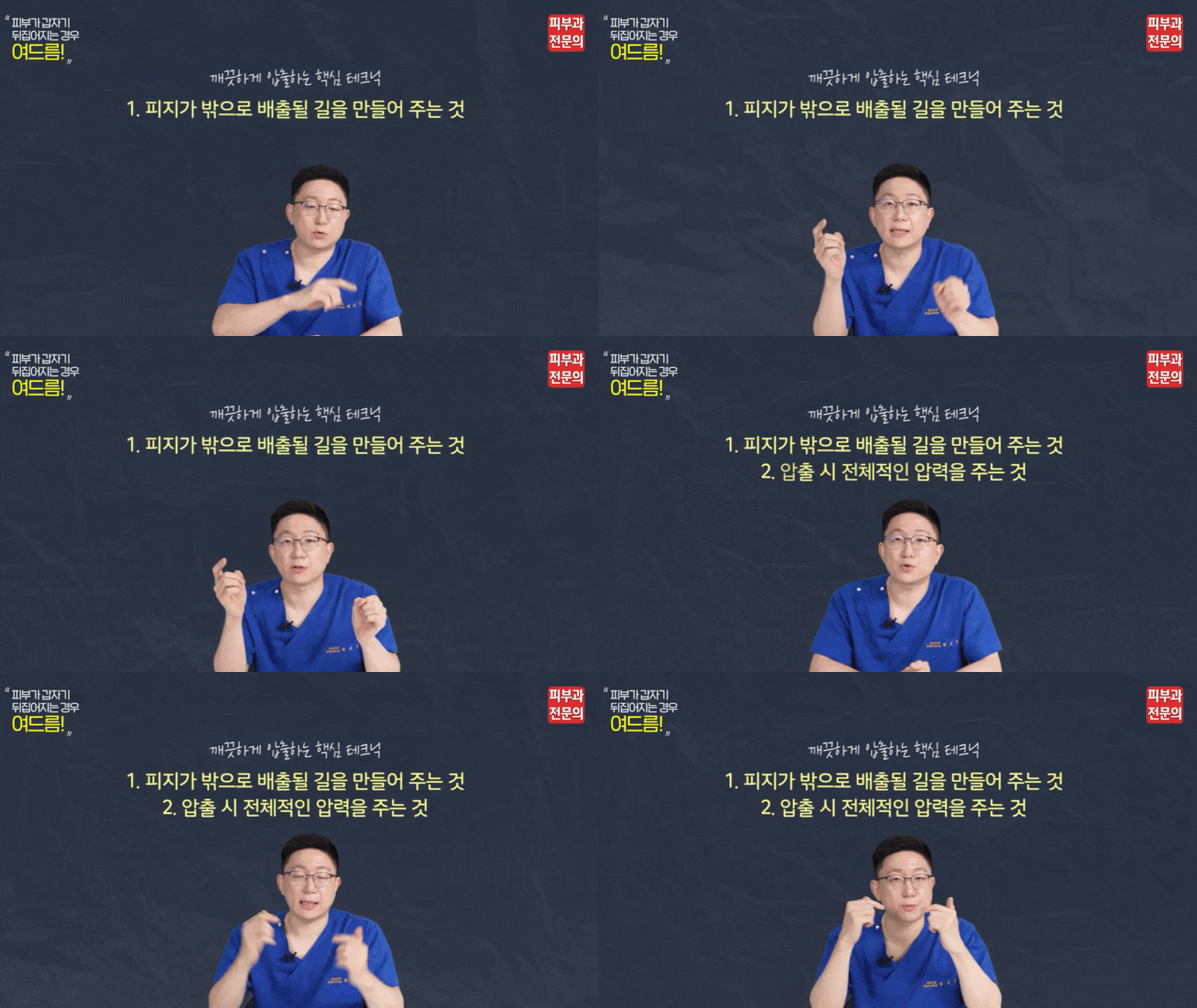
Lifestyle and skin care methods to reduce recurrence
To increase the expected effect of acne treatment, lifestyle management should be carried out together with treatment.
First, cleansing should be done gently with minimal irritation.
Washing too often or rubbing the skin too hard can instead weaken the skin barrier and make inflammation more likely to appear.
Moisturizing is also important.
Dry skin has weaker defenses and produces more sebum, so even oily skin should use a light moisturizing product appropriately to maintain skin balance.
Lifestyle management also helps prevent acne from worsening.
Lack of sleep, stress, late-night snacks, and caffeine can affect sebum production and hormonal fluctuations, and may be factors that cause acne to recur.
Because adult and teenage acne vary in cause and symptoms, it may be difficult to improve with just one method.
Treatment should take into account the condition inside the pores, skin type, hormonal changes, and lifestyle habits.
In the early stage, pore care and inflammation control are important, and in the intermediate stage, treatment adjustments to prevent recurrence and skin recovery should take place.
Above all, treatment and lifestyle habits must proceed together for the treatment effect to be helped, so if you are currently struggling with acne, I recommend not worrying alone and instead setting up a treatment plan that matches your skin condition.
I hope the information shared today about adult acne and teenage acne will be helpful for those preparing for acne treatment.
Thank you.
| This post was written for informational purposes in compliance with Article 56, Paragraphs 1–15 of the Medical Service Act. All treatments carry the risk of side effects and complications depending on the individual. Before treatment, please be sure to have sufficient consultation with experienced medical staff before making a decision. |