Atopic dermatitis may seem to start as nothing more than itchy, dry skin, but in reality, it is a chronic inflammatory skin disease in which the skin barrier becomes weak and the immune response becomes sensitive, leading to repeated flare-ups.
In the early stages, it is easy to brush it off by thinking, “It looks like it will get better quickly with just a little moisturizing,” but if symptoms keep recurring or if persistent redness appears in a specific area, you should get evaluated before it gets worse.
In particular, in environments like these days, when the temperature difference between morning and daytime is large, the skin can become drier than usual, which may worsen atopic dermatitis symptoms.
Therefore, it is best to recognize symptoms early and combine treatment that restores the skin barrier with lifestyle care from the beginning.
So today, at Daerim Station Dermatology, we will take time to explain in detail everything from the early symptoms of atopic dermatitis to how to use ointments and how to manage the condition.
-
What are the early symptoms of atopic dermatitis?
-
How is atopic dermatitis treated with ointments?
-
How should moisturizing and daily care be managed for atopic dermatitis?

What are the early symptoms of atopic dermatitis?
Atopic dermatitis often feels like it suddenly becomes severe, but in reality, small changes often appear little by little many times beforehand.
In the early stage, the skin repeatedly feels tight and dry, and even after moisturizing, it quickly becomes rough and dry again.
Also, red patches may often appear in delicate areas such as around the neck, the folds of the arms, around the eyes, and behind the knees, and itching may become especially worse at night.
At this point, it is also characteristic that the condition improves briefly and then gets worse again in repeated cycles.
These early signs may overlap with simple dryness, but they are often warning signs that the skin barrier is weakening.
If treatment begins at this stage, the treatment effect can be much faster, and the risk of recurrence can also be reduced.

How is atopic dermatitis treated with ointments?
The center of atopic dermatitis treatment is calming inflammation, and the key part of that is ointment treatment.
Ointment is not just a medicine applied to the skin; it helps stabilize the inflammation repeatedly occurring within the skin and delays recurrence, so proper use is very important.
When using ointment, it is best to apply an amount that the skin can absorb, gently and evenly.
If the amount is too small, the effect will be minimal; if it is too much, it may instead cause irritation.
Also, the affected area should be applied consistently once or twice a day at a fixed time, focusing on the red and itchy areas.
Areas without symptoms should be managed mainly with moisturizer to reduce the burden on the skin, and it may be preferable to maintain ointment use by adjusting the amount and frequency according to changes in symptoms.
In this way, rather than indiscriminate ointment use, step-by-step ointment use can help prevent the vicious cycle of repeated skin inflammation.
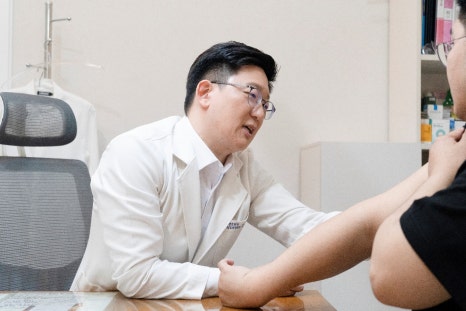
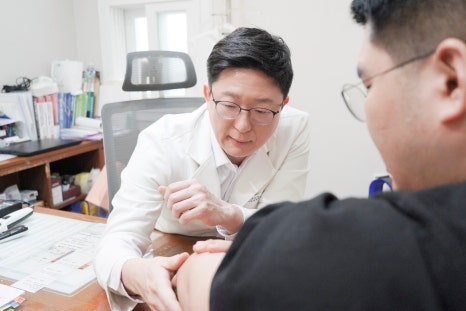
How should moisturizing and daily care be managed for atopic dermatitis?
For atopic dermatitis, stable improvement can be expected when moisturizing and daily care are managed together with ointment treatment.
First, to restore the skin barrier, you should apply a sufficient amount of moisturizer within 3 minutes after showering to prevent moisture from escaping.
Maintaining moisturization consistently 2 to 3 times a day noticeably improves the skin’s recovery ability.
Also, hot water, strong friction, frequent scrubbing, and harsh cleansing can worsen inflammation, so it is best to avoid them.
Maintaining indoor humidity, managing stress, and getting regular sleep are also important care points.


Atopic dermatitis is not a condition that ends with simple dry skin; it is a chronic disease influenced by the skin barrier, immune response, and living environment together.
Therefore, simply recognizing the early signs quickly and starting appropriate treatment can significantly reduce the frequency of worsening and recurrence.
Ointment treatment is a key step in stabilizing inflammation, and when moisturizing and lifestyle habits are managed together with it, a path toward skin stabilization can be created.
If you have any questions beyond what was shared today, please ask through the window below.
We will kindly answer them.
Thank you.
| This post was written for informational purposes in compliance with Article 56, Paragraphs 1 to 15 of the Medical Service Act. All treatments carry a risk of side effects and complications depending on the individual. Before treatment, please be sure to make a decision after sufficient consultation with experienced medical staff. |