Skin conditions often first show visible changes on the outside, so from the moment symptoms begin, they can affect both daily life and mental well-being.
In particular, conditions like vitiligo, where changes in skin color are noticeable, can extend beyond a simple skin issue and lead to social and emotional burdens.
Regarding this, Director Kim Joong-ho and Director Kim Shin-han of Gye Dermatology appeared on the JTBC program Docu Plus Q to explain the characteristics of adult vitiligo and the direction of treatment.
Today, based on the broadcast, we would like to organize the questions many people have about adult vitiligo.
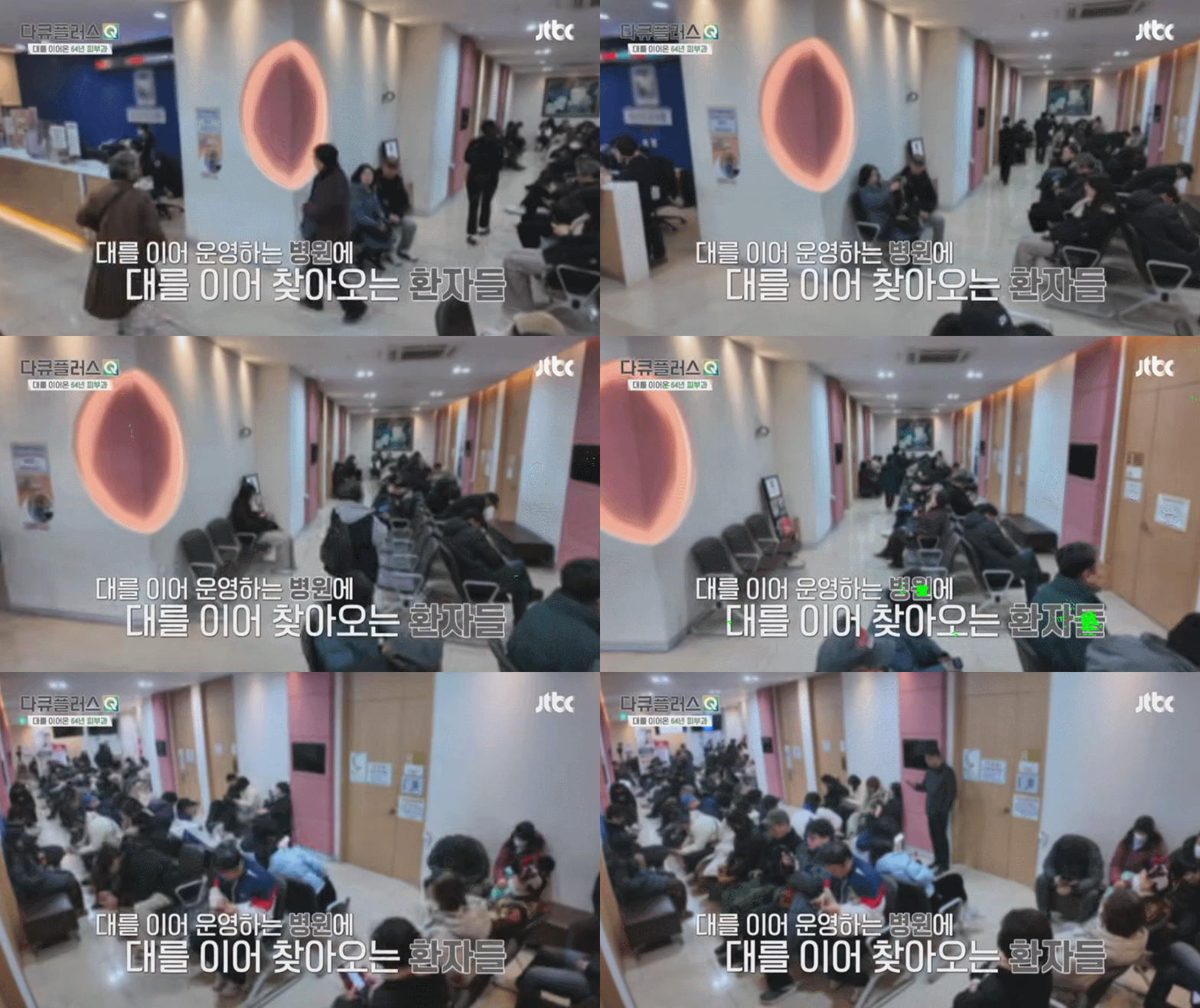
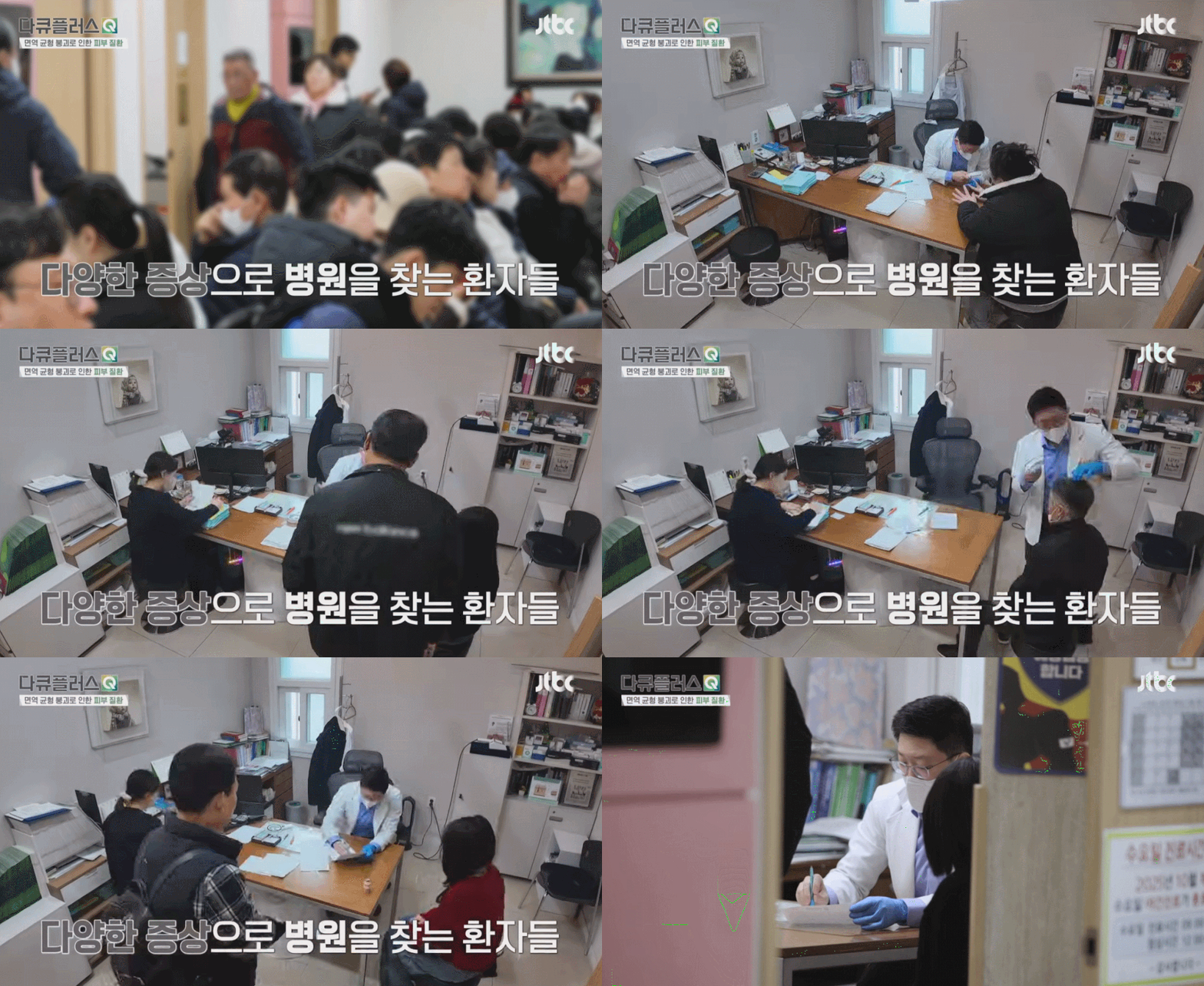
What kind of condition is vitiligo?
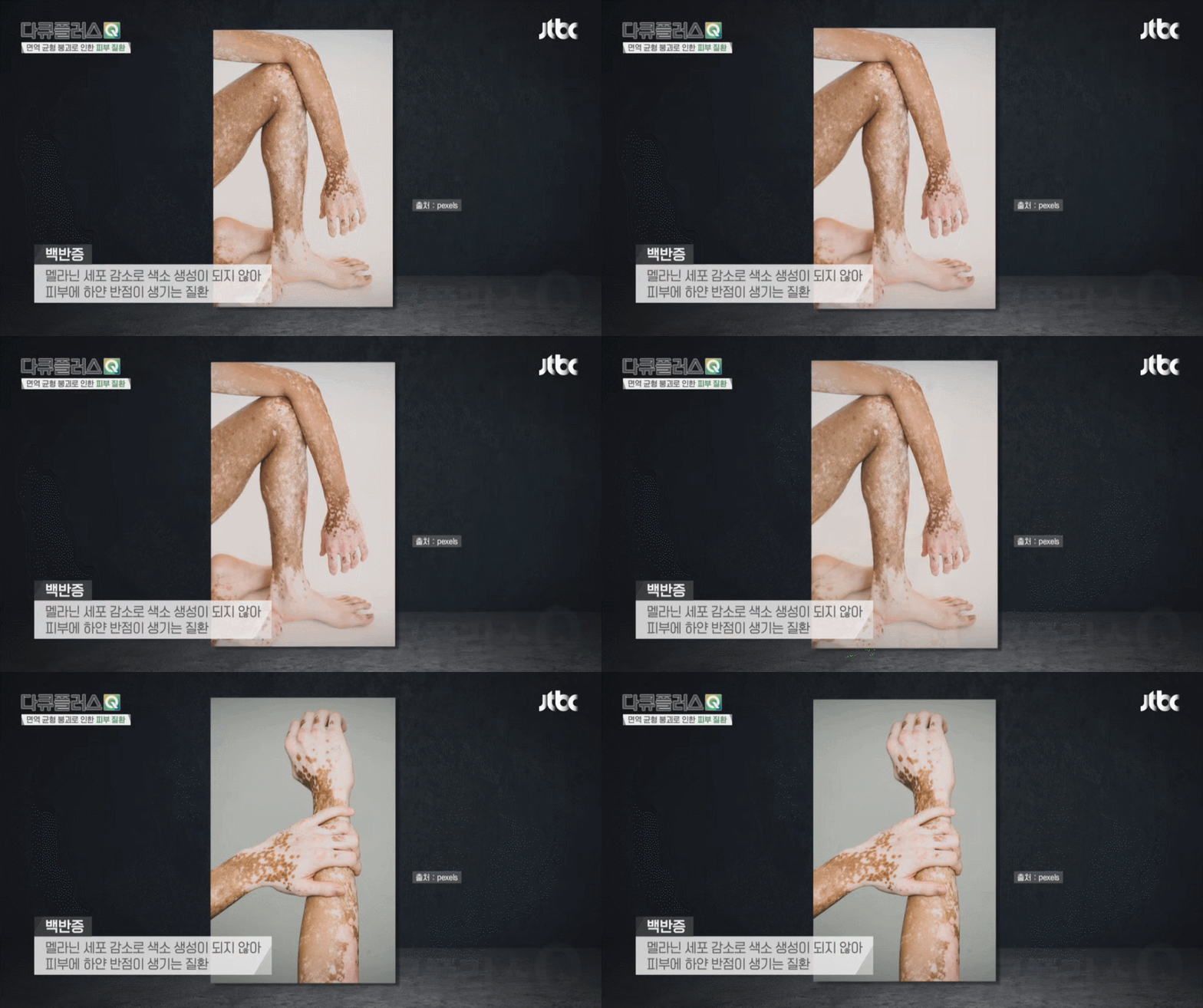
Vitiligo is a condition in which part of the skin turns white as melanocytes, which produce skin color, decrease or disappear.
It is not a contagious disease, and it is different from temporary skin changes caused by simple pigment abnormalities or external irritation.
Although it may seem like only a surface-level skin problem, it is important to understand it as a chronic skin condition related to immune responses within the skin.
In the early stages, it often starts as small white spots, and because there may be no obvious symptoms, people sometimes do not take it seriously.
However, over time, the affected area may gradually widen or the border with the surrounding skin may become more distinct.
If it occurs in exposed areas such as the face, hands, or feet, the visible change can feel even more significant and may lead to self-consciousness or psychological burden in daily life.
Why does adult vitiligo occur?
The cause of vitiligo has not yet been clearly defined as a single factor, but it is known that multiple factors act together.
In particular, the main cause is thought to be the process in which melanocytes are damaged as the balance of immune responses is disrupted.
In the case of adult vitiligo, many people feel that it “appeared suddenly,” but in reality, causes that had already been present often become visible as skin changes under the influence of lifestyle changes or physical condition.
Excessive work stress, lack of sleep, and changes in daily routines can also trigger symptoms.
For this reason, it is necessary to look at not only when the symptoms appeared, but also the living environment and physical condition beforehand.
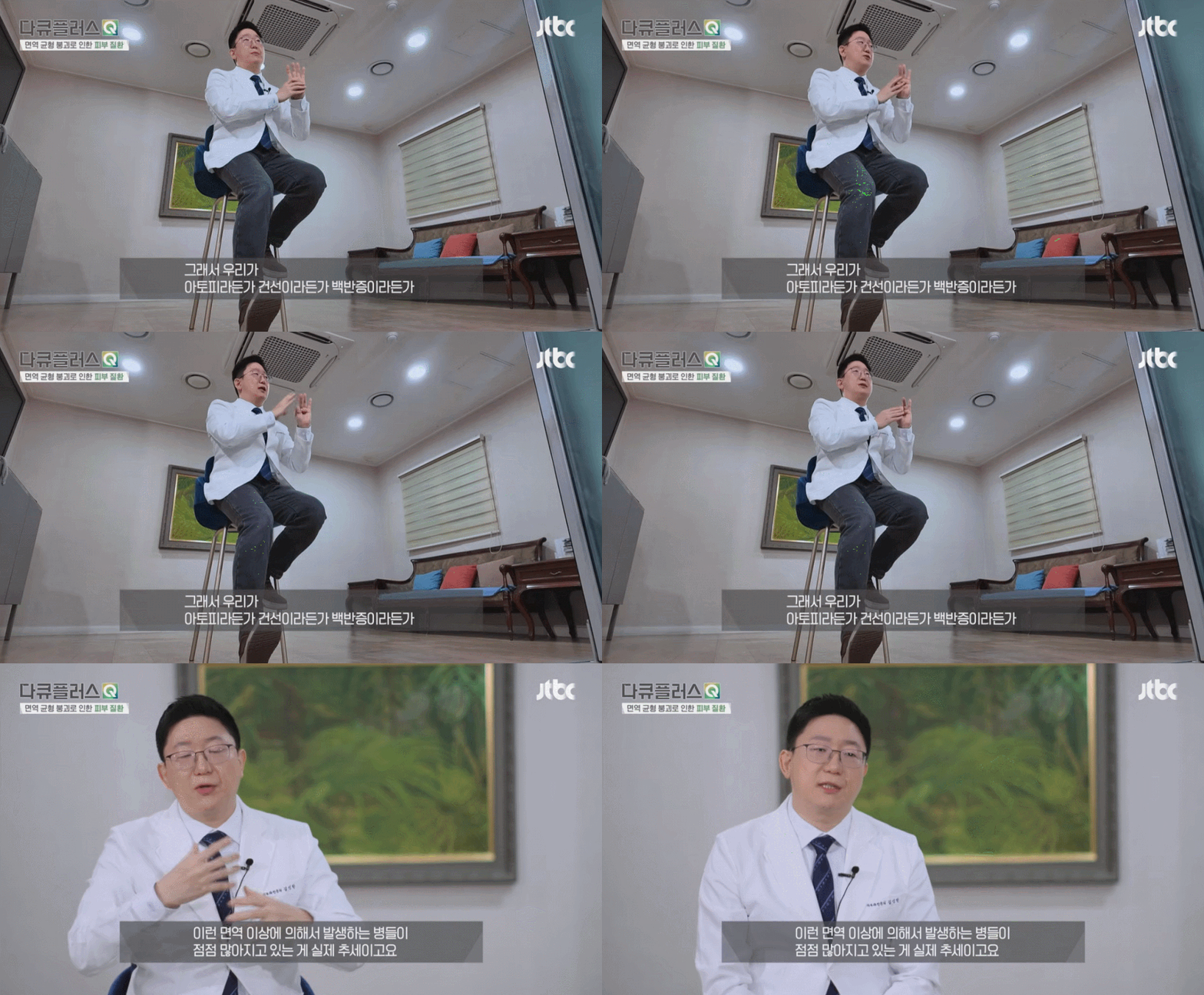
How is adult vitiligo treated?
In adult vitiligo treatment, the important thing is to examine the current skin condition in detail and then take a step-by-step approach.
The treatment direction is determined by comprehensively considering the location and extent of the lesions, the speed of progression, and any previous treatment history.
That is why, rather than applying the same treatment to all patients, treatment tailored to each person's skin condition is needed.
In general, topical treatment, light therapy, and treatments that regulate immune responses may be used together depending on the condition, and visible changes during the treatment process may feel slow.
Above all, consistency and continuity of treatment are important. If treatment is stopped arbitrarily midway, the speed of skin recovery may slow down or treatment satisfaction may decrease.
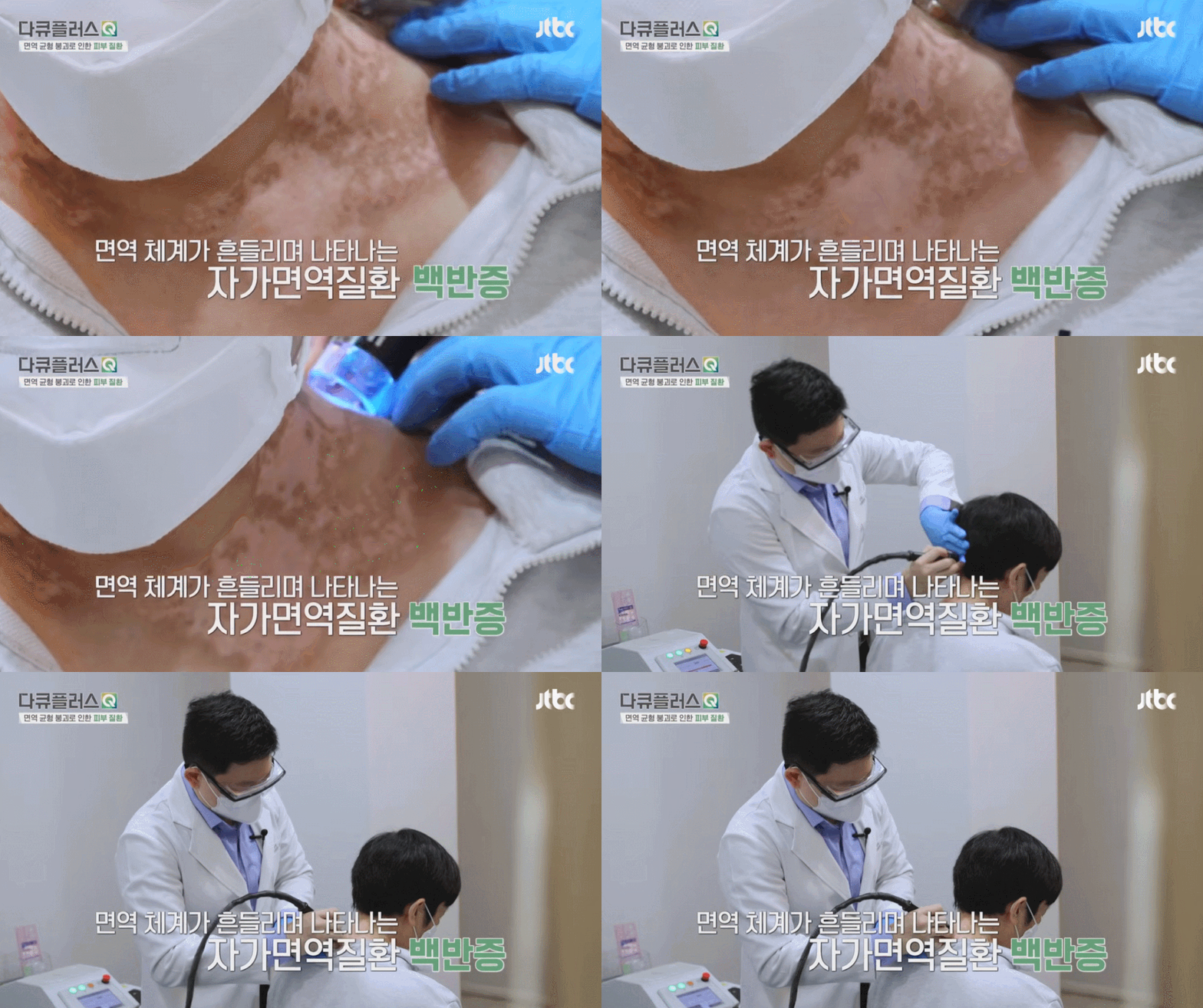
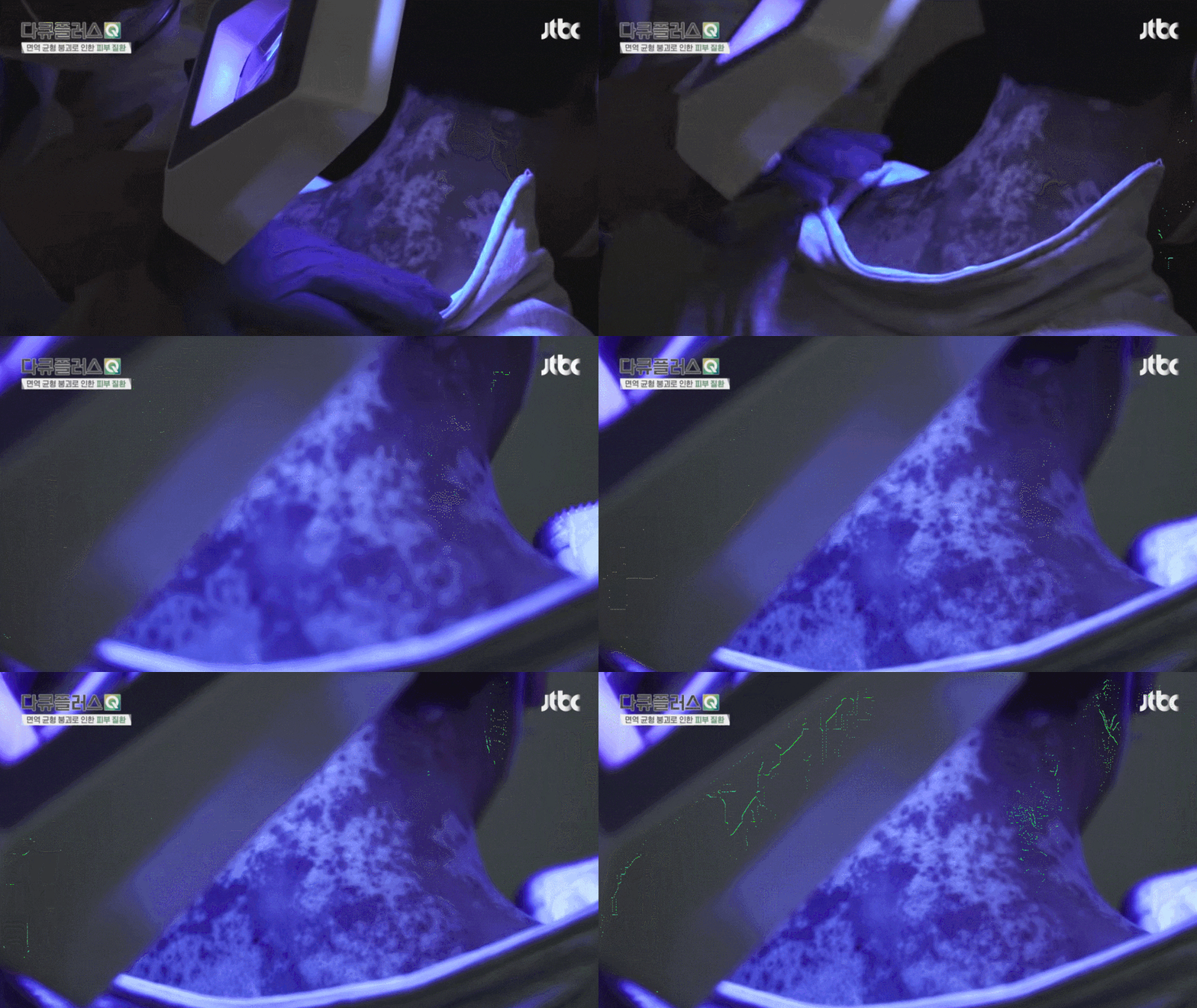
Is lifestyle management also necessary for adult vitiligo?
Vitiligo is a condition in which daily management is very important along with treatment.
Avoiding excessive sun exposure and being careful not to repeatedly rub or injure the skin can also help reduce worsening of symptoms.
In addition, maintaining overall immune balance through sufficient rest and sleep may have a positive effect on the treatment process, and such lifestyle management can help support the expected effects.
On the other hand, folk remedies or stimulating care methods passed along online or by people around you may seem to improve symptoms temporarily, but in reality they often worsen symptoms, so caution is needed.
Therefore, if you have symptoms or notice changes, it is advisable to confirm your current condition through consultation with a specialist rather than judging on your own, and to find a care approach that is appropriate for your skin.
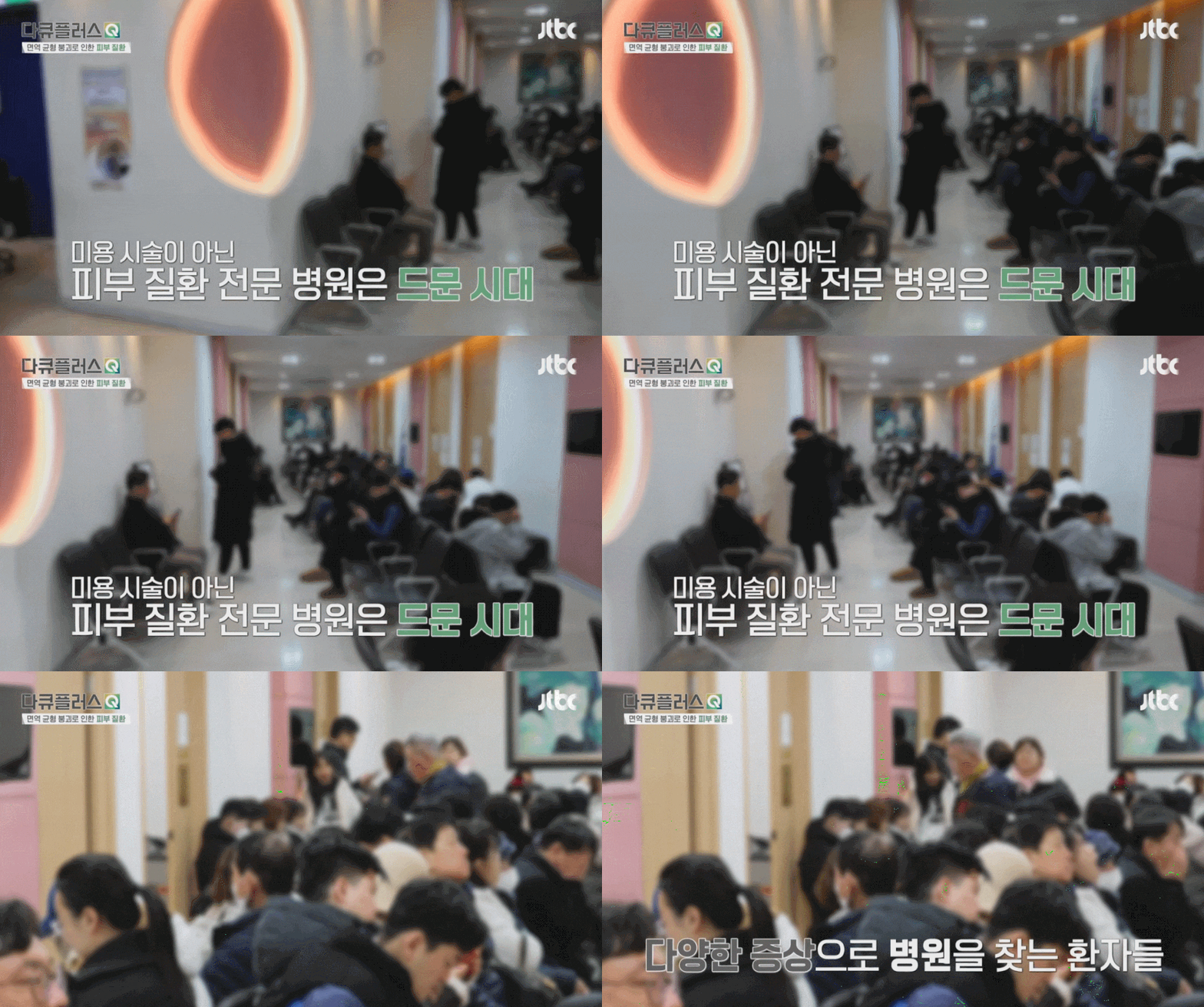
Vitiligo is a chronic skin condition that should be viewed over the long term, with changes in the skin observed together rather than judging the results in a short period.
Rather than hastily judging treatment effectiveness based only on visible color changes, it is important to calmly observe the current condition and its progress.
Gye Dermatology treats a variety of chronic skin conditions, including vitiligo, atopic dermatitis, psoriasis, and acne, and provides treatment that considers each patient's skin condition and living environment together.
We place importance not only on the visible appearance of symptoms, but also on the background of the condition and factors that worsen it.
If you are concerned about treatment direction or management methods because of adult vitiligo, we recommend approaching it through 충분한 consultation with a specialist rather than making a decision on your own.
Understanding your skin condition properly can be the first step in treatment.
Thank you for reading to the end.
| This post was written for informational purposes in compliance with Article 56, Paragraph 1 to 15 of the Medical Service Act. All treatments carry a risk of side effects and complications depending on the individual. Before treatment, please be sure to have a thorough consultation with a medical professional with extensive experience before making your decision. |