Psoriasis is a chronic inflammatory skin condition in which the skin becomes red and scales repeatedly form, but most people think of it as simple dryness or flaking and leave it untreated.
If treatment is not started early, it may also be accompanied by various symptoms such as itching, stinging, and worsening when fatigue builds up.
Because symptoms can recur depending on changes in the surrounding environment or daily habits, it is important to identify them early and establish an appropriate treatment direction.
Today, for those considering psoriasis treatment or struggling with psoriasis symptoms, I will explain the representative symptoms of psoriasis, inflammation treatment methods, and lifestyle management points to help reduce recurrence.
-Shindorim Station Dermatology column order-
-
Psoriasis: What symptoms appear?
-
Important points in psoriasis inflammation treatment
-
Lifestyle management points to reduce recurrence

Psoriasis: What symptoms appear?
Psoriasis may begin with slight dryness or roughness of the skin.
It is often difficult to distinguish from simple dryness, so most people tend to overlook it in the early stages.
However, as the symptoms gradually progress, the skin changes into red patches, and thick white scales appear on top of them.
At this time, the skin surface may look uneven, or the scales may easily come off when scratched.
It usually appears in areas where friction occurs often, such as the elbows, the backs of the knees, the scalp, and around the waist, and the symptoms may appear more pronounced during times of fatigue or stress.
Unlike simple dry skin, psoriasis appears in this way, and if the symptoms recur or gradually spread, more systematic medical care may be needed.

Important points in psoriasis inflammation treatment
Psoriasis treatment is not a short-term management that can be resolved all at once, but rather requires a continuous approach to stabilize the inflammatory response and normalize the skin regeneration cycle.
In the beginning, inflammation should be suppressed through local skin treatment and ointment treatment.
Ointments can help calm inflammation on the skin surface and control the excessive production of new scales.
However, rather than setting a treatment direction based only on the condition of the skin, it is necessary to comprehensively consider each patient's lifestyle, skin type, and severity of symptoms.
For example, if psoriasis becomes severe, the skin thickens and scales build up easily, which can cause inflammation to recur more frequently, so it is important to adjust the intensity of treatment through regular examinations.
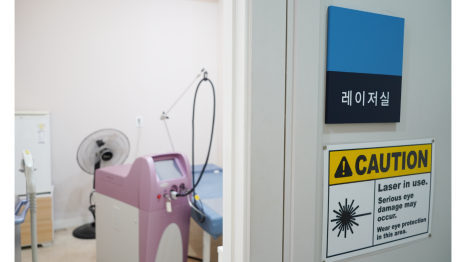
Depending on the situation, phototherapy or systemic medication treatment may be combined, and these treatments can be expected to directly control inflammatory reactions beneath the skin.
During the treatment process, noticeable improvement may appear gradually, so rather than making a hasty judgment based only on short-term changes, it is necessary to continue treatment consistently.
Lifestyle management points to reduce recurrence
Psoriasis is not a condition that ends with treatment alone; daily management habits play an important role in reducing recurrence.
First, reducing skin irritation is very important.
Scratching with fingernails or wearing clothes that cause a lot of friction can damage the skin barrier and worsen the inflammatory response.
Therefore, when washing the face or showering, it is better to avoid rough towels and use a gentle cleanser and lukewarm water.
Second, it is helpful to develop the habit of applying moisturizer within 3 minutes after showering to protect the skin barrier.
This is a management point that helps compensate for the skin's tendency to dry out easily in psoriasis lesions.
In addition, UV management is also important.
Excessive sunlight can worsen inflammation, so it is necessary to make a habit of using sunscreen carefully.
Daily routines are also closely linked to symptoms.
Sleep deprivation, stress, and accumulated fatigue can disrupt immune balance and make psoriasis easier to worsen, so it is important to maintain sufficient sleep and rest, along with regular daily habits.
In particular, stress can make psoriasis symptoms more sensitive, so appropriate stress management and rest are needed.
Exercise, hobbies, and muscle relaxation can help maintain balance in both body and mind.
Along with this, checking the skin condition regularly to monitor treatment progress and adjusting the treatment plan according to the situation is a great help in preventing recurrence.
Psoriasis is not simply a matter of dry skin or flaking, but a chronic skin condition in which inflammation inside the skin is repeatedly activated.
In particular, even after symptoms have improved once, they can recur depending on irritation in daily life or changes in immune status, so the most stable course can be expected when treatment and management are carried out together.
I hope the information about psoriasis shared today was helpful for those who are struggling with psoriasis symptoms.
Thank you for reading to the end.
| This post was written for informational purposes in compliance with Article 56, Paragraphs 1 through 15 of the Medical Service Act. All treatments carry the risk of side effects and complications depending on the individual. Before treatment, please be sure to have a thorough consultation with experienced medical staff before making a decision. |