When your skin feels tight and itchy repeatedly, many people first think of one cause: “dryness.”
As the seasons change or during times like these when indoor heating is on, skin can easily become rough and itchy, so many people dismiss it as a temporary issue.
In particular, if the itching gets worse after showering or at night and then improves again, people may judge it to be a problem caused simply by a lack of moisture.
However, if these symptoms continue or appear repeatedly in the same area, it is worth taking a closer look at your skin condition.
That is because atopic dermatitis is not just a symptom caused by dry skin, but a chronic skin disease in which weakened skin barrier function and immune responses work together.
In the early stages, it often begins with symptoms similar to simple skin dryness, making it difficult to distinguish between the two, but the course afterward can differ greatly depending on how it is managed.
In today’s column, I will explain how atopic dermatitis symptoms differ from simple skin dryness and why treatment and management are needed together.
-Column outline from Yeouido-dong Dermatology Clinic-
-
What is the difference between simple skin dryness and atopic dermatitis?
-
Why do atopic dermatitis symptoms keep recurring?
-
Why do atopic dermatitis treatment and management need to go together?
What is the difference between simple skin dryness and atopic dermatitis?
Skin dryness refers to a condition in which moisture on the skin’s surface becomes temporarily insufficient.
In such cases, symptoms tend to improve relatively quickly if you provide enough moisture and the environment improves.
Atopic dermatitis, on the other hand, often involves a weakened skin barrier itself.
As the skin fails to properly block external irritants, symptoms such as itching, redness, and roughness recur repeatedly.
Early symptoms of atopic dermatitis often appear as skin that becomes easily dry, with tightness or itching returning soon even after applying moisturizer.
In particular, symptoms may recur in areas with thin, sensitive skin such as the inner elbows, behind the knees, the neck, and around the face.
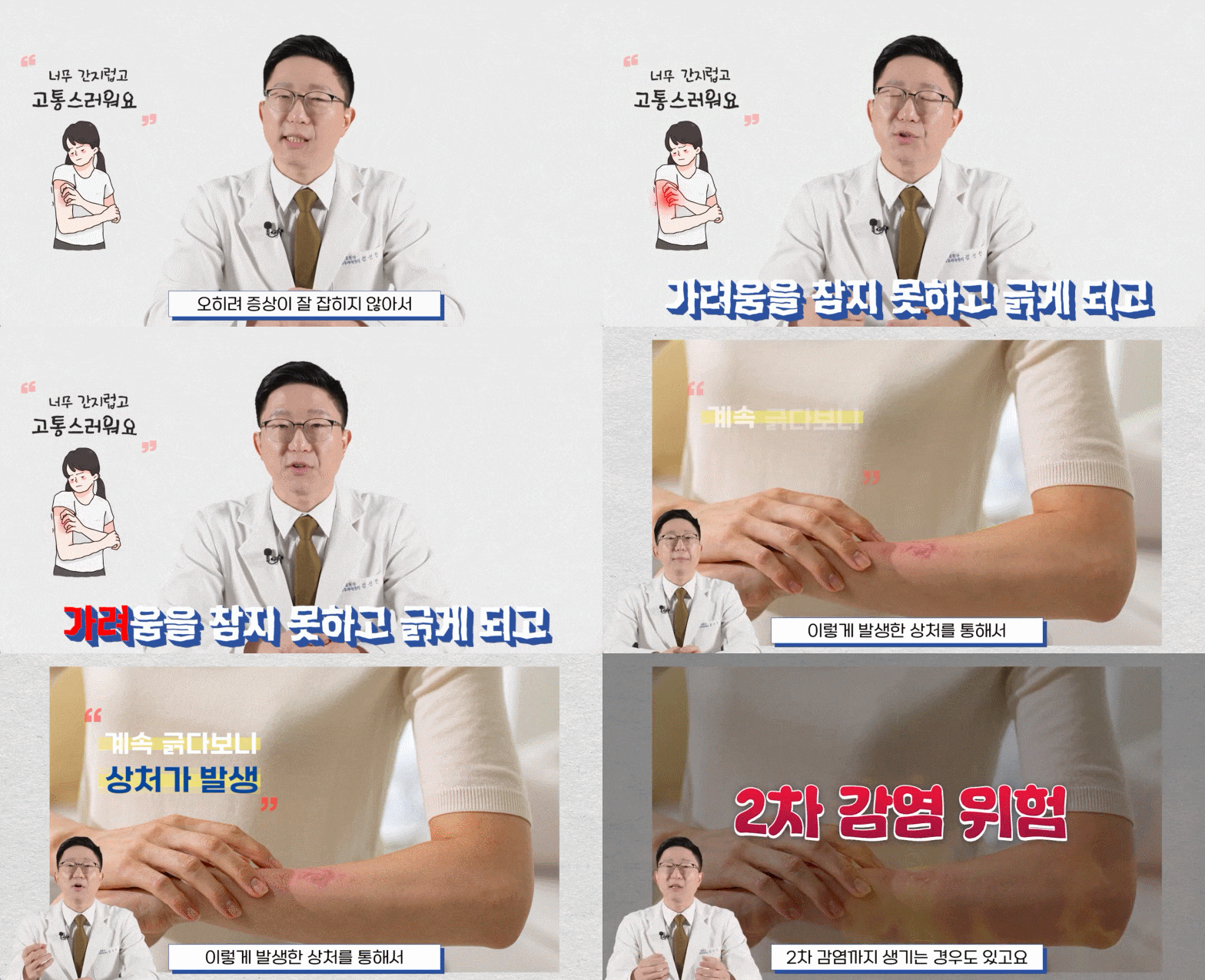
Also, unlike simple dryness, which does not worsen much unless you scratch it, atopic dermatitis often involves persistent itching that leads to unconscious scratching, which can further damage the skin.
This is one of the important differences between the two conditions.

Why do atopic dermatitis symptoms keep recurring?
Atopic dermatitis is not just a problem on the skin’s surface; it is a condition caused by weakened skin barrier function together with abnormal immune responses.
Because of this, symptoms often improve and then worsen again repeatedly.
When the skin barrier weakens, moisture escapes easily, and external irritants or allergens can enter the skin more easily.
During this process, immune responses may become overactive, and inflammatory reactions can recur.
Also, stress, lack of sleep, dry indoor air, and frequent friction on the skin are common factors that worsen atopic dermatitis symptoms.
When these factors continue to repeat in everyday life, symptoms may ease for a while and then return again.
It is especially common for itching to worsen at night, because changes in body temperature, increased skin blood flow, and a dry environment all act together.
As a result, sleep quality may decline, and the immune balance may be disrupted again, creating a vicious cycle that worsens symptoms.
Atopic dermatitis,
Why do treatment and management need to go together?
The important point in treating atopic dermatitis is not simply to reduce itching temporarily, but to approach it in a way that restores the skin barrier and stabilizes inflammatory responses.
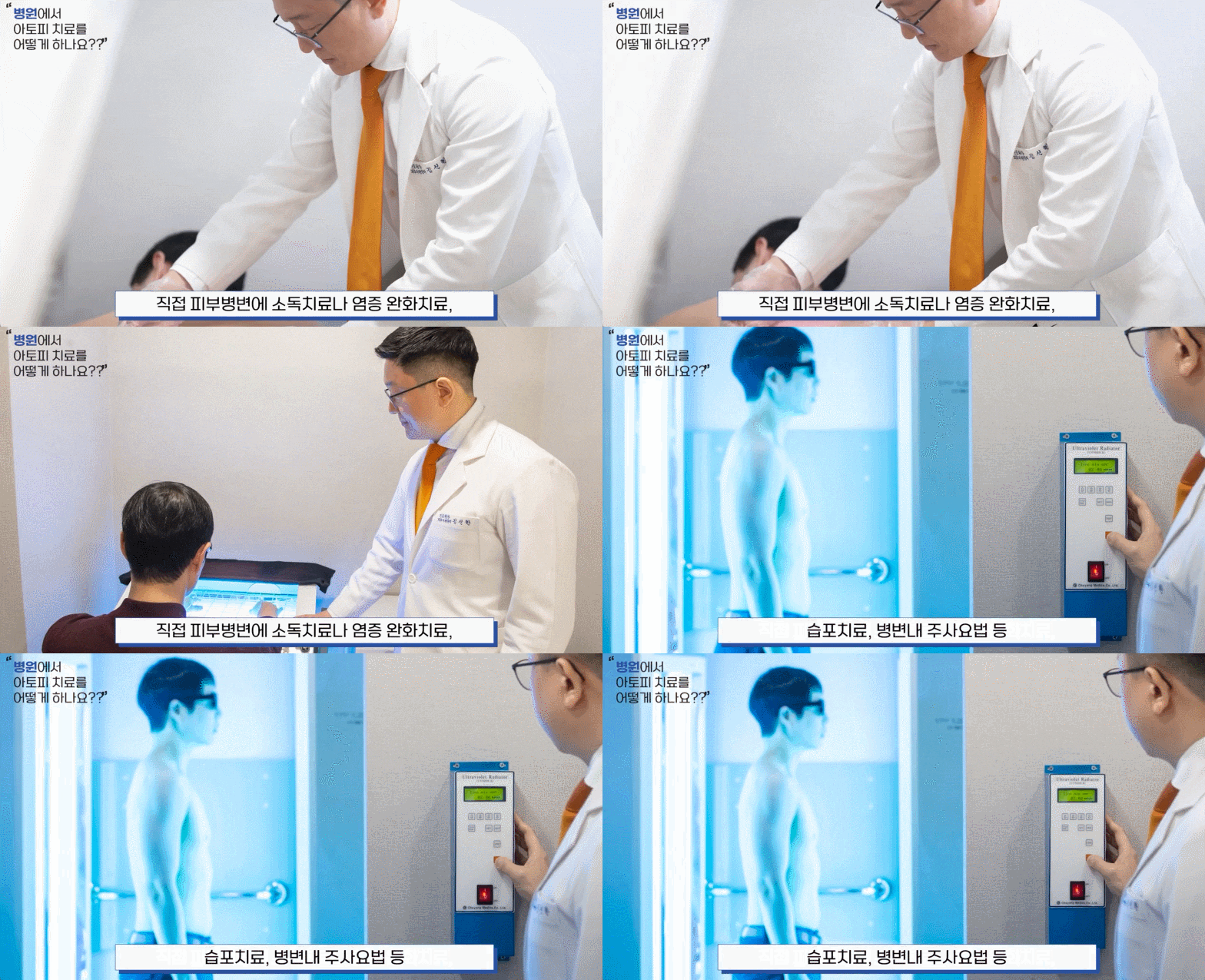
Ointment treatment plays an important role in calming inflammation within the skin, but if daily irritants continue, symptoms may recur.
That is why atopic dermatitis is a condition that requires consistent management alongside treatment.
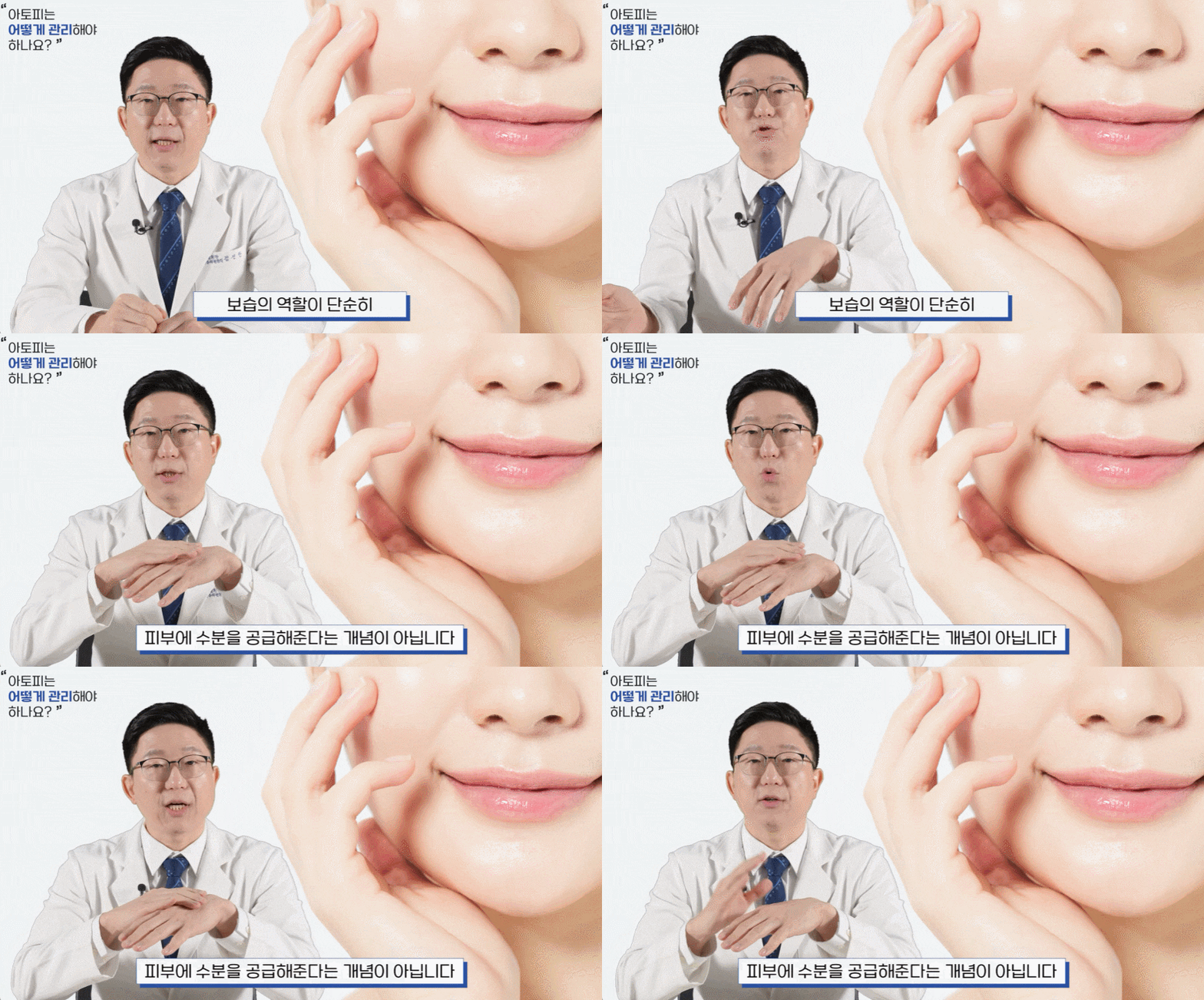
Skin moisturizing is a basic care method for protecting a weakened skin barrier, and it is best to minimize irritants such as hot showers, strong friction, and the habit of scratching.
In addition, maintaining appropriate indoor humidity and getting enough sleep and rest can also help maintain overall immune balance.
Depending on the symptoms and skin condition, it is important to establish an appropriate treatment plan through a professional diagnosis, and stopping treatment on your own or trying unverified methods may instead worsen symptoms, so caution is needed.
Atopic dermatitis is a chronic skin disease that differs from simple dry skin because weakened skin barrier function and abnormal immune responses work together.
In the early stages, it may look similar to dryness, but if symptoms recur and the itching does not easily subside, it is difficult to view it as simple dryness alone.
Accurately understanding the skin condition early and setting a treatment and management plan appropriate for the symptoms can help reduce later worsening and the frequency of recurrence.
I hope today’s information was helpful to those who are struggling with atopic dermatitis symptoms.
Thank you.
| This post was written for informational purposes in compliance with Article 56, Paragraphs 1–15 of the Medical Service Act. All treatments carry the risk of side effects and complications depending on the individual. Before treatment, please be sure to have a thorough consultation with experienced medical staff before making a decision. |