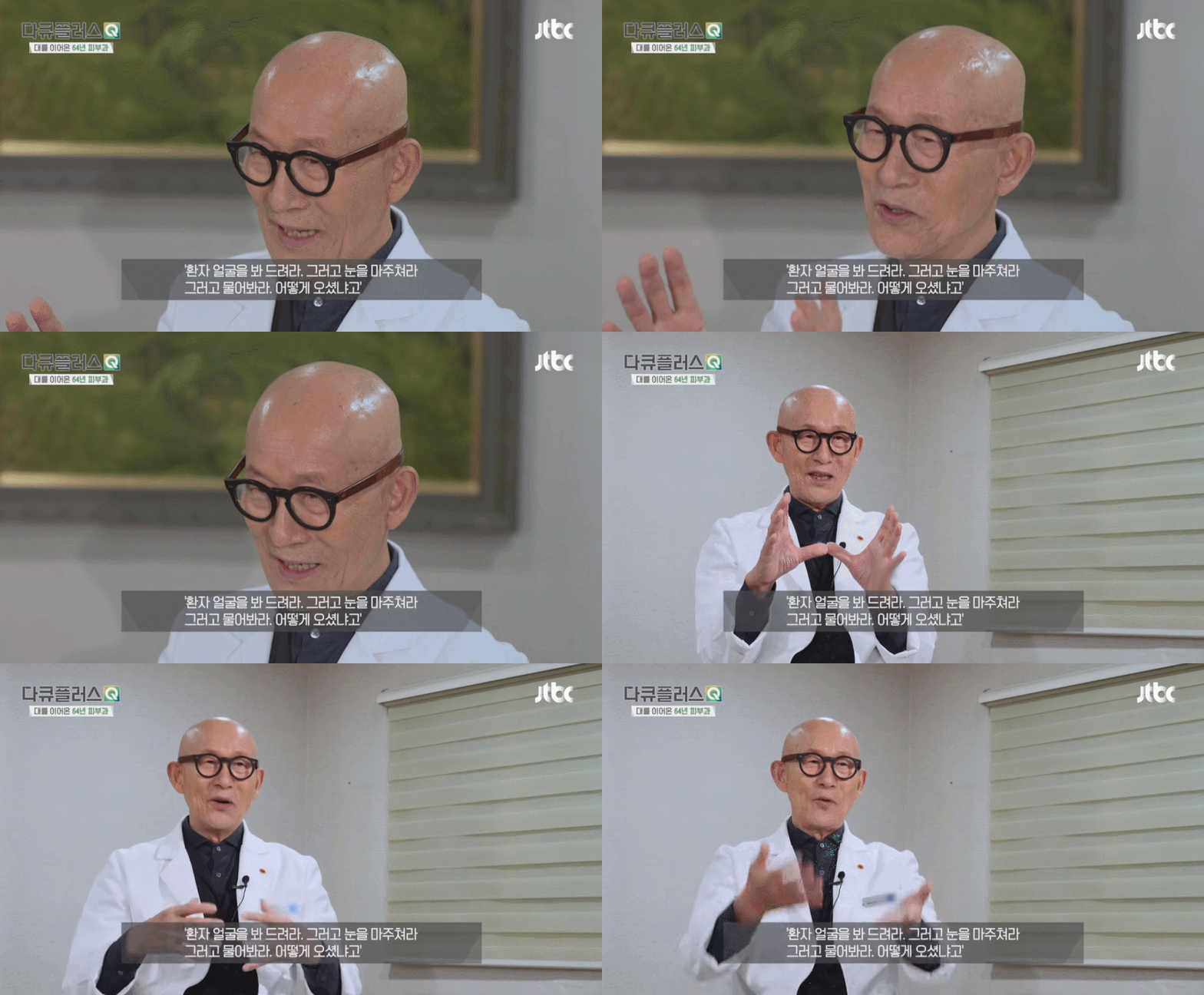
Since opening in 1961, Gae Dermatology has continued providing skin care in one place for more than 60 years. It has long valued care that looks at skin problems not simply as outward symptoms, but by examining the entire process and structure of how the skin has changed.
Whether it is a skin condition or skin aging, rather than judging only by the symptoms that appear, understanding how the skin has changed up to that point can lead to more stable treatment and care.
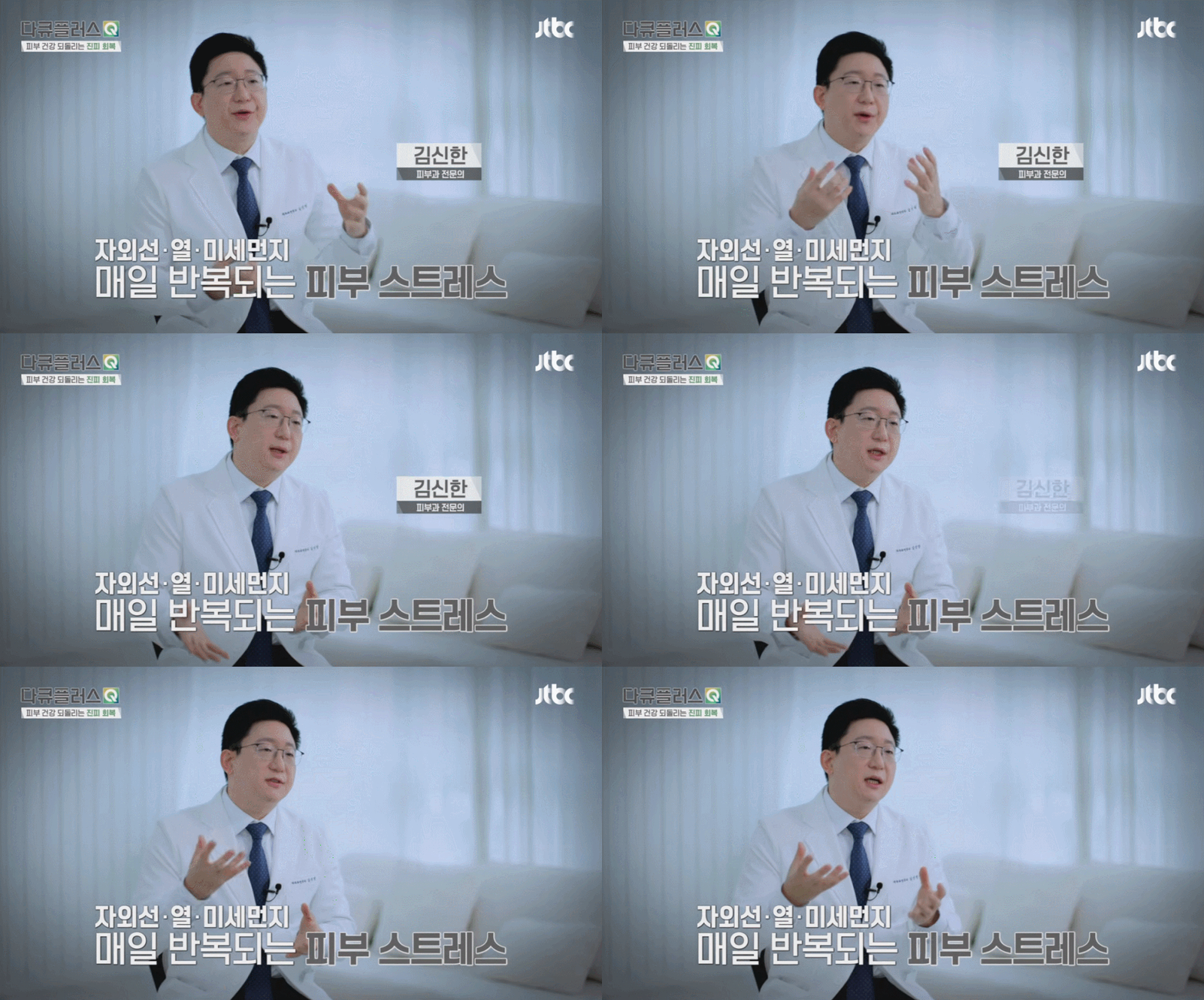
Based on this treatment philosophy, Director Kim Shin-han of Gae Dermatology recently appeared on JTBC Docu Plus Q to talk about changes in the skin dermis and collagen, as well as the perspective from which skin health should be viewed.
Today, based on the broadcast, I’d like to explain how Gae Dermatology looks at and treats the skin, and why it places importance on understanding skin structure.
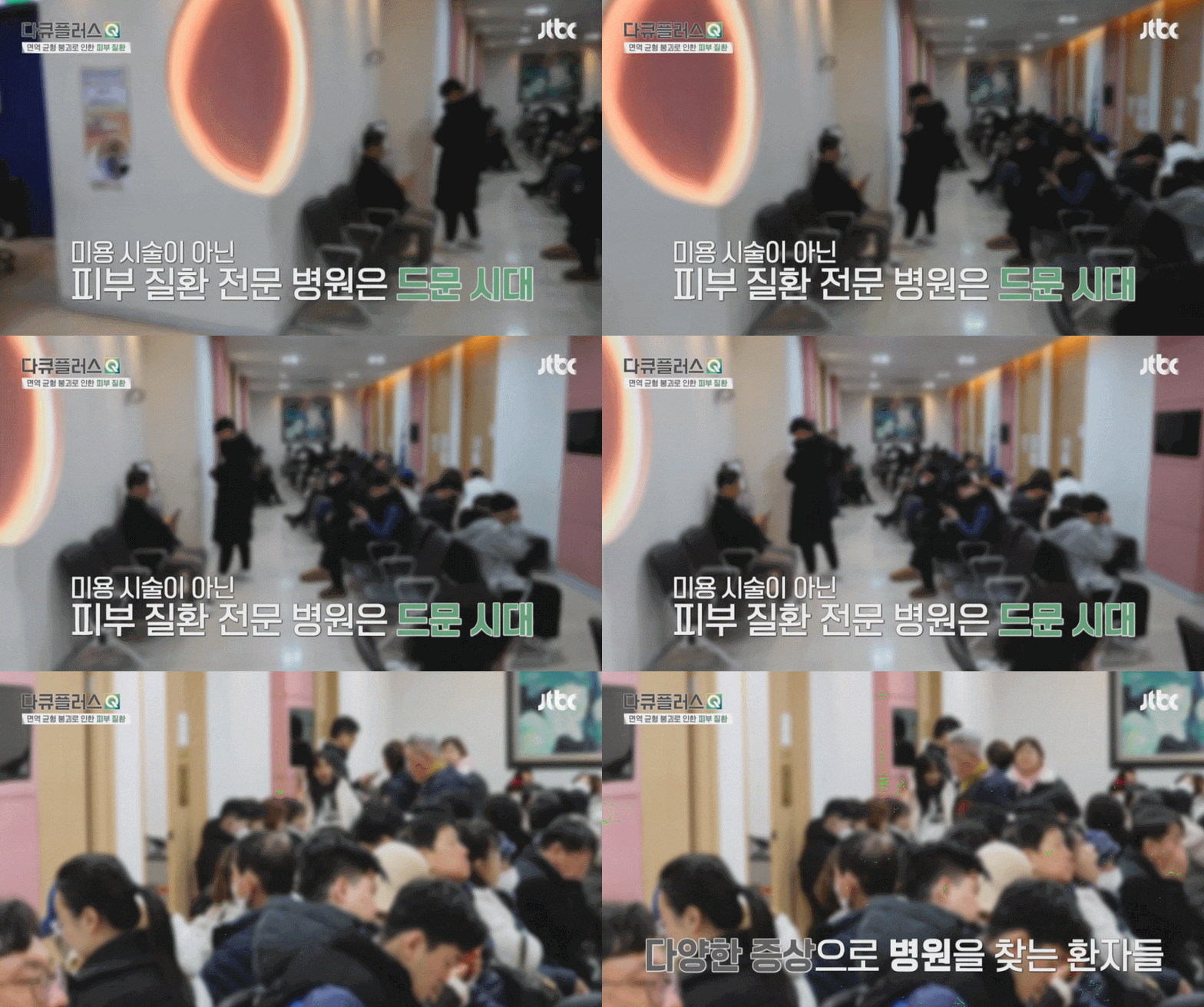
The 기준 Gae Dermatology Uses to View the Skin
When we meet many patients in the clinic,
we often hear concerns such as:
"I don’t know why my skin doesn’t feel like it used to"
"Even when I take care of it, it doesn’t last long"
At times like these, Gae Dermatology does not judge only by the symptoms currently visible, but also looks at the process through which the skin reached its present condition.
Skin does not change overnight.
In most cases, lifestyle habits, environmental changes, age, and repeated irritation accumulate over time and lead to the skin condition we see now.
That is why Gae Dermatology has placed importance on creating an environment in which the skin can maintain itself, rather than seeking short-term improvement—in other words, care that understands skin structure.
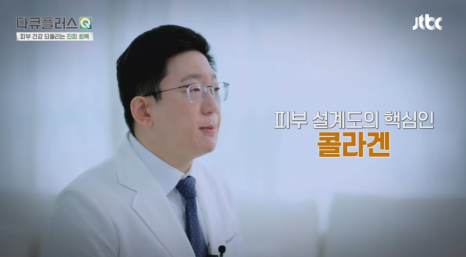
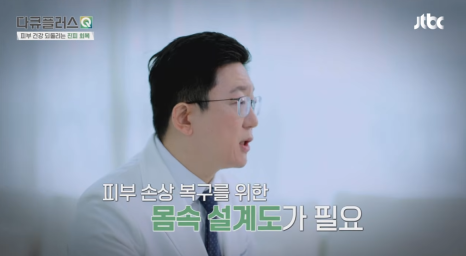
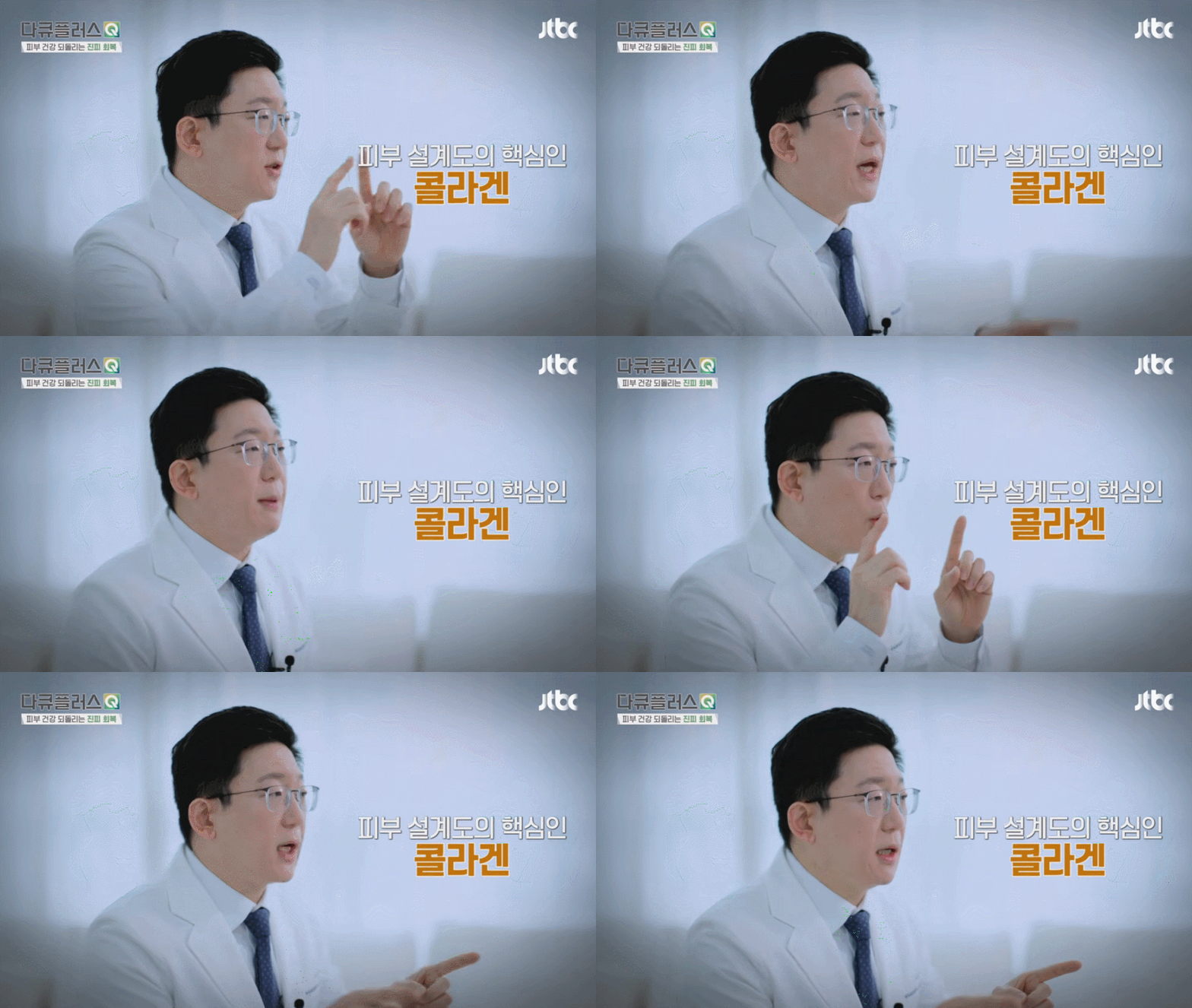
Understanding the Structure and Changes Inside the Skin Is Important
The JTBC Docu Plus Q broadcast was also a segment focused on the 기준 and direction for viewing skin health.
In the broadcast, Director Kim Shin-han emphasized that rather than making hasty judgments based only on visible changes on the skin’s surface, it is important to understand the structure inside the skin and the flow of changes.
This is because skin aging and skin changes are often not problems that begin suddenly one day, but results that appear on the surface as the internal structure of the skin gradually changes.
So the message conveyed through the broadcast was simple.
"Skin conditions differ from person to person, and the approach must differ accordingly."
The 'Process' at the Center of Gae Dermatology’s Care
At the center of Gae Dermatology’s care is always the 기준 of process.
The symptoms currently appearing
when they started,
what caused them to worsen,
what changes occurred in daily life,
looking at these symptoms together is an important clue in setting the direction of treatment.
That is why Gae Dermatology places importance on the process of understanding the skin condition through sufficient consultation.
This way of thinking is applied equally not only to chronic skin conditions such as atopic dermatitis, vitiligo, psoriasis, and acne, but also to skin aging care.
Skin problems are often cases where treatment and care need to be carried out over time, rather than resolved in a short period.
For that reason, we at Gae Dermatology believe it is important to look closely at each patient’s skin condition and offer a realistic direction.
Skin health is an important factor that affects not only appearance, but also daily life and confidence.
If you are concerned about your current skin condition, rather than judging it on your own, it may be helpful to calmly examine the condition and think through the direction together.
Gae Dermatology will continue to provide reliable skin information based on many years of clinical experience.
Thank you for reading to the end.
| This post was written for informational purposes in compliance with Article 56, Paragraphs 1–15 of the Medical Service Act. All treatments carry the risk of side effects and complications depending on the individual. Before treatment, please be sure to have a thorough consultation with experienced medical professionals before making a decision. |