When people think of skin aging, the first thing that often comes to mind is deeper wrinkles or sagging skin.
Changes noticed in the mirror are also usually seen first on the skin’s surface, so it is easy to accept aging as something visible.
But in reality, changes that have already been progressing beneath the skin often determine the direction of aging before anything appears on the outside.
This is because the feeling that the skin has become thinner and less elastic often begins with changes in the internal structure of the skin rather than on the surface.
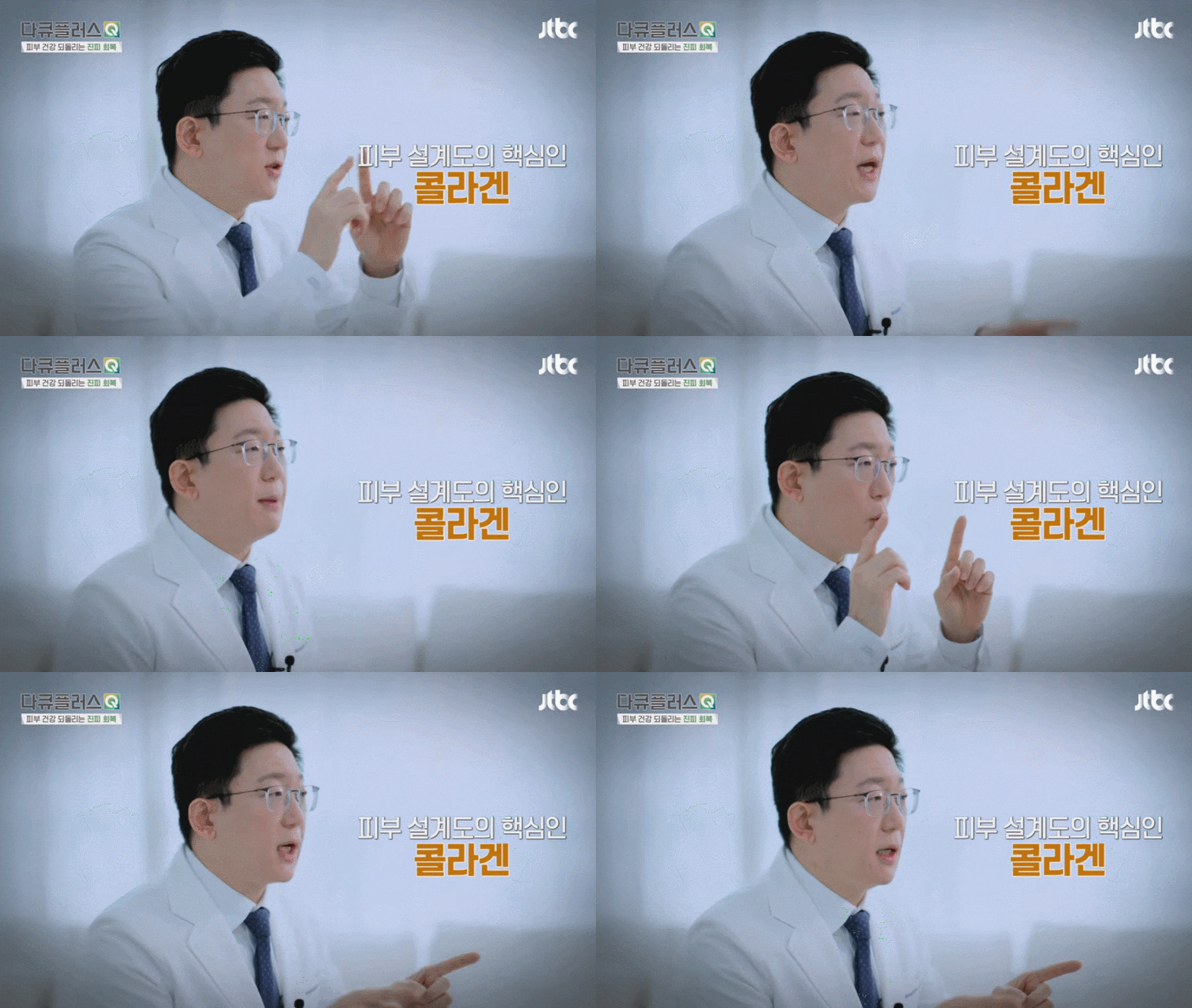
In connection with this, Dr. Kim Shin-han of Gae Dermatology appeared on JTBC’s Docu Plus Q and explained that skin aging is not simply a change in appearance, but is closely linked to changes in the skin’s internal structure.
Today, based on the broadcast content, we will explain the changes beneath the skin that should be looked at even before the visible signs of aging.

Why does skin aging begin beneath the skin?
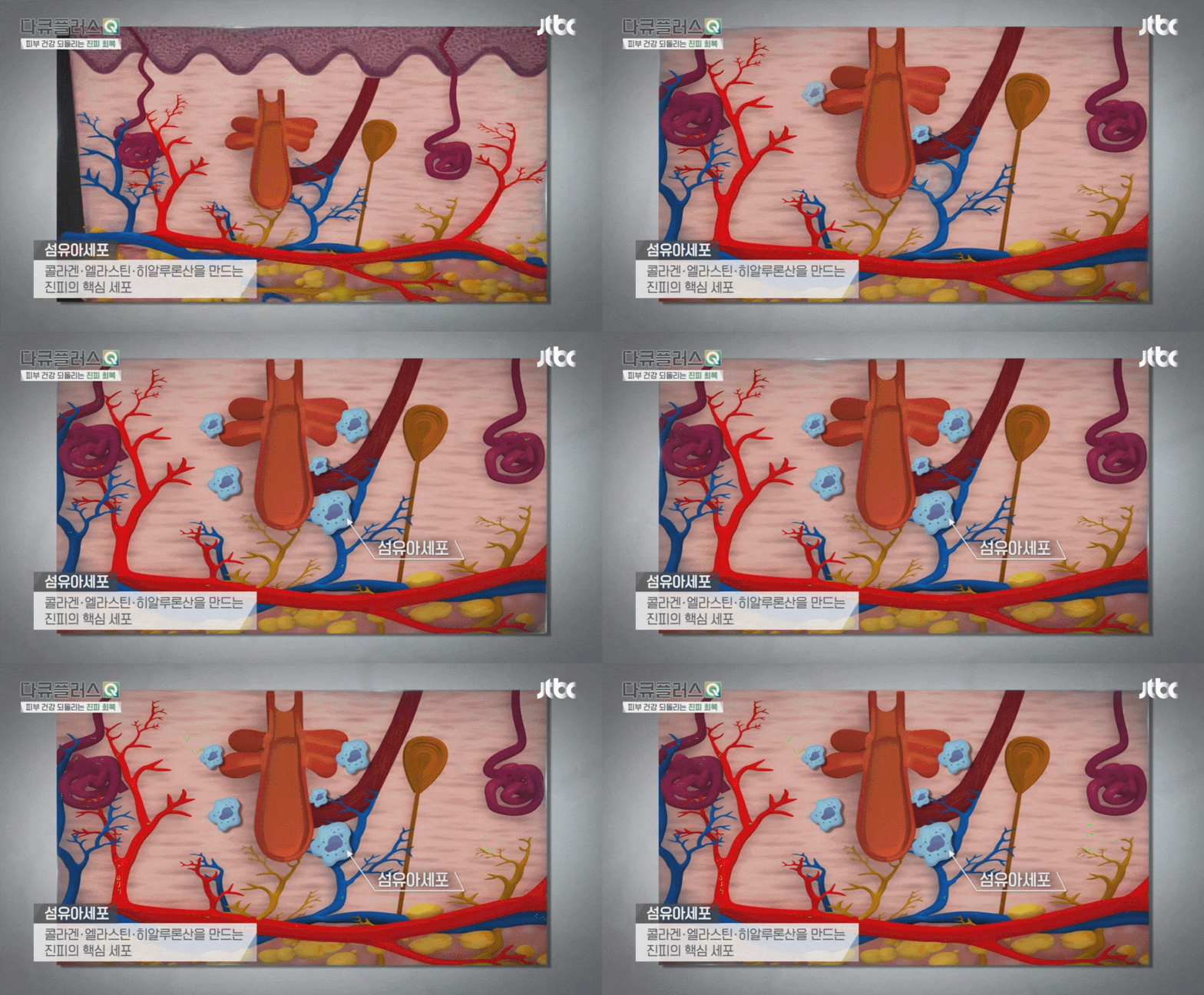
The skin is broadly divided into the epidermis and the dermis, and among them, the dermis serves as the central structure that supports the skin.
The dermis contains structural components such as collagen and elastin, which help the skin maintain its elasticity and prevent it from collapsing easily under external stimuli.
However, over time, this structure gradually changes.
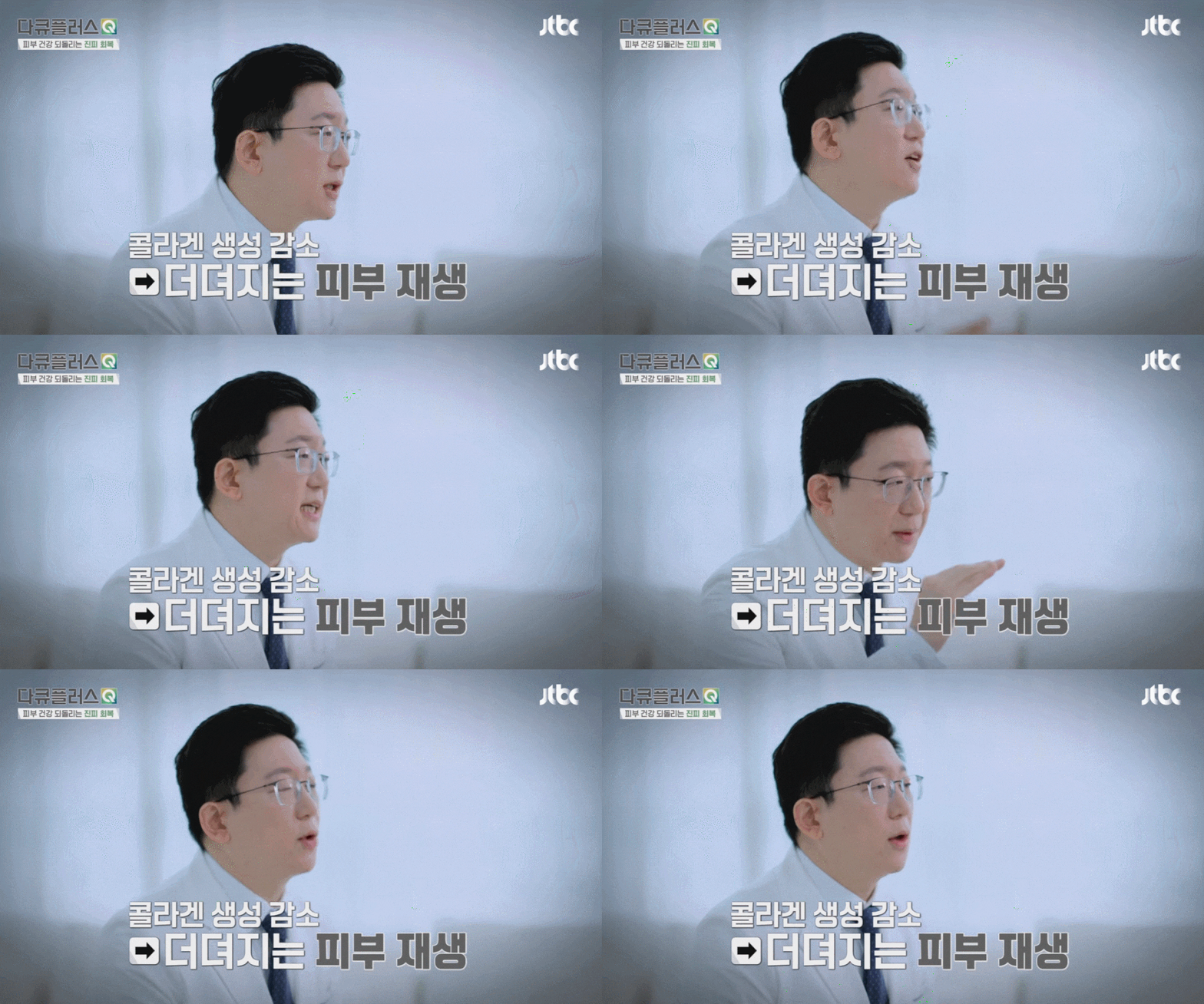
The rate of collagen production slowly decreases, and existing collagen is not maintained, causing the skin to lose the firm support it once had.
This process often does not appear as a dramatic change, but is instead gradually felt as the skin becomes easier to sag or recovers more slowly.
In other words, wrinkles or decreased skin elasticity are closer to the result of changes that have already progressed beneath the skin than to the beginning of aging itself.

The effects of collagen loss on the skin
Collagen, a key element of the dermis, plays the role of pillars that tightly support the skin.
When collagen is sufficient, the skin maintains its ability to stretch and return to its original state, but once it begins to decrease, the skin is more easily pressed down and its ability to regain elasticity also weakens.
As a result, the following changes may appear.
-
Fine lines form easily and become deeper
-
The skin feels thinner
-
Pores appear more prominent than before
-
The skin becomes drier and more sensitive to irritation
In particular, collagen loss can also be linked to reduced moisture retention in the skin.
When the skin’s ability to hold moisture weakens, it becomes more easily affected by changes in the external environment, and the skin condition may feel inconsistent.
In this way, collagen loss is not simply a matter of one wrinkle, but a change that affects the overall balance and stability of the skin.



Why understanding changes beneath the skin is important
When managing skin aging, approaching it based only on visible changes often makes it difficult to achieve the level of satisfaction you hoped for.
Rather than focusing only on improving appearance, it is important to also examine the condition of the environment that allows the skin to maintain and restore its own structure.
When the dermis is stable, you can expect skin that is not easily overwhelmed by small stimuli, but can maintain its ability to recover.
That is why, in skin aging care, it is necessary to calmly observe how the skin’s internal structure is being maintained rather than focusing only on short-term changes.
As emphasized on the broadcast, the skin is an organ in which changes accumulate over time rather than changing all at once.
That is why understanding changes beneath the skin and accurately knowing the current condition of the skin can be the starting point for care.
Skin aging is far more varied than can be explained only by visible wrinkles or sagging.
This is because changes that have already begun in the dermis often appear on the outside over time.
Therefore, when looking at skin aging, it is necessary to examine not only the appearance you see now, but also what changes are taking place beneath it.
Through JTBC’s Docu Plus Q, Dr. Kim Shin-han of Gae Dermatology explained that it is important to understand skin aging not simply as a problem of appearance, but as a change in the overall structure of the skin.
We hope the information shared today was helpful for those of you who are concerned about skin aging, collagen, and changes beneath the skin.
Thank you.
| This post was written for informational purposes in compliance with Article 56, Paragraphs 1–15 of the Medical Service Act. All treatments carry the risk of side effects and complications depending on the individual. Before treatment, please be sure to have a thorough consultation with medical professionals who have extensive experience before making a decision. |