During puberty, skin changes become noticeably more frequent, and many people experience repeated breakouts that previously did not seem like a major concern.
Especially in areas with high sebum production, such as the forehead, nose, and chin, small pimples may start and then develop into inflammatory lesions, or they may seem to improve only to flare up again, which can deepen concerns.
Teen acne is often caused not simply by a lack of skin care, but by a combination of hormonal changes, increased sebum production, and changes in the pore environment during the growth process.
So rather than viewing it as a temporary skin issue and leaving it alone, it may be helpful to look at the current skin condition and the pattern of acne together.
In particular, if these symptoms keep recurring or inflammation happens often, it can be difficult to manage with simple extraction or home care alone, so it may be necessary to establish a care approach suited to the skin condition.
-
Why does teen acne keep recurring?
-
What lifestyle factors make puberty acne more likely to worsen?
-
Why is care still important after acne treatment?
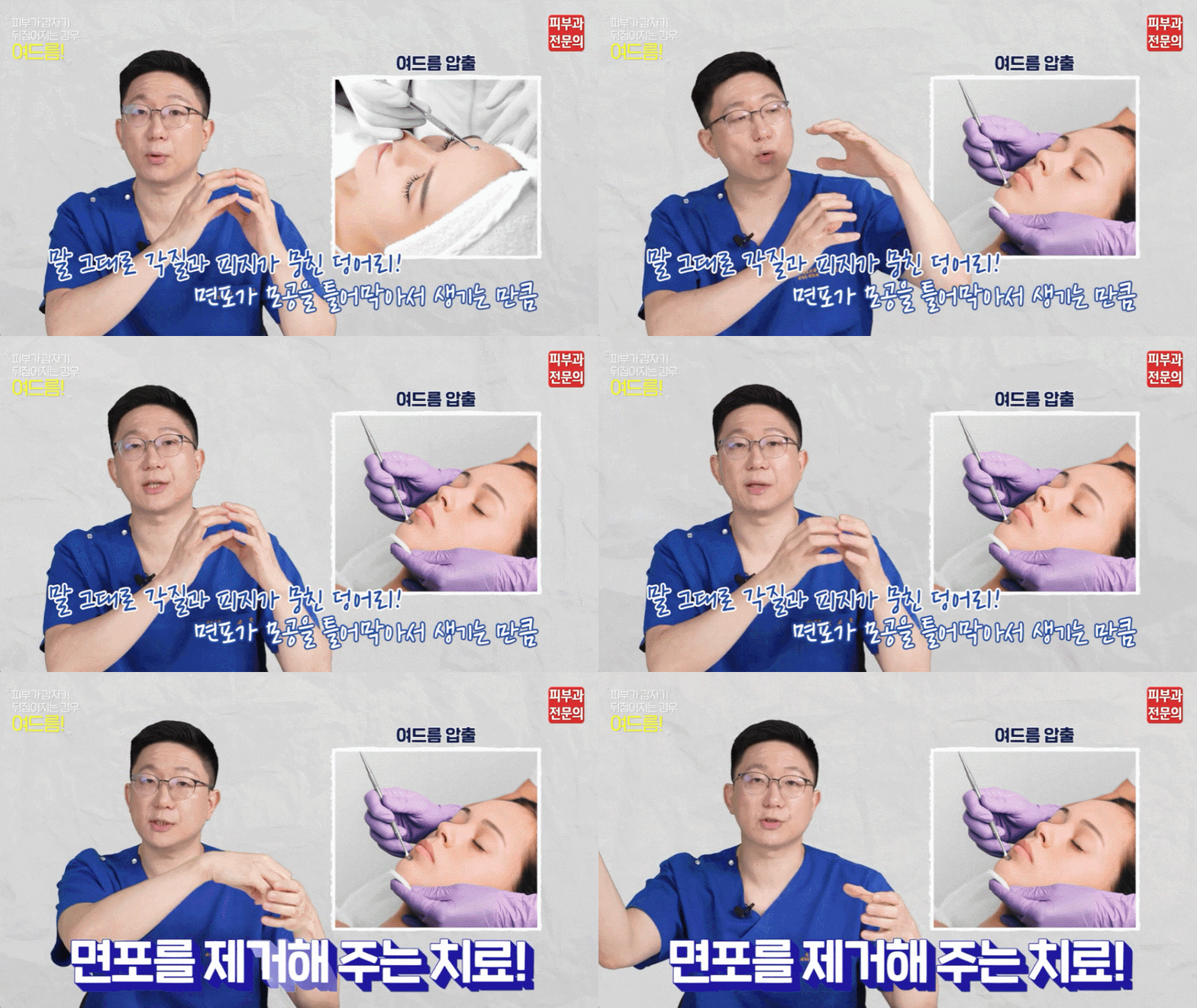
Why does teen acne keep recurring?
Puberty acne often begins as hormonal changes increase sebum production.
When sebum increases, pores become more easily clogged, and dead skin cells build up, creating an environment where acne can form more easily.
If this continues, inflammatory reactions can occur within the skin, leading to red acne or pus-filled lesions.
Even if the acne appears to have calmed down, if the pore environment has not been sufficiently stabilized, new breakouts can keep occurring again and again.
Also, during adolescence, skin turnover tends to be active, so sebum and dead skin cells can accumulate quickly, and if care is lacking or irritation repeats, acne may easily recur.
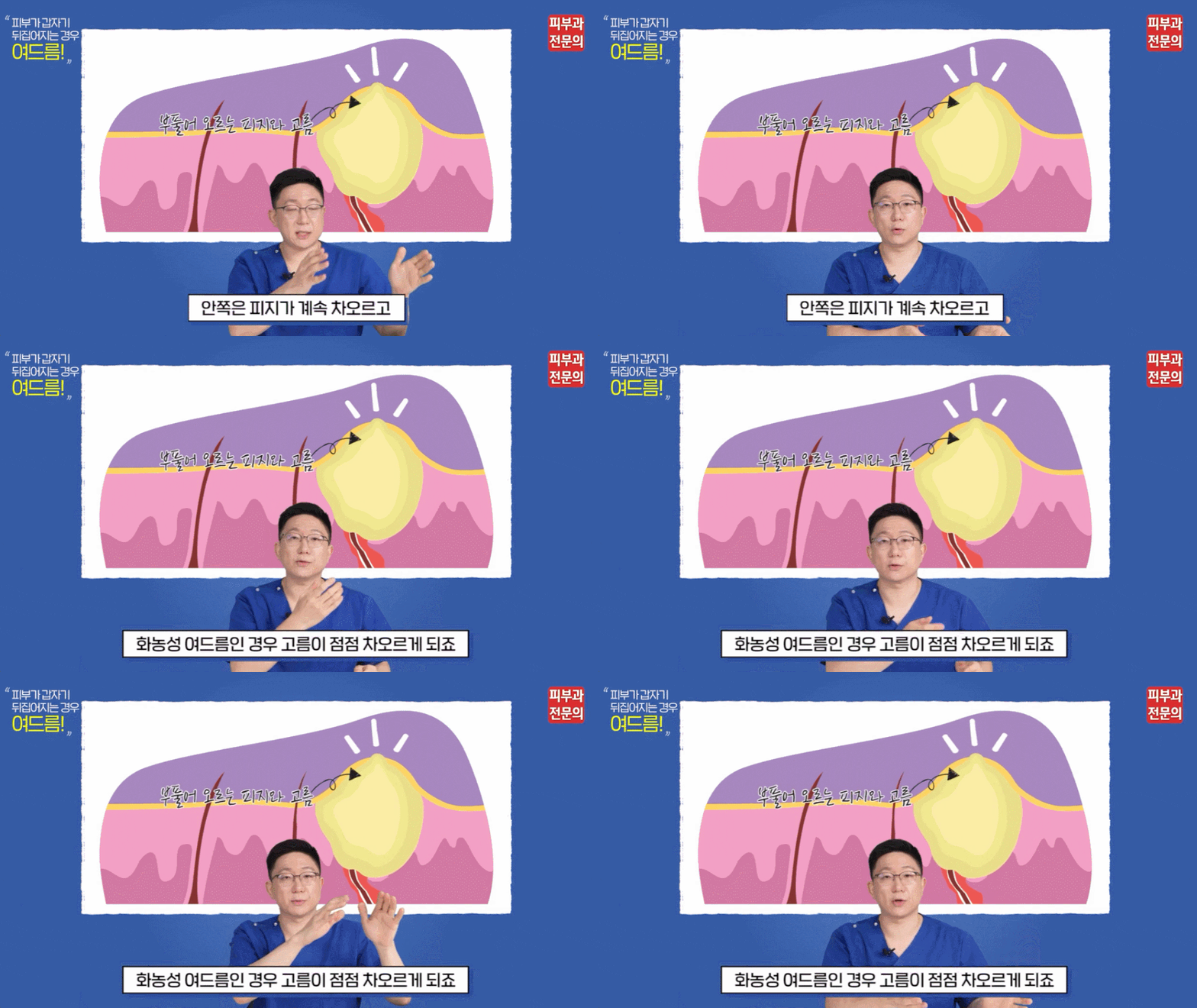
What lifestyle factors make
puberty acne more likely to worsen?
Teen acne is often influenced not only by changes in the skin itself, but also by everyday environmental factors.
When lack of sleep or stress continues, sebum production may increase or inflammatory skin reactions may appear more easily.
In addition, overly frequent cleansing, squeezing, the habit of touching the face with your hands, and changes in cosmetic use can also irritate the skin and worsen acne.
In particular, sweat and sebum remaining on the skin for a long time after exercise, or an environment where mask wearing increases friction and humidity, can also affect breakouts.
In this way, puberty acne often does not result from a single cause, but from several overlapping factors, so an approach that looks at both skin condition and lifestyle habits may be helpful.
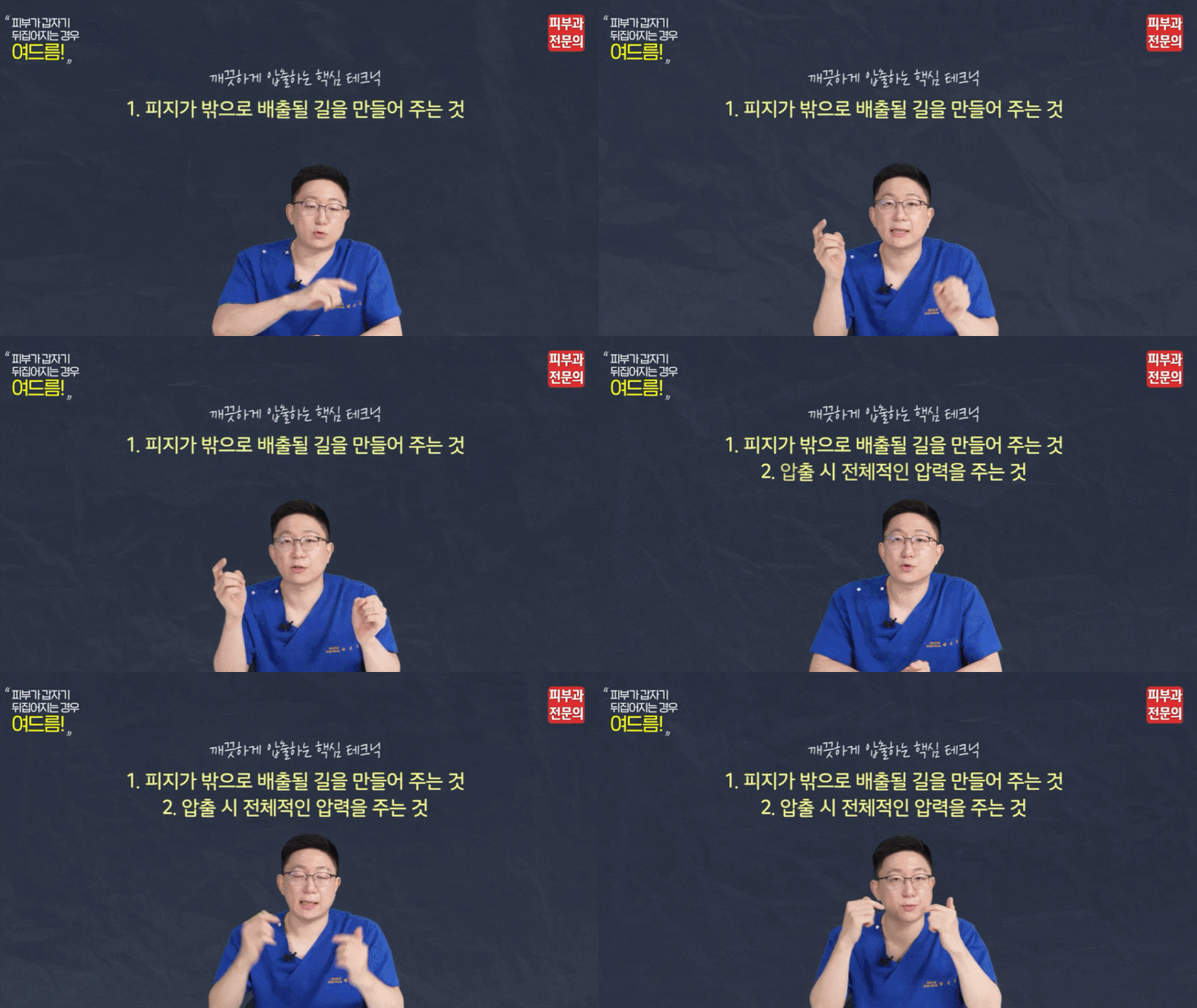
Why is care still important
after acne treatment?
Even if inflammation improves through acne treatment, breakouts often return if the skin environment has not been stabilized.
In particular, during periods of active sebum production, pore care and skin barrier care should also be carried out after treatment to help maintain a more stable condition.
After treatment, it is important to reduce skin irritation, avoid excessive cleansing or squeezing, and continue moisturizing and sebum-control care suited to the skin type.
Also, if inflammation keeps recurring, it may lead to scars or pigment changes, so it may be helpful to set a care direction before the symptoms worsen.
Because acne often goes through a gradual process of becoming stable as the skin environment changes, treatment and ongoing care can be important together.
Teen acne is a skin change that can naturally appear during growth, but if symptoms recur or inflammation is frequent, the skin condition needs to be examined more carefully.
Not only reducing visible breakouts, but also maintaining a stable pore environment and skin barrier through care can help reduce repeated acne.
In particular, if acne improves and then appears again, rather than dismissing it as a temporary skin issue, it may be helpful to check both the current skin condition and the living environment.
I hope today’s information was helpful in understanding the direction of care for those who are worried about puberty acne.
Thank you.
| This post was written for informational purposes in compliance with Article 56, Paragraphs 1 to 15 of the Medical Service Act. All treatments carry a risk of side effects and complications depending on the individual. Before treatment, please be sure to make a sufficient consultation with a medical professional with extensive experience before making a decision. |