Skin tone is often maintained relatively consistently, so even a small color change can draw more attention than expected.
Especially if a certain area looks lighter than the surrounding skin, or if the color difference is noticeable only under photos or lighting, you may end up wondering whether it is simply a change in skin condition or the beginning of another skin issue.
In the early stage, there is usually little to no pain or itching, so it is easy to brush it off as, “Has my skin gotten a little lighter?” However, if the color change in the same area continues or the affected area gradually expands, it is worth considering a change in skin pigmentation function.
Vitiligo is not usually a condition that progresses suddenly; rather, it often appears gradually as small changes continue, which is why understanding the early stage properly is important when planning treatment.
Today, I will explain the early changes in vitiligo and what points are good to look at together when considering treatment.
-Column outline from Nodul Station Dermatology-
- What skin changes appear in the early stage of vitiligo?
- What should be checked when determining whether symptoms are progressing?
- What should be considered when planning vitiligo treatment?
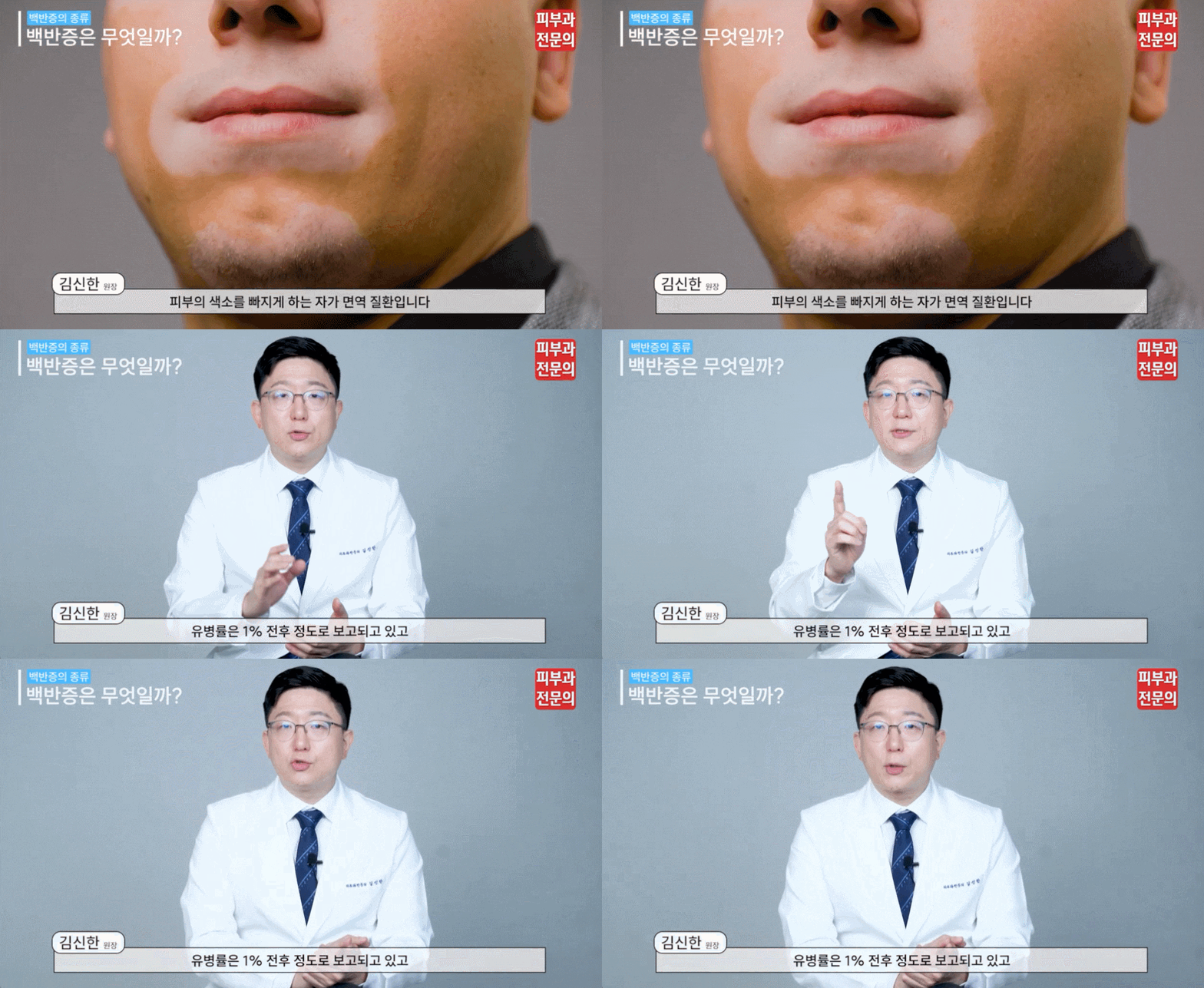
What skin changes appear
in the early stage of vitiligo?
Vitiligo often begins not as a clearly visible white patch, but as an area where the skin tone looks lighter than the surrounding skin.
Sometimes the color difference is noticeable only under lighting or sunlight, and in some cases it is discovered because the skin looks brighter after makeup or washing the face.
Because there is little to no change in the surface texture of the skin, it is easy to think it is dryness or temporary depigmentation. However, if a color difference repeatedly appears in the same location, there is a strong possibility that melanin function is changing.
In particular, it often appears first in areas that are frequently exposed to irritation and friction, such as the face, hands, elbows, and knees, so changes in these areas should be observed carefully.



What should be checked
when determining whether symptoms are progressing?
Vitiligo progresses differently in speed and pattern from person to person.
In some cases, it may remain unchanged for a long period, while in others the affected area may expand over a short period of time.
When checking whether symptoms are progressing, it can be helpful to look at the following together:
- whether the skin borders have become clearer recently,
- whether the color difference in the same area is becoming more distinct,
- whether similar changes are appearing in new areas,
It is also necessary to check the living environment and factors that irritate the skin, as changes may appear first in areas where friction or irritation is repeated.
These factors can be important clues for deciding when to begin treatment and for understanding the current condition of the skin.

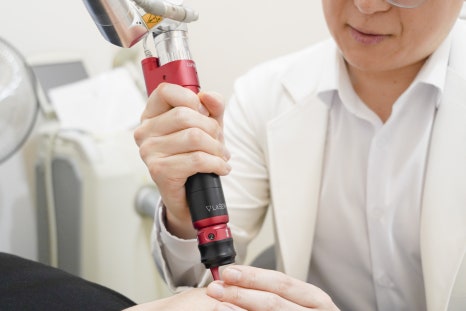
What should be considered
when planning vitiligo treatment?
When treating vitiligo, it is important to approach it in a way that creates an environment where skin pigmentation function can recover stably, rather than expecting only short-term changes.
Depending on the location, extent, and whether the condition is progressing, various methods such as topical treatment or light therapy may be considered, and treatment should be selected according to the individual skin condition.
Also, during treatment, changes often appear slowly, so maintaining consistent treatment is important.
If treatment is stopped arbitrarily in the middle, pigment recovery may feel slower.
Lifestyle management is also an important part of the treatment process.
Reducing excessive UV exposure, minimizing skin friction, and maintaining enough rest and general condition together may help support a more stable course.

Vitiligo often has no noticeable discomfort in the early stage, so it is not uncommon for people to realize the changes late.
However, even a small color change that persists may be worth having the skin checked.
If you are considering vitiligo treatment at Nodul Station Dermatology, it is important first to confirm whether the current symptoms are progressing or stable, and then to establish a treatment plan accordingly.
Rather than judging only by visible color changes, understanding the overall skin condition and continuing treatment together with lifestyle management may help support long-term skin stability.
I hope today’s information was of some help to those who are worried about vitiligo.
Thank you.
| This post was written for informational purposes in compliance with Article 56, Paragraphs 1 to 15 of the Medical Service Act. All treatments carry the risk of side effects and complications depending on the individual. Before treatment, please be sure to have a thorough consultation with medical professionals with extensive experience before making a decision. |