Atopic dermatitis is one of the conditions that often worsens and then improves, which can make it difficult to decide when to seek treatment.
There are also many cases where people feel unsure about whether they should start treatment each time their skin becomes dry or the itching gets severe again, or whether it is okay to manage the condition with care alone.
Especially when ointment treatment or phototherapy is recommended,
-
which treatment is right for me
-
whether there are any side effects
-
how long treatment should continue once it starts
these kinds of questions naturally come up.
In atopic dermatitis treatment, rather than simply aiming to reduce symptoms quickly, it may be important to take an approach that considers both the condition of the skin barrier and the possibility of recurrence.
Today, I will explain what can be helpful to check in advance when proceeding with ointment treatment and phototherapy.
-Column order for Dangsan-dong Dermatology Clinic-
- Skin condition to check before ointment treatment
- Skin condition for which phototherapy may be helpful
- Lifestyle care to maintain treatment effects
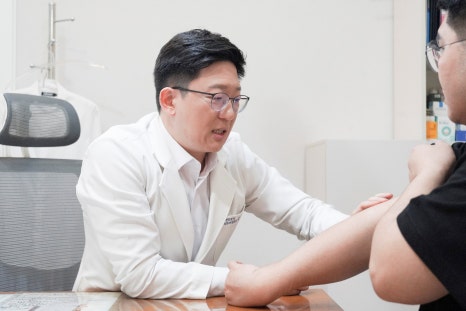

Skin condition to check before ointment treatment
In atopic dermatitis treatment, ointments are used as a basic treatment method, but they may not be applied in the same way to every skin condition.
During periods of severe skin inflammation, ointment treatment may help quickly relieve itching and redness.
However, if the skin is very dry or the barrier has been weakened, using ointment alone may not lead to sufficient recovery.
Also, when using ointments, the application method may vary depending on the affected area and extent, skin thickness, severity of itching, and previous treatment response.
In particular, instead of suddenly stopping use just because the symptoms have improved, there are cases where a gradual adjustment while observing the skin condition is necessary.
This may help reduce recurrence and minimize skin irritation.

Skin condition for which phototherapy may be helpful
Phototherapy is one of the treatment options considered when symptoms are difficult to control with ointment treatment alone or when the symptoms are widely distributed.
It may help stabilize the inflammatory response in the skin and reduce itching, and it can be a treatment option for atopic symptoms that recur over a long period.
However, phototherapy is also not applied in the same way for every patient, and factors such as skin type, severity of symptoms, and past treatment response should be considered together.
When proceeding with phototherapy, it is a good idea to check the treatment interval and number of sessions, changes in skin dryness, and ultraviolet exposure in daily life.
In particular, if phototherapy is performed alone while the skin is very dry, irritation may be felt, so moisturizing care may need to be combined.
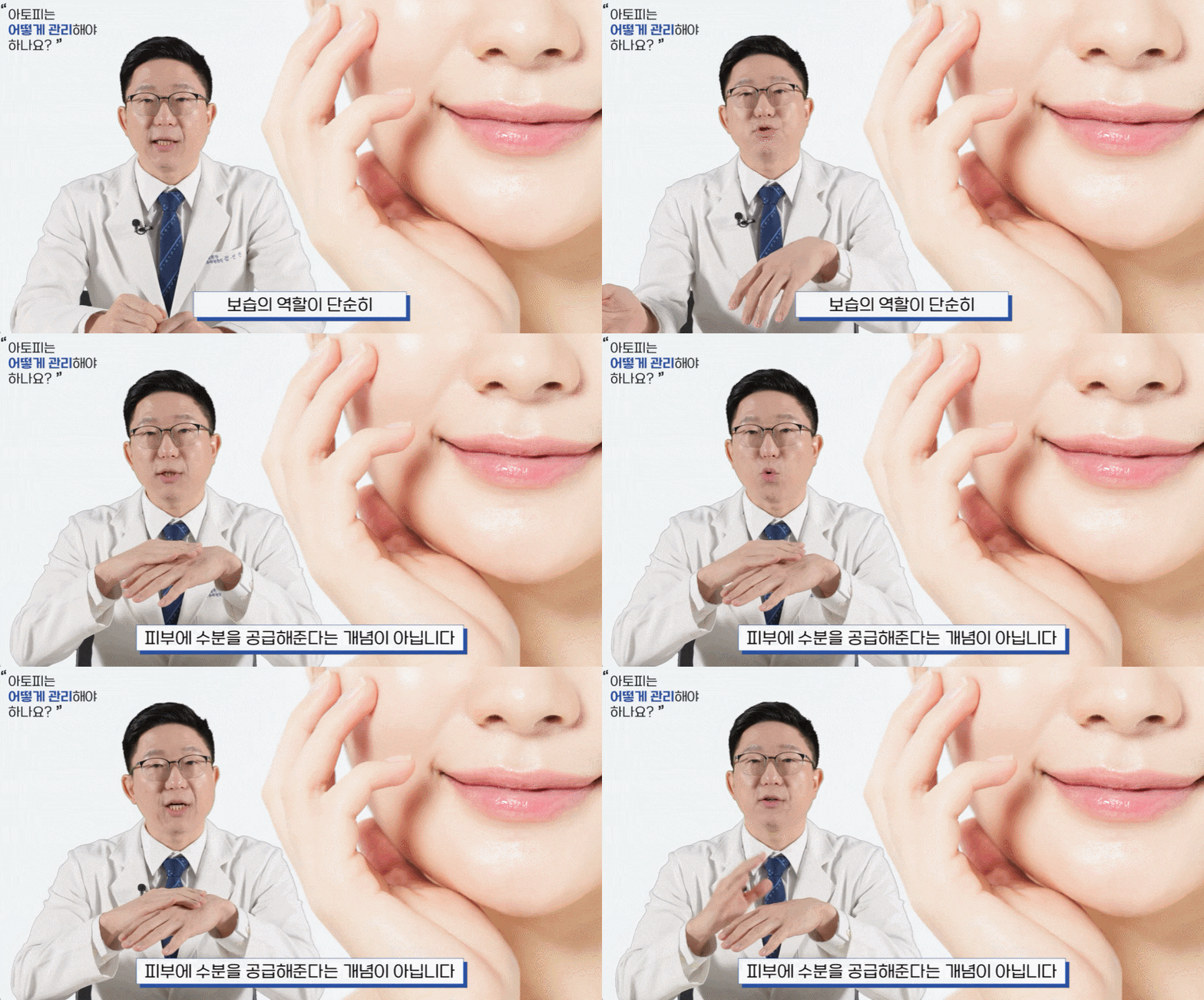
Lifestyle care to maintain treatment effects
One part that many people tend to overlook in atopic dermatitis treatment is post-treatment care.
Even if symptoms improve through ointment treatment or phototherapy, if the skin barrier does not recover sufficiently, itching or inflammation may appear again.
In daily life, factors such as
-
moisturizing to minimize skin dryness
-
adjusting cleansing habits that are too harsh
-
sleep and stress management
-
managing sweat and skin friction
may affect the maintenance of treatment effects.
In particular, if dry skin continues for a long time or daily routines become irregular, symptoms may worsen again, so consistent care may be necessary.
If treatment is the process of reducing symptoms, lifestyle care can be seen as the foundation that helps the skin stay in a stable condition.

In atopic dermatitis treatment, ointment treatment and phototherapy are important methods that may help relieve symptoms, but the way they are applied and the direction of care can vary depending on skin condition.
Therefore, before starting treatment, it may be helpful to fully check the current condition of the skin and how the symptoms are progressing.
Also, to maintain treatment effects, it may be important for skin barrier recovery and lifestyle care to be carried out together, and even after symptoms improve, ongoing observation and care may still be necessary.
Atopic dermatitis is a condition influenced not only by visible symptoms, but also by the environment in which the skin is placed and by lifestyle habits, so a long-term approach to maintaining a more stable skin condition may be helpful.
I hope the information shared today helps those who are considering ointment treatment and phototherapy better understand the treatment direction.
If you have any questions beyond what was covered above, please ask in the comments below.
I will kindly answer.
Thank you.
| This post was written for informational purposes in compliance with Article 56, Paragraph 1 to Paragraph 15 of the Medical Service Act. All treatments carry a risk of side effects and complications depending on the individual. Please be sure to have a thorough consultation with a medical professional with extensive experience before deciding on treatment. |