A small white spot that appears on the skin may gradually become more noticeable over time.
At first, it may not be a major concern, but many people become increasingly worried when it begins to look as though the area has expanded or similar changes appear on other parts of the body.
Vitiligo is not simply a condition that appears once and then ends; it can change over time.
Therefore, rather than only checking whether it is vitiligo, it is important to determine what stage the current condition is in.
In particular, because the treatment approach may vary depending on the progression of the symptoms, assessment during the early stage is an important consideration.
Today, I will explain the symptom progression stages that should be checked before vitiligo treatment, along with the treatment methods.
-Contents of the Dangsan-dong Dermatology Clinic Column-
-
Why is it important to distinguish the stages of vitiligo?
-
Symptom characteristics that vary depending on the progression stage
-
Criteria to check before treatment and treatment approaches



Why is it important to distinguish the stages of vitiligo?
Vitiligo is a condition that occurs when melanocytes, which produce the skin’s color, do not function normally.
Because this process is often associated with an immune response rather than being merely a change in color, the condition may change over time.
In particular, vitiligo is often divided into a period during which the symptoms are spreading and a period during which they remain stable.
When the condition is progressing, existing lesions may become larger or new lesions may appear on additional areas. When the condition has stabilized, it often remains largely unchanged for a certain period.
Because the treatment approach itself may vary depending on the current stage, distinguishing the symptoms early is an important consideration.


Characteristics of symptoms that vary depending on the progression stage
The appearance of vitiligo can also differ depending on its stage.
First, when the condition is progressing, the lesion may have an irregular border or may gradually expand over time.
In addition to existing lesions, new areas of depigmentation may also appear on other parts of the body.
By contrast, when the condition has stabilized, the size and shape of the lesions often remain relatively consistent without major changes.
These differences may affect not only what is visible externally but also the response to treatment.
This is because treatment outcomes and approaches may vary depending on the stage, even when the condition is vitiligo.
Therefore, it is important to understand the current condition by distinguishing its stage rather than simply looking at whether symptoms are present.

Criteria to check before treatment and treatment approaches
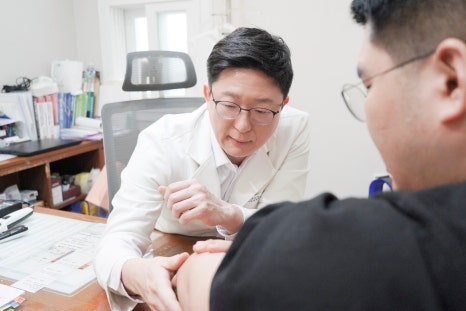
When planning vitiligo treatment, it is necessary to accurately assess the current condition of the skin.
First, it is important to determine whether the symptoms are progressing or have remained stable for a certain period.
When the condition is progressing, treatment to regulate the immune response may be considered a priority so that the symptoms do not spread further.
During this process, topical ointment treatment and approaches to regulate the immune response may be used together.
Conversely, when the condition has stabilized, treatment aimed at restoring pigmentation may be considered.
For example, treatments such as an excimer laser may be applied. These treatments stimulate melanocytes to encourage pigment recovery.
However, such treatment is not completed in a single session; changes can be expected only when it is continued consistently for a certain period.
In addition, because the treatment response may vary depending on the location and extent of the lesions and the condition of the skin, an individualized approach is necessary.
Ultimately, what is important is not which treatment you receive, but whether the treatment is appropriate for your current condition.

Vitiligo may appear to be a simple change in skin color, but in reality, it is a condition for which the treatment approach varies depending on its progression.
In particular, determining whether the symptoms are spreading or remaining stable is an important consideration when establishing an overall treatment plan.
Treatment is also not completed in a single session; it requires a process of ongoing adjustment according to the condition.
Therefore, before beginning treatment, it is important to accurately assess the current condition of the skin and determine an appropriate approach.
If you are concerned about vitiligo, rather than making a decision on your own, please have your skin condition examined in detail and establish an appropriate treatment plan.
I hope the information about vitiligo shared today will be helpful to those preparing to undergo treatment.
Thank you.
| This post was written for informational purposes in compliance with Article 56, Paragraphs 1–15 of the Medical Service Act. All treatments carry the risk of side effects and complications, which may vary from person to person. Before deciding on treatment, please have a thorough consultation with a medical professional with extensive experience. |