Acne is often easy to think of as nothing more than a minor skin problem involving one or two breakouts.
However, when breakouts continue to recur over time or inflammation begins to worsen, they can cause much more stress than expected.
In particular, even if the skin appears to improve temporarily after extraction or treatment, having acne repeatedly return in similar areas can lead you to wonder, “Why does it keep coming back?”
As such, acne is often influenced not only by problems on the skin’s surface but also by the skin environment and inflammatory responses.
For this reason, it may be important to approach treatment differently depending on the current condition of the skin.
Today, I will explain how the direction of acne treatment may vary depending on the condition of the skin.
-Order of the Nodeul Station Dermatology Clinic’s column-
-
Why does acne keep recurring?
-
Treatment directions that vary depending on skin condition
-
Areas that should also be managed after treatment
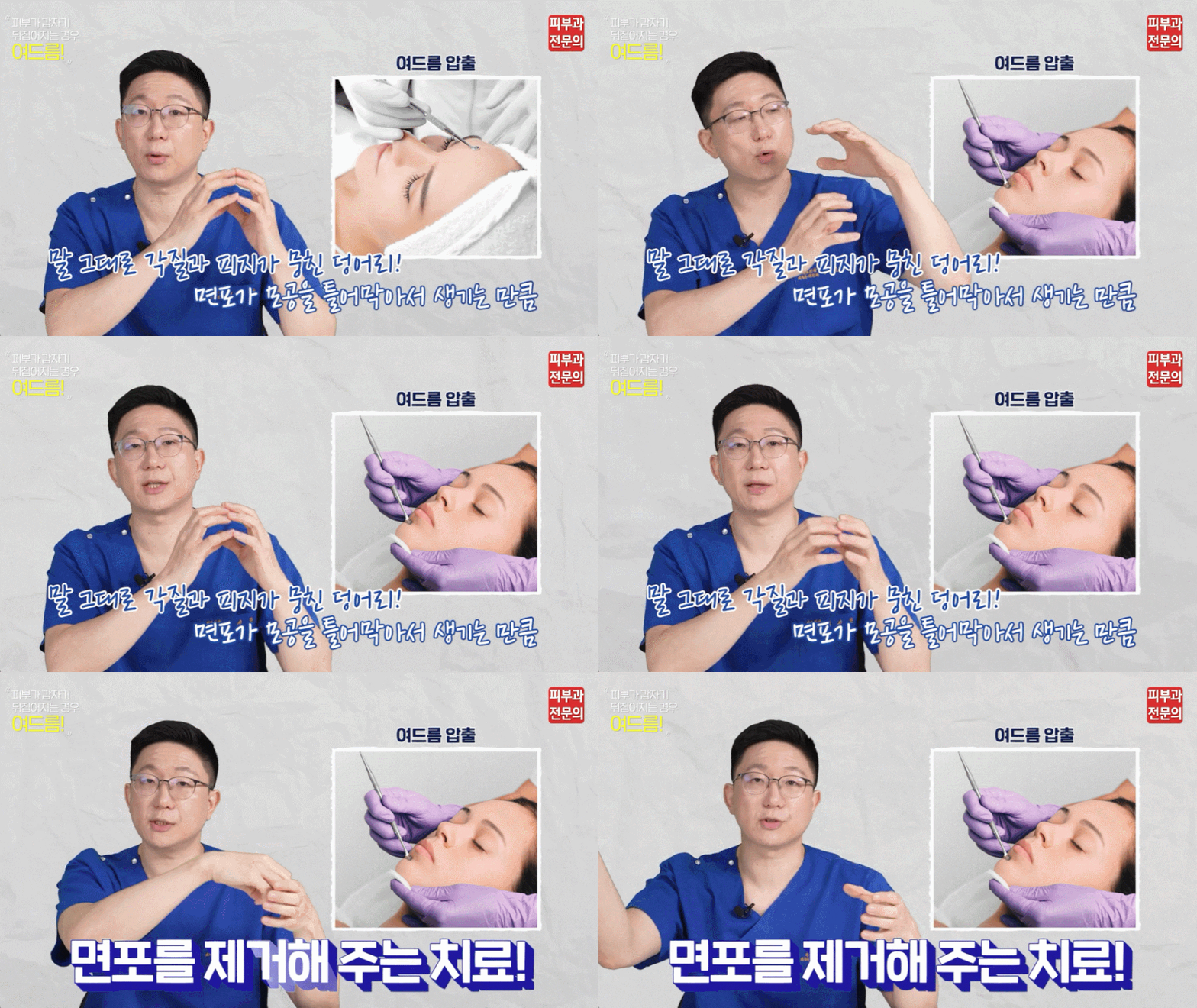
Why does acne keep recurring?
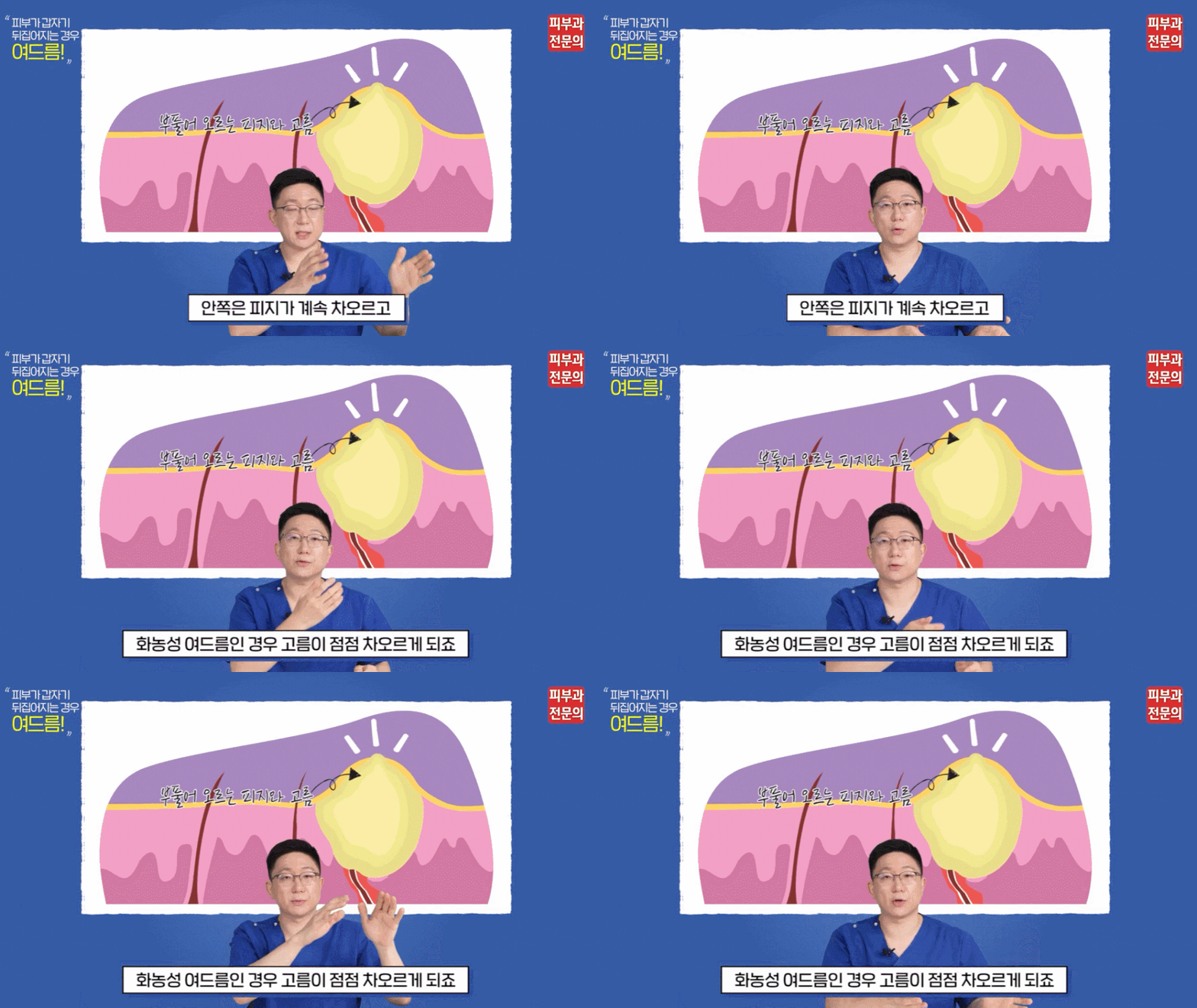
Acne develops through the combined effects of sebum production, clogged pores, and inflammatory responses.
In particular, skin that produces a lot of sebum is more likely to accumulate sebum and dead skin cells inside the pores, which can lead to recurring inflammation.
Lifestyle factors such as stress, lack of sleep, and eating habits can also affect the condition of the skin.
When this process repeats, the inflammatory environment within the skin may also have difficulty stabilizing.
In particular, frequently touching the face with your hands or forcibly extracting acne can make inflammation worse.
Therefore, rather than managing only the breakouts that have appeared, it is advisable to also examine why the acne keeps recurring.
Treatment directions that vary depending on skin condition
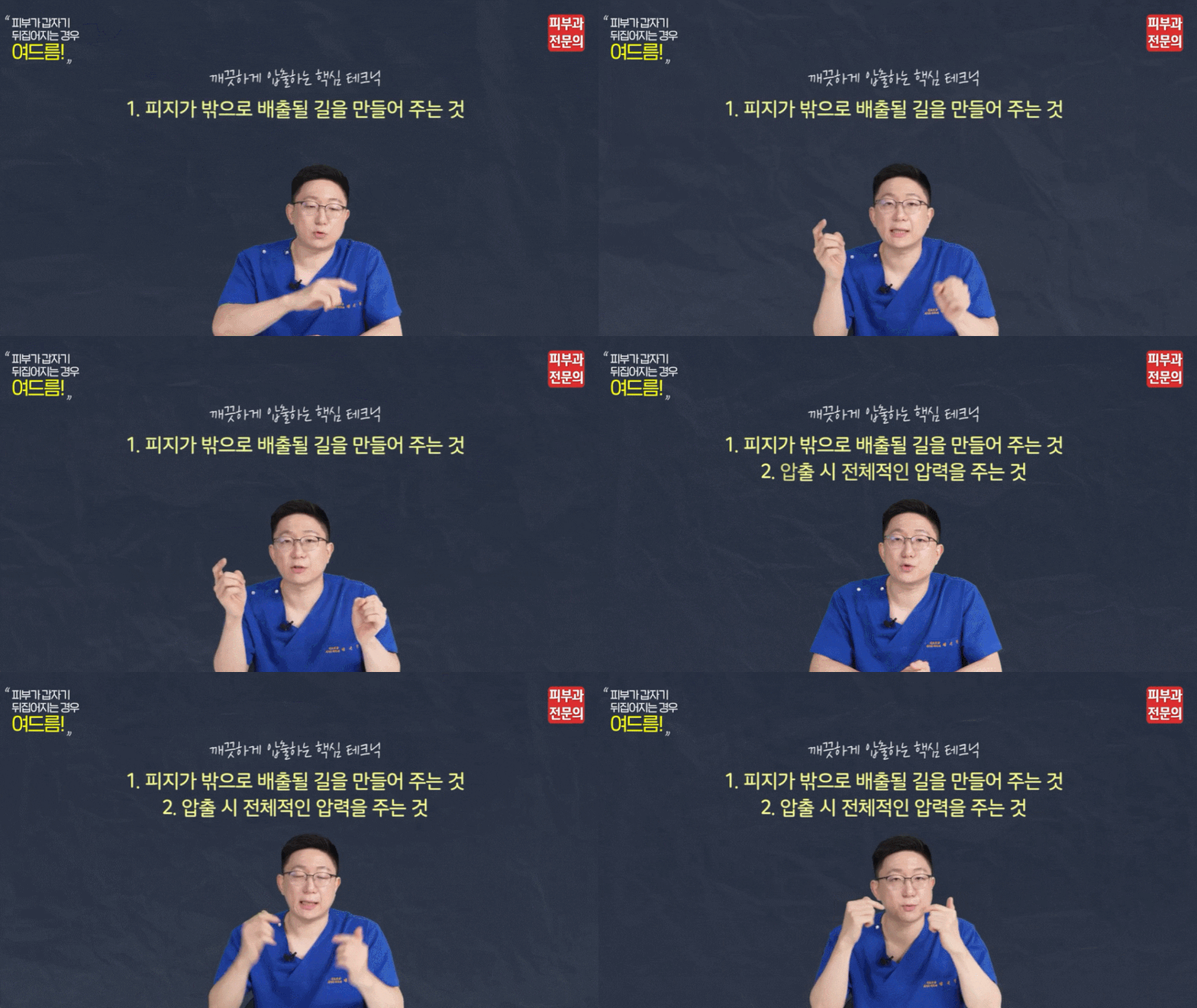
The direction of acne treatment may vary depending on the current condition of the skin and the degree of inflammation.
When sebum and comedones repeatedly build up, care such as extraction or scaling may be provided, while medication may also be considered when inflammatory acne is severe.
For example, antibiotic treatment may be used to reduce inflammatory responses within the skin, and vitamin A–based treatment to regulate sebum production may also be provided in some cases.
However, the important point is not to simply repeat treatment unconditionally, but to adjust it to suit your current skin condition while undergoing treatment.
Especially when the skin has become sensitive, excessive stimulation may instead lead to red marks or damage to the skin barrier.
Even when the acne appears to be the same, the treatment direction may vary depending on factors such as skin type and the degree of inflammation.
Therefore, before beginning treatment, it is necessary to carefully examine the current condition of the skin.
Areas that should also be managed after treatment
Management after acne treatment is also important.
This is because if your lifestyle remains unchanged simply because your skin has improved, sebum production and inflammation may recur.
Also, washing your face excessively just because your skin appears oily may actually weaken the skin barrier.
Therefore, for acne-prone skin, it is important to focus on maintaining the skin’s balance rather than removing sebum unconditionally.
Above all, the most important thing is not to dismiss recurring acne as a simple skin problem.
Carefully examining the current condition of your skin and combining appropriate treatment and management may help reduce acne recurrence.
Acne is not simply a temporary skin problem that appears from time to time; it is a condition affected by both the skin environment and inflammatory responses.
In particular, if symptoms recur or inflammation continues, it may be necessary to examine the current condition of the skin.
In addition, acne should be treated in an appropriate direction while taking the condition of the skin and the degree of inflammation into account.
When lifestyle management is carried out alongside treatment, it may help maintain a more stable skin condition.
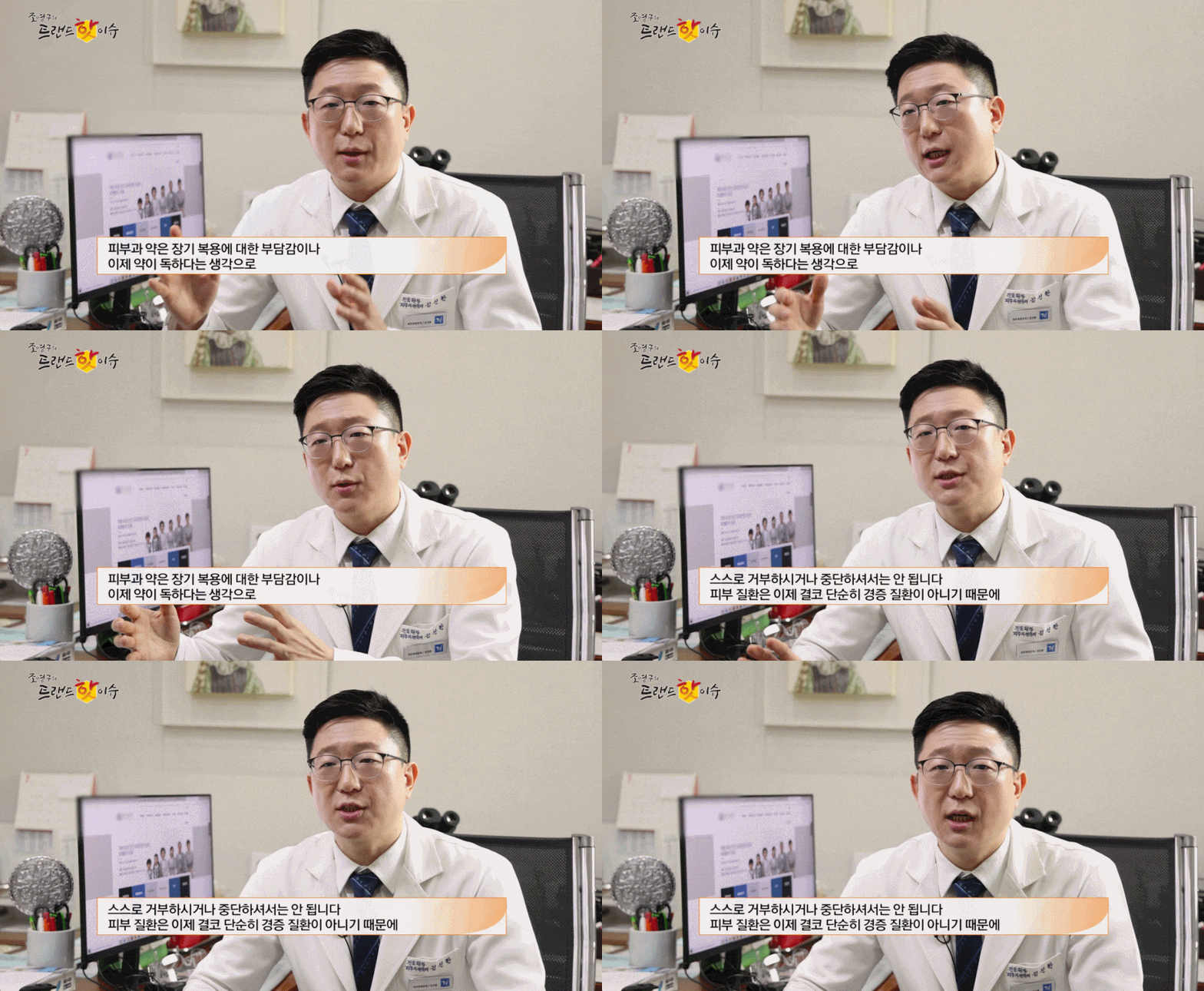
If you are concerned about acne symptoms, rather than managing them on your own, we recommend accurately checking your current skin condition and proceeding with appropriate treatment suited to you.
We hope that the information about acne provided today by the acne medication prescription clinic has been helpful to you.
Thank you.
| This post was written for the purpose of providing information in compliance with Article 56, Paragraphs 1–15 of the Medical Service Act. All treatments carry the risk of side effects and complications depending on the individual. Before receiving treatment, please make your decision only after having a sufficient consultation with medical professionals who have extensive experience. |