The skin is something we look at every day, so even small changes can catch our attention.
In particular, many people become concerned when a specific area begins to look lighter than the surrounding skin one day.
At first, it is easy to assume that it is simply a mark left by a minor skin problem or a temporary color change. However, if the skin color does not return over time or similar changes begin appearing in other areas, it is worth checking your current skin condition.
Vitiligo often begins with relatively mild symptoms, so it is not uncommon for early changes to go unnoticed.
However, because the necessary treatment may vary depending on the condition of the skin, it is important to examine the skin condition at an early stage.
Today, I will explain the characteristics of early vitiligo symptoms and how treatment is carried out.
-Order of the Mullae-dong Dermatology Clinic column-
-
What changes appear in the early stages of vitiligo?
-
How is vitiligo treated?
-
What else should be examined during the early stage?
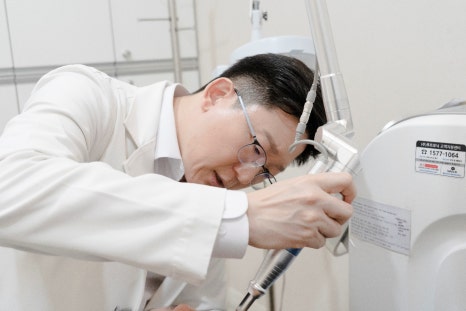
What changes appear in vitiligo?
Vitiligo is a condition in which the skin becomes partially lighter due to changes in the function of melanocytes.
In its early stages, it may begin as a small spot or appear only slightly lighter than the surrounding skin.
For this reason, people may dismiss it as nothing more than a difference in skin tone or a change in pigmentation.
However, over time, the color difference may gradually become more noticeable, or similar changes may appear in other areas.
It is also not uncommon for it to be first noticed in frequently visible areas, such as the face or hands.
However, not all cases of vitiligo progress at the same rate.
In some cases, the condition remains largely unchanged for a certain period, while in others, the affected area expands over a short time.
Therefore, it is important to examine how the current skin condition is changing over time.
How is vitiligo treated?
The treatment required for vitiligo may vary depending on the severity of the symptoms and the condition of the skin.
When the affected area has recently continued to expand or symptoms have appeared in new areas, treatment aimed at reducing further spread is considered first.
Depending on the condition of the skin, topical ointment treatment may also be provided at the same time.
In contrast, when the condition has remained largely unchanged for a certain period, treatment aimed at restoring pigmentation may be considered.
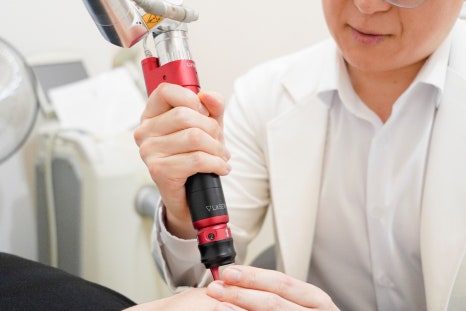
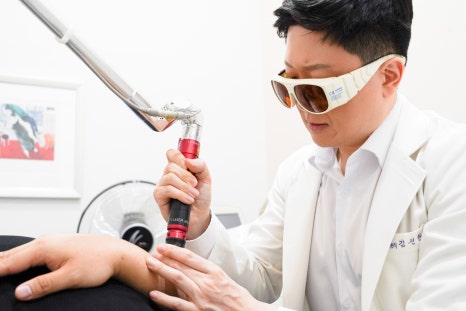
Excimer laser treatment, for example, uses light of a specific wavelength to target areas affected by vitiligo.
It may be used to stimulate melanocytes and support the restoration of pigmentation, and is often applied to localized lesions.
However, it is important to understand that vitiligo treatment is not completed in a single session. It is important to adjust the treatment gradually while monitoring the condition of the skin.
Even when the condition is vitiligo, treatment responses may differ depending on the location and extent of the lesions.

What else should be examined during the early stage?
Before beginning vitiligo treatment, it is important to accurately assess the current condition of the skin.
First, it is necessary to determine whether the affected area has recently continued to expand or has remained stable.
The location of the lesions can also affect treatment.
For example, the treatment approach may differ between areas such as the face, where pigmentation recovery may respond relatively well, and areas such as the fingertips, where the response may vary.
It is also important to examine the environment and lifestyle patterns that may repeatedly irritate the skin.
Above all, it is important not to dismiss early symptoms as merely a change in skin tone.
Checking the condition of the skin at an early stage and beginning treatment suited to the current condition may help with management.

Vitiligo may appear to be simply a change in skin color, but it is a condition associated with changes in melanocytes.
Because it often begins with small changes, particularly in its early stages, it may be important to examine the current condition of the skin carefully.
In addition, for vitiligo treatment, it is necessary to select an appropriate treatment while considering the severity of the symptoms and the condition of the lesions.
It may also be important to adjust excimer laser treatment while monitoring both the condition of the skin and its response.
If you are concerned about changes in skin color, rather than making a judgment on your own, we recommend carefully checking your current skin condition and then establishing an appropriate treatment plan.
I hope the information about vitiligo treatment and symptoms provided today was helpful to those looking for information about vitiligo.
Thank you.
| This post was written for informational purposes in compliance with Article 56, Paragraphs 1–15 of the Medical Service Act. All treatments carry the risk of side effects and complications, which may vary from person to person. Before receiving treatment, please consult sufficiently with a medical professional with extensive experience and make your decision afterward. |