When areas of skin begin to look white, many people initially tend to think simply, “Why has my skin suddenly become like this?”
In particular, when there is no pain or itching, quite a few people wait and see, believing that it will naturally improve over time.
However, if the color does not return over time or the affected area appears to be gradually expanding, concern may grow.
In fact, among people who visit us for vitiligo, there are often significant differences in the location, extent, and progression of symptoms, even when they all have vitiligo.
Therefore, rather than providing the same treatment to everyone, it may be important to first assess the current condition of the skin and then establish a treatment plan for vitiligo.
Today, we will explain why vitiligo treatment may differ from person to person and what should be checked before treatment.
-Order of the Munrae-dong Dermatology Clinic Column-
-
What differences can vitiligo show?
-
Treatment methods that vary depending on skin condition
-
Things to check together before treatment


What differences can vitiligo show?
Vitiligo is a chronic skin condition in which parts of the skin turn white due to changes in the function of melanocytes, the cells that produce skin color.
However, vitiligo does not appear in the same form in everyone.
For some people, it may begin with just one or two small spots, while for others, it may spread over a wide area of skin.
It may also develop in highly visible areas such as the face, while in other cases it may begin in areas that are discovered later, such as the torso or limbs.
There can also be differences in how long the symptoms have been present.
A recently developed lesion may have a different skin condition from a lesion that has remained for a long time.
Therefore, with vitiligo, it is important to carefully examine the current condition of your skin.


Treatment methods that vary depending on skin condition
The approach to vitiligo treatment may vary depending on the current condition of the skin.
For example, if the affected area has recently been expanding or new areas continue to appear, treatment aimed at reducing the progression of symptoms may be considered first.
Conversely, if the condition has remained stable without major changes, treatment may be carried out with the goal of restoring pigmentation.
Excimer laser treatment is a representative method that uses light of a specific wavelength to selectively treat areas affected by vitiligo.
It may be helpful when establishing a treatment plan, particularly for areas such as the face or neck, where the response to pigment restoration is relatively favorable.
However, even with the same laser treatment, differences in response may occur depending on the location and size of the lesions and the condition of the skin.
Therefore, it is important to carefully assess the current condition of the skin before considering the treatment method.

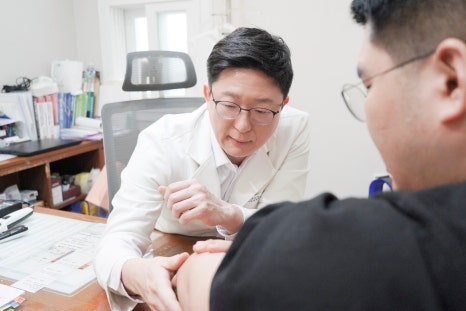
Things to check together before treatment
When planning vitiligo treatment, it is necessary to examine how long the current symptoms have remained stable.
This is because the treatment plan may vary depending on whether the affected area has recently been expanding or has remained largely unchanged for a certain period.
The location of the lesions is also important to consider carefully.
This is because the response to treatment may differ among the face and neck, torso, hands, and feet.
It is also necessary to check the person’s living environment.
An environment involving excessive stress, insufficient sleep, or repeated skin irritation may affect the condition of the skin.
Most importantly, the current condition must be assessed in detail.
Even when vitiligo appears to be the same, the actual condition of the skin may differ from person to person, so a detailed examination should come first.

Vitiligo may appear to be simply a condition involving changes in skin color, but in reality, the treatment needed may vary depending on the location and extent of the symptoms and their progression.
Therefore, rather than applying someone else’s treatment experience as it is, it is important to carefully assess your own current skin condition.
Vitiligo treatment may also require establishing a treatment plan suited to the condition of the symptoms, rather than trying to resolve everything with a single method.
If changes in skin color continue to concern you or you suspect that the affected area is changing, please have your current skin condition assessed rather than worrying about it alone.
We hope that the information about vitiligo treatment shared today will be helpful to those who have had questions about vitiligo treatment.
Thank you.
| This post was written for informational purposes in compliance with Articles 56(1) through 56(15) of the Medical Service Act. All treatments carry a risk of side effects and complications that may vary from person to person. Before treatment, please make your decision only after having a sufficient consultation with a medical professional who has extensive experience. |