Among those experiencing discomfort due to atopic dermatitis, some say:
"It gets better when I apply the ointment, but then it starts itching again."
"I received treatment, so why does it keep coming back?"
In reality, even if symptoms improve through treatment, discomfort may recur depending on the living environment or skin condition.
In particular, many people feel that their itching becomes worse during periods of seasonal changes, insufficient sleep, or ongoing stress.
Atopic dermatitis is not simply a problem on the surface of the skin; it is a condition affected by both skin barrier function and inflammatory responses.
Therefore, managing daily lifestyle habits along with treatment may also be important.
Today, we will explain why lifestyle management is important alongside atopic dermatitis treatment.
-Singil Station Dermatology Clinic Column Order-
- Why does atopic dermatitis recur?
- Why is lifestyle management needed along with treatment?
- What to check in your daily life

Why does atopic dermatitis recur?
Atopic dermatitis often occurs when the skin barrier function becomes weakened.
Healthy skin protects the skin from external irritants and helps prevent moisture from escaping.
However, these functions are weakened in atopic skin, so it may react easily even to minor irritants.
As a result, severe dryness, itching, and redness may recur.
In particular, scratching because of itching can further damage the skin barrier and lead to a vicious cycle in which inflammation worsens.
Even among people with atopic dermatitis, symptoms may differ depending on their living environment and skin condition.
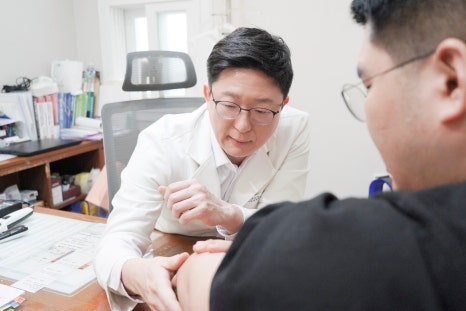
Therefore, it is important to accurately assess the current condition of the skin and provide appropriate treatment and care accordingly.

Treatment and
why lifestyle management is needed
Atopic dermatitis is often treated with ointments and moisturizing care.
However, treatment alone cannot prevent every source of irritation.
This is because symptoms may worsen again if factors that irritate the skin are repeatedly present in daily life.
For example, itching may become worse when the skin is exposed to a dry environment for a long time or when excessive sweating and a feeling of heat persist.
The skin may also become more sensitive when stress continues or sleep is insufficient.
Therefore, rather than considering treatment and lifestyle management separately, it may be important to manage them together for atopic dermatitis.


What to check in your daily life
One of the most important aspects of lifestyle management is preventing the skin from becoming dry.
Because skin moisture may decrease rapidly after showering, appropriate moisturizing care may be necessary.
You should also be cautious about showering for a long time in water that is too hot, as this habit can worsen skin dryness.
Clothing can also affect the condition of the skin.
Choosing comfortable, breathable clothing rather than materials that strongly irritate the skin may be helpful.
Along with this, sufficient sleep and a regular lifestyle may also have a positive effect on maintaining skin health.
Most importantly, do not stop managing your condition just because your symptoms have improved.
Even during periods without symptoms, consistent management of atopic dermatitis may help maintain the condition of the skin.

Atopic dermatitis is not simply a problem of dry skin; it is a condition affected by both skin barrier function and inflammatory responses.
Therefore, lifestyle management may also be important along with ointment treatment and moisturizing care.
In particular, factors such as skin dryness, stress, and insufficient sleep can affect atopic dermatitis symptoms, so it is necessary to examine your daily living environment as well.
Also, rather than stopping care because your symptoms have improved, it is important to continue management appropriate for your current skin condition.
If you are concerned about recurring atopic dermatitis symptoms, rather than managing them on your own, we recommend having your current skin condition examined in detail and establishing an appropriate treatment plan.
We hope the information provided today is helpful to those preparing for atopic dermatitis treatment.
Thank you.
| This post was written for informational purposes in compliance with Articles 56(1) through 56(15) of the Medical Service Act. All treatments carry the risk of side effects and complications depending on the individual. Before treatment, be sure to consult sufficiently with medical professionals who have extensive experience before making a decision. |