Color changes that appear on the skin can occur for more varied reasons than you might expect.
They may be caused by sun exposure or skin irritation, or they may be temporary changes that appear after inflammation has subsided.
However, if part of the skin turns white without any particular reason and remains that way, it may be worth considering the possibility of vitiligo.
In particular, because the early symptoms of vitiligo are not always clear, many people mistake them for simple changes in skin tone and overlook them.
Also, because symptoms such as pain or itching are often absent, some people simply observe the area for a while even after noticing it.
However, if the change in skin color persists or the difference from the surrounding skin gradually becomes more noticeable, it may be important to examine the current condition of the skin in detail.
Today, based on content from JTBC Documentary Plus Q, I will explain the characteristics of the early symptoms of vitiligo and how they differ from simple changes in skin tone.

How Do the Early Symptoms of Vitiligo Appear?
Vitiligo is a condition in which part of the skin turns white due to changes in the function of melanocytes, the cells that produce skin color.
In the early stages, it may begin as a small spot or appear only slightly lighter than the surrounding skin.
Because there is often no particular pain or itching, it is not uncommon for people to recognize the symptoms late.
It may begin in noticeable areas such as the face, neck, or hands, but it can also start in areas that are discovered by chance, such as the arms, legs, or torso.
Vitiligo does not appear in exactly the same way in every patient.
In some cases, it remains largely unchanged for a long period, while in others, the affected area may gradually expand.
It may also begin as a small spot and later spread to the surrounding area, so checking its condition in the early stages may be important.
Therefore, when a change in skin color is noticed, it is important not to assume that it is merely a difference in skin tone.
How Does It Differ from a Simple Change in Skin Tone?
Not every instance of lighter skin can be considered vitiligo.
The skin may become lighter after inflammation has subsided, or it may appear lighter because of dry skin.
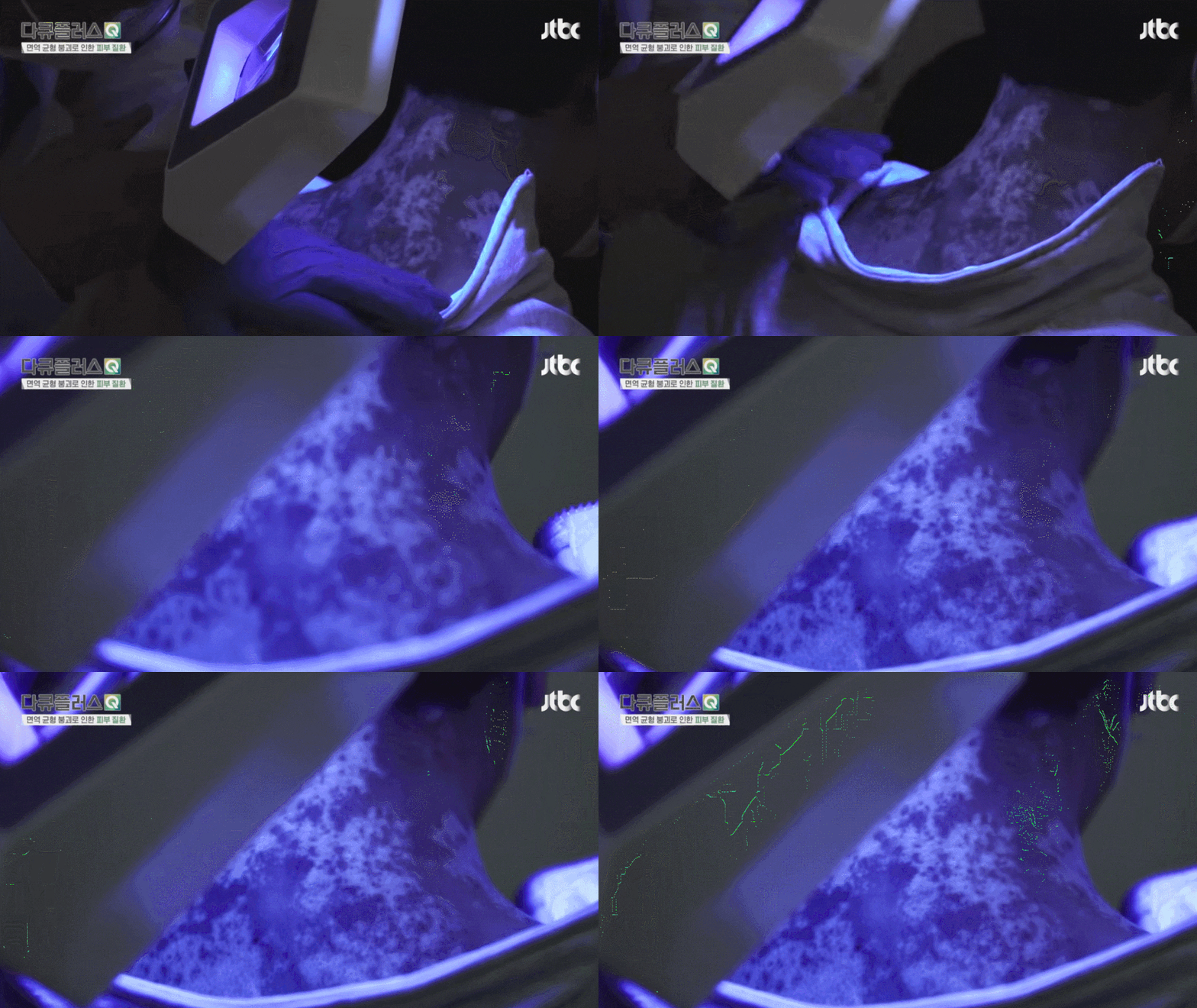
However, with vitiligo, the difference in color may be relatively distinct when compared with the surrounding skin.
In some cases, the color does not return over time, or the affected area gradually becomes wider.
In particular, if the area appears as a white spot with clearly defined borders, it is worth examining the current condition of the skin in detail.
Most importantly, do not make a self-diagnosis based solely on photos found on the internet.
This is because skin changes that look similar may require different treatment methods depending on their cause.
Therefore, when a change in skin color appears, identifying the cause in detail should come first.
What Should Be Checked Before Vitiligo Treatment?
The treatment plan for vitiligo may vary depending on the current condition of the skin.
First, the medical team will check when the symptoms began and whether the affected area has changed recently.
The location of the lesions, such as the face, neck, torso, hands, or feet, may also be taken into consideration when developing a treatment plan.
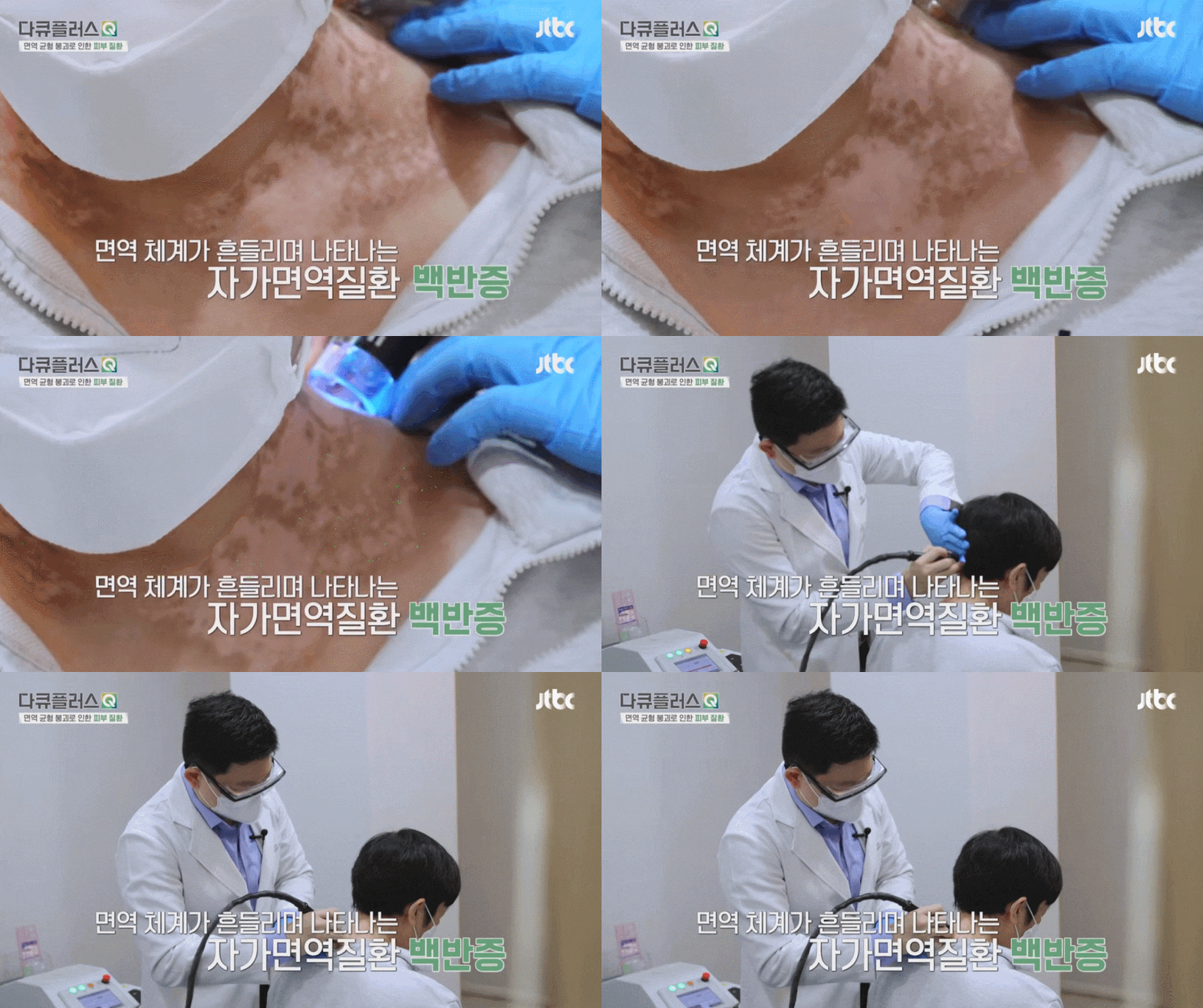
Depending on the condition of the skin, ointment treatment may be used together with other treatments, and light therapy may also be considered.
Excimer laser treatment, for example, is a treatment method that uses light of a specific wavelength to selectively irradiate areas affected by vitiligo.
It may be used with the aim of stimulating melanocytes and helping pigment recovery, and is applied after considering the current condition of the skin and the extent of the symptoms.
However, even when the same treatment is performed, differences in response may occur depending on the location of the lesions and the condition of the symptoms.
Therefore, rather than applying another person’s treatment case as-is, it is important to establish a treatment plan based on the current condition of the individual’s skin.

Vitiligo may look like a simple change in skin tone in its early stages, but it is a condition associated with changes in melanocytes.
In particular, if the change in skin color persists or the difference from the surrounding skin gradually becomes more noticeable, it may be necessary to check the current condition of the skin.
Also, because vitiligo treatment may vary depending on the extent of the symptoms and the condition of the skin, it is important to develop a treatment plan based on a detailed diagnosis.
Most importantly, do not take early changes in skin color lightly.
Checking the current condition early and establishing an appropriate treatment plan may help with skin care.
If a change in skin color has begun to concern you, we recommend checking the current condition of your skin rather than making a judgment on your own.
I hope today’s information was helpful.
Thank you.
| This post was written for informational purposes in compliance with Article 56, Paragraphs 1–15 of the Medical Service Act. All treatments carry the risk of side effects and complications, which may vary from person to person. Before treatment, be sure to have a thorough consultation with a medical professional with extensive experience before making a decision. |