“It’s just puberty, so it will get better with time.”
This is one of the common thoughts people have when dealing with teen acne.
In fact, the appearance of acne during growth can be a natural phenomenon.
However, not all acne gets better on its own.
When inflammation recurs or acne is managed incorrectly, it can lead to scars and hyperpigmentation on the skin.
In particular, because the teenage years are a time when skin changes occur quickly, how the condition is managed in its early stages can be important.
Some cases begin with only a few small bumps, but over time, they can develop into inflammatory acne or leave marks, causing increasing concern.
Therefore, rather than simply waiting for teen acne to improve, it is important to check its current condition and manage it appropriately.
Today, we will look at why extraction and prescription medication are important for teen acne.
-Column outline from Jangseungbaegi Station Dermatology Clinic-
-
Why teen acne develops
-
Why extraction is important
-
When prescription medication is needed
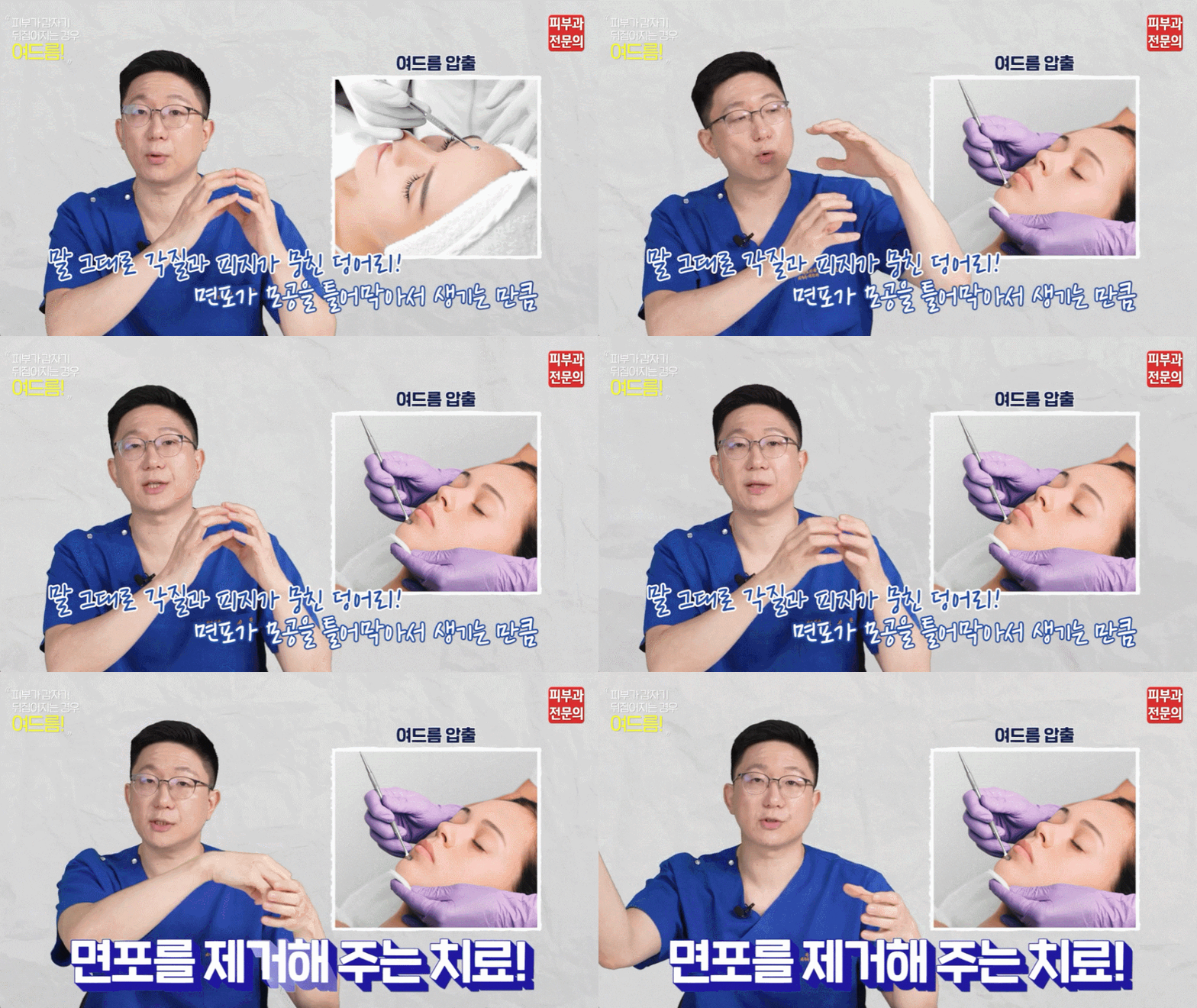
Why Teen Acne Develops
Teen acne is closely related to hormonal changes during puberty.
This is because increased sebum production during growth can clog the pores and cause acne.
It often begins in areas with high sebum production, such as the forehead and nose.
Acne may also worsen due to lack of sleep, academic stress, and irregular lifestyle habits.
It may initially appear as small bumps, but if it is not managed appropriately, it can progress to red, inflammatory acne.
When this inflammation recurs, skin damage may occur, increasing the possibility that scars or hyperpigmentation will remain.
Therefore, it is important to examine the current condition of teen acne in detail rather than viewing it simply as a symptom of puberty.
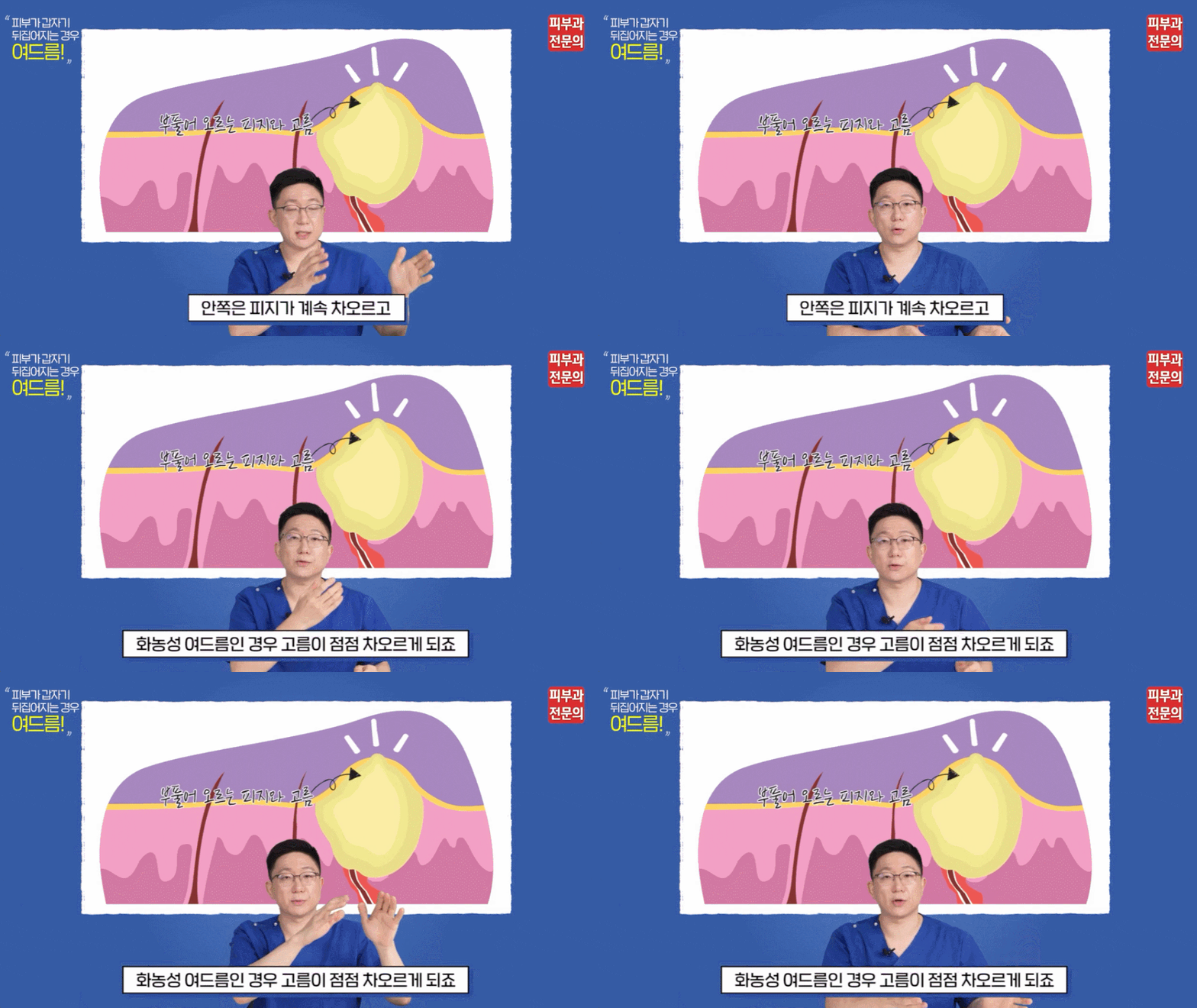
Extraction is Important
Extraction plays an important role in treating teen acne.
This is because it can help appropriately remove sebum and dead skin cells that have accumulated inside the pores.
Especially when there are many comedonal acne lesions, appropriate extraction may help reduce their progression to inflammation.
Conversely, squeezing acne with your hands or touching it repeatedly can irritate the skin.
In fact, incorrect extraction can further aggravate inflammation or cause hyperpigmentation and scarring.
Therefore, teen acne should not be squeezed indiscriminately; it is important to manage it according to the condition of the skin.
It is also important to consider that extraction is a method for managing visible acne and does not resolve the underlying causes of acne.
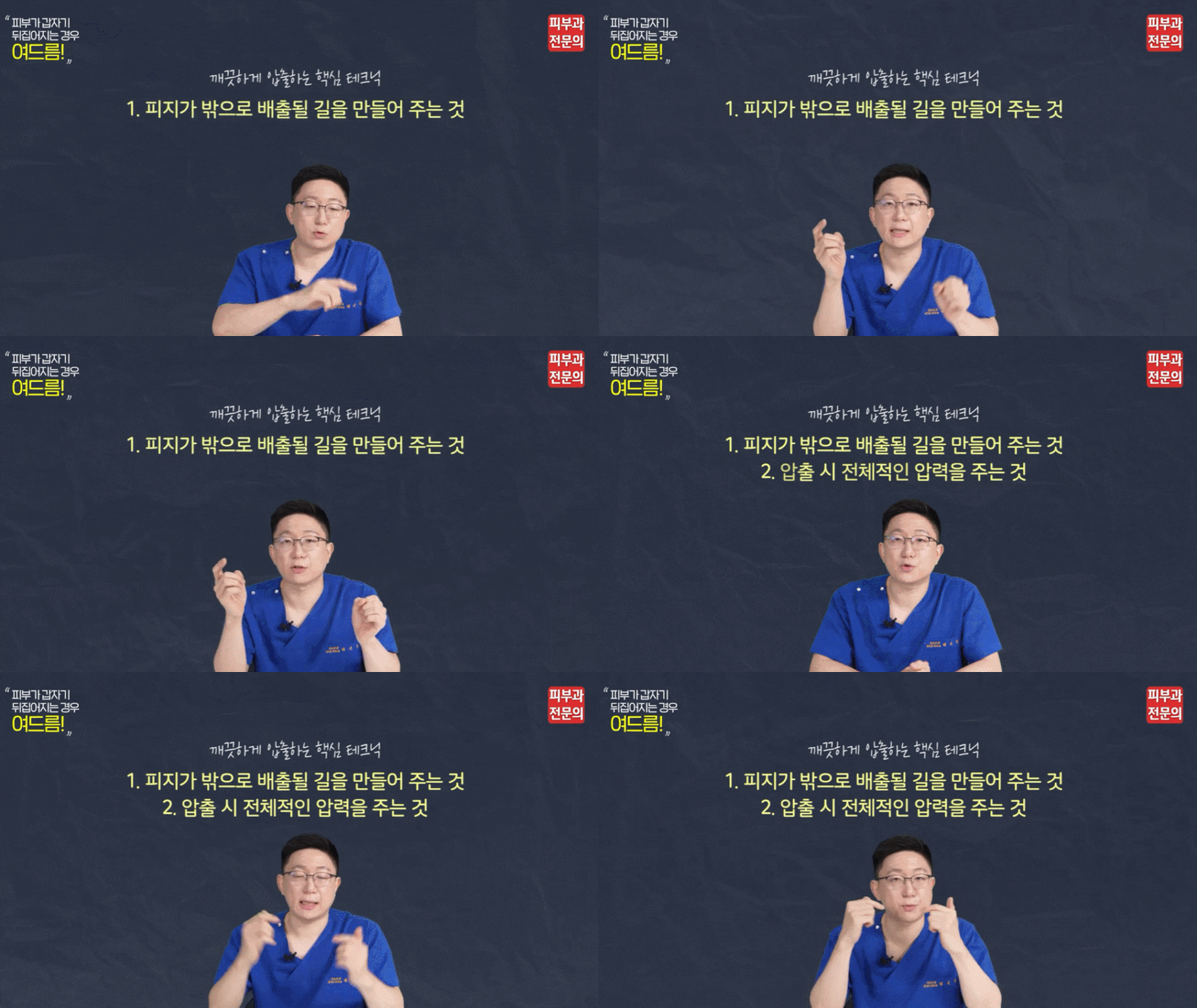
When Prescription Medication Is Needed
Teen acne cannot always be resolved through extraction alone.
In particular, when inflammatory acne recurs or spreads across the face, medication may also be considered.
Prescription medication can help regulate sebum production and reduce inflammation.
Depending on the current condition of the skin, topical and oral medications may also be used appropriately.
When acne repeatedly develops, it is important not only to manage the acne that has already appeared, but also to reduce the factors causing new acne to continue developing.
Therefore, extraction and prescription medication are not treatments that replace one another; they are often used together.
It is necessary to determine the appropriate approach based on the type and severity of the acne.
Teen acne can commonly appear during growth, but if it is neglected or managed incorrectly, it can lead to scars and hyperpigmentation.
Therefore, rather than simply squeezing acne, it is important to accurately assess the current condition of the skin and establish an appropriate treatment plan.
Extraction can help manage sebum and dead skin cells inside the pores, while prescription medication can help reduce the factors contributing to recurring acne.
The important thing is to choose a method suited to the current condition of the acne.
If you are concerned about teen acne and are considering Jangseungbaegi Station Dermatology Clinic, we recommend receiving a detailed assessment of your skin condition and checking the appropriate treatment options.
Thank you.
| This post was written for informational purposes in compliance with Article 56, Paragraphs 1–15 of the Medical Service Act. All treatments carry the risk of side effects and complications, depending on the individual. Before treatment, be sure to have a sufficient consultation with an experienced medical professional before making a decision. |