Even though you may expect your acne to disappear once exams or important events are over, it can sometimes continue to recur for longer than expected.
At first, you may manage it thinking it is only a temporary skin problem. However, if acne continues to appear in similar areas or repeatedly improves and then returns, it can become concerning.
Especially if acne continues even after reaching adulthood, you may naturally wonder, “Why does it keep coming back?”
Acne is not simply a problem caused by unclean skin. Various factors, including sebum production, dead skin cells, and lifestyle habits, can affect its development.
Therefore, when managing recurring acne, it is important not only to look at the acne currently present but also to examine its underlying causes.
Today, Yeongdeungpo Station Dermatology Clinic will explain why acne recurs and what should be checked before treatment.
-Contents of the Yeongdeungpo Station Dermatology Clinic column-
-
Why does acne recur?
-
What should be checked before acne treatment?
-
What should be managed together to reduce recurrence?
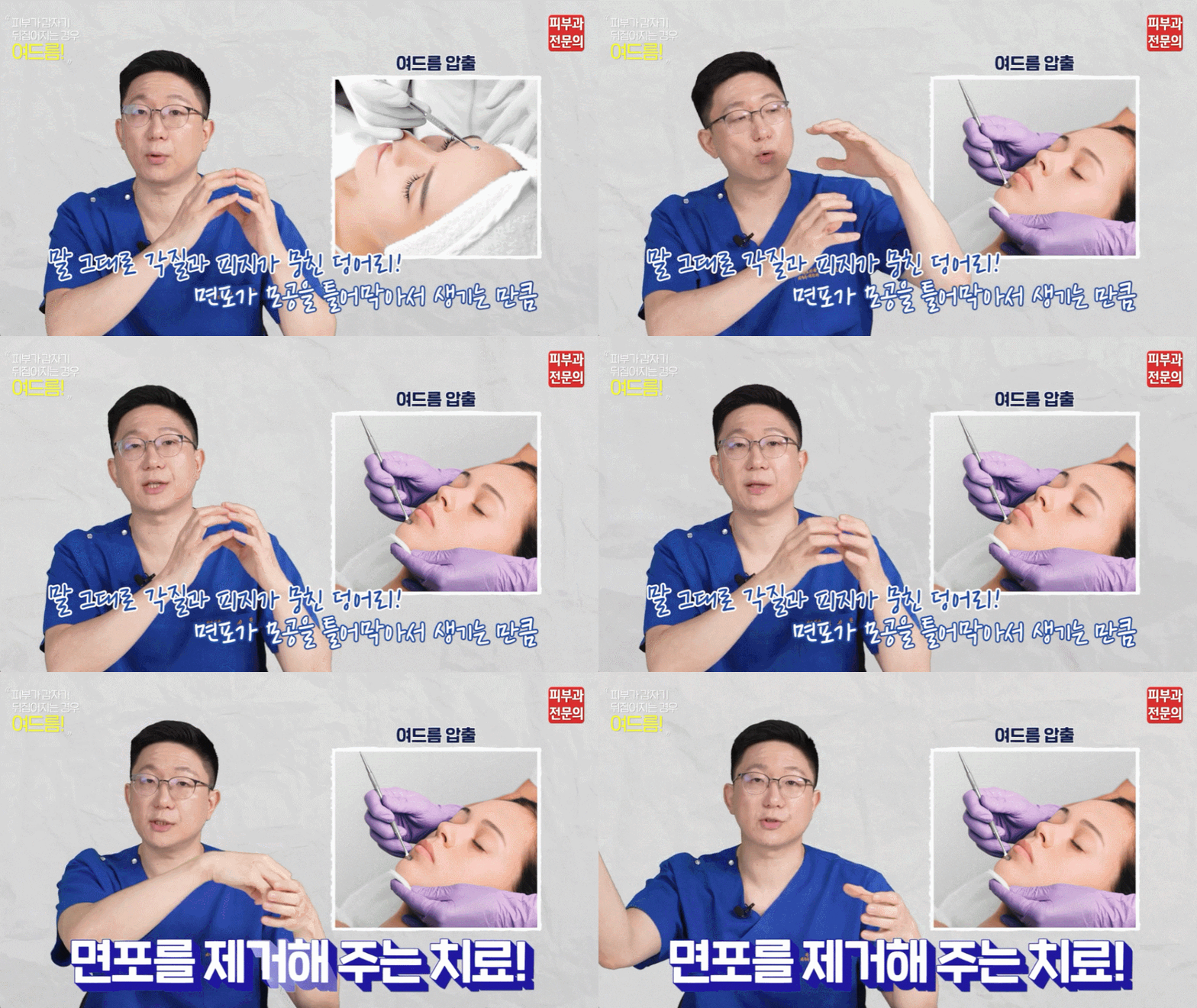
Why does acne recur?
Acne develops when sebum and dead skin cells accumulate inside the pores.
When sebum production increases or dead skin cells are not shed properly, the pores can become blocked, which may lead to comedonal acne or inflammatory acne.
However, simply having a lot of sebum does not mean that everyone develops acne in the same form.
During adolescence, hormonal changes can have an effect. In the case of adult acne, stress, lack of sleep, and lifestyle habits may also play a role.
The use of cosmetics that do not suit your skin, frequent mask wearing, and an irregular daily routine can also affect your skin condition.
In particular, when acne improves and then repeatedly returns, it is important to examine not only the current skin condition but also lifestyle habits and the skin environment.
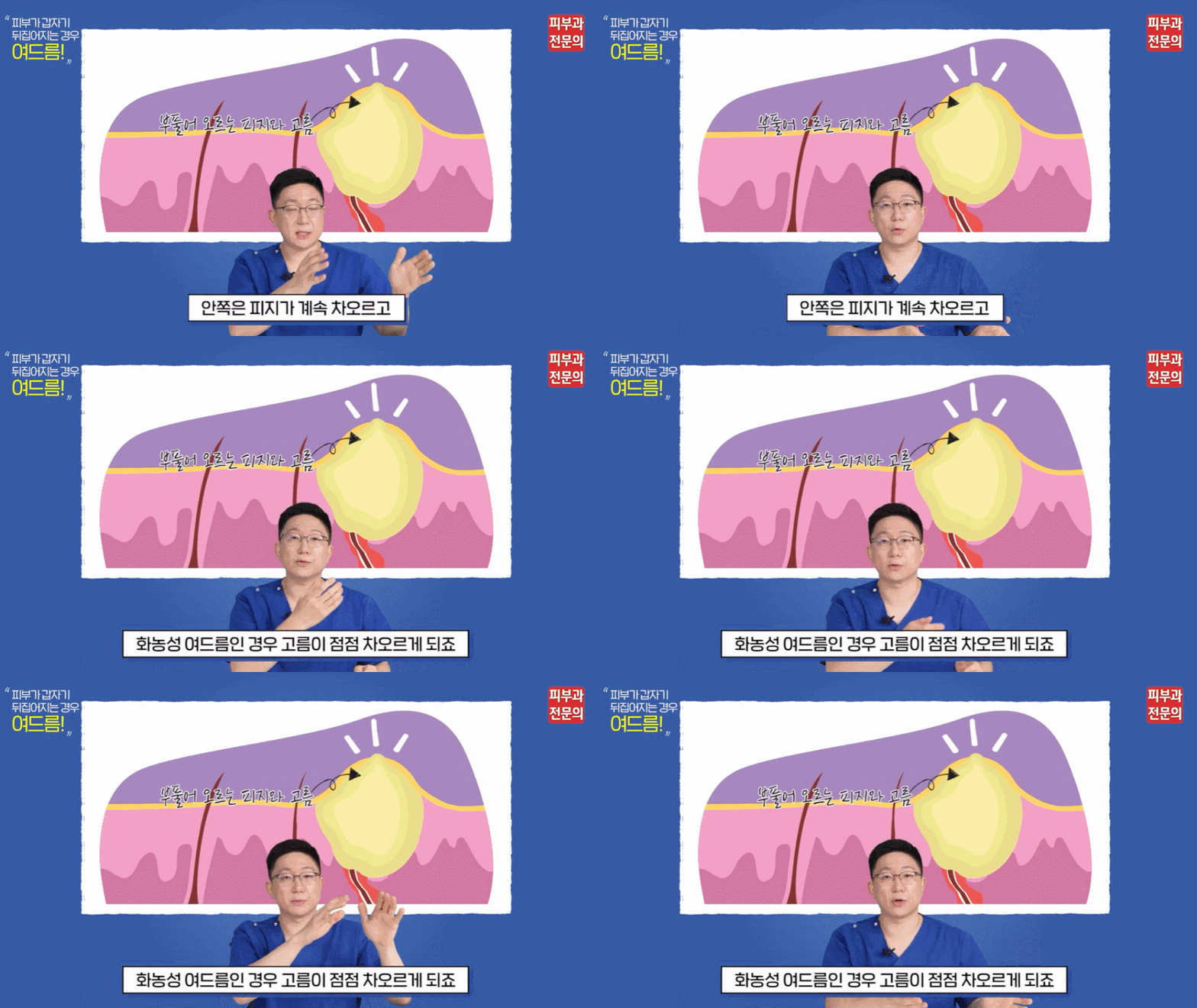
What should be checked before acne treatment?
The approach to acne treatment may vary depending on the current condition of the skin.
The treatment method may differ depending on whether comedonal acne is the primary concern or whether red, severely inflamed acne keeps recurring.
The duration and extent of the acne, as well as the presence or absence of scarring or hyperpigmentation, are also assessed.
In particular, when inflammatory acne recurs, it may lead to scarring, so establishing an appropriate treatment plan at an early stage can be important.
Depending on the condition of the skin, medication, comedone extraction, or acne scaling may be considered.
However, even when the acne appears similar, each person has a different skin condition. Rather than applying someone else’s treatment experience as-is, it is important to determine the treatment approach based on your current condition.
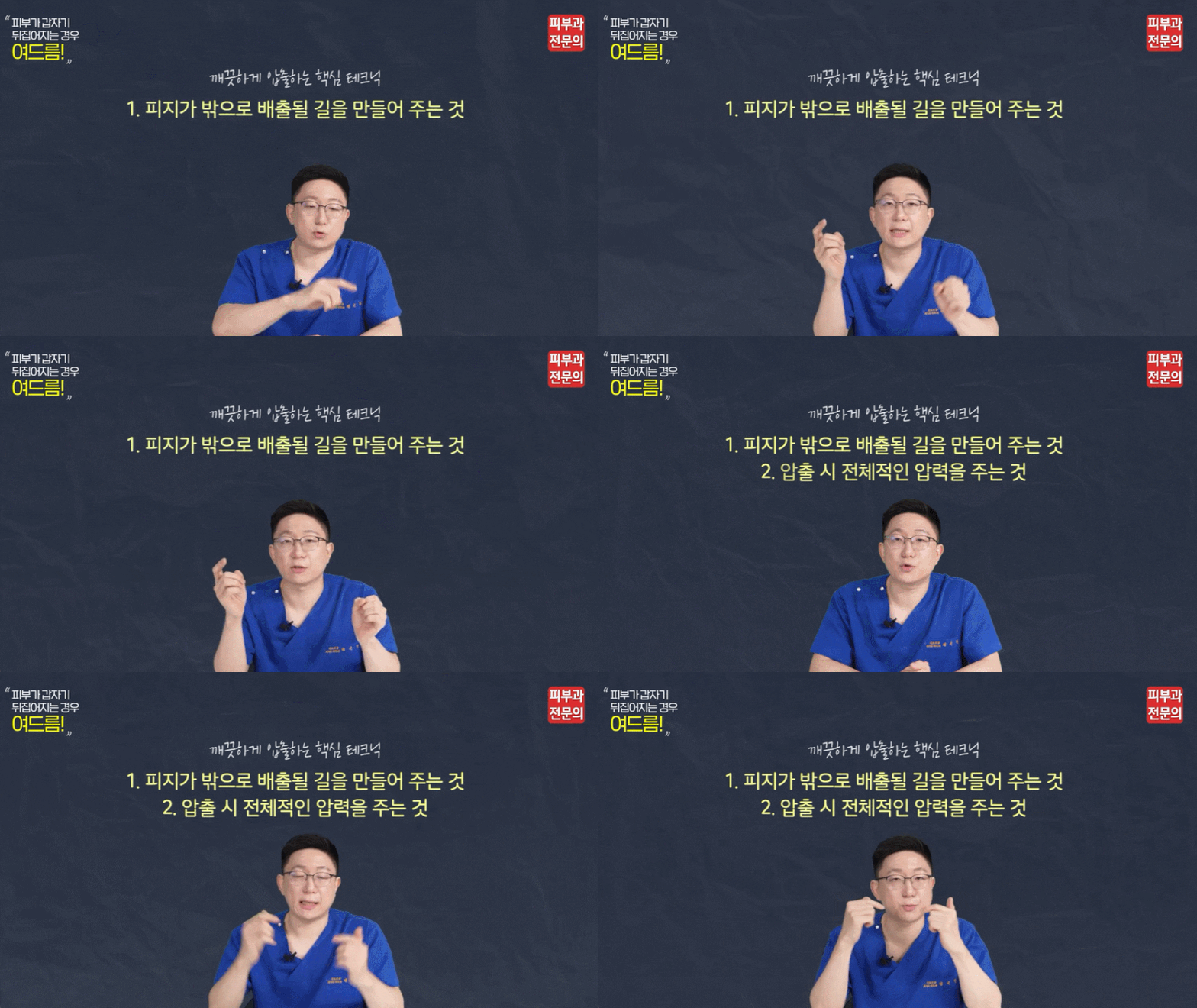
What should be managed together
to reduce recurrence?
Daily care is also important alongside acne treatment.
Keeping the skin clean is necessary, but excessive washing can instead irritate the skin.
You should also be careful about touching or squeezing acne with your hands, as this can worsen inflammation or leave scars.
Moisturizing care suited to your skin condition is also important.
If the skin becomes excessively dry, sebum production may increase and disrupt the skin’s balance.
Getting enough sleep and maintaining a regular lifestyle may also help maintain skin health.
Acne is not always a problem that ends after a single treatment; depending on the condition of the skin, ongoing care may often be necessary.
Therefore, it can be important to pursue treatment together with lifestyle management.
Acne is not caused solely by sebum. It is a skin condition affected by multiple factors, including hormonal changes, lifestyle habits, and the skin environment.
In particular, if acne repeatedly develops in the same areas or becomes worse again after improving, it is necessary to examine the current skin condition and lifestyle habits together.
In acne treatment, it is also important to examine the causes of recurrence rather than managing only the visible symptoms.
Most importantly, when acne recurs, you should not continue receiving the same treatment unconditionally. Instead, an appropriate treatment plan should be established based on your current skin condition.
If you are concerned about acne, rather than managing it on your own, we recommend having your current skin condition examined in detail and seeking an appropriate treatment approach.
We hope today’s information was helpful.
Thank you.
| This post was written for informational purposes in compliance with Article 56, Paragraphs 1–15 of the Medical Service Act. All treatments carry risks of side effects and complications, which may vary from person to person. Before treatment, please make your decision only after having a thorough consultation with a medical professional with extensive experience. |