"It gets better when I apply the ointment, but the itching comes back."
"The symptoms improved, so why do they keep recurring?"
Some people receiving treatment for atopic dermatitis describe their experience in this way.
In reality, atopic dermatitis is not a condition in which every problem can be resolved simply by managing the symptoms that appear on the skin's surface.
This is because reduced skin barrier function, along with inflammatory reactions within the skin, often plays a role.
In particular, the itching may worsen as the skin becomes drier. Scratching because of the itching can damage the skin barrier, creating a recurring vicious cycle in which the symptoms become even worse.
For this reason, skin barrier care should be considered important alongside ointment treatment for atopic dermatitis.
If care is discontinued just because the symptoms have improved, the skin may become dry again and the itching may recur.
Today, Singil Station Dermatology Clinic will explain why ointment treatment for atopic dermatitis and skin barrier care are both important.
-Singil Station Dermatology Clinic Column Outline-
-
Why atopic dermatitis symptoms recur
-
Why ointment treatment is necessary
-
Why lifestyle management is important alongside treatment
Why Atopic Dermatitis Symptoms Recur
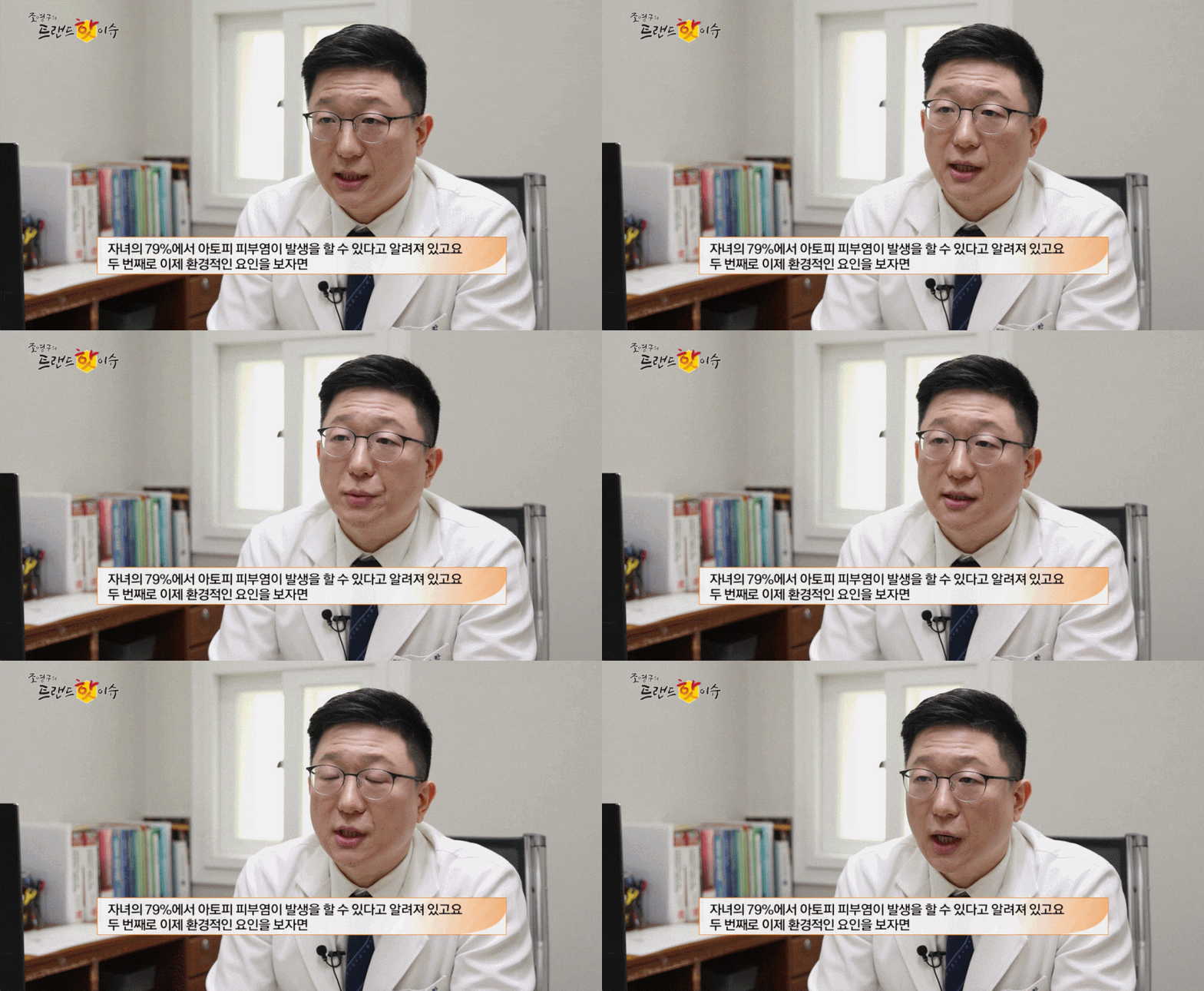
Atopic dermatitis is one of the representative skin conditions that can occur when skin barrier function becomes weakened.
Healthy skin helps retain moisture and protect the skin from external irritants.
However, these functions are weakened in atopic skin, making it easily sensitive even to minor irritation.
As a result, the skin may become dry, and itching and redness may recur.
In particular, scratching the skin due to itching can further damage the skin barrier and may also intensify the inflammatory response.
Seasonal changes, dry indoor environments, stress, and lack of sleep can also contribute to worsening symptoms.
Therefore, even among people with atopic dermatitis, the factors that cause symptoms to worsen can differ from person to person.
With atopic dermatitis, it is important not only to reduce itching but also to consider the current condition of the skin and the person's living environment together.
Why Ointment Treatment Is Necessary
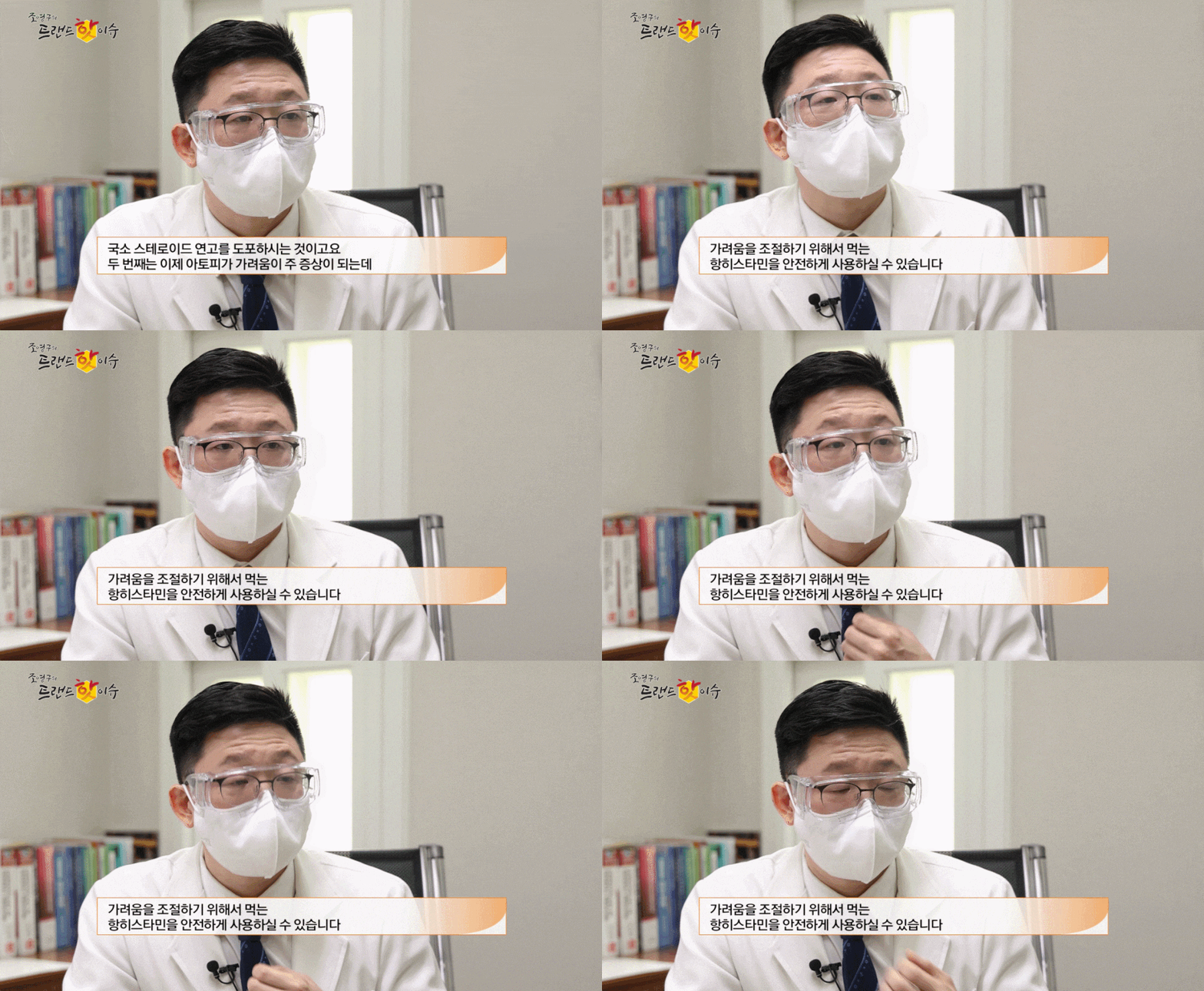
When atopic dermatitis symptoms become severe, treatment to control inflammation within the skin may be necessary.
Ointment treatment is often provided as part of this approach.
In particular, steroid ointments may help relieve itching and redness.
However, ointment treatment is not necessarily meant to be used for as long as possible.
The areas of application and the duration of use may vary depending on the current condition of the skin and the severity of the symptoms.
In particular, areas with thin skin, such as the face and neck, may have different usage guidelines from the arms or legs, so it is important to use the ointment according to the instructions of a medical professional.
Caution is also needed when stopping use or changing how the ointment is used on your own just because the symptoms have improved.
Ointment treatment may help create an environment in which the skin can recover by controlling inflammation within the skin.
Why Lifestyle Management Is Important Alongside Treatment
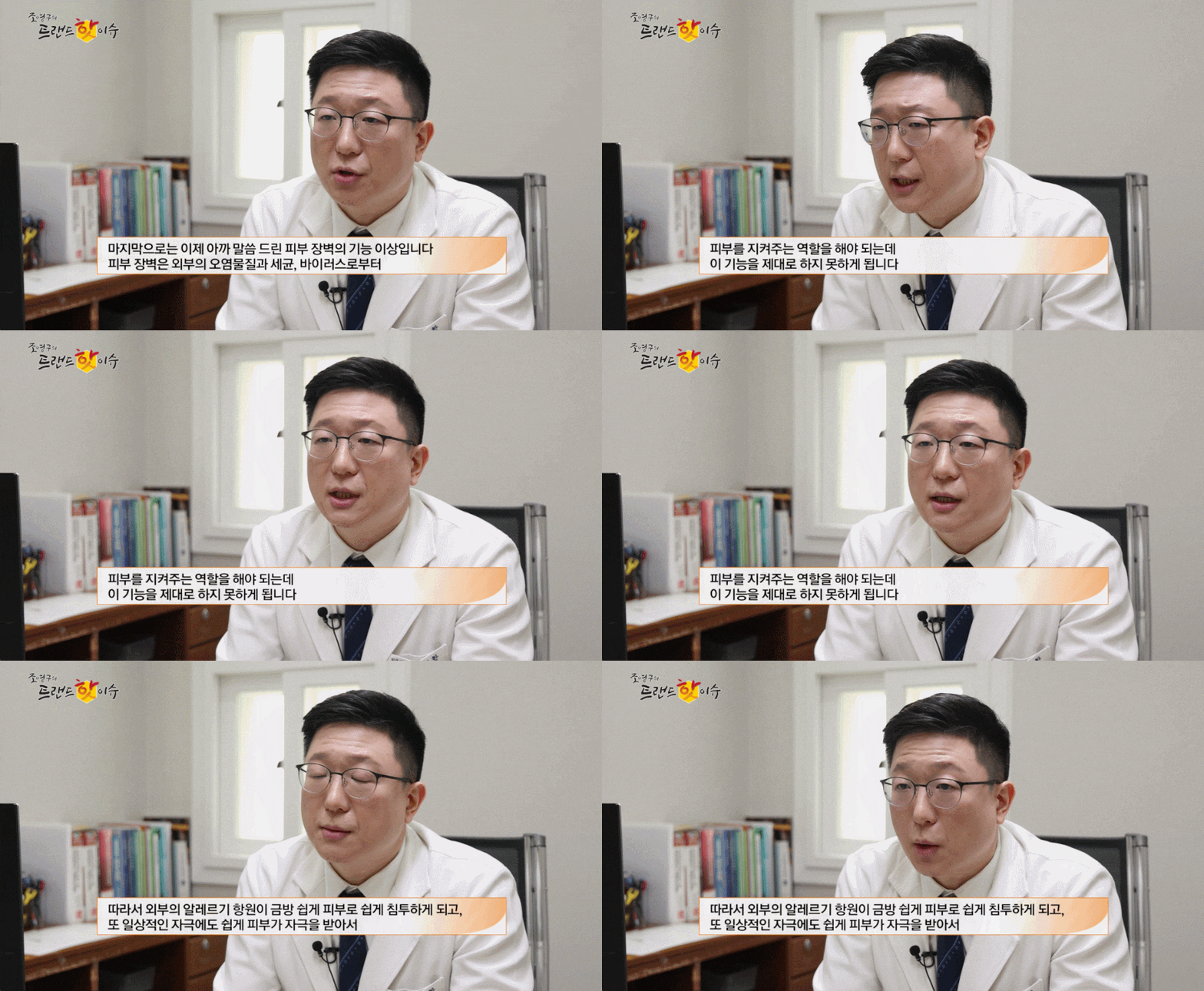
One aspect that is easy to overlook in atopic dermatitis treatment is skin barrier care.
When the skin barrier is weakened, the skin may react easily to external irritants, and moisture loss may also increase.
If this condition continues, symptoms may recur even while ointment treatment is being provided.
For this reason, skin barrier care can be considered an important part of atopic dermatitis treatment.
Moisturizing care, in particular, may help maintain the skin barrier.
Because skin moisture can decrease quickly after showering, it is important to use a moisturizer appropriately at that time.
It is also best to avoid showering for a long time in excessively hot water or vigorously rubbing the skin.
Maintaining an appropriate indoor humidity level may also help, and after sweating heavily, it is advisable to care for the skin in a way that reduces irritation.
Adequate sleep and regular lifestyle habits may also help maintain skin health.
Ointment treatment and skin barrier care have different roles, but they are even more important when carried out together.

Atopic dermatitis is not simply a problem of dry skin; damage to the skin barrier and inflammatory responses both affect the condition.
Therefore, if itching and redness continue to recur, it is necessary to examine the current condition of the skin in detail.
Ointment treatment may help control inflammation within the skin, while skin barrier care helps protect the skin and reduce recurring symptoms.
It is also important to carry out both approaches according to the current condition of the skin, rather than focusing on just one type of care.
Most importantly, care should not be discontinued simply because the symptoms have improved.
When treatment and care suited to the condition of the skin are continued consistently, they may help maintain a more stable skin condition.
If you are concerned about recurring atopic dermatitis symptoms, rather than managing them on your own, we recommend having your current skin condition assessed and establishing an appropriate treatment plan.
We hope today's information was helpful.
Thank you.
| This post was written for informational purposes in compliance with Article 56, Paragraphs 1–15 of the Medical Service Act. All treatments carry the risk of side effects and complications, which may vary from person to person. Before receiving treatment, please consult thoroughly with an experienced medical professional and make your decision afterward. |