When acne appears, some people instinctively reach for it first.
When looking in the mirror, many people become bothered by raised pimples and try to squeeze or extract them themselves.
In particular, as methods for extracting acne are easily available online and through social media, more people are managing their acne themselves at home.
However, not all acne is in the same condition.
While appropriate extraction treatment may be helpful in some cases, in others it may instead worsen inflammation or lead to scarring.
Therefore, in acne treatment, it may be important to first check the current condition of the skin rather than extracting acne unconditionally.
Today, Daerim Station Dermatology Clinic will explain when acne extraction treatment is needed and why you should not squeeze all acne unconditionally.
-Contents of the Daerim Station Dermatology Clinic Column-
-
What is acne extraction treatment?
-
Why you should not squeeze all acne
-
What else should be checked during acne treatment
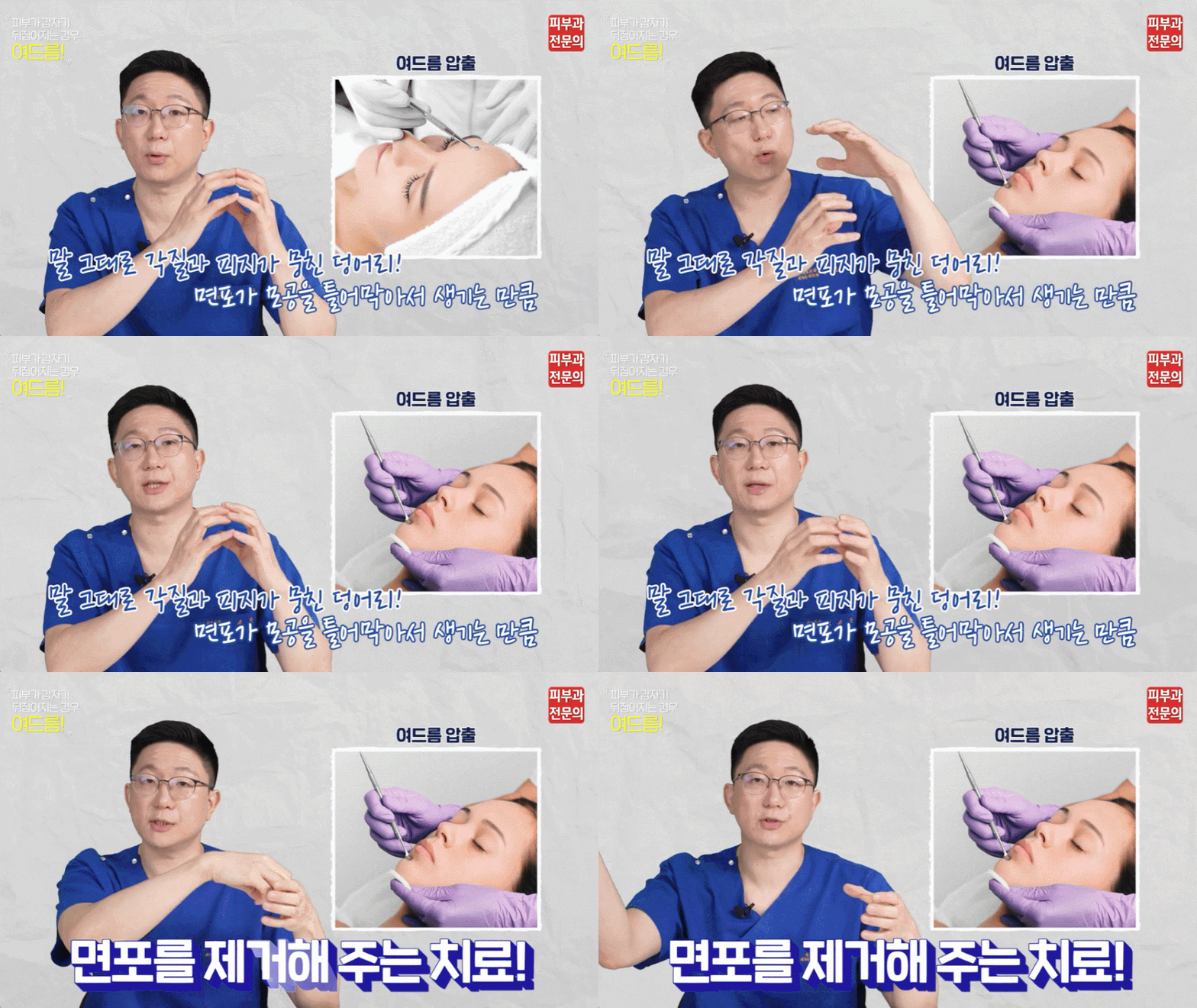
What is acne extraction treatment?
Acne extraction treatment refers to a treatment that helps improve the condition of the skin by removing sebum and dead skin cells accumulated inside the pores.
In particular, appropriate extraction treatment may be helpful for whiteheads and comedonal acne.
This is because prolonged pore blockage can progress to inflammatory acne.
However, extraction treatment should not be thought of simply as the process of squeezing out acne.
It is important to proceed only after checking the type of acne, degree of inflammation, and condition of the skin.
After extraction, care may also be needed to minimize skin irritation and prevent additional inflammation from developing.
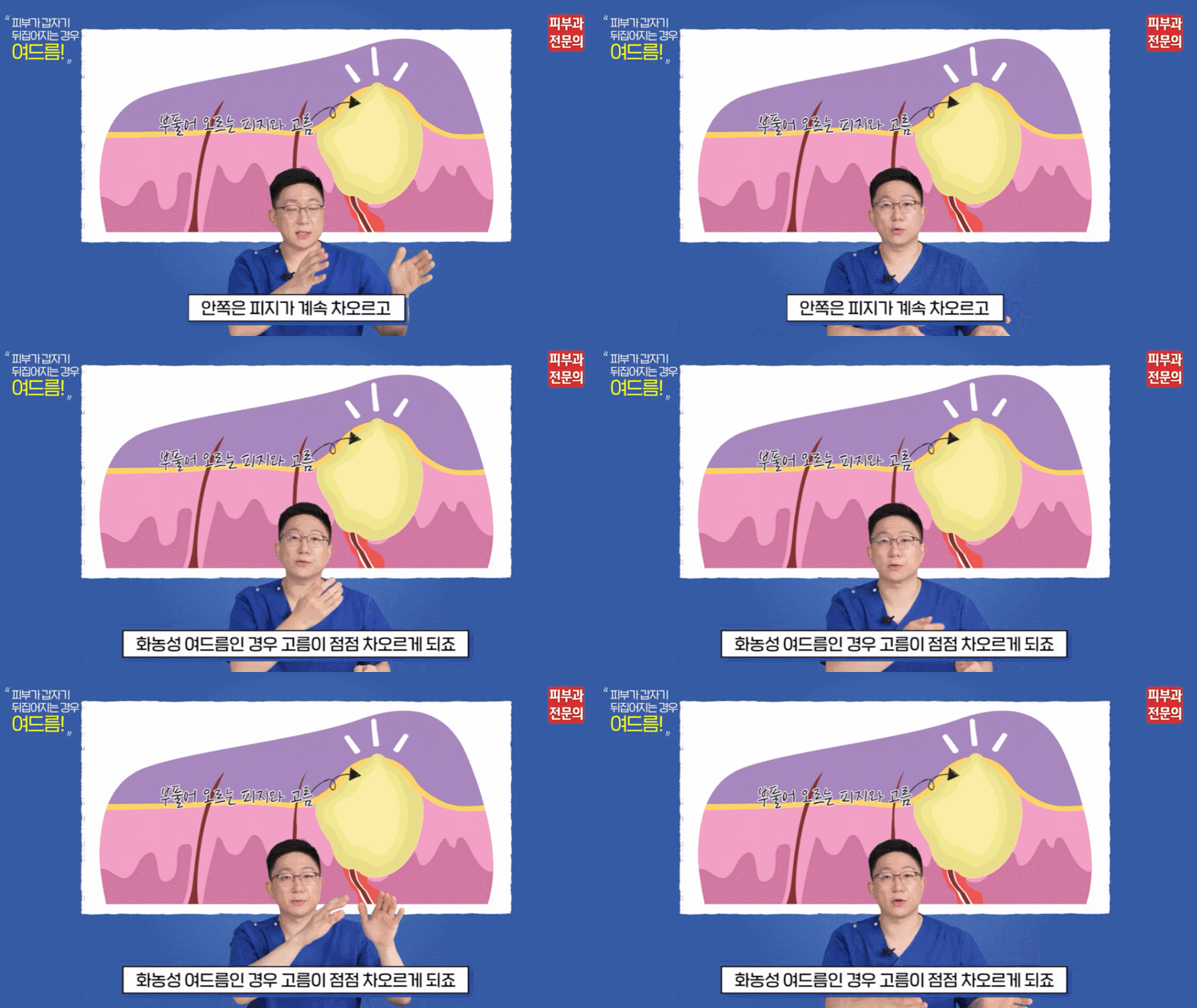
Why you should not squeeze all acne
Many people generally think that acne should be squeezed out quickly as soon as it appears.
However, forcefully extracting severely inflamed acne or acne located deep within the skin may instead worsen the condition.
In particular, directly squeezing acne with your hands may increase the risk of bacterial infection and may also damage the skin tissue.
As a result, red marks, hyperpigmentation, or acne scars may remain.
Also, even if they look similar, whiteheads, inflammatory acne, and nodular acne may require different treatment methods.
Therefore, rather than relying only on other people's experiences or information found online, it is important to first check the current condition of your skin.
Most importantly, the goal should be to manage acne while minimizing skin damage rather than simply eliminating it.
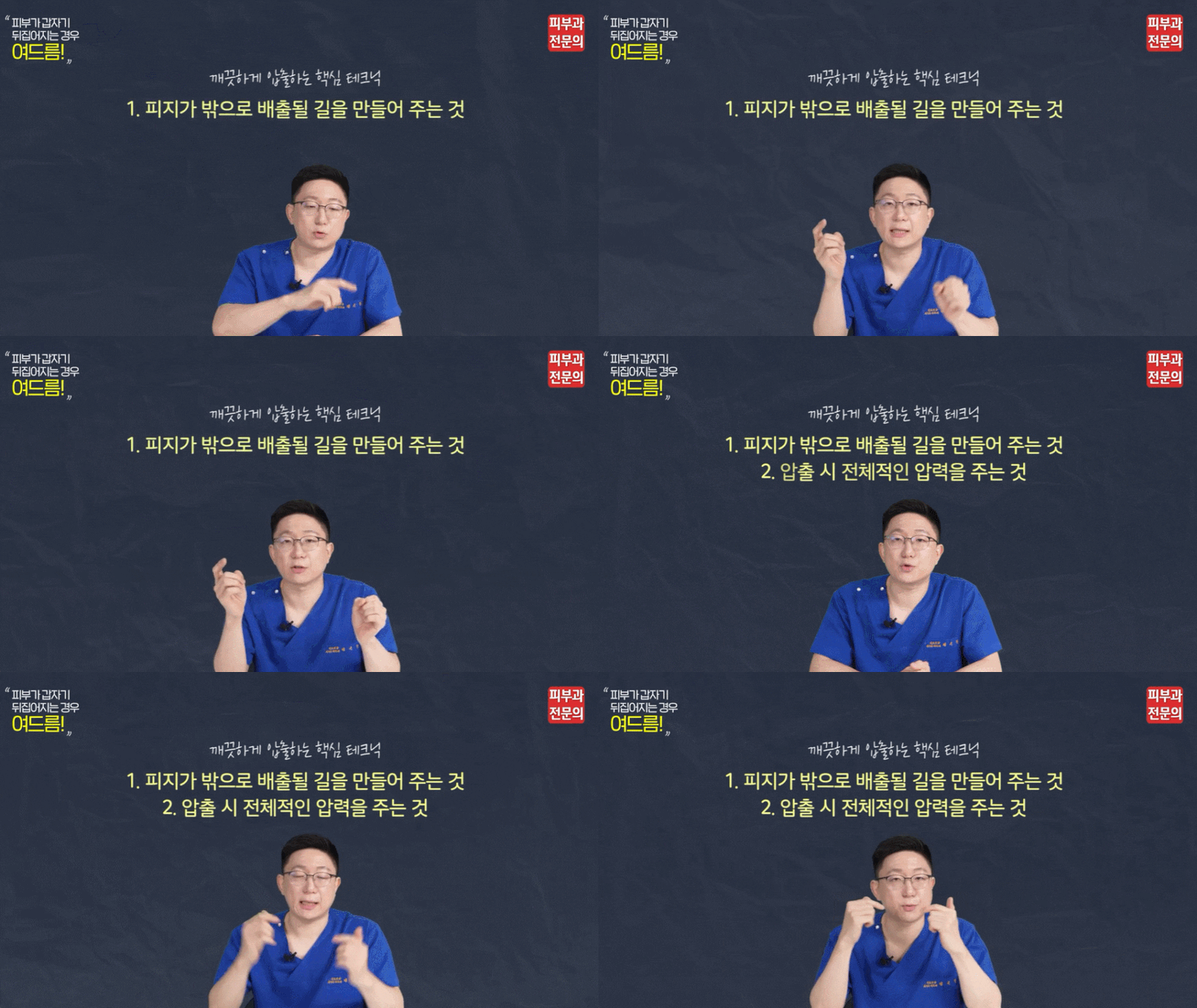
What else should be checked during acne treatment
Acne treatment is often not resolved through extraction treatment alone.
Depending on the current condition of the skin and the type of acne, medication, acne scaling, and lifestyle management may also be considered together.
If acne repeatedly develops in the same area, it may also be necessary to check sebum production, lifestyle habits, and the skin environment together.
Excessive cleansing or using cosmetics that are not suitable for your skin may also contribute to worsening acne.
In addition, getting sufficient sleep and maintaining regular lifestyle habits may help maintain skin health.
Acne treatment should involve not only removing visible lesions but also management aimed at reducing recurrence.
Therefore, it is important to establish a treatment plan suited to the current condition of your skin.
Acne extraction treatment may be a helpful treatment method depending on the condition of the skin.
However, unconditionally squeezing all acne may instead worsen inflammation and scarring.
In particular, for inflammatory acne or acne that occurs repeatedly, it is important to first check the current condition of the skin.
Acne treatment may also be more helpful when it includes not only extraction but also lifestyle habits and skin care.
If you are concerned about recurring acne, rather than attempting extraction on your own, it would be advisable to carefully check the current condition of your skin and then establish an appropriate treatment plan.
I hope today's information was helpful.
Thank you.
| This post was written for informational purposes in compliance with Articles 56(1)–(15) of the Medical Service Act. All treatments carry the risk of side effects and complications, which may vary from person to person. Before treatment, please consult sufficiently with medical professionals who have extensive experience and make your decision afterward. |