After being diagnosed with psoriasis and starting treatment, many people ask similar questions.
"My condition hasn't improved even though I've continued applying ointment. Do I need another treatment?"
"Can psoriasis be completely cured with phototherapy?"
"Is it okay to receive phototherapy without taking medication?"
Psoriasis is not simply a skin problem. It is a chronic inflammatory skin disease caused by a combination of abnormalities in the immune system and inflammatory responses.
Therefore, treatment is not the same for every patient. The treatment method is determined by considering the extent and location of the lesions, the severity of the symptoms, and the response to previous treatments.
Phototherapy is one of the representative treatment methods that has been used for a relatively long time, but it is not applied in the same way to every patient with psoriasis.
In some cases, it may be a good treatment option, while in others, it may be more appropriate to use it together with another treatment.
Today, focusing on psoriasis treatment at Dangsan Station Dermatology, we will discuss what phototherapy is, when it may be considered, and whether psoriasis can improve with phototherapy alone.
-Order of this Dangsan Station Dermatology column-
-
Why does psoriasis keep recurring?
-
When is phototherapy considered?
-
Can psoriasis improve with phototherapy alone?
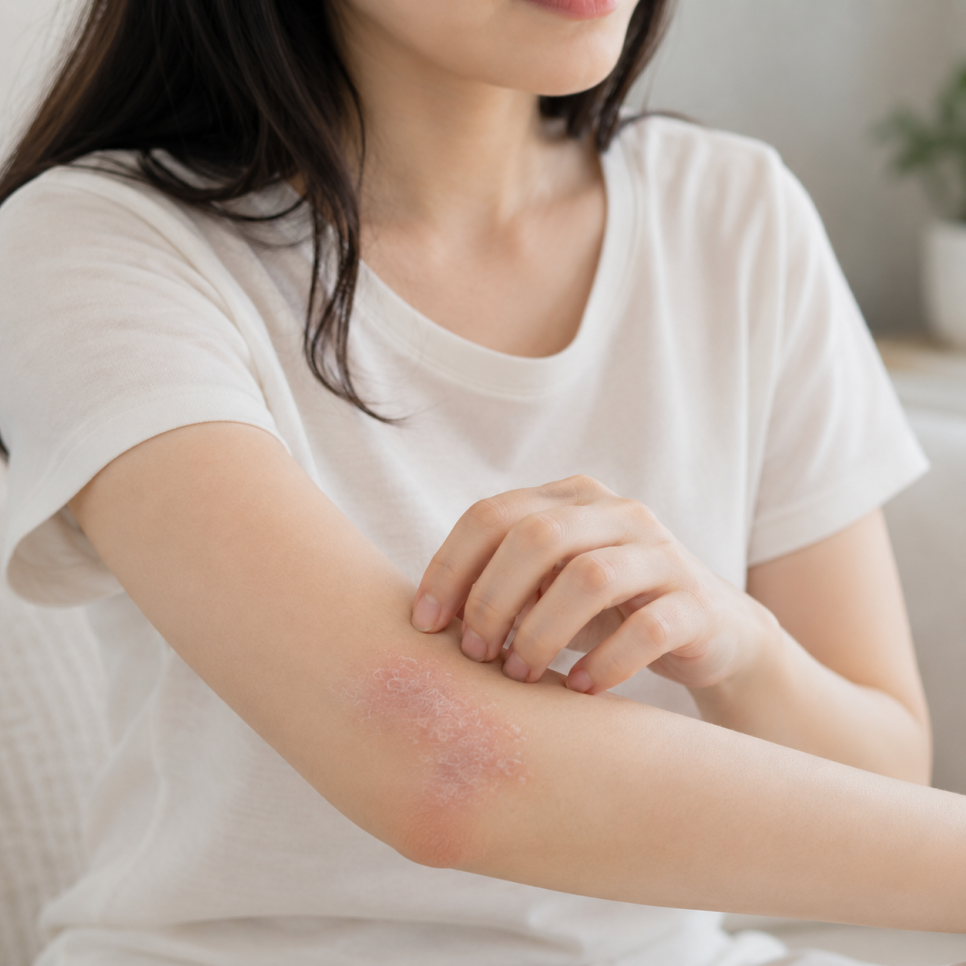
Why does psoriasis keep recurring?
Psoriasis is a chronic disease in which immune responses are involved, rather than merely a problem affecting the skin's surface.
In normal skin, the process of producing and shedding new skin cells takes about a month.
However, in psoriasis, this process progresses very rapidly over the course of just a few days, causing thick scales to build up on the skin's surface and red lesions to appear.
Typical symptoms include red patches covered with silvery-white scales. These commonly occur in areas subject to frequent friction, such as the elbows, knees, and scalp.
Depending on the individual, lesions may also appear on various areas such as the palms and soles, nails, or torso, and some people may also experience itching or a stinging sensation.
Psoriasis also often follows a cycle in which it improves and then becomes worse again.
Various factors, including seasonal changes, skin irritation, stress, infections, alcohol consumption, and smoking, can contribute to worsening symptoms. Therefore, management suited to the current condition is important rather than short-term treatment alone.
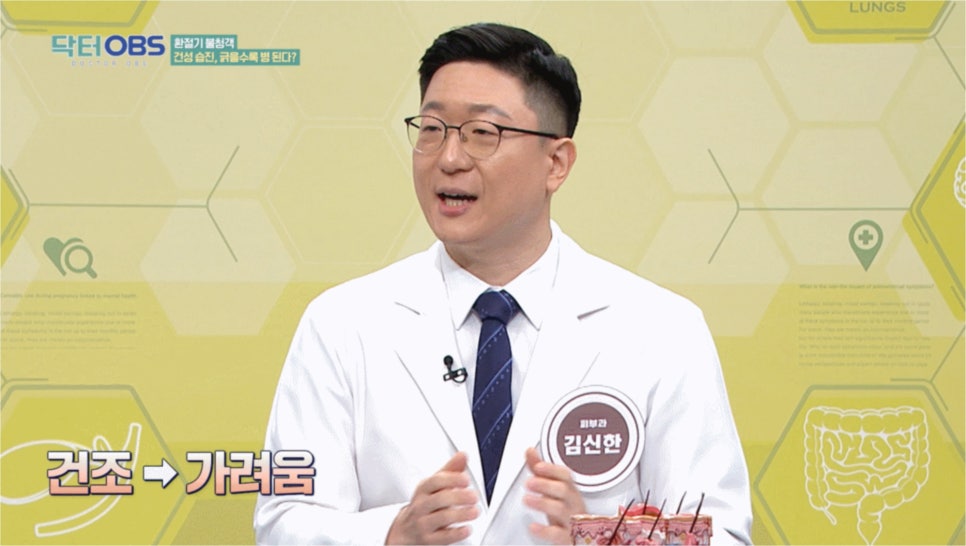
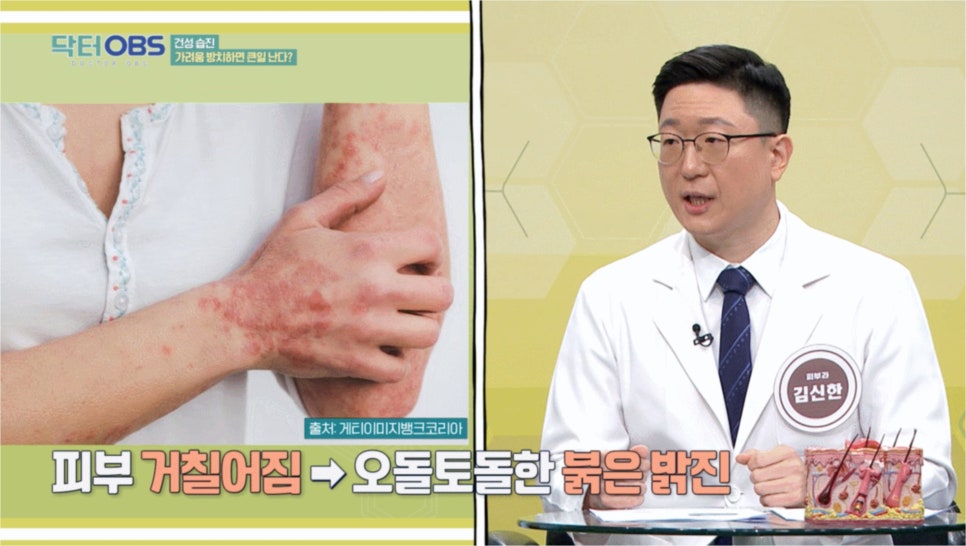

Phototherapy: When is it considered?
Whether to use phototherapy is determined by considering the extent of the lesions and the response to treatment.
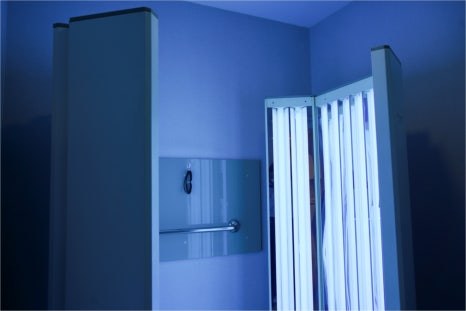
Phototherapy uses ultraviolet light to regulate excessive inflammatory responses in the skin.
Depending on the condition of the skin, treatment is performed several times at regular intervals.
Phototherapy may be considered in the following cases.
-
When improvement with ointment treatment alone is insufficient
-
When the affected area is relatively extensive
-
When it needs to be considered before systemic treatment
-
When maintenance treatment is needed
However, phototherapy is not suitable for every patient.
It is important to establish a treatment plan after also examining the location and extent of the lesions, skin type, existing medical conditions, and medications currently being taken.
Phototherapy is generally continued consistently over a certain period rather than expecting results after just one or two sessions. The number and intensity of treatments are adjusted according to the medical professional's plan.
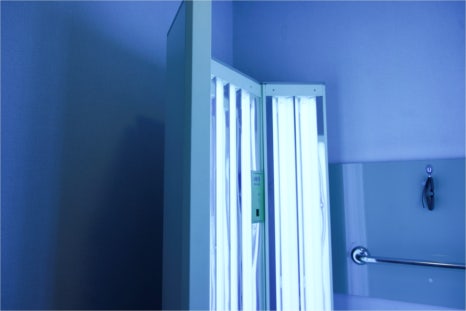
Can psoriasis improve with phototherapy alone?
Phototherapy may help treat psoriasis, but phototherapy alone is not sufficient for every patient.
The severity of symptoms, extent of lesions, affected areas, and recurrence patterns all vary from patient to patient.
Therefore, the most appropriate treatment is determined after comprehensively evaluating the current condition of the skin.
For example, if the lesions are relatively limited, symptoms may be controlled with topical treatment alone in some cases.
On the other hand, if the lesions are extensive or improvement with ointment treatment alone is insufficient, phototherapy may be performed in combination with it.
If symptoms are severe or accompanied by joint symptoms, other treatments, such as systemic treatment or biologic agents, may also be considered.
In other words, phototherapy is an important treatment method for psoriasis, but it is not a treatment that is applied in the same way to every patient.
Phototherapy also often requires consistent treatment.
In general, the skin's response is monitored while treatment is performed several times at regular intervals. The number of sessions or treatment plan may also be adjusted according to changes in symptoms during treatment.
A temporary improvement in psoriasis symptoms does not mean that treatment is completely finished.
Even after symptoms improve, lifestyle management and efforts to reduce skin irritation should be continued, as they may help lower the risk of recurrence.
Psoriasis is a chronic skin disease for which the treatment method varies depending on the severity of symptoms and the extent of the lesions.
Phototherapy is one treatment method that may help regulate inflammation, but phototherapy alone is not suitable for every patient.
It is important to establish a treatment plan after comprehensively evaluating the current condition of the skin, the response to previous treatment, and the extent of the lesions.
If symptoms continue to recur despite consistently using ointments, or if the lesions are gradually spreading, it may be helpful to reassess your current condition and consult a medical professional about which treatment method is appropriate for you.
Psoriasis Q&A
Q. Is phototherapy a treatment that completely cures psoriasis?
A. Phototherapy is a treatment that may help relieve inflammation and skin symptoms caused by psoriasis. However, because psoriasis is a chronic disease, ongoing management and treatment may be necessary depending on the severity of the symptoms.
Q. How long do I need to receive phototherapy?
A. The number of treatments may vary depending on the patient's skin condition and the extent of the lesions. In general, treatment is performed several times at regular intervals while the progress is monitored.
Q. Can I receive phototherapy while applying ointment?
A. This may be possible in some cases. In practice, topical treatment and phototherapy are sometimes used together, and the treatment method is determined by comprehensively considering the current symptoms and skin condition.
Q. Is treatment necessary even after psoriasis improves?
A. Even after symptoms improve, skin care and regular follow-up may be necessary to help prevent recurrence. Since management methods may vary depending on the individual's condition, it is advisable to consult a medical professional.
| This post was written for informational purposes in compliance with Articles 56(1) through 56(15) of the Medical Service Act. All treatments carry risks of side effects and complications that may vary from person to person. Before treatment, be sure to have a thorough consultation with a medical professional with extensive experience before making a decision. |