It is easy to assume that increased dandruff on the scalp or facial redness is caused by cosmetics or shampoo that does not suit your skin.
Some people stop using the product for a few days or apply moisturizer and simply wait, as the symptoms may seem to settle down.
However, if redness, itching, and flaking repeatedly occur around the nose, between the eyebrows, around the ears, or on the scalp—areas with high sebum production—it is worth checking for seborrheic dermatitis.
Seborrheic dermatitis is a chronic inflammatory skin condition that may improve and then worsen again, rather than being a condition that appears once and ends.
Therefore, if you assume treatment is complete just because your skin has improved, similar symptoms may reappear and cause concern.
When it occurs on the face, it can easily be confused with simple sensitive skin or contact dermatitis, while symptoms on the scalp may be mistaken for ordinary dandruff.
Today, for those looking into seborrheic dermatitis, we will explain in detail why redness and itching recur and what to check when symptoms appear.
-Order of the Boramae Station Dermatology Clinic column-
-
Why does seborrheic dermatitis appear in specific areas?
-
Why do redness and itching improve and then worsen again?
-
How can it be distinguished from dandruff or sensitive skin?
-
How is seborrheic dermatitis treated and managed?
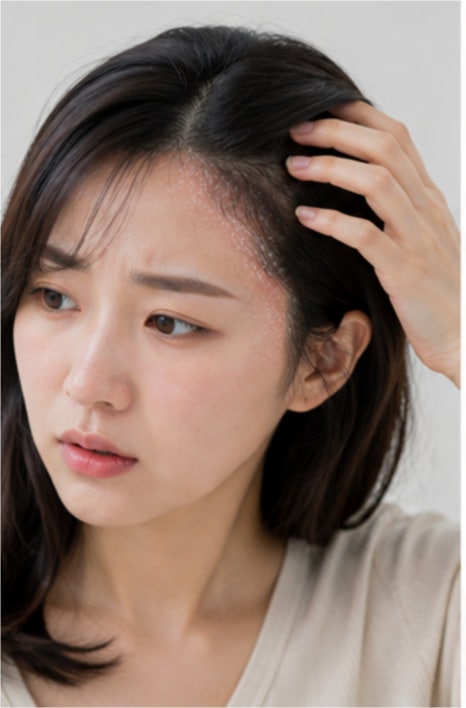
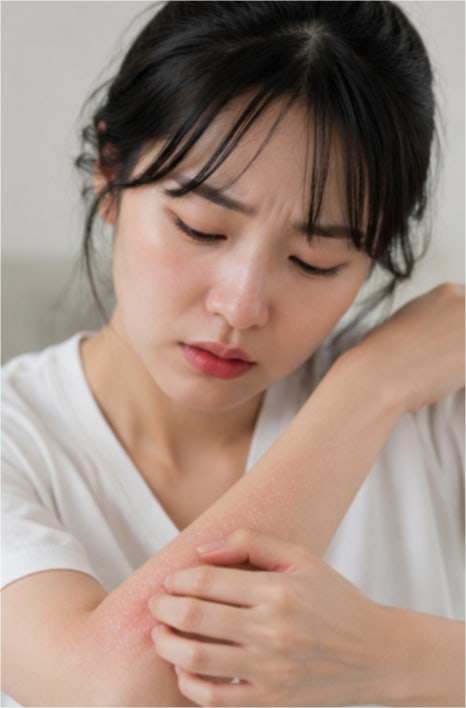
Seborrheic Dermatitis
Why Does It Appear in Specific Areas?
Boramae Station Dermatology Clinic: Seborrheic Dermatitis
Seborrheic dermatitis mainly occurs in areas with active sebum production and is a condition involving a combination of several factors.
Symptoms may typically appear on areas with well-developed sebaceous glands, including the scalp, eyebrows, the area between the eyebrows, around the nose and ears, and the chest.
Its exact cause cannot be explained by a single factor.
It is understood to involve a combination of sebum, an individual's immune response in the skin, and the condition of the skin barrier.
Typical symptoms include the following.
| Area | Possible symptoms |
|---|
| Scalp | Dandruff, flaking, redness, itching |
| Face | Red patches and flaking around the nose, eyebrows, and between the eyebrows |
| Around the ears | Redness and flaking behind the ears or around the outer ear |
| Torso | Red patches on areas with high sebum production, such as the chest |
However, you should not diagnose seborrheic dermatitis yourself based on these symptoms alone.
Because other skin conditions can have a similar appearance, the location and appearance of the lesions, as well as their recurring pattern, should be considered together.



Redness and Itching
Why Do They Improve and Then Worsen Again?
Boramae Station Dermatology Clinic: Seborrheic Dermatitis
Because seborrheic dermatitis may alternate between improvement and worsening, temporary improvement does not mean that inflammation will not return.
During periods when symptoms are severe, the skin may become red and itchy, and after some time, the flaking and redness may decrease to some extent.
However, symptoms may worsen again when several factors affecting the individual overlap, such as seasonal changes, stress, and lack of sleep.
In particular, when the skin is sensitive, irritating cleansing or repeated scratching may damage the skin barrier and increase discomfort.
An important point is that a recurrence does not necessarily mean that you have managed your condition incorrectly.
Because seborrheic dermatitis itself may follow a recurring course, the goal of treatment is not to ensure that it never occurs again after a single treatment, but rather
to control the inflammation and manage the frequency and severity of flare-ups.
Therefore, instead of stopping all treatment and management whenever symptoms improve, it can be helpful to identify the situations in which your skin worsens.
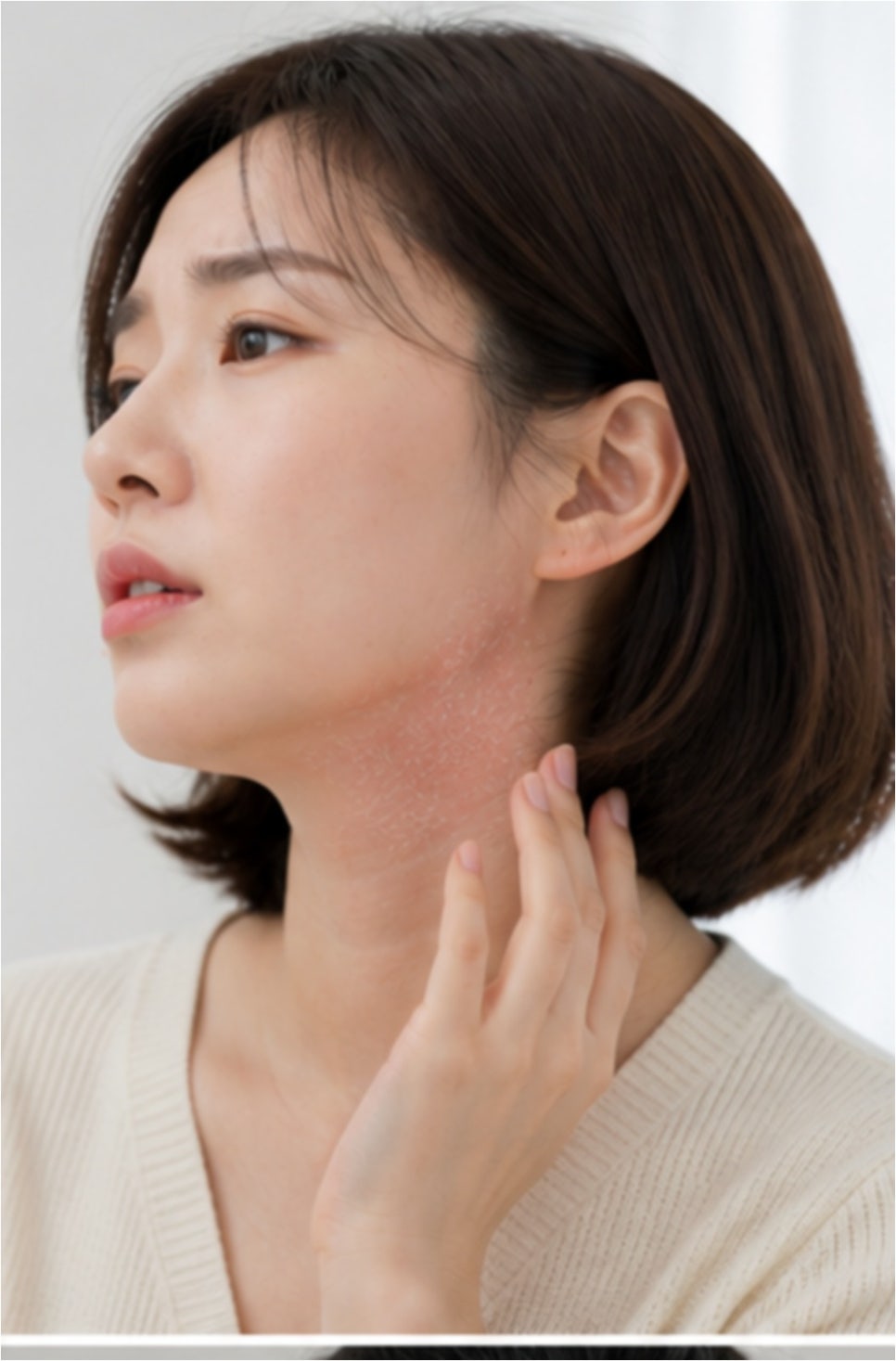
How Can It Be Distinguished
from Dandruff or Sensitive Skin?
Boramae Station Dermatology Clinic: Seborrheic Dermatitis
You should consider not only flaking but also the location, redness, itching, and whether the symptoms recur.
Not every case of white flakes falling from the scalp is seborrheic dermatitis.
Likewise, facial redness and stinging do not necessarily indicate the same condition.
Some similar symptoms may also occur with psoriasis, atopic dermatitis, or contact dermatitis, so it may be difficult to distinguish them based on a single visible feature.
For example, if symptoms suddenly appear in a specific area after using new cosmetics or hair dye, the possibility of contact dermatitis should also be considered.
Conversely, if similar symptoms repeatedly occur in several sebum-rich areas, such as the scalp, eyebrows, and around the nose, it may be necessary to check whether seborrheic dermatitis is present.
It is especially advisable to have your skin condition checked in the following cases.
-
Dandruff and scalp itching recur over a long period
-
Redness and flaking appear together around the nose or on the eyebrows
-
Symptoms settle down but continue to recur
-
Oozing or scabs develop in scratched areas
-
Symptoms do not improve with ordinary moisturizing or simply changing shampoo
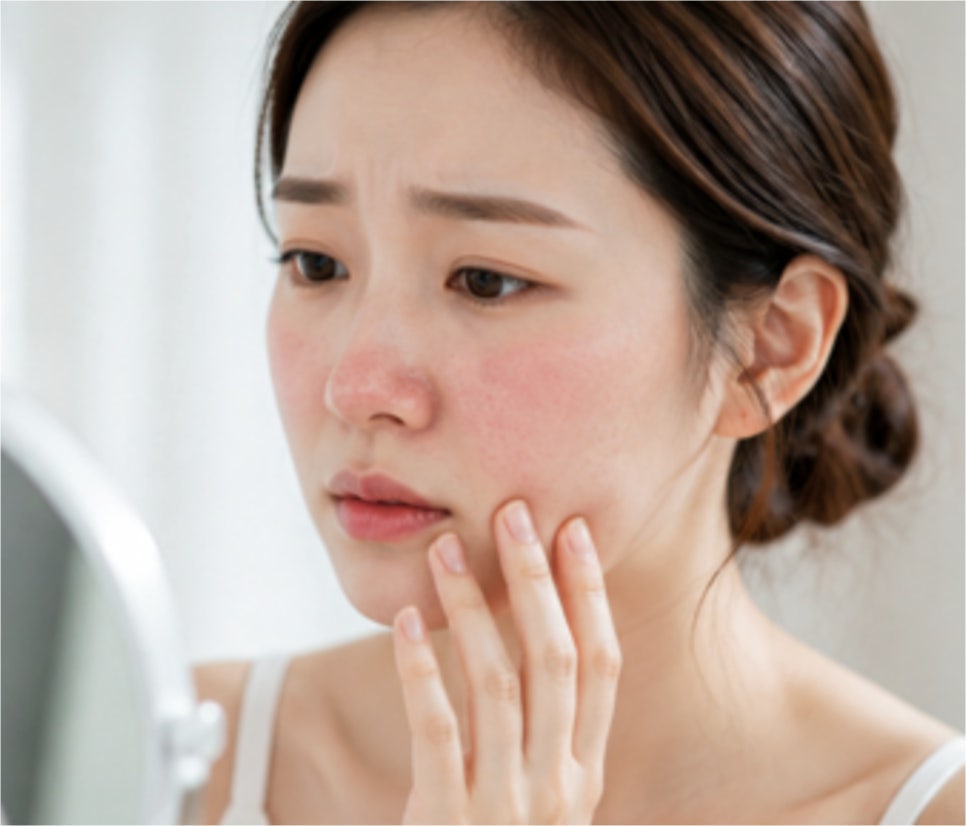
How Is Seborrheic Dermatitis
Treated and Managed?
Boramae Station Dermatology Clinic: Seborrheic Dermatitis
Treatment focuses on controlling symptoms according to the severity of the inflammation and the affected area.
Because the scalp and face have different skin characteristics, the treatment methods used may differ even for the same condition, seborrheic dermatitis.
Depending on the condition of the scalp, shampoos containing antifungal ingredients or topical treatments may be used. For the face or other areas, antifungal or anti-inflammatory treatments may be applied after considering the degree of inflammation.
Daily care is also important alongside treatment.
However, excessive cleansing or forcibly removing flakes in the belief that the skin must be kept extremely clean may instead irritate the skin.
Therefore, it is advisable to maintain a cleansing routine suited to your skin condition, identify situations that worsen your symptoms, and manage the condition by appropriately controlling recurring inflammation.
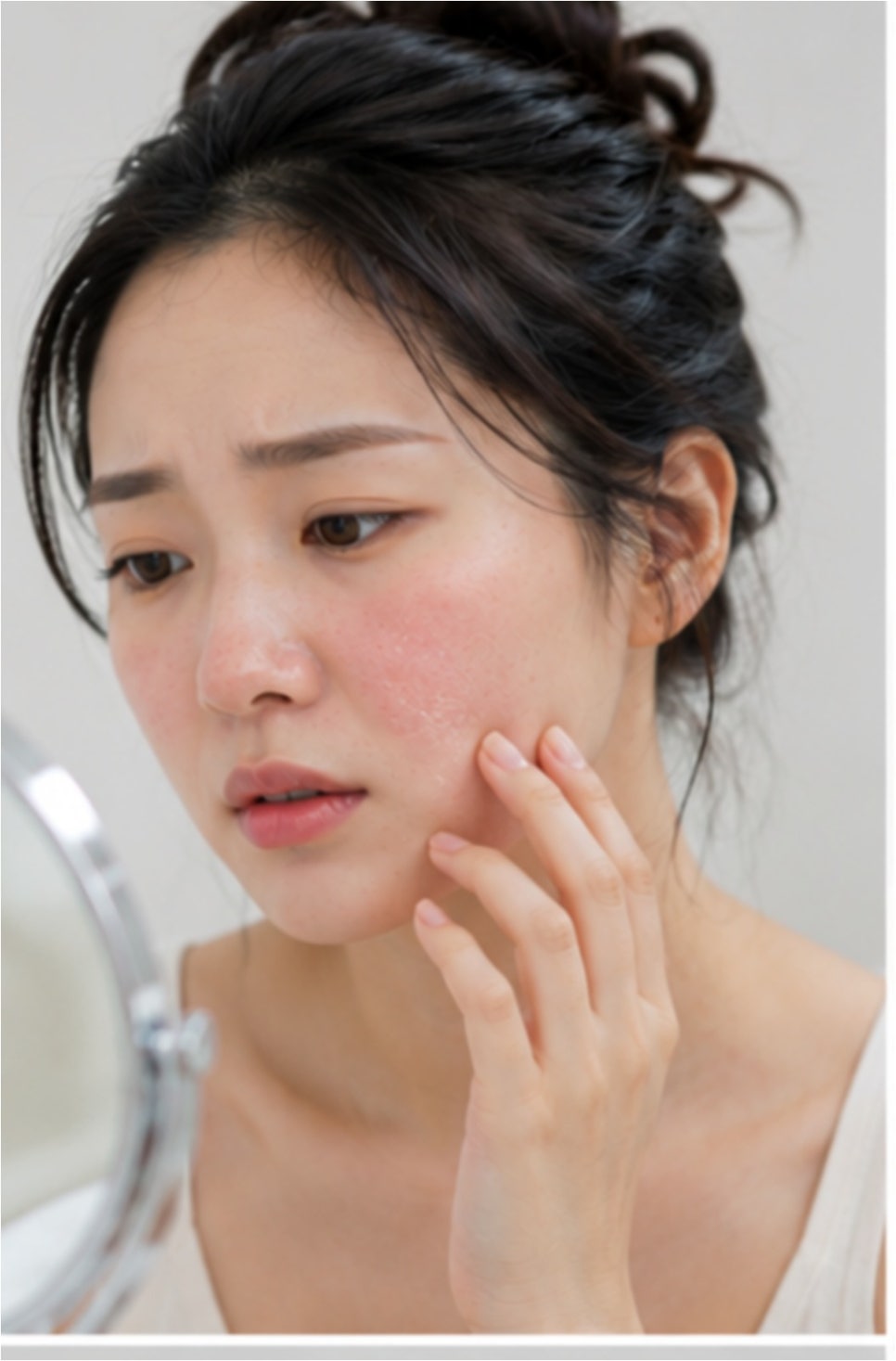
Seborrheic dermatitis should not be viewed simply as a problem caused by excessive sebum or failure to wash the skin thoroughly.
Various factors, including sebum production and the skin's immune response, are involved, and redness, itching, and flaking may improve and then recur in a repeating pattern.
Therefore, if you are looking into seborrheic dermatitis, it is important to consider not only removing the flakes that are immediately visible, but also the location and form of the symptoms and their pattern of recurrence.
In particular, if similar symptoms repeatedly occur not only on the scalp but also on the eyebrows, around the nose, or around the ears, or if itching and redness persist despite routine care, it is necessary to distinguish them from other skin conditions and determine a management and treatment approach suited to your current condition.
Seborrheic Dermatitis Q&A
Q. Can seborrheic dermatitis go away?
A. Seborrheic dermatitis is a chronic skin condition that may alternate between improvement and worsening. Therefore, treatment focuses on reducing the inflammation currently present and managing the frequency and severity of symptom flare-ups.
Q. Does having a lot of dandruff mean that I have seborrheic dermatitis?
A. Seborrheic dermatitis cannot be determined based on dandruff alone. You should check whether scalp redness, itching, or inflammation is also present and distinguish it from other scalp conditions.
Q. Can seborrheic dermatitis develop on the face?
A. Yes. It may occur not only on the scalp but also in areas with well-developed sebaceous glands, such as the eyebrows, between the eyebrows, around the nose, and around the ears.
Q. If I have a lot of flakes, can I remove them with a scrub?
A. Repeated friction or aggressive exfoliation may irritate the skin barrier and worsen symptoms. Rather than forcibly removing flakes, it is advisable to receive treatment and care suited to the current state of inflammation.
Boramae Station Dermatology Clinic: Seborrheic Dermatitis Symptoms—What If Redness and Itching Keep Recurring?
| This post was written for informational purposes in compliance with Article 56, Paragraphs 1–15 of the Medical Service Act. All treatments carry the risk of side effects and complications, which may vary from person to person. Before treatment, be sure to have a sufficient consultation with a medical professional with extensive experience before making a decision. |