When acne appears, the first thought that often comes to mind is, “Shouldn’t acne get better faster if I just squeeze it?”
This is especially easy to think when you can feel small bumps on the skin or see sebum filling the pores and appearing white—that extraction must be done first for the skin to improve quickly.
However, not all acne begins and progresses in the same way.
There is comedonal acne caused by clogged pores, inflammatory acne that appears red and raised, and acne that feels firm deep beneath the skin.
Because the necessary treatment may differ depending on the type of acne, extraction is not the first treatment for every case of acne.
In fact, forcefully touching severely inflamed lesions or repeatedly squeezing them at home can increase the risk of skin damage and scarring, so caution is needed.
Therefore, if you are considering acne extraction at a Jangseungbaegi Station dermatology clinic, it is important to first examine what type of lesion has appeared and how severe the inflammation is.
Today, we will look at three criteria for what should be checked before acne extraction.
-Column outline from the Jangseungbaegi Station dermatology clinic-
-
Is the acne that has appeared ready for extraction?
-
If acne continues to develop, is removing sebum all that is needed?
-
What criteria should be used to determine acne treatment?
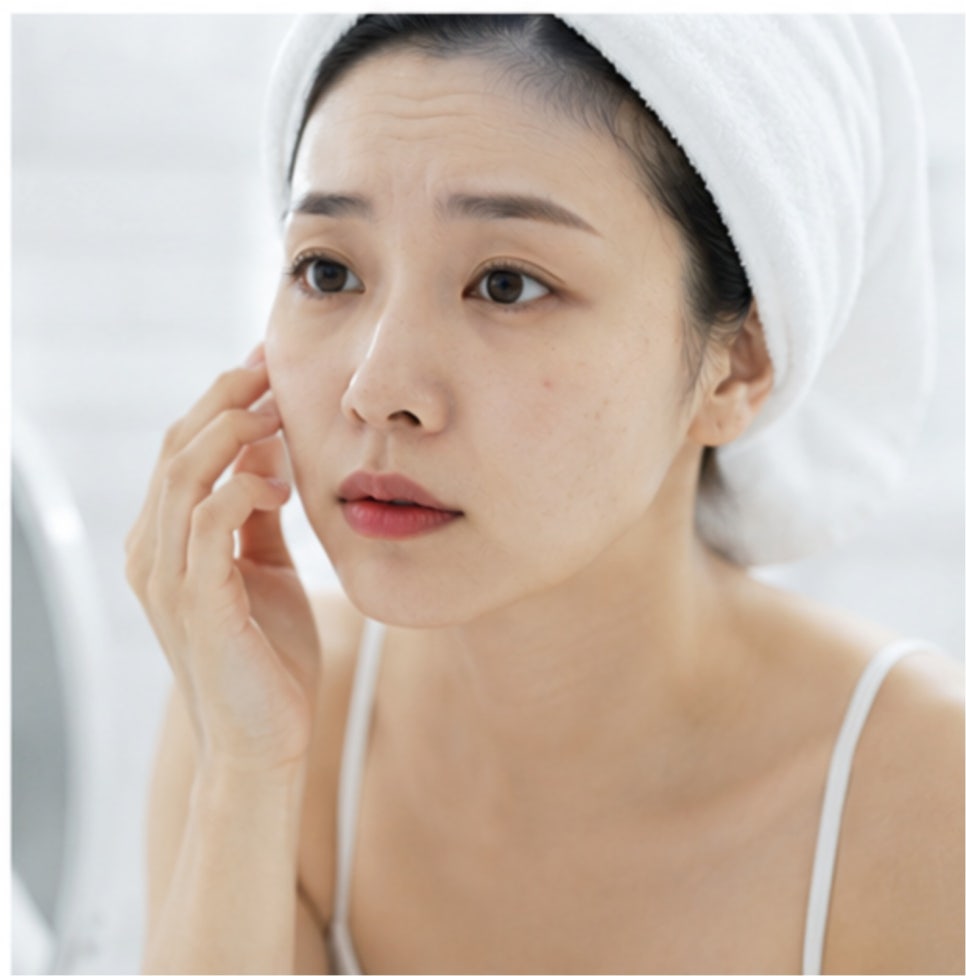
Is the acne that has appeared,
ready for extraction?
Acne at a Jangseungbaegi Station dermatology clinic
The first thing to check before deciding whether to perform extraction is the type of acne.
Acne generally begins as sebum and dead skin cells accumulate inside the pores.
When sebum accumulates with the pore opening closed, closed comedones—commonly called whiteheads or small, flesh-colored bumps—may appear. When the pore remains open and its contents are visible, it may appear as an open comedone, such as a blackhead.
For some of these comedonal lesions, professional extraction may be used as part of treatment depending on the condition of the skin.
Comedone extraction may be helpful particularly for blackheads or whiteheads that do not respond well to other acne treatments.
If an inflamed lesion is pressed forcefully by hand, the surrounding tissue may be irritated. The possibility of red marks, hyperpigmentation, or scarring afterward must also be considered.
Therefore, rather than extracting every bump simply because something has appeared on the skin, it is necessary to first distinguish whether it is a comedone or a lesion in which inflammation has already progressed.
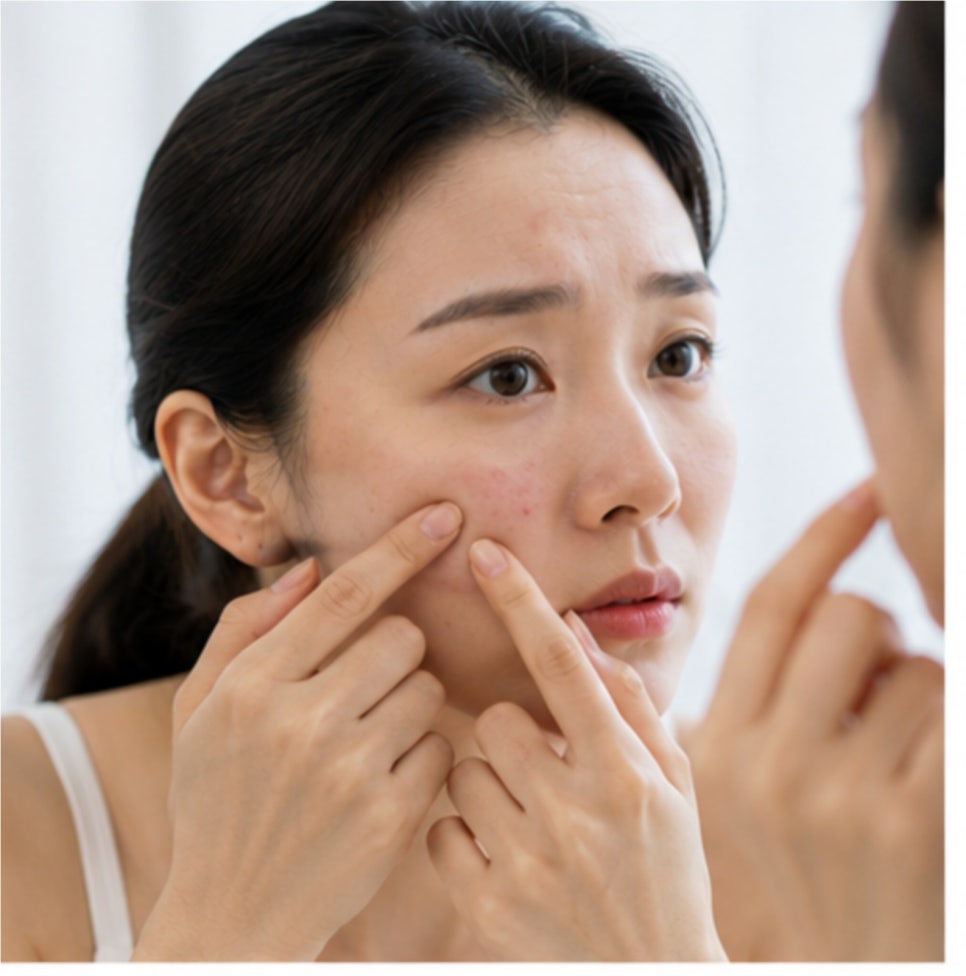
If acne continues to develop,
is removing sebum all that is needed?
Acne at a Jangseungbaegi Station dermatology clinic
For recurring acne, it is necessary to consider both removing sebum that has already accumulated and regulating the process through which new lesions develop.
After extraction, the skin may feel smoother, which can make it seem as though the acne has been treated.
However, extraction is a method of physically removing some comedones that have already formed.
It does not completely prevent the process by which new comedones are formed.
Acne involves various factors, including not only sebum production but also keratinization at the pore opening and inflammation.
Therefore, if small bumps or inflammatory lesions continue to appear in similar areas even after repeated extraction, it is worth checking whether other treatment is needed.
Depending on the current condition of the skin, topical medication to reduce pore blockage or treatment to control inflammation may be considered. If the inflammation is severe or the lesions are widespread, oral medication may also be necessary in some cases.
Current acne treatment guidelines also recommend combining various treatments, including topical retinoids and benzoyl peroxide, according to the lesions and their severity.
Therefore, if acne reappears in the same area only a few days after extraction, rather than assuming that the extraction was incomplete, it is better to examine whether the factors causing new acne to recur are being controlled.
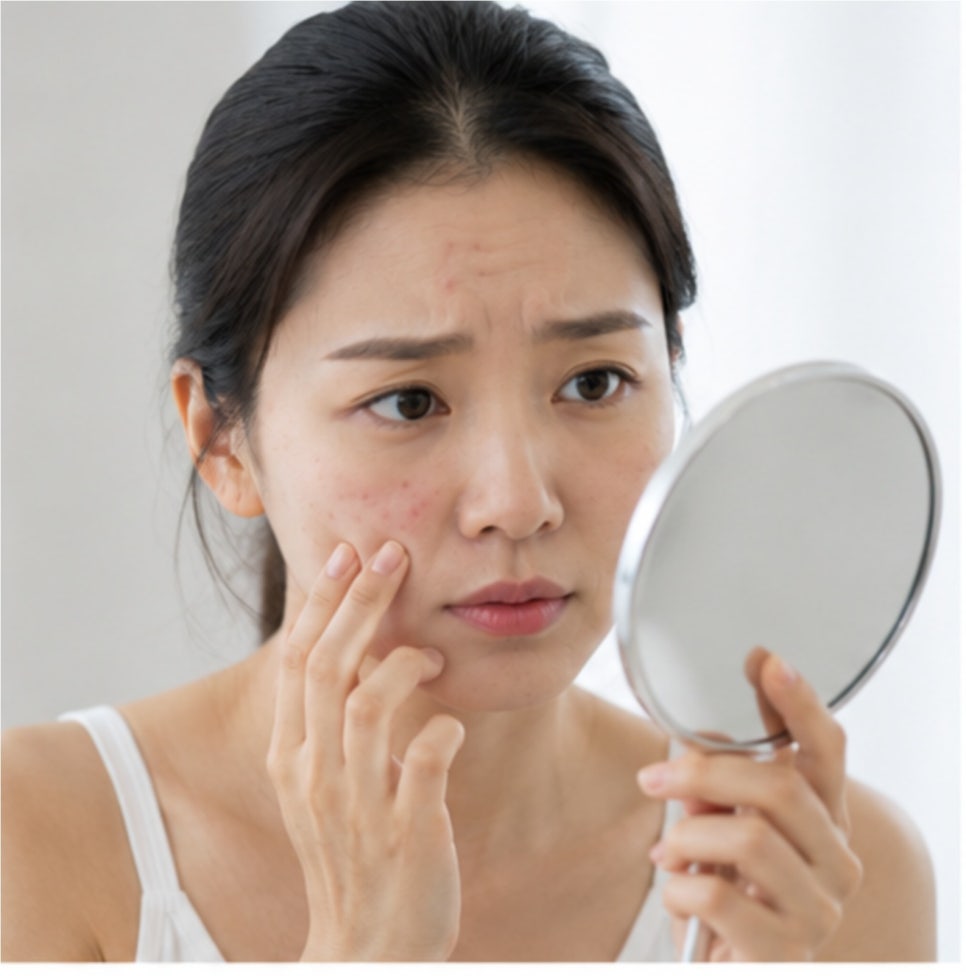
What criteria should be used
to determine acne treatment?
Acne at a Jangseungbaegi Station dermatology clinic
Rather than looking only at the number of acne lesions, it is necessary to consider the type of lesion, the degree of inflammation, the areas affected, and the risk of scarring together.
Even with the same type of acne, the treatment approach may differ between a case with many small comedones distributed across the entire face and a case with recurring, large, painful inflammatory lesions on the jaw or cheeks.
In particular, nodules or cysts that develop deep within the skin may lead to scarring, so it is important to control the inflammation early rather than repeatedly focusing only on extraction.
Another point to check is whether the condition is actually acne.
Although they may look similar on the surface, other skin conditions, such as folliculitis or perioral dermatitis, can sometimes resemble acne.
If you assume that the condition is acne and extract it or use products on your own, you may miss the appropriate time for necessary treatment.
Therefore, before treatment, it is advisable to examine the following:
-
Whether small, flesh-colored comedones are the main type of lesion
-
Whether there are many red, painful inflammatory lesions
-
Whether the lesions repeatedly occur in a specific area
-
Whether red marks or hyperpigmentation remain where acne has healed
-
Whether indented or raised scars are beginning to form
Ultimately, what is important in acne treatment is to first determine “what type of acne is currently being treated,” rather than asking “what should be squeezed?”
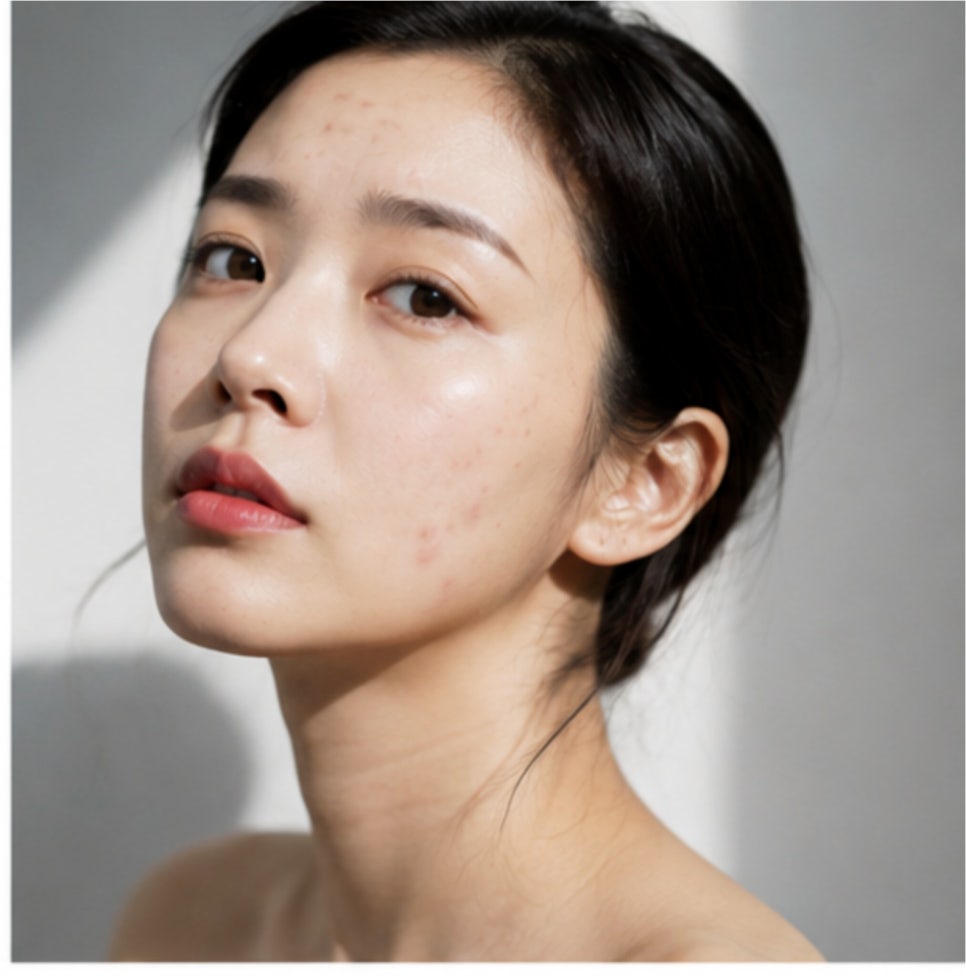
Acne extraction is one of the methods that may be used as part of the treatment process depending on the condition of the skin.
However, not every acne lesion that appears on the skin needs to be extracted.
The necessary treatment may differ depending on whether the condition involves comedonal acne, progressing inflammation, or nodules formed deep within the skin.
Therefore, if you are looking into acne extraction at a Jangseungbaegi Station dermatology clinic, it is important to first distinguish the type of current lesion and the degree of inflammation, rather than focusing only on how thoroughly the sebum can be removed.
In particular, if acne continues to appear in the same location despite repeated extraction, or if red inflammation and pain are worsening, it is advisable to consider whether treatment is needed not only to remove existing lesions but also to reduce the development of new acne and prevent scarring.
Acne Q&A
Q. Do all small, flesh-colored bumps need to be extracted?
A. No. Comedonal acne may be treated with extraction depending on its condition, but treatment to regulate pore blockage through topical medication and other methods is also important. Whether to perform extraction should be decided after examining the condition of the lesions.
Q. Should I avoid squeezing acne at home?
A. Forceful extraction with your hands or tools can damage the skin and increase the risk of infection or scarring. In particular, it is best not to extract deep or severely inflamed lesions on your own.
Q. Why does acne come back in the same spot after extraction?
A. Because extraction removes some comedones that have already formed, it cannot completely block the process through which new acne develops. If the problem keeps recurring, it may be necessary to check whether treatment is needed to control clogged pores and inflammation.
Q. Will pus-filled acne get better quickly if it is extracted?
A. Direct extraction is not recommended simply because pus is visible. Since the treatment method may differ depending on the depth of the inflammation and the condition of the lesion, it is important to first assess the current state of the acne.
Jangseungbaegi Station Dermatology Clinic: What Should Be Checked Before Acne Extraction?
| This post was written for informational purposes in compliance with Article 56, Paragraphs 1–15 of the Medical Service Act. All treatments carry the risk of side effects and complications, which may vary from person to person. Before treatment, please make a decision only after having a sufficient consultation with a medical professional with extensive experience. |