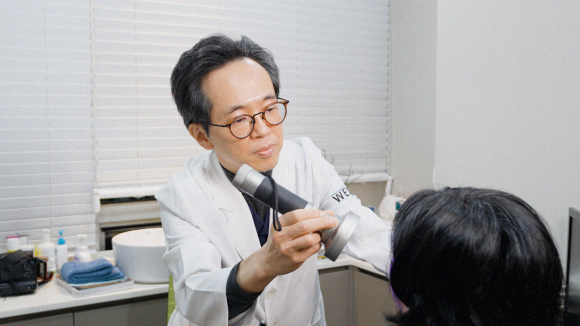
Spot Treatment? Laser Procedures and Care for Pigmented Lesions, Melasma, and Age Spots (FAQ)
Hello,
I’m Lee Won-shin, a dermatologist with 22 years of experience.
When the seasons change and the sun gets stronger, the spots and pigmentation that were hidden in the skin start to show up more clearly.
During this time, many people consider laser treatment, but I often see cases where they miss the right timing because of vague fear.
In particular, many people hesitate because they have heard that laser treatments make the skin thinner.
However, most spot laser treatments do not actually change the skin’s thickness.
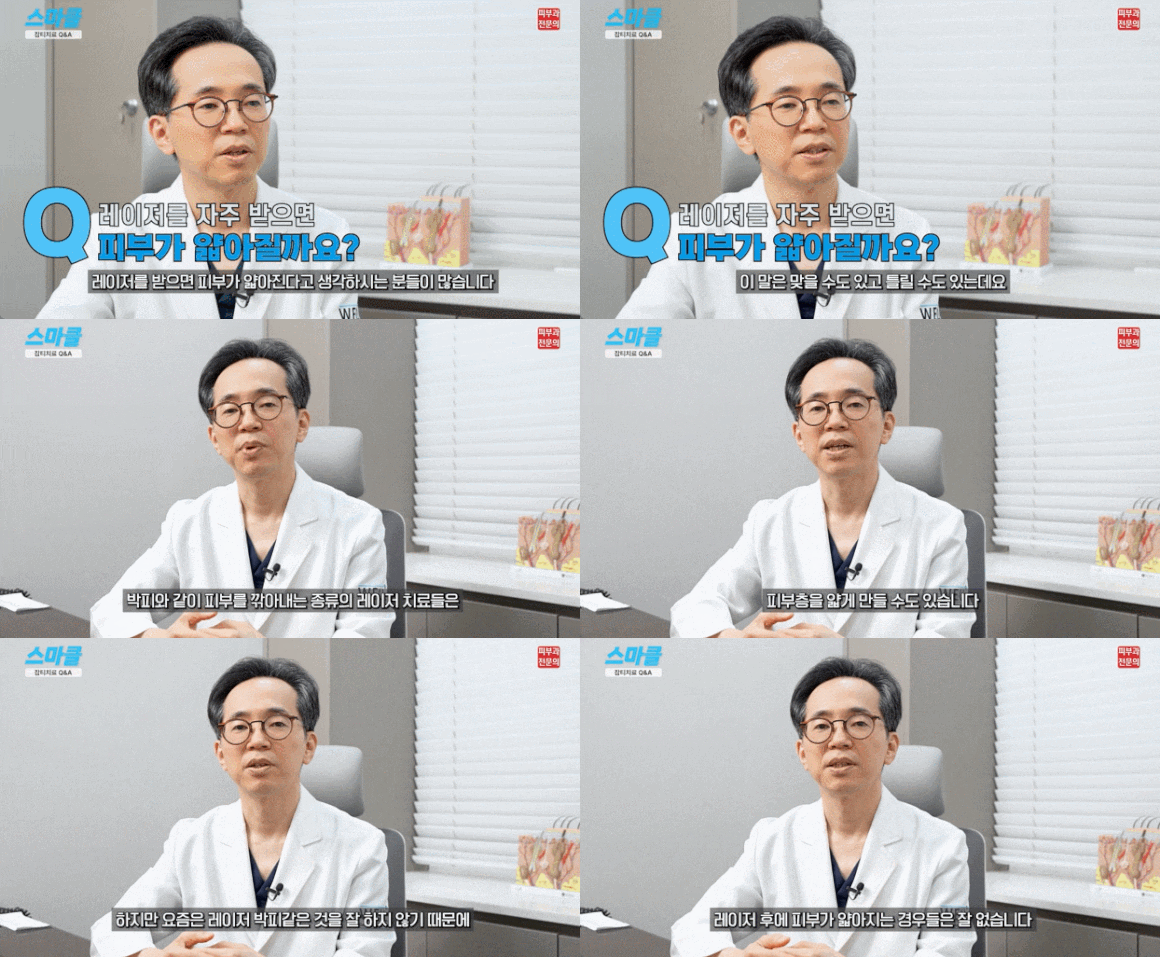
That said, right after the procedure, the skin may temporarily become more sensitive and feel thinner.
This is simply a natural recovery process in which the barrier is briefly weakened, and the outcome depends on how you manage this period.
So today, I’d like to organize why the skin becomes sensitive after laser treatment, what care is needed during that process, and the important points in pigmentation treatment.
If you are considering spot treatment, please focus and read for a moment.^^
Table of Contents
-
Skin reactions after laser are signs of recovery.
-
Sun protection and treatment intervals determine the results.
-
Different pigments respond differently. (melasma, freckles, age spots)
-
Skin reactions after laser are signs of recovery.
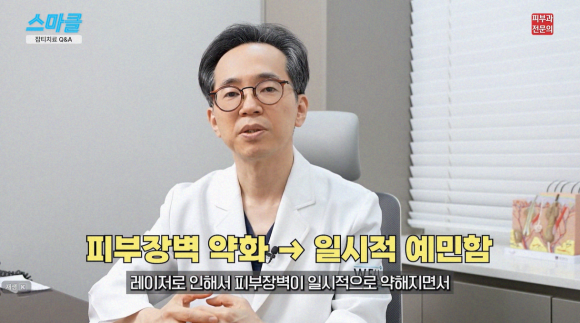
Right after receiving a spot laser treatment, the skin becomes more sensitive than usual.
Redness may appear, dryness may be felt more quickly, and even small刺激 may cause stinging.
Many people worry when they see these reactions, but in fact, they are evidence that the skin is responding normally to the treatment and beginning to recover.
When laser energy is delivered to pigment cells, a mild inflammatory response occurs at the boundary between the epidermis and dermis.
In this process, the skin barrier temporarily weakens, making it more susceptible to external stimulation than usual.
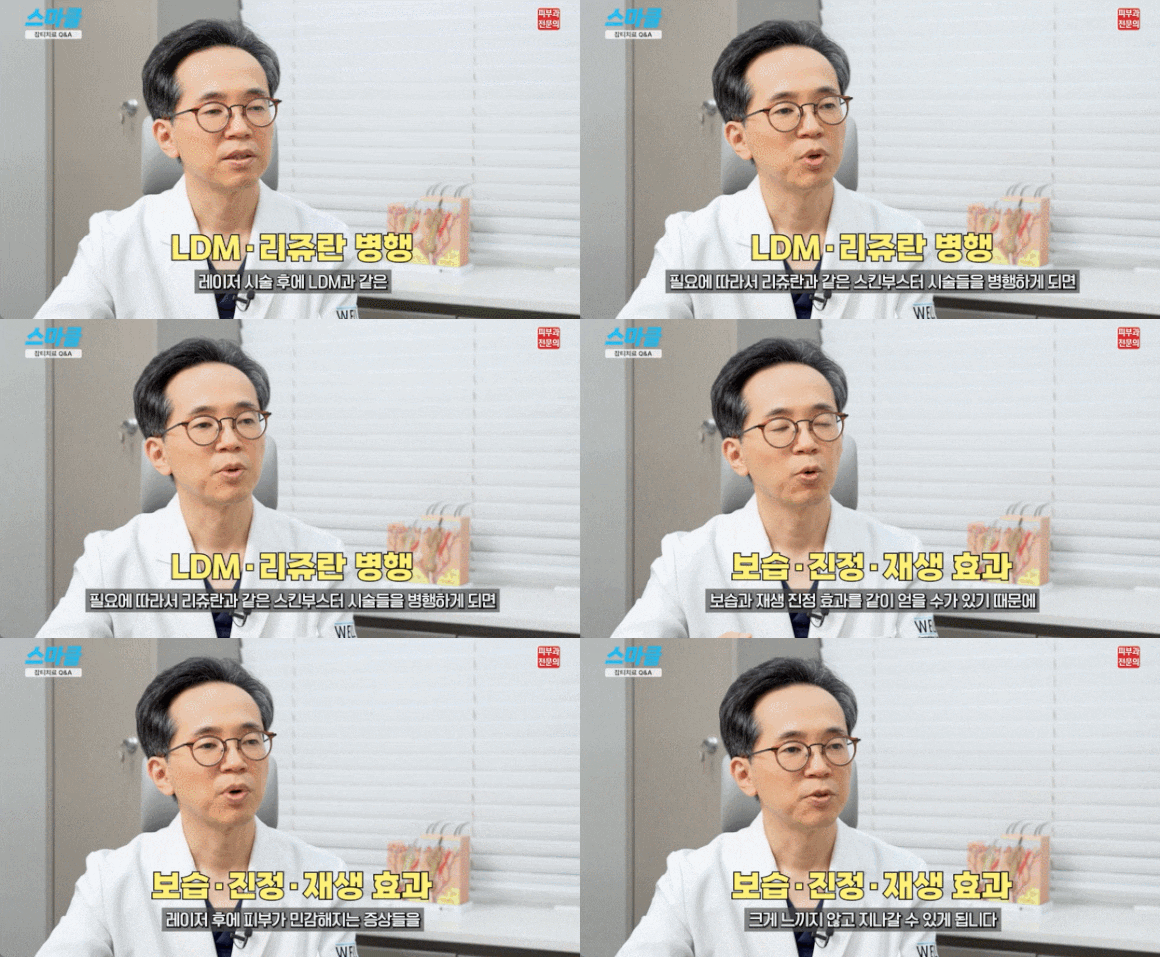
That is why, during this period, combining soothing care such as LDM can help speed up recovery.
Soothing care using ultrasound can quickly relieve redness and dryness, helping the skin go through recovery in a more comfortable state.
In fact, we often provide LDM care immediately after the procedure.
This can reduce some of the discomfort patients feel.
- Sun protection and treatment intervals determine the results.
The skin after treatment is in a state where its defense against ultraviolet rays is temporarily weakened.
Even UV exposure that would normally be manageable can place a burden on the skin during this period.
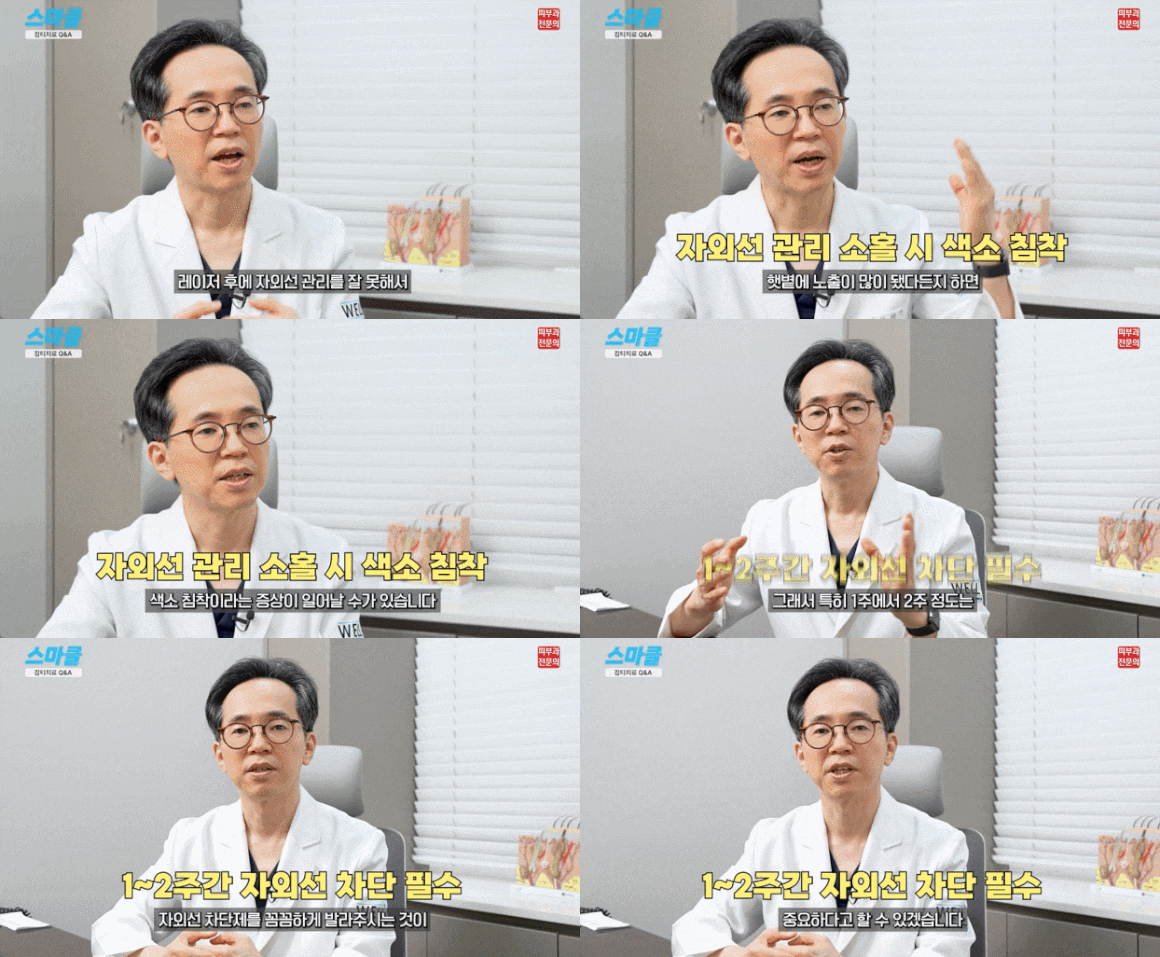
If UV exposure is repeated during the recovery process, new pigmentation may develop or existing spots may settle more deeply.
That is why applying enough sunscreen is most important.
Another important point is the treatment interval.
Because spots improve at different rates depending on the type, it is best to continue treatment at a steady pace.
Relatively mild spots located in the more superficial layers often brighten quickly after just one or two treatments,
but deeper, more widespread pigmentation such as melasma requires repeated, consistent treatment.
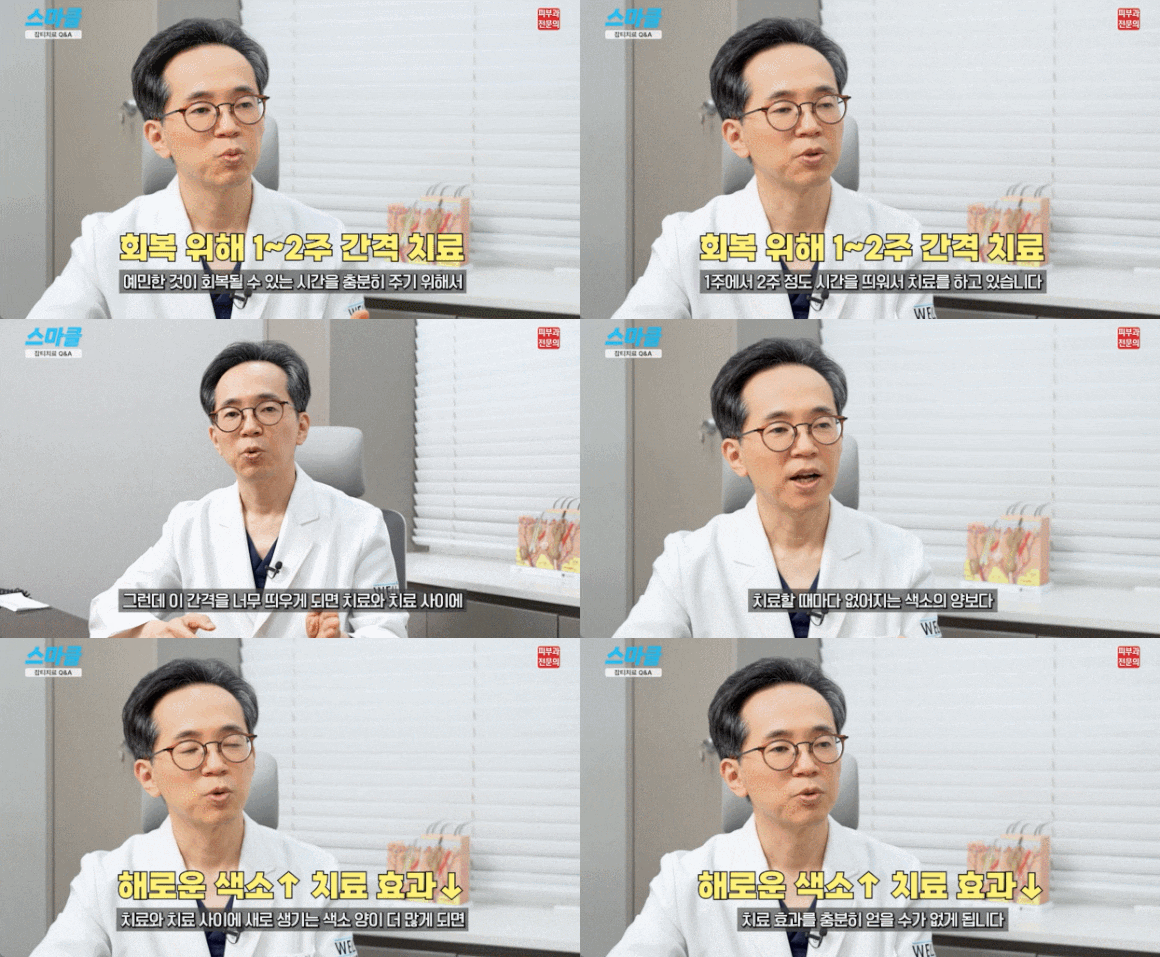
If the interval becomes too long, newly formed pigment between treatments can cover up the previous improvement,
and even after a long time, the changes may feel slow.
On the other hand, if the interval is too short, the skin may be stimulated again before it has recovered sufficiently, which can have the opposite effect.
In general, intervals of 2 to 4 weeks are often appropriate, but adjustments are needed depending on each person’s condition and the depth of the pigment.
- Different pigments respond differently.
(melasma, freckles, age spots)
Even if they appear on the same face, pigments have different properties, so the treatment approach must also differ.
- Melasma
First, melasma is one of the more difficult pigments to treat.
It is often located deep in the dermis and tends to recur continuously due to various factors such as hormones, ultraviolet rays, and stress.
For that reason, melasma is safer to treat with multiple gentle sessions rather than one strong treatment.
If overly strong energy is used, post-inflammatory hyperpigmentation may develop and it can become darker.
- Freckles
Freckles tend to respond relatively quickly compared to melasma.
Because they are often located closer to the epidermis, if treated with appropriate energy, visible brightening can often be seen early on.
However, freckles can also recur easily due to ultraviolet exposure, so post-treatment sun management is necessary to maintain satisfactory results for longer.
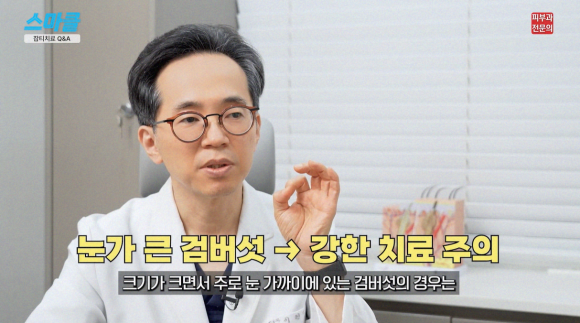
- Age spots
Age spots improve at different speeds depending on their size and location.
Small, shallow age spots are often removed cleanly after just one or two treatments,
but larger, thicker ones need to be reduced gradually over multiple sessions.
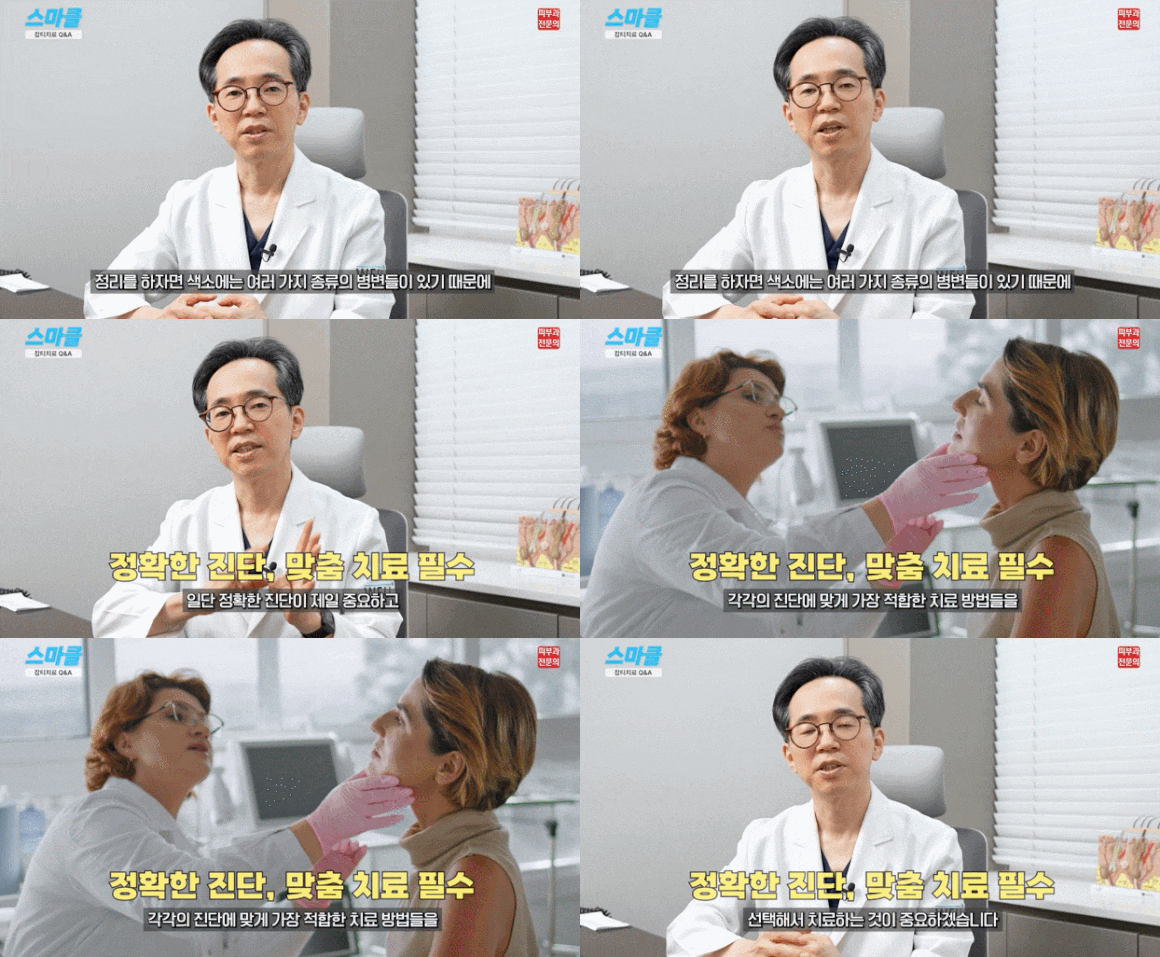
In this way, the type of laser, energy level, and treatment interval must all be adjusted according to the characteristics of each pigment.
This also means that precise diagnosis and the right approach determine the outcome.
In closing,
Spot treatment is not something that ends with simply receiving laser once.
From the diagnosis before the procedure to the post-procedure recovery process,
and including sun protection and proper intervals, every stage must be organically connected to achieve good results.
In particular, how you spend the period when the skin becomes sensitive after laser treatment affects the final result, so careful management during this time is very important.
And understanding that treatment methods and speed differ depending on the type of pigment,
it is safer to proceed slowly at a pace that allows healthy recovery rather than expecting quick results.
If you have been worrying about spots for a long time, please get a thorough consultation to understand your skin condition and establish a treatment plan that fits it.^^
Thank you for reading this long post.
This has been Chief Director Lee Won-shin.
[Further reading]
Best 1. Introduction to Wells Dermatology
Best 2. How to avoid wasting money on Thermage without seeing results?
Best 3. Thread lifting effects, recommended candidates, and duration
| Wells Dermatology main phone number: 02 - 542 - 2372 |
|---|
| Weekdays 10:00 ~ 20:00 |
| Saturday 10:00 ~ 17:00 |
| Lunch break 13:00 ~ 14:00 |
| Closed on Sundays and public holidays |
This post was written directly by Wells Dermatology Clinic, and complies with all laws and regulations regarding medical advertising, excluding Article 56, Paragraph 1 of the Medical Service Act.
All surgeries and procedures may be accompanied by side effects depending on the individual, so please make sure to receive sufficient guidance from the medical staff and carefully decide whether to undergo the procedure.