Freckles, Melasma, and Solar Lentigo Pigment Treatment Should Be Done Like This. <Dermatology Specialist>
Hello.
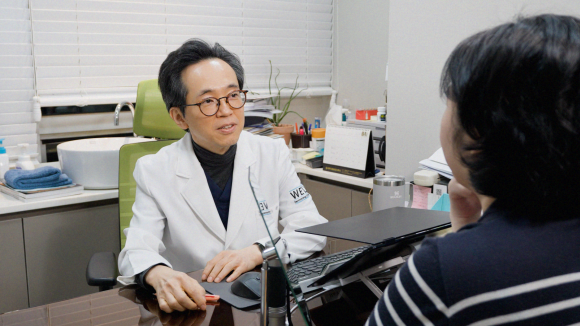
I am Lee Won-shin, a dermatologist with 23 years of experience.
When I consult with patients in the clinic, I often meet people who have been stressed for a long time because of melasma or blemishes on their face.
In particular, people who have been living overseas and have come back to Korea for a short time,
or those who are facing important events such as a wedding,
often want the spots removed cleanly with just one procedure because of the limited time.
Of course, I completely understand the patient’s urgent feelings,
but from the medical team’s perspective, when we look closely at the skin, we often find that an excessive procedure can actually do more harm than good.
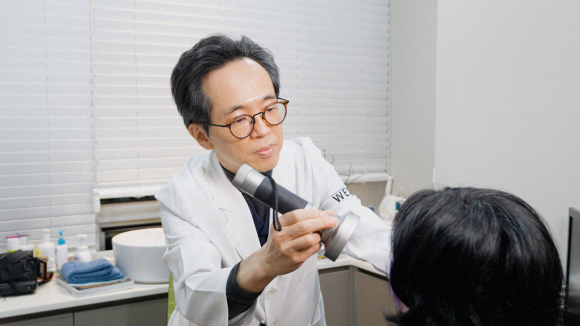
This is because even though pigmentation may all look like similar spots on the surface, the approach must differ depending on how deep it is in the skin, what caused it, and the condition of the tissue.
So today, for those of you planning pigment treatment,
I would like to honestly explain when short-term treatment is possible and when time is needed.^^
Table of Contents
-
Pigmentation that can be removed in one treatment: freckles
-
Pigmentation that is difficult to remove in one treatment: melasma
-
Solar lentigo treatment methods vary depending on size and location.
-
Pigmentation that can be removed in one treatment: freckles
The lesions we commonly call freckles fortunately tend to have a good treatment prognosis.
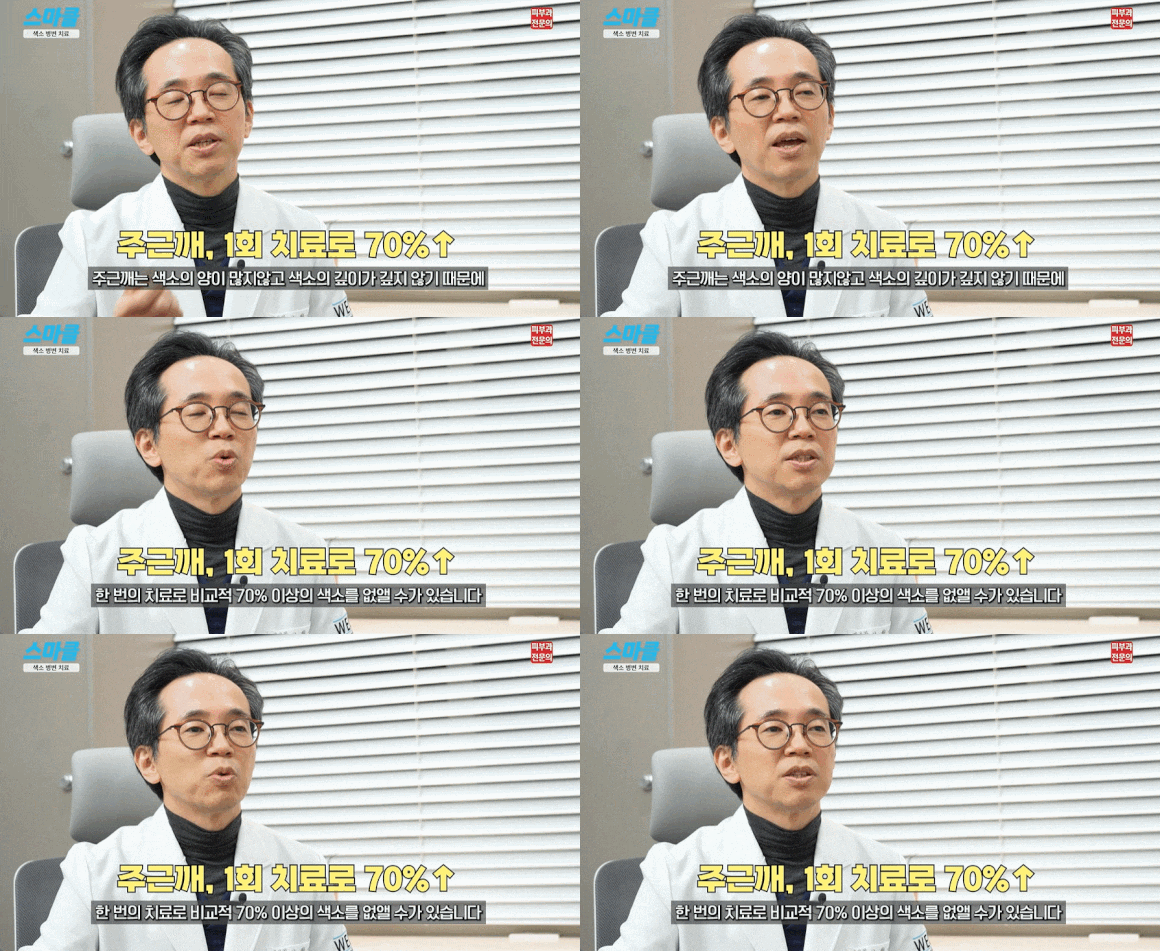
This is because freckles are usually cases where melanin pigment is located not in the deeper dermal layer, but in the relatively outer epidermal layer.
They also have the characteristics of low pigment density and clear lesion borders.
In such cases, if we use devices such as IPL or pico lasers to deliver wavelengths that respond to pigment,
we can expect more than 70% of the lesions to be removed with just one treatment.
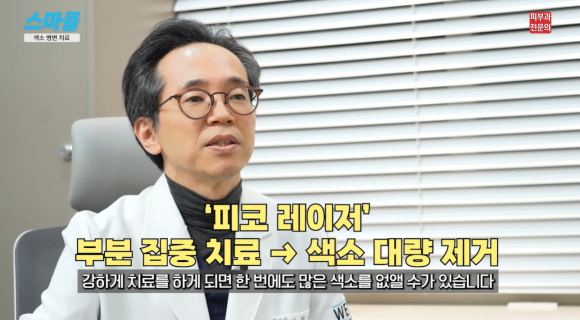
After the procedure, tiny scabs form and then naturally fall off, and the skin tone becomes clearer,
which is a normal recovery process, so there is no need to worry too much.
Therefore, if freckles are your main concern, you can achieve results within a relatively short period by using appropriate energy under medical supervision.
- Pigmentation that is difficult to remove in one treatment: melasma
On the other hand, melasma, which many people worry about the most, requires a slightly different approach.
Melasma is not simply pigment accumulation,
but a condition in which the dermal environment of the skin has aged and changed due to long-term sun exposure and hormonal influences.
The skin barrier is often weakened, and blood vessels are often dilated.
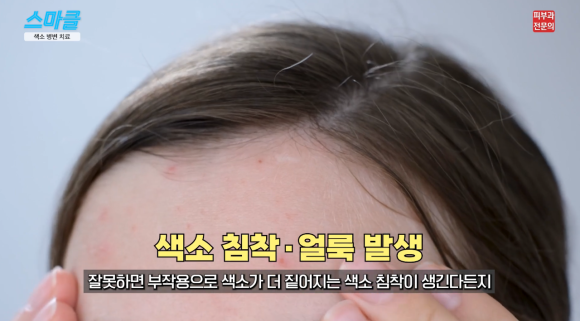
If strong laser is applied out of a desire to remove it quickly,
it can instead be irritated and lead to side effects such as darker pigmentation or hypopigmented spots, where melanin cells are destroyed and the skin turns white.
It can also end up with patchy fading, producing results that are actually worse than before treatment.
That is why the key to melasma treatment is not to be “strong,” but to be “gentle and consistent.”
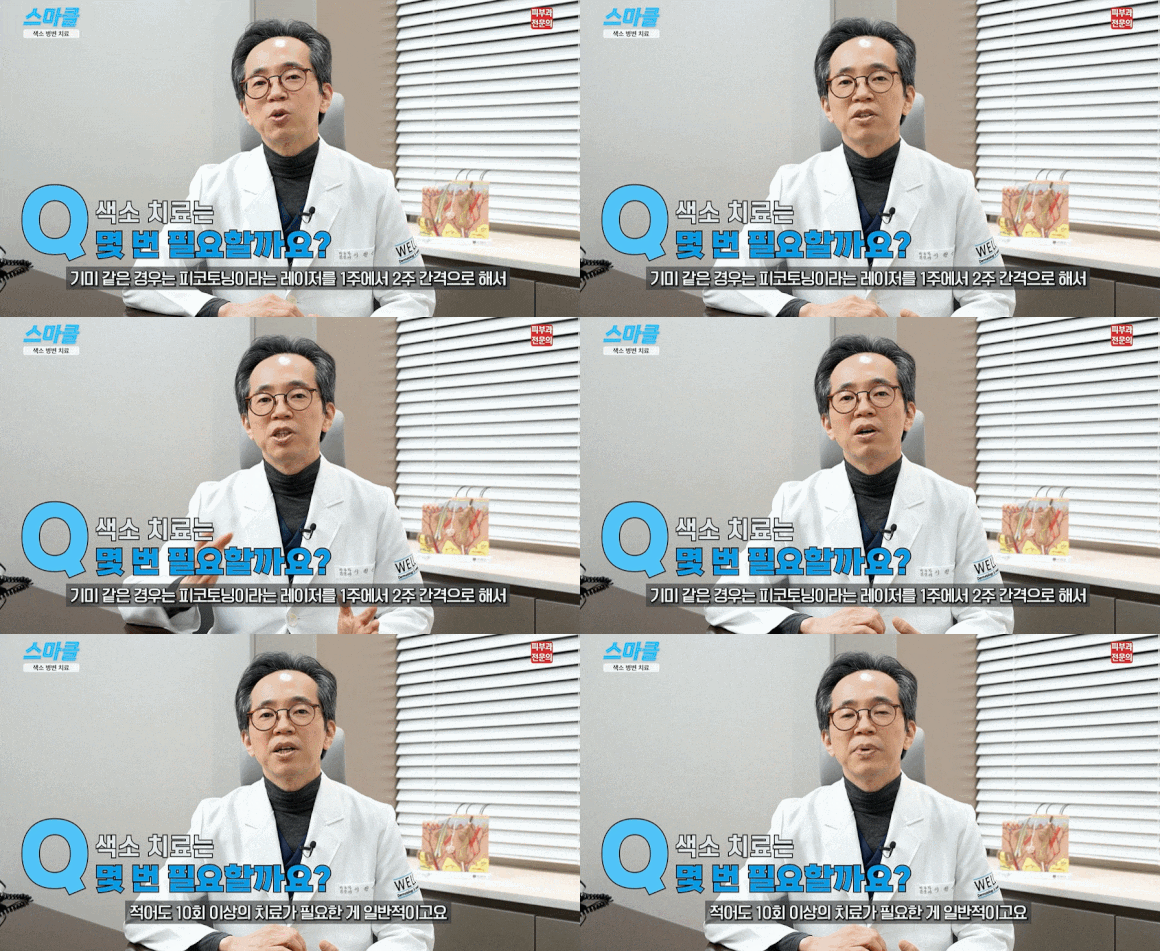
Using low-output picotoning helps reduce irritation to the skin,
while inducing the finely broken-down pigment to be naturally eliminated through the lymphatic vessels.
Usually, I recommend consistent treatment of 10 sessions or more at intervals of 1 to 2 weeks.
Even if it takes a little time, gradually lightening it is the way to prevent recurrence and maintain clear skin.
- Solar lentigo treatment methods vary depending on size and location.
Solar lentigo, also called “age spots,” is also not something that can be defined by just one method.
For relatively small and light solar lentigines, removal is often possible with just 1 to 2 intensive treatments.
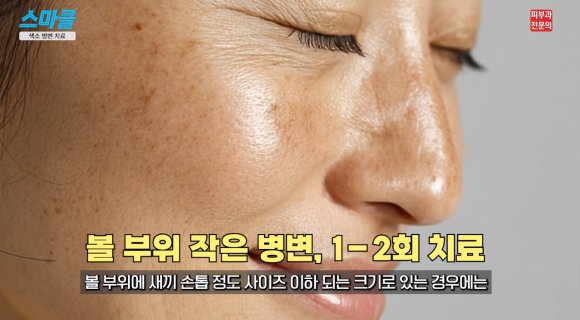
However, solar lentigines that are larger than a coin or located in thin and sensitive areas such as around the eyes require a different approach.
If you try to remove them too aggressively in one go, scars may remain or the tissue around the eyes may be strained.
Also, among solar lentigines, some have deep roots or are refractory, and these tend not to respond easily to standard methods and may recur.

In such cases, treatment is divided into 5 or more sessions, the response of the pigment is monitored, and if necessary, the treatment mode is changed, requiring delicate adjustment.
In other words, even for the same solar lentigo, the number of treatments and the intensity must be flexibly adjusted according to the patient’s skin thickness, the location of the lesion, and its size.
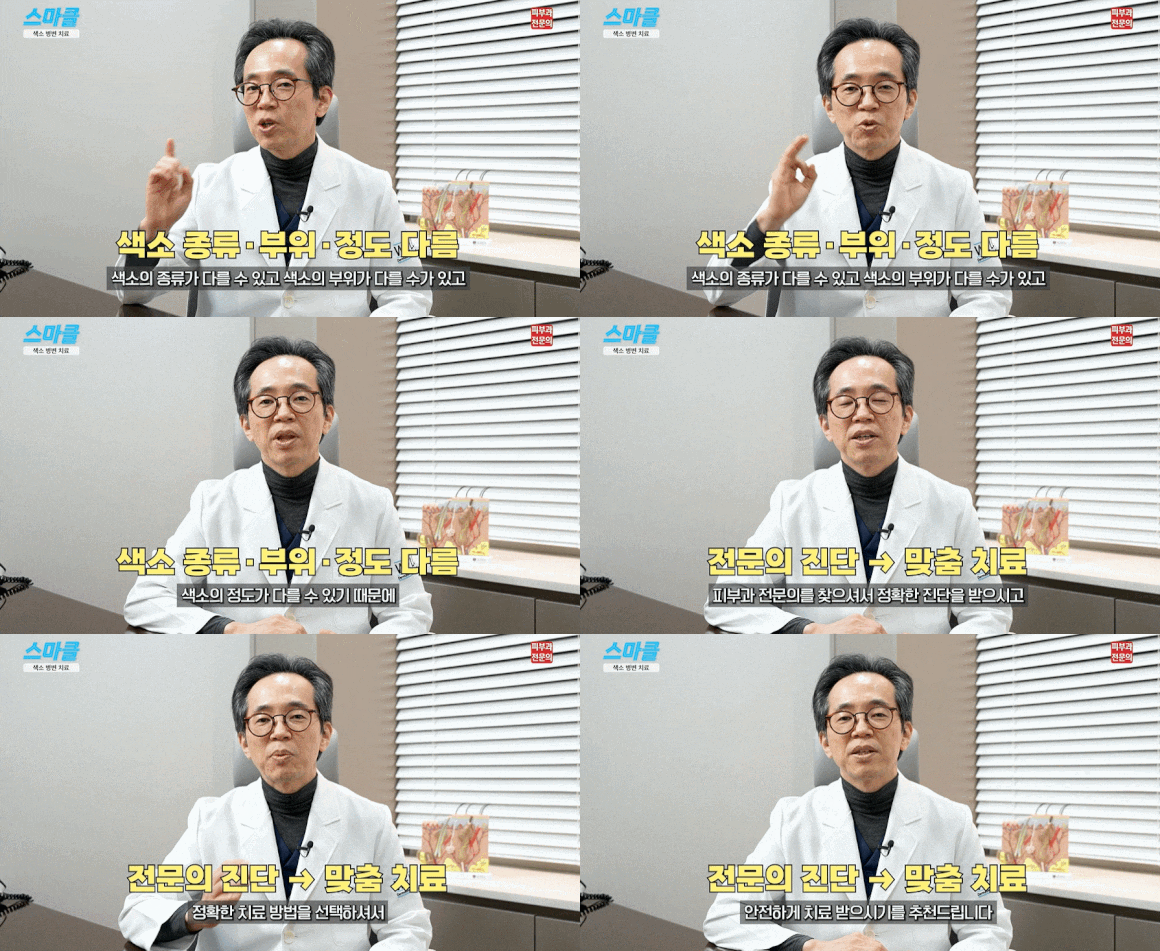
To conclude,
The most important thing in pigment treatment is not “how quickly it is removed,” but “how safely and accurately it is removed.”
Rather than expecting the same result because you heard that someone nearby improved in one session,
identifying the condition of your own skin and the type of pigmentation, and then making a plan that fits it, leads to better results.
For those of you reading today’s post and wanting more detailed information, I have attached some of the columns I wrote previously below.
If you have additional questions or need advice about your current skin concerns, you may leave a comment,
but because of the clinic schedule, my response may be delayed, so please contact us using the number or map below, and our staff will kindly and thoroughly guide you.^^
Thank you for reading this long post.
This has been Lee Won-shin, the chief director.
[Related posts worth reading]
Best 1. Introduction
Best 2. Blemish treatment? Procedure and care methods by type
Best 3. Collagen injections for those worried about hollowness under the eyes
| Wells Dermatology main phone number (click the number below to connect) |
|---|
| 02 - 542 - 2372 |
| Clinic hours |
|---|
| Weekdays 10:00 ~ 20:00 |
| Saturday 10:00 ~ 17:00 |
| Lunch break 13:00 ~ 14:00 |
| Closed on Sundays and public holidays |
This post was written directly by Wells Dermatology Clinic, and complies with all laws regarding medical advertising other than Article 56, Paragraph 1 of the Medical Service Act.
All surgeries and procedures may be accompanied by side effects depending on the individual, so please receive sufficient medical guidance from the medical staff and carefully decide whether to proceed with the procedure.