Hello,
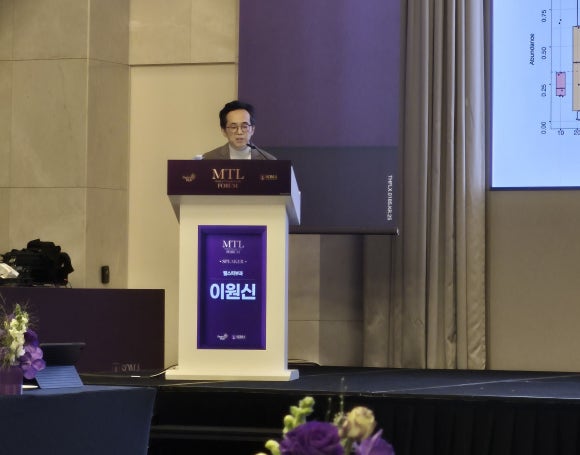
I’m Lee Won-shin, a board-certified dermatologist with 23 years of experience.
These days, Thermage treatments have become more popular than before, and many people are interested in them.
You’ve probably heard someone around you say, “I’ve tried Thermage,” or “It works well.”
But at the same time, these concerns often come along with it.
“Since it’s an expensive treatment, does it really work that well?”
“How long does it last once you get it?”
Thermage is relatively expensive among skin treatments.
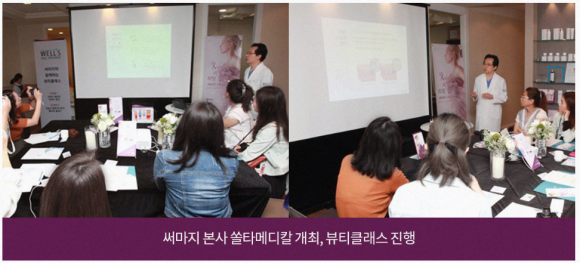
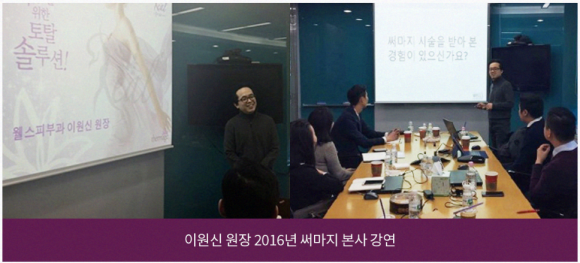
So rather than deciding simply because it is well known, it helps to know how to receive it properly in order to see the best results.
Today, based on the principles behind Thermage, I will organize the key points you should know to improve the effect.
Rather than a simple explanation of the device, I’ll share some personal tips so you can make a choice without regret.^^
Table of Contents
-
What is Thermage?
-
Using only strong energy is not the answer.
-
It is better when used together with a drug that protects collagen cells.
-
What is Thermage?
Thermage is a treatment that delivers radiofrequency (RF) energy to the dermal layer of the skin to provide heat stimulation.
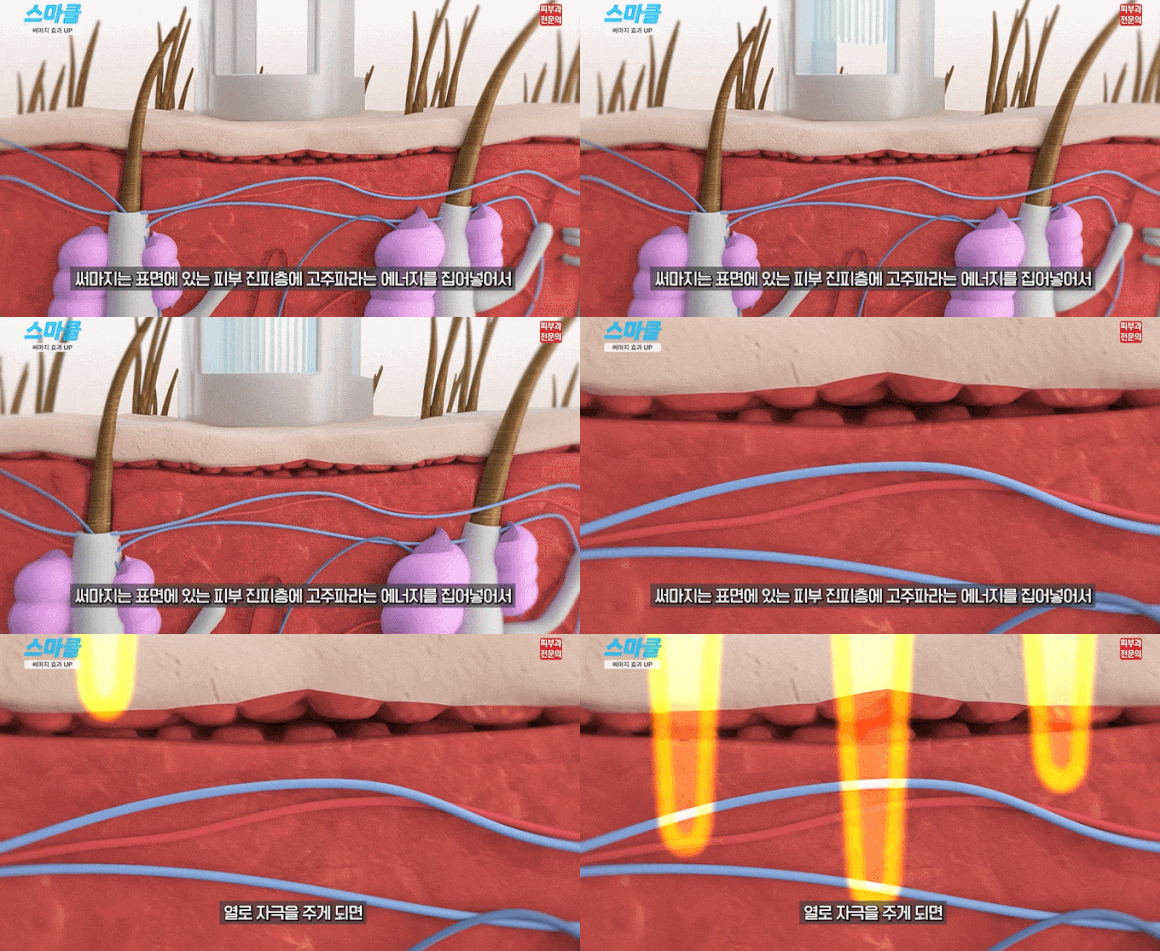
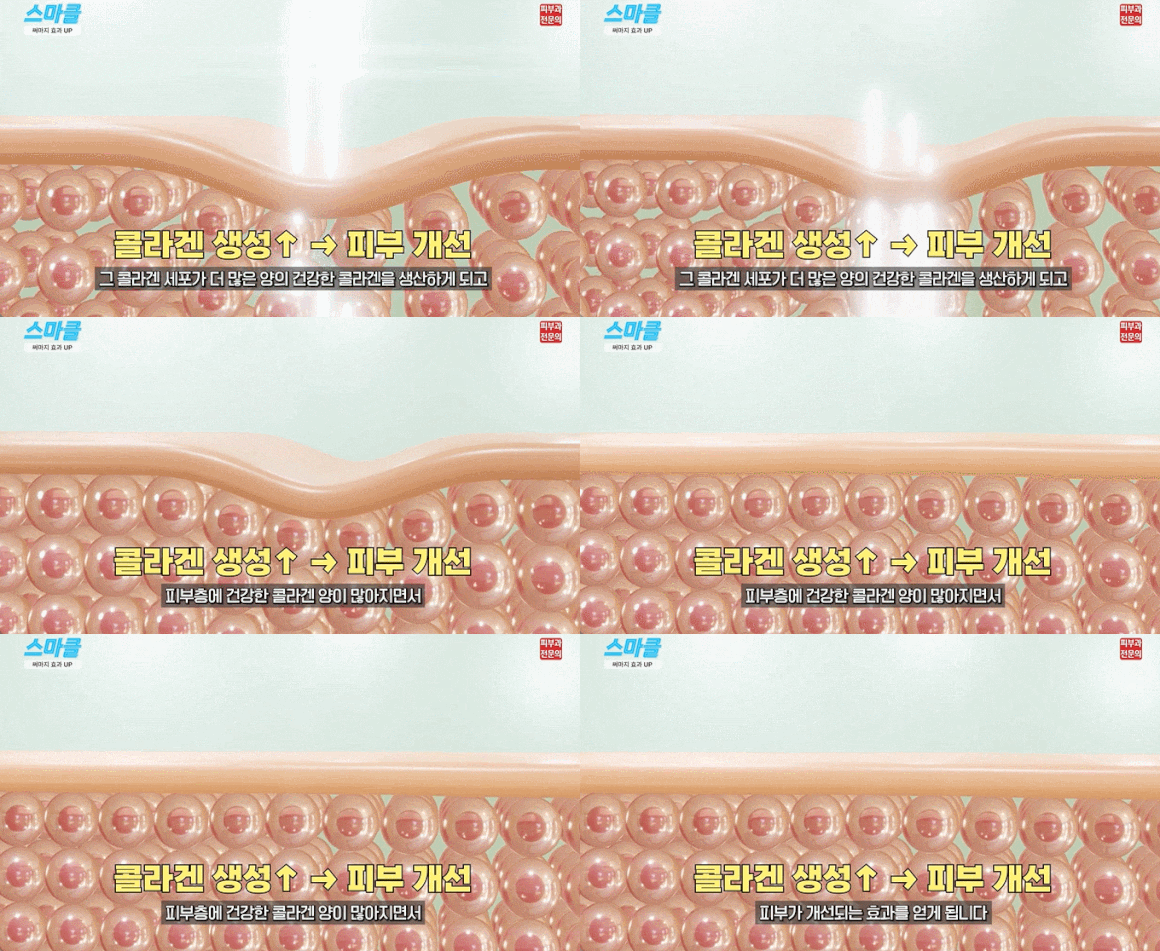
This heat stimulation activates the collagen cells in the dermis and, over time, helps produce healthier and firmer collagen.
In the end, the essence of Thermage depends on how effectively it induces collagen regeneration.
The most important premise here is just one thing.
‘Sufficient energy must be delivered to the dermal layer.’
There are two main ways to deliver enough energy.
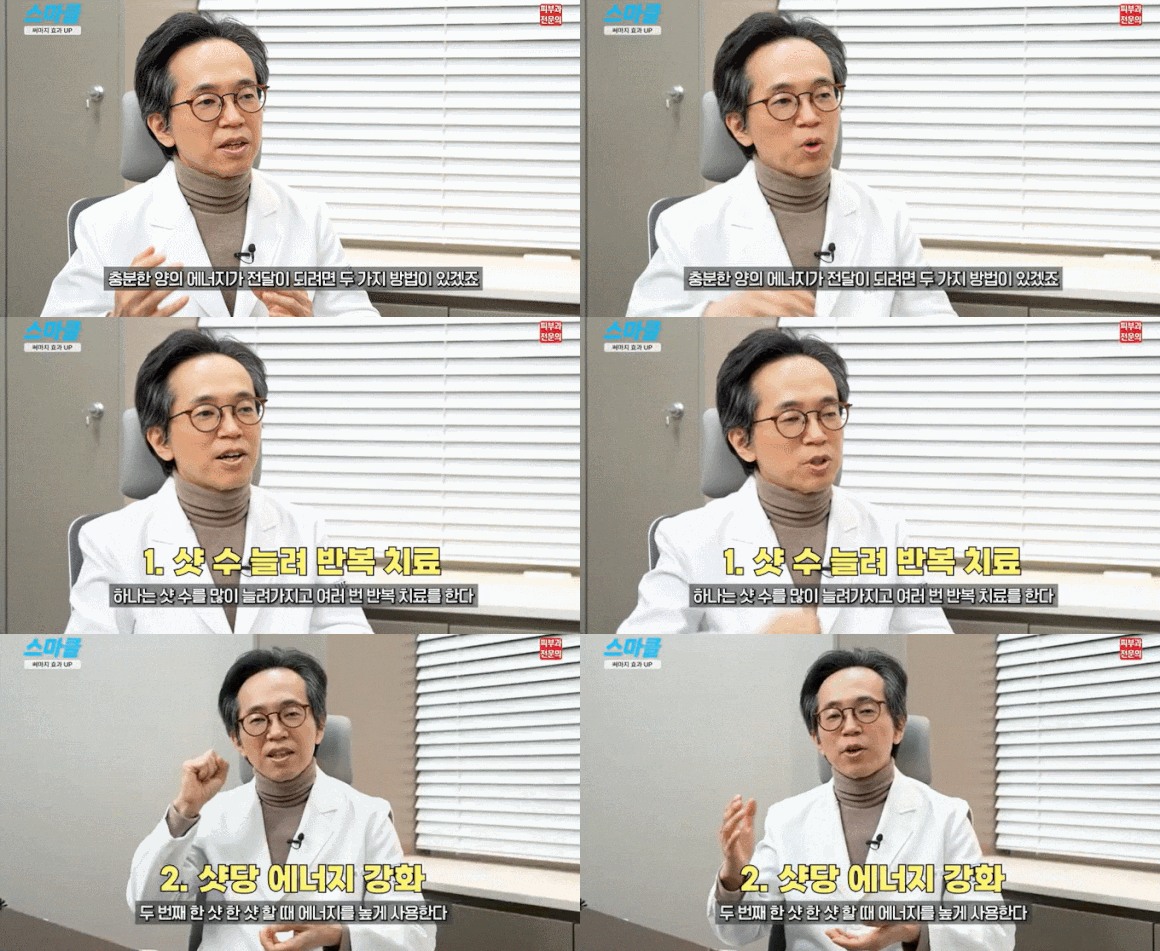
- Increase the number of shots to stimulate repeatedly
- Increase the energy per shot to stimulate more strongly
But in reality, the number of shots is limited to a set range, such as 600 shots or 900 shots.
Of course, you can increase the number of shots by using two sets, but that significantly increases the cost burden.
So in actual clinical practice, using appropriately strong energy becomes a more important strategy.
If the energy is weak, collagen stimulation does not occur sufficiently, and the degree of change is also small.
The effect may be minimal, or the duration may become shorter.
In other words, the result can be: “There was stimulation, but not much change.”
- Using only strong energy is not the answer.
Then can we simply use stronger energy?
If the energy is increased, the following problems may occur.

Pain is especially the part many people fear the most.
This is exactly why there is a perception that “Thermage is too painful.”
In some cases, people consider sedation because the pain is severe, but for a treatment that is performed precisely point by point, I would not necessarily recommend sedation.
Rather, pain can be sufficiently controlled depending on the clinician’s skill and method.
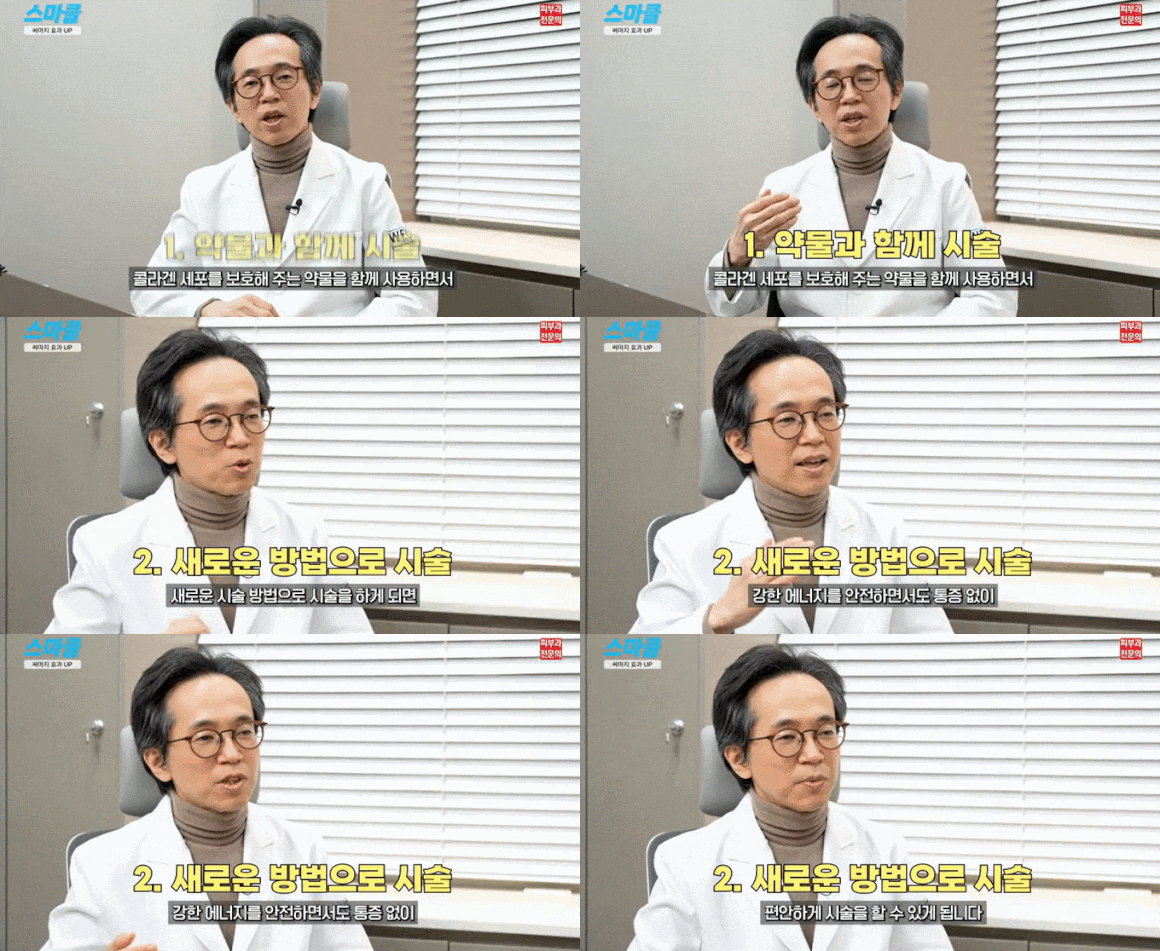
Recently, a new treatment approach is being used that reduces pain while still using high energy, rather than the conventional general method.
What matters is not the idea that “if it hurts, it works well,” but whether strong energy can be used safely and in a controlled way.
Strong energy is necessary, but excessive stimulation can be counterproductive.
In the end, the key is not “intensity” but “balance.”
- It is better when used together with a drug that protects collagen cells.
What if we could use strong energy while also protecting collagen cells?
Heat stimulation is a positive signal that induces collagen regeneration, but excessive heat can place stress on the cells.
To complement this, methods are sometimes used in which drugs that can protect skin cells and collagen cells are used together.

Applying such an auxiliary strategy together has the following advantages.
-
Higher energy can be used
-
Prevents damage to collagen cells
-
Reduces pain
-
Increases stability of the results
In other words, rather than simply “shooting strongly,”
it is a strategy to create an environment where strong energy can be used, protect the cells, and design the treatment so it can be received more comfortably.
In the end, the effect of Thermage depends not on the “number of shots,” but on whether energy was delivered efficiently, tissue damage was reduced, and pain and safety were managed in a balanced way.
In closing,
Thermage is not just a simple lifting device.
It is a precise treatment in which the result changes depending on how the collagen in the dermal layer is stimulated.
As explained today,
-
Sufficient energy delivery
-
A treatment method that considers safety
-
Protection of collagen cells
Only when these three are in place can you expect effect and longevity.
Skin elasticity does not simply mean an external change.
It is also connected to the expression you see in the mirror, the confidence you have when dealing with people, and the small sense of satisfaction in everyday life.
That is why it should be approached even more safely and responsibly.
If you are considering Thermage, please be sure to check the three criteria I mentioned today.
Even with the same device, the results can differ significantly depending on how it is used.^^
Thank you for reading this long post.
This was Director Lee Won-shin.
[Recommended reading]
Best 1. Introduction
Best 2. Thermage MTL Forum Lecture
Best 3. Research Results Revealed: Thermage FLX Makes Skin Look 5.3 Years Younger
| Wells Dermatology Main Phone Number (click the number below to connect) |
|---|
| 02 - 542 - 2372 |
| Clinic Hours |
|---|
| Weekdays 10:00 ~ 20:00 |
| Saturday 10:00 ~ 17:00 |
| Lunch Break 13:00 ~ 14:00 |
| Closed on Sundays and public holidays |
This post was written directly by Wells Dermatology Clinic, and it complies with all laws regarding medical advertising, including Article 56, Paragraph 1 of the Medical Service Act.
All surgeries and procedures may be accompanied by side effects depending on the individual, so please receive sufficient medical guidance from the medical staff and carefully decide whether to proceed with the procedure.