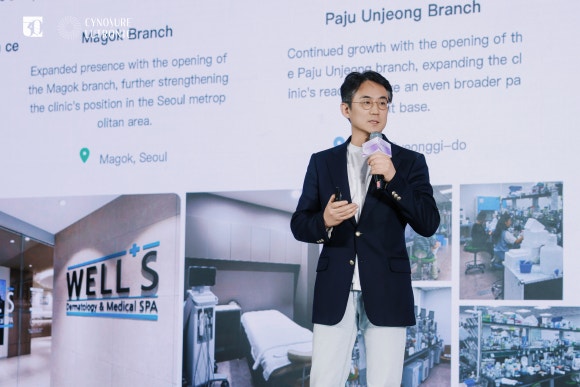
I attended an invited lecture in Shanghai on Clarity II. <Treatment of male-type melasma and acne>
Hello.
I am Choi Won-woo, a board-certified dermatologist with 23 years of experience.
Last week, I was invited to the APEC conference held at the Bellagio Hotel in Shanghai, and I returned after presenting my clinical treatment experience using Clarity II.
If you have ever considered treating melasma or acne, you may have heard of laser treatment at least once.
However, in clinical practice, I often hear patients say that even though they received treatment with the same device,
the level of satisfaction with the results felt different.
This is not so much due to a difference in the device’s performance itself,
but because the results change depending on how the energy is delivered and what criteria are used to design the treatment.
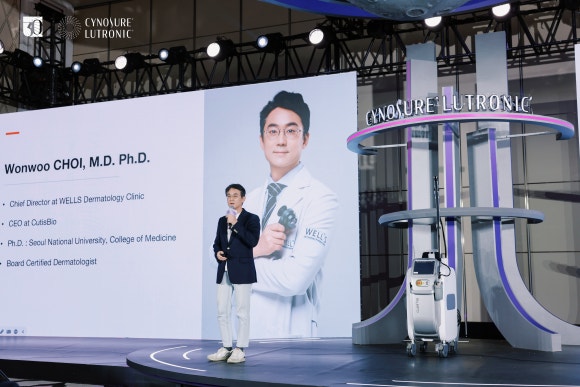
In this lecture, rather than simply introducing the device,
I shared a specific protocol for how I approach the following three conditions in actual practice:
Refractory melasma
Male-type melasma
Recurring acne
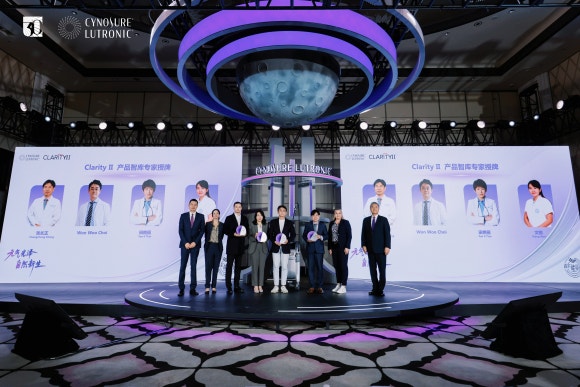
- Invited APEC Lecture on Clarity II
<Shanghai Bellagio Hotel>
This APEC conference was not simply a place to introduce a device,
but a setting where medical professionals from various countries gathered to share clinical experience and treatment standards.
In particular, because Clarity II is a device used in a wide range of areas such as
pigment disorders
redness
acne
the discussion focused not just on how to use it, but on how to “design” treatment according to the patient’s condition.
I also participated as a speaker,
and presented my approach to treating refractory melasma and acne based on data I have accumulated over time.
- Male-Type Melasma: Why Is It Difficult to Treat?
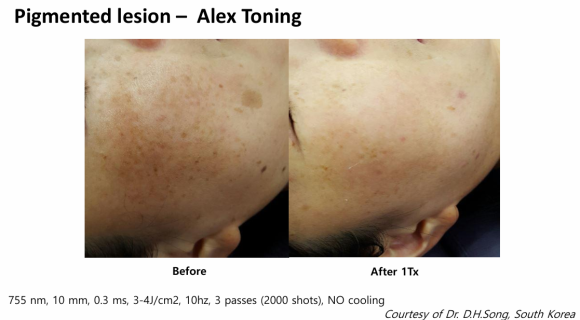
Treating melasma is not simply about lightening the color; it is a process of stabilizing the skin’s response itself.
In the case of male-type melasma in particular,
the skin is thicker
sebum production is higher
the response to irritation is stronger
so the effect is often limited with ordinary toning methods.
At this point, what matters is the “method of energy delivery.”
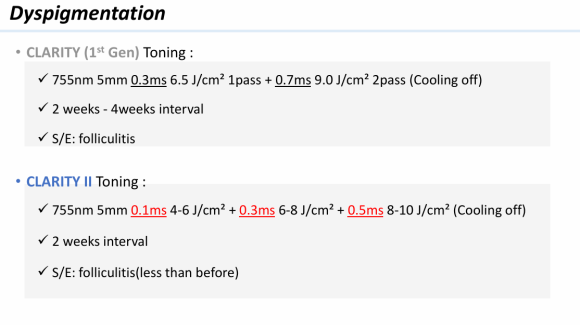
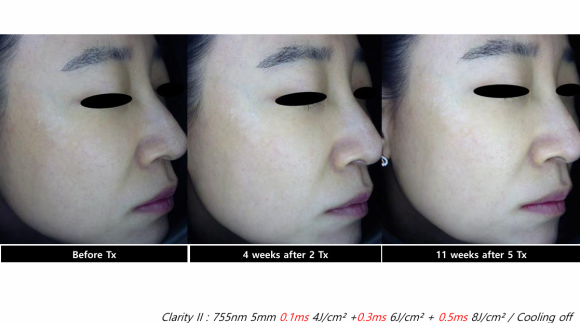
Clarity II toning uses short pulses such as 0.1 ms, 0.3 ms, and 0.5 ms in stages,
and is designed so that it does not strongly stimulate the entire skin but instead responds selectively to pigment.
In other words,
it is not a method of forceful removal,
but an approach that breaks it down in a divided and stable way.
Melasma is not a treatment that removes; it is a treatment that manages so it does not collapse.
This difference ultimately creates a major gap in the possibility of recurrence and in skin stability.
- Recurring Acne: Clarity Gold PTT Approach
The most difficult case in acne treatment is when inflammation keeps recurring and the skin becomes sensitive.
In such cases, it is often difficult to prevent recurrence with simple extraction or medication alone.
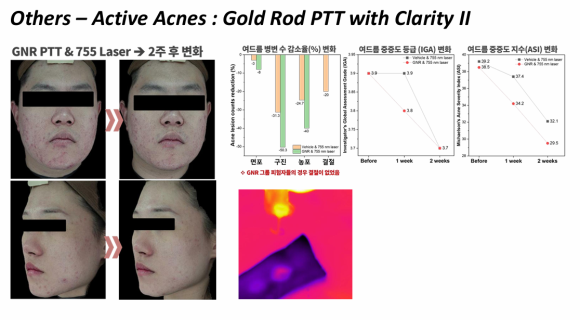
The Clarity Gold PTT introduced in this lecture
is a method that selectively delivers laser energy to specific areas to reduce the sebaceous glands and the inflammatory environment itself.
Simply put,
it is a treatment that concentrates heat only where it is needed, reduces irritation to the surrounding skin, and improves the underlying environment of inflammation.
So, not only current acne lesions,
but also recurring breakouts,
red marks,
overall skin condition
can be approached in a way that improves them together.
- In the End, It Is the “Design” That Creates the Result.
Even when the same device is used, the reason results differ is clear.
How the energy is set
In what order it is applied
How the patient’s skin condition is interpreted
All of these factors affect the treatment outcome.
One of the points I emphasized during the lecture was the stability and consistency of energy delivery.
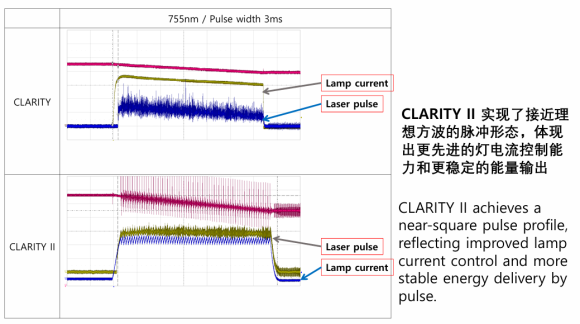
Clarity II is designed so that the pulse shape itself is maintained more uniformly, allowing for more stable treatment results.
What creates the result is not the device, but how that device is used.
In closing,
One thing I felt again while preparing for this APEC lecture was that
in skin treatment, maintaining stability is more important than changing things quickly.
This is especially true for conditions like melasma or acne, which are prone to recurrence.
Because the appropriate treatment direction can differ depending on the current skin condition,
I recommend checking the treatment design that suits you first, rather than focusing only on the name of the procedure.
Thank you for reading this long post.
This has been Choi Won-woo, CEO of Well’s Dermatology Clinic.
[Related posts worth reading]
Best 1. Introduction post
Best 2. I attended a Thermage MTL forum lecture.
Best 3. [ICAP 2025] Well’s Dermatology Clinic’s hair loss treatment, ‘Cera Exosome,’ that drew global attention
| Well’s Dermatology Clinic main phone number (click the number below to connect) |
|---|
| 02 - 542 - 2372 |
| Clinic hours |
|---|
| Weekdays 10:00 ~ 20:00 |
| Saturday 10:00 ~ 17:00 |
| Lunch break 13:00 ~ 14:00 |
| Closed on Sundays and public holidays |
This post was written directly by Well’s Dermatology Clinic and complies with all laws related to medical advertising, in addition to Article 56, Paragraph 1 of the Medical Service Act.
All surgeries and procedures may be accompanied by side effects depending on the individual, so please receive sufficient medical guidance from the medical staff and carefully decide whether to undergo the procedure.