Hello.
I am Yoo Hyo-seop, a board-certified dermatologist with 23 years of experience.
When I meet female patients in the consultation room, I often hear things like this.
“I'm not losing a lot of hair at the front, but my crown looks sparse.”
“My hair has gradually become finer, so even when I tie it up, it has no volume.”
“It wasn't like this before, but at some point, my scalp started showing through.”
Female hair loss does not often present with the hairline receding or a clearly defined M-shaped pattern, as is common with male hair loss.
Instead, it often progresses with reduced density at the crown, finer hair, and an overall appearance of decreased hair volume.
These changes are not simply a matter of hair falling out. They can also be viewed as part of a process in which the hair ages along with the skin.
Today, I will discuss hair aging and hair loss in women, as well as Cera Exosome, one of the treatment options for addressing them.
Contents
-
Female hair loss has a different pattern from male hair loss
-
Why hair becomes finer with age
-
Can hair aging be prevented through lifestyle habits alone?
-
What kind of treatment is Cera Exosome?
-
When is the best time to begin treatment?
1. Female hair loss has a different pattern from male hair loss
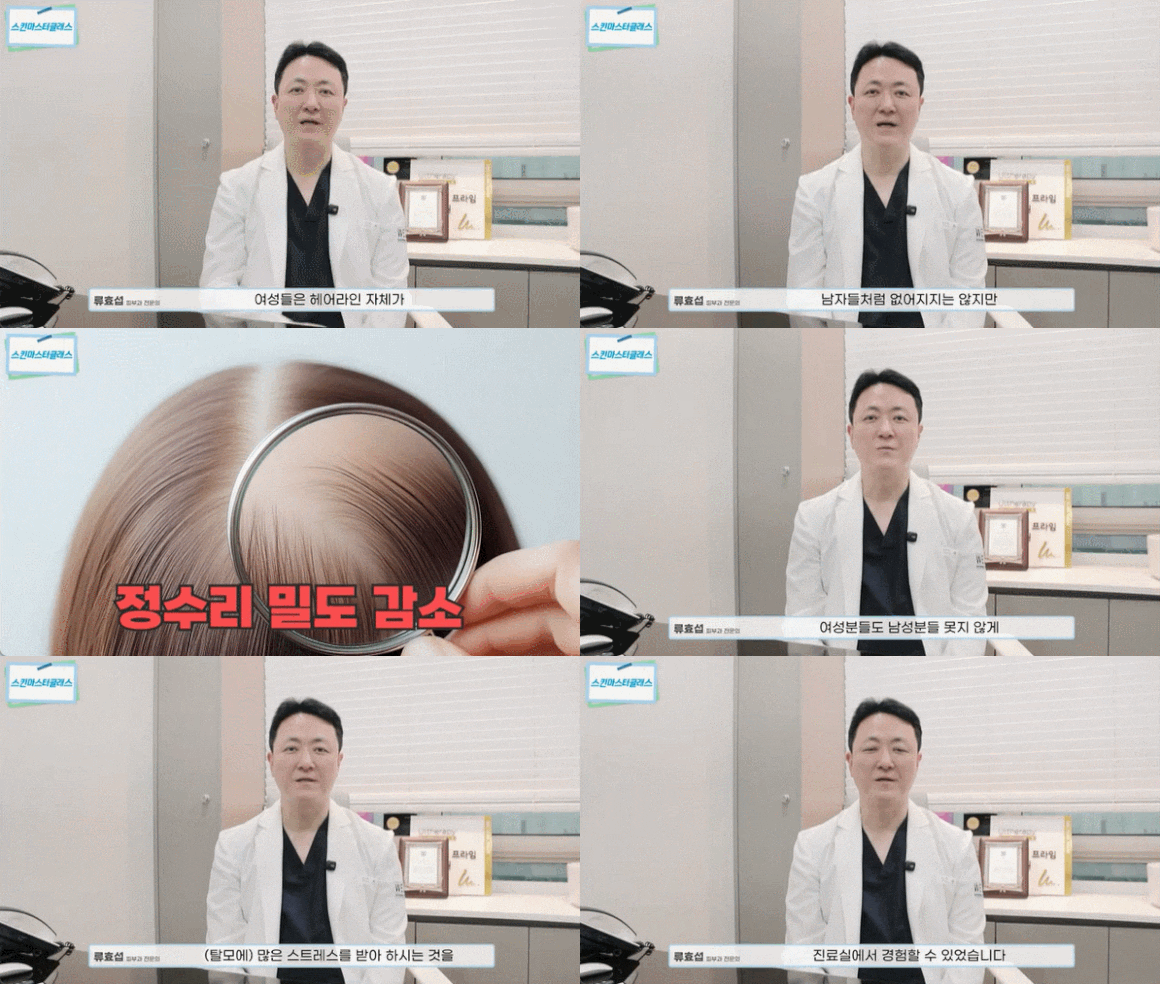
Male hair loss tends to have a relatively distinct pattern.
It often progresses with the forehead hairline moving upward or the crown appearing rounded and bare.
In contrast, female hair loss often appears as a gradual decrease in density around the crown and part, rather than a significant recession of the hairline itself.
At first, you may simply wonder, “Is my scalp showing because of the lighting?” Over time, however, you may notice that your part has widened and your hair no longer has the volume it once did.
The problem is that these changes are also directly connected to appearance-related stress.
Hair volume is an important factor in determining the impression of the face and a person’s apparent age.
Just as declining skin elasticity can be distressing, a visible crown and thinning hair can also cause considerable stress for many women.
Therefore, it is important to approach female hair loss not simply from the perspective that “hair is falling out,” but as hair aging involving a reduction in hair thickness and density.
2. Why hair becomes finer with age
Just as the skin develops wrinkles and loses elasticity with age, the hair also undergoes aging.
Hair aging mainly appears in three ways.
First, the hair becomes finer.
Second, overall density decreases.
Third, the number of hairs shed may increase.
Several factors work together to cause these changes.
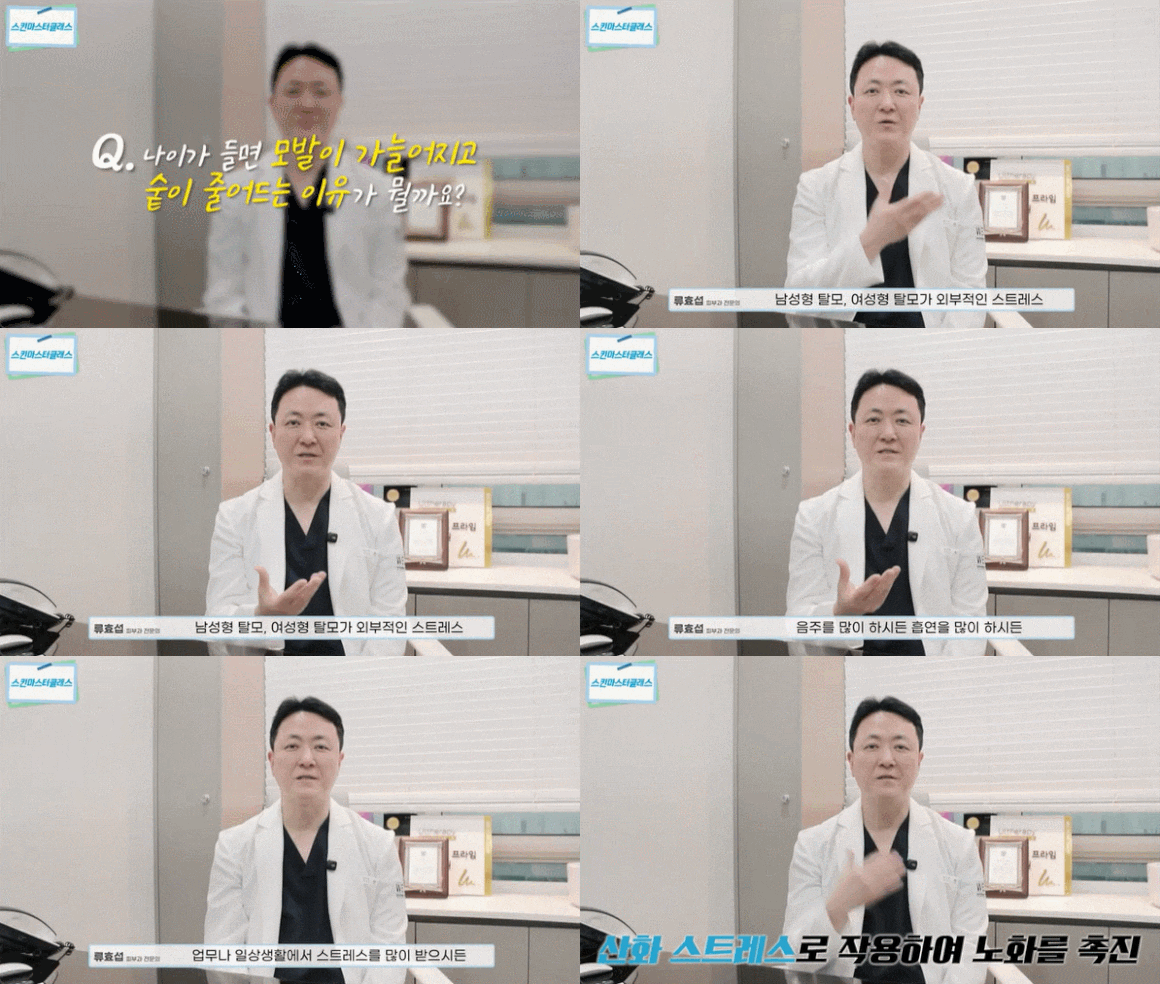
External stress, lack of sleep, alcohol consumption, smoking, and irregular lifestyle habits can increase oxidative stress in the body, which may accelerate follicle aging.
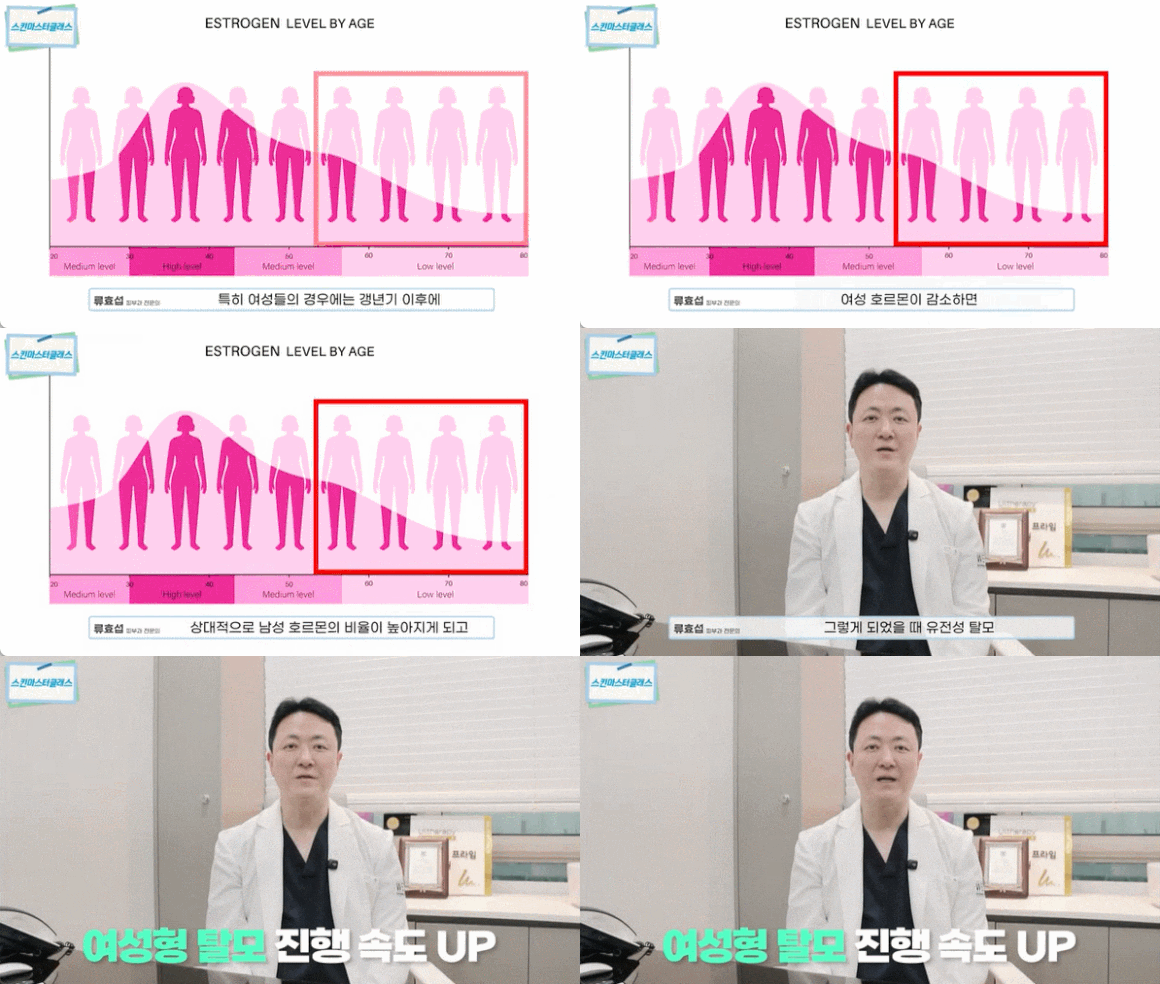
In women, hormonal changes after menopause are also an important contributing factor.
When female hormone levels decrease, the effects of male hormones may become relatively more pronounced, and the progression of female-pattern hair loss may accelerate during this process.
Ultimately, female hair loss is not simply caused by a lack of nutrients in the scalp.
Reduced follicle function, hormonal changes, oxidative stress, and lifestyle habits work together, causing the hair to gradually become finer and lose strength.

3. Can hair aging be prevented through lifestyle habits alone?
Basic lifestyle management is important for preventing hair aging.
Appropriate exercise, sufficient sleep, a balanced diet, and vitamin intake may benefit scalp and hair health, just as they do overall aging management.
There is also some basis for the long-standing belief that foods such as black beans and black sesame are beneficial for hair health.
This is because components such as phytoestrogens may help with aspects related to changes in female hormone levels.
In reality, however, it is difficult to prevent ongoing hair loss or hair aging 100% through food or lifestyle habits alone.
In particular, if a decrease in crown density has begun to stand out or your hair has visibly become finer, it is advisable to consider medically validated treatment as well.
Common options include oral medication, topical medication, and scalp injection treatments performed at a medical clinic.
Medications in the finasteride and dutasteride classes, as well as topical medications such as minoxidil, are already widely used methods for treating hair loss.
However, for women, whether these treatments are appropriate may vary depending on the possibility of pregnancy, hormonal status, and type of hair loss. The decision must be made after consultation with a medical professional.
4. What kind of treatment is Cera Exosome?
One treatment available at a medical clinic is scalp treatment using Cera Exosome.
This treatment delivers components that may help hair growth to the scalp, helping weakened follicles respond again to growth signals.
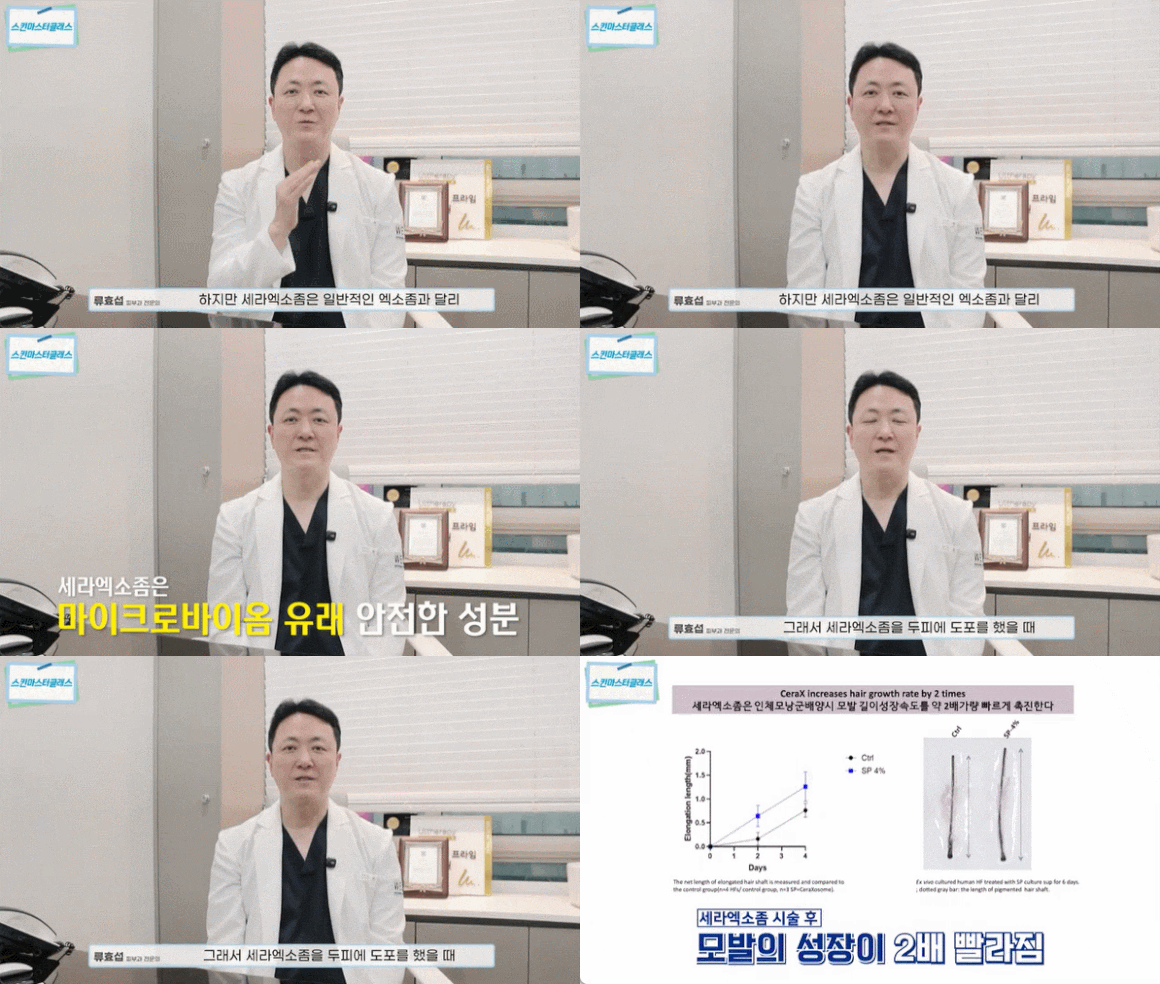
When people generally hear the term “exosome,” they often think of components derived from stem cell culture media.
However, Cera Exosome differs from typical exosomes.
It is a substance researched on the basis of plant-derived components and has been found to help promote hair growth when applied to the scalp.
In our clinical experience with Cera Exosome treatment, we sometimes observe positive changes in hair growth and thickness among people whose hair has become finer and less dense.
Of course, not all hair loss occurs for the same reason.
Causes vary and may include hereditary hair loss, telogen effluvium, postpartum hair loss, and postmenopausal hair loss.
However, because Cera Exosome is a treatment intended to support hair growth itself, it may be considered as an adjunctive treatment for various types of hair loss.
The important thing, however, is to first determine what is currently causing your hair loss.
Repeating just one treatment unconditionally without considering the cause is not a good approach.
5. When is the best time to begin treatment?
The earlier hair loss treatment begins, the better.
It is much more advantageous to begin treatment while finer hairs remain and the follicles can still respond, rather than after the hair has completely disappeared.
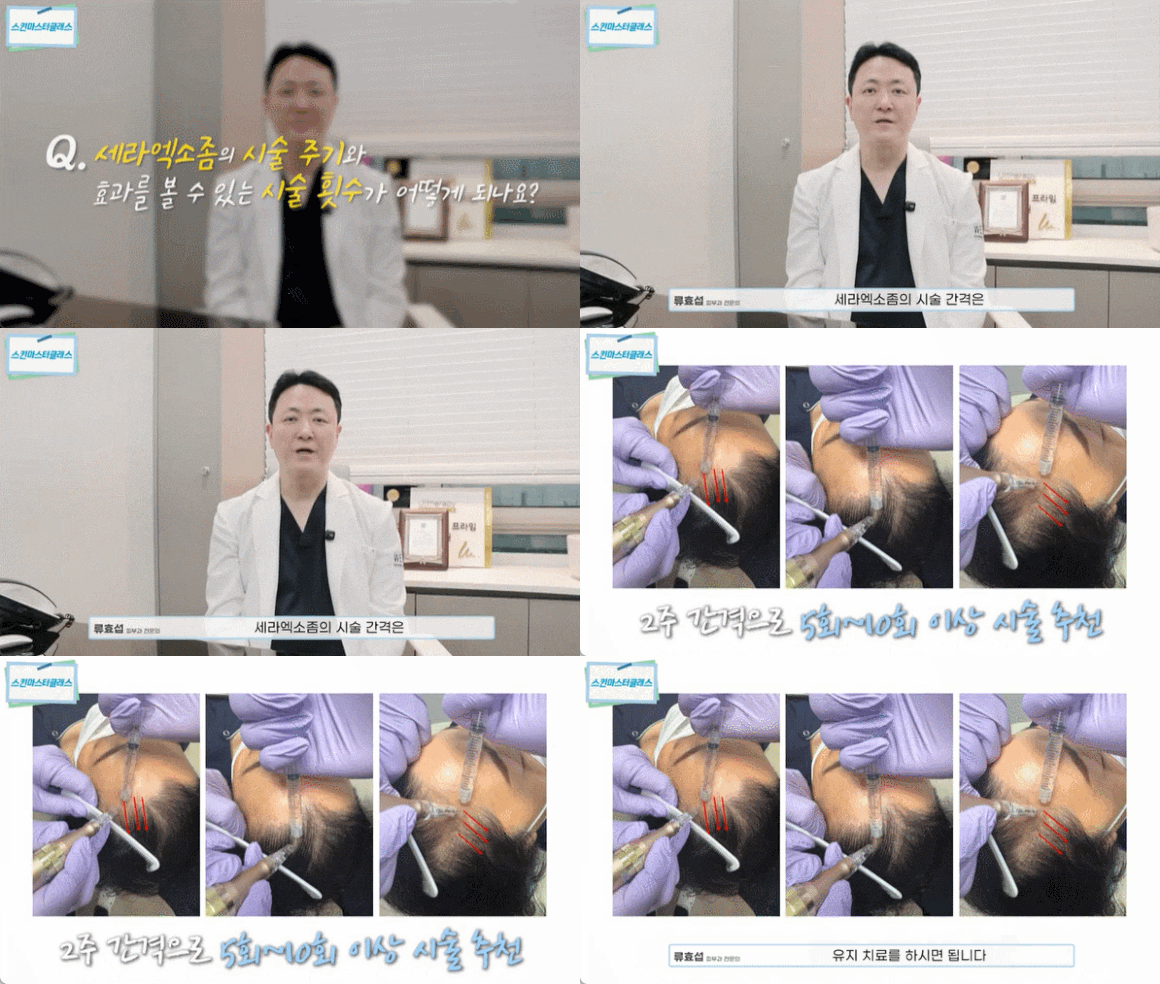
Cera Exosome treatment is generally recommended at two-week intervals for approximately 5 to 10 sessions. Afterward, maintenance treatment may be considered at intervals of about one month.
Because the treatment does not significantly interfere with daily life, you can briefly visit the clinic for the procedure and then return to your usual routine.
Results vary from person to person, but many people begin to notice changes in their hair condition after approximately one or two months.
In particular, if you are concerned about decreased crown density, finer hair, or hair loss after menopause, especially after your 40s, it is advisable to have your current condition accurately assessed rather than putting it off.
When necessary, better results may be expected when Cera Exosome treatment is combined with validated oral and topical medications.
In closing
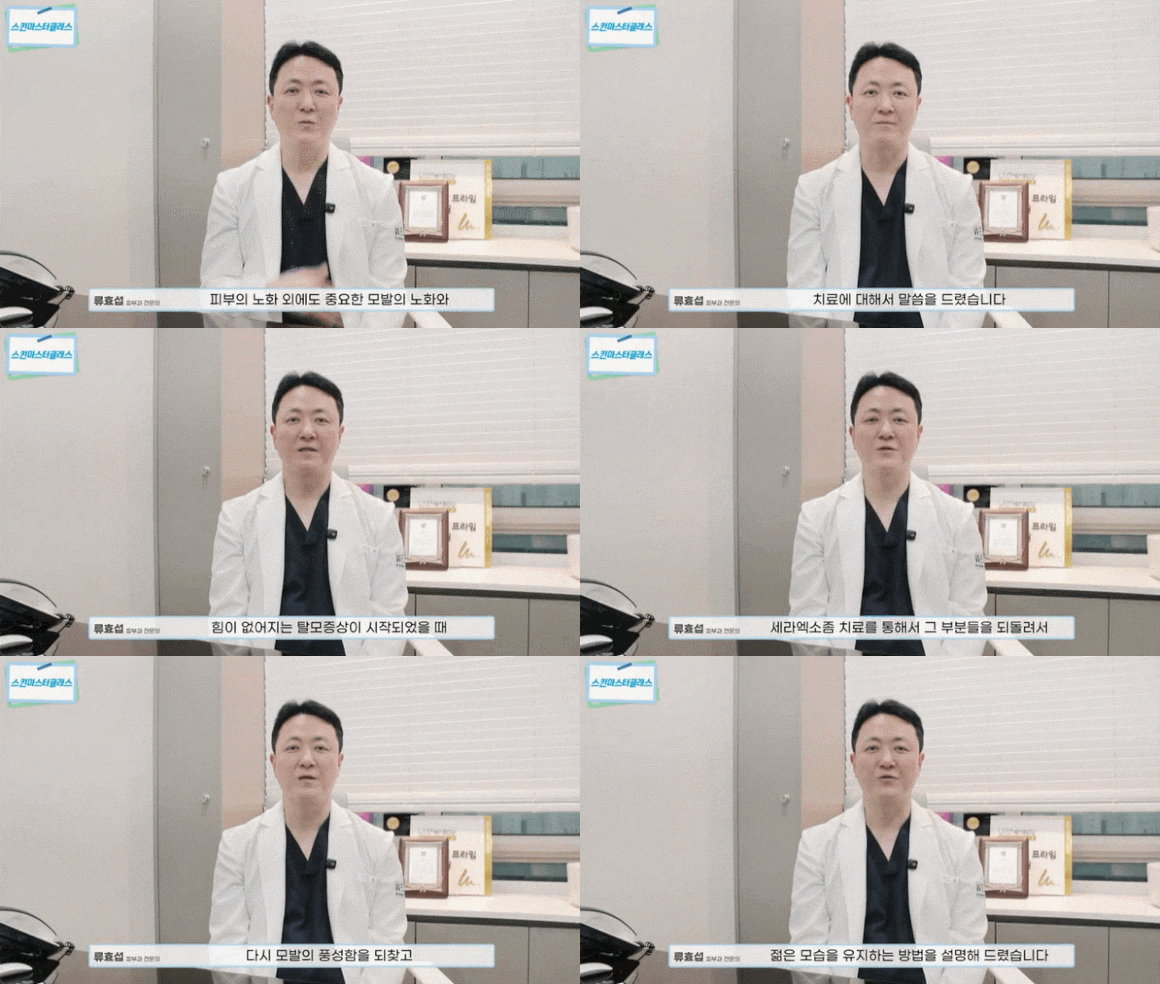
Even without significant hairline recession like that seen in men, female hair loss can cause considerable stress as crown density decreases and the hair becomes finer.
In particular, hair changes that occur with age should be understood not simply as hair loss, but as part of the hair-aging process.
Lifestyle management is important, but if decreased density and miniaturization are already progressing, it is advisable to consider medical treatment as well.
Cera Exosome is a treatment that delivers signals needed for hair growth to weakened follicles and may help improve hair thickness and density.
However, the same effects do not occur for everyone, and the treatment plan should vary depending on the cause and progression of the hair loss.
If your scalp has started showing through at the crown or your hair is gradually becoming finer and weaker, please do not simply dismiss it as a result of aging.
Accurately assessing the current condition of your scalp and hair and establishing a treatment approach suited to you is the first step toward maintaining healthy hair for a long time.
Thank you for reading this lengthy post.
This has been Yoo Hyo-seop, a board-certified dermatologist at Wells Dermatology Clinic.
[Recommended related articles]
Best 1. Introduction
Best 2. Recommended procedures for slowing skin aging
Best 3. Four cost-effective procedures frequently sought by men at dermatology clinics
| Wells Dermatology Clinic Main Phone (click the number below to call) |
|---|
| 02 - 542 - 2372 |
| Clinic Hours |
|---|
| Weekdays 10:00 ~ 20:00 |
| Saturdays 10:00 ~ 17:00 |
| Lunch 13:00 ~ 14:00 |
| Closed Sundays and public holidays |
This post was written directly by Wells Dermatology Clinic and complies with Article 56, Paragraph 1 of the Medical Service Act and all other applicable laws concerning medical advertising.
All surgeries and procedures may be accompanied by side effects depending on the individual. Please receive sufficient information and guidance from a medical professional before carefully deciding whether to undergo a procedure.