※ This post is content provided for medical information.
It is not subject to review under Article 56, Paragraph 2 and Article 57 of the Medical Service Act, and is not a post for advertising purposes.
Hello,
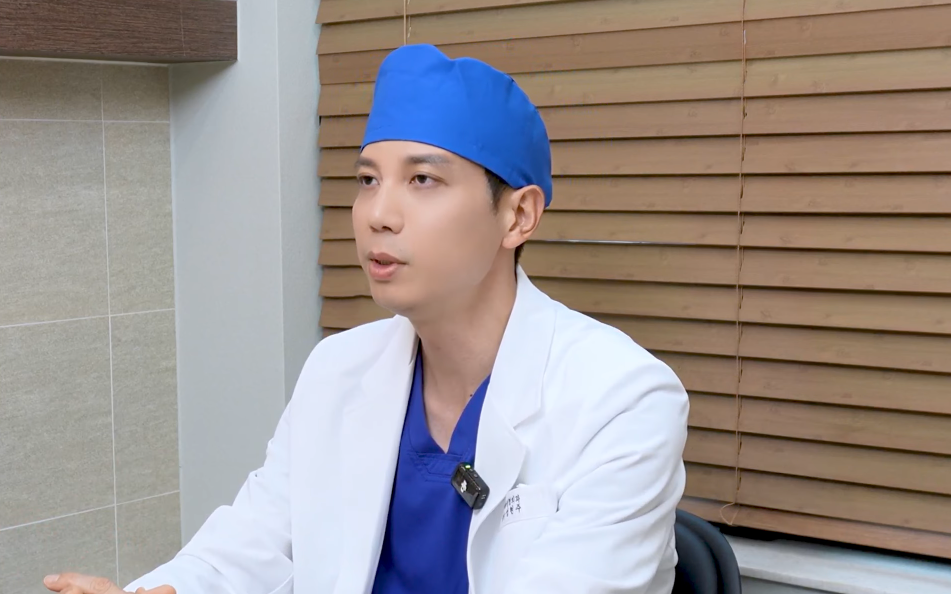
I am Son Hyun-joo, director of Cheongdam OK Clinic, specializing in facial autologous fat grafting.
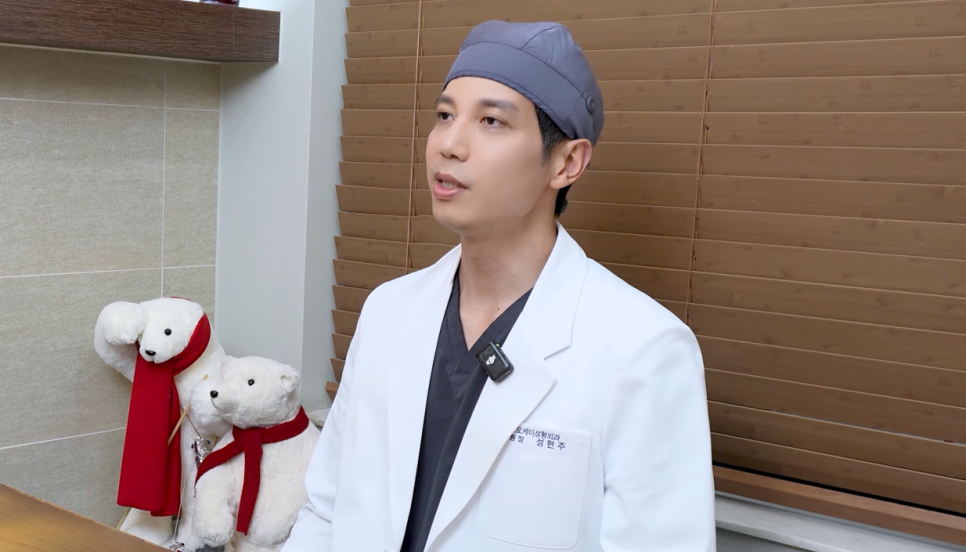
| ▶ Full member of the Korean Society of Aesthetic Plastic Surgery (KACS) |
|---|
| ▶ Full member of the Korean Society for the Study of Obesity (KSSO) |
| ▶ Full member of the Korean Society of Obesity and Aesthetic Body Shape (KAAM) |
| ▶ Full member of the Korean Society of Liposuction (KSSL) |
| ▶ Full member of the Korean Society of Aesthetic Surgeons (KSAS) |
When consulting about facial autologous fat grafting,
I am asked the following question most often:
How much difference does it make?
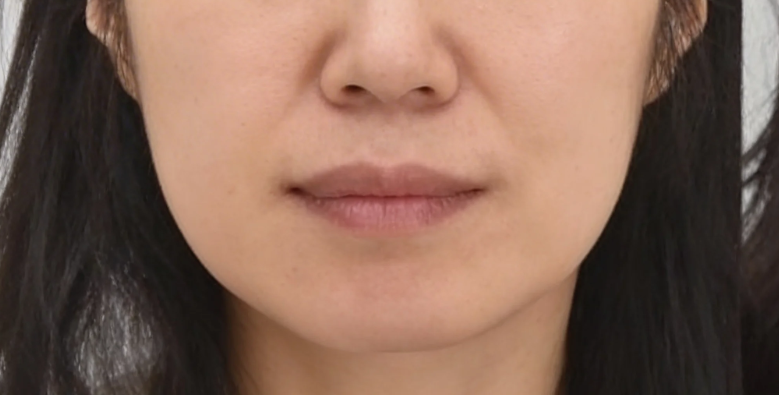
To put it simply, it is not about becoming a completely different person.
Rather, it is about gently filling in hollow areas and refining the overall impression.
Areas that have lost volume, such as the temples, front cheeks, and nasolabial folds, can look even more sunken as light falls on them.
That can create a tired, older-looking impression.
However, the appearance right after the procedure is not the final result.
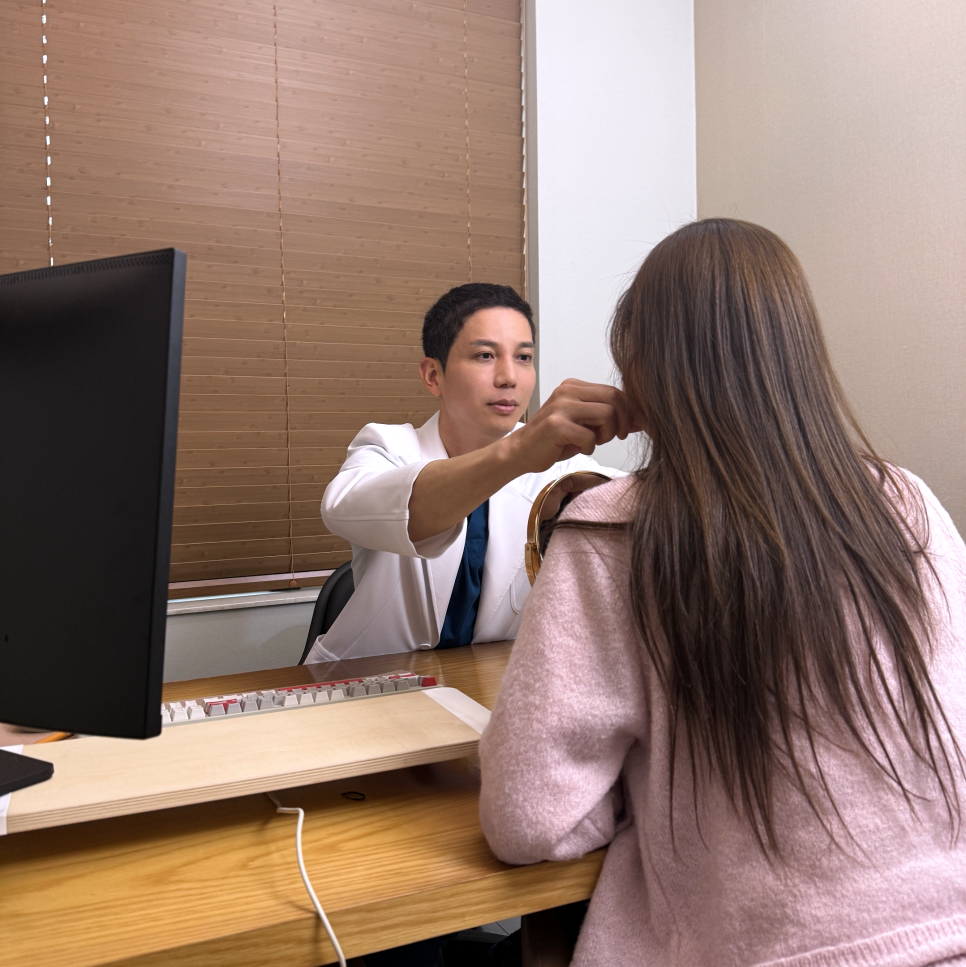
At first, it may look slightly overfilled,
but over time it settles in naturally.
The difference before and after is not an exaggerated transformation,
but rather something closer to “looking naturally improved without appearing unnatural.”
How long does the swelling last?
One of the biggest concerns after facial autologous fat grafting is swelling.
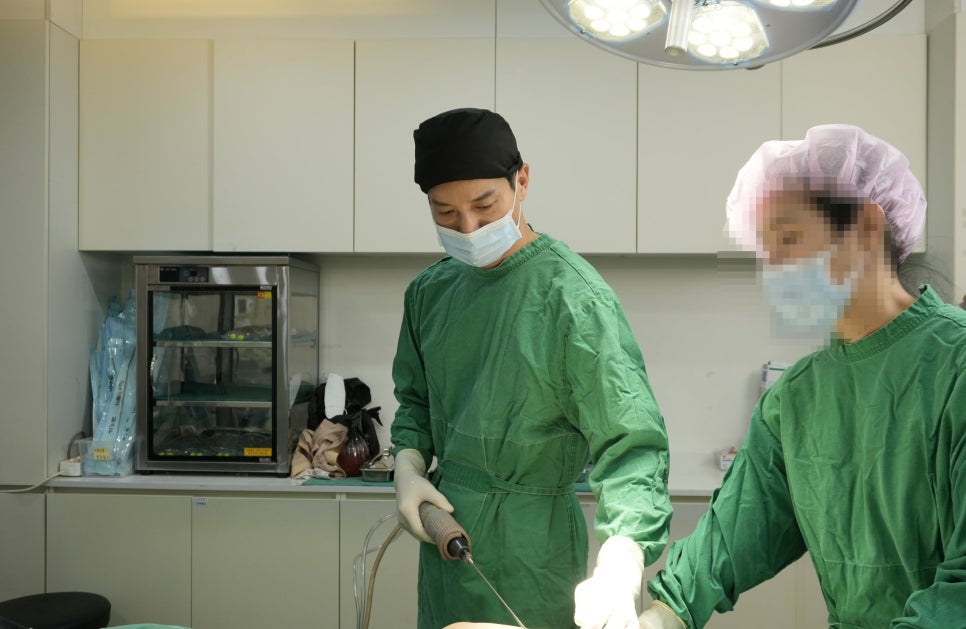
In general, most of the major swelling subsides significantly within 1 to 2 weeks.
However, mild residual swelling may remain for about 3 to 4 weeks.
In particular, areas with abundant blood flow, such as around the eyes or the front cheeks, tend to have swelling that lasts relatively longer.
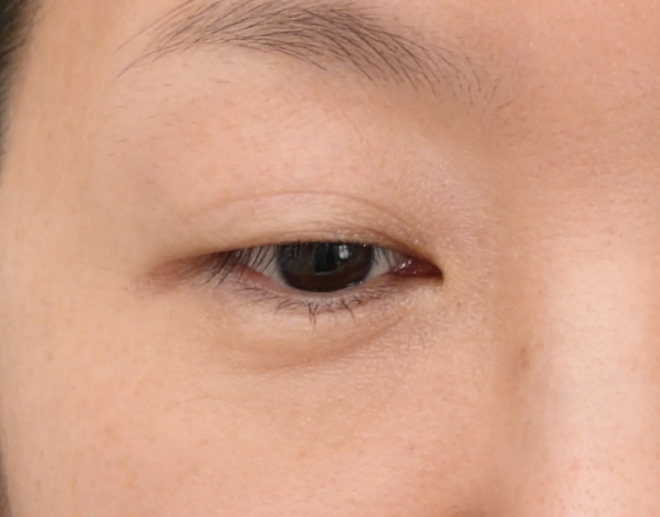
It may feel firm at first, but it gradually becomes softer.
Cold compresses can help during the first few days,
and after that, excessive pressure or massage should be avoided.
The pattern of swelling varies depending on the individual’s constitution, the area injected, and the harvest site.
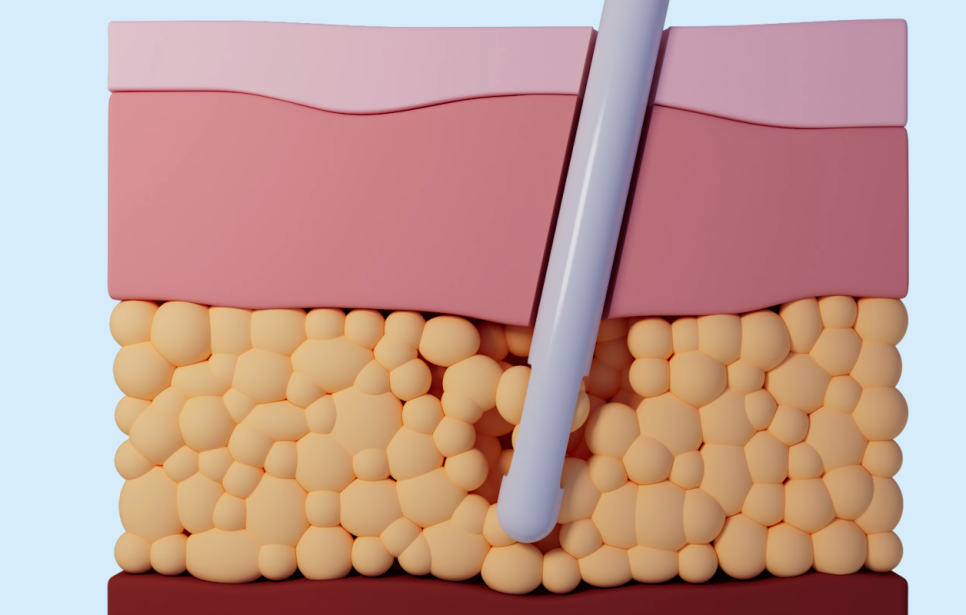
Bruising may appear temporarily, but in most cases it naturally fades with time.
How much survival rate can be expected?
The survival rate varies greatly from person to person. On average, I explain that about 50% to 70% remains stably.
It takes about 3 months for the transplanted cells to settle in.
During this period, stable blood flow supply is necessary for good retention.
Smoking can cause blood vessel constriction and may affect the survival rate.
Rapid weight loss can also reduce the volume of the remaining fat.
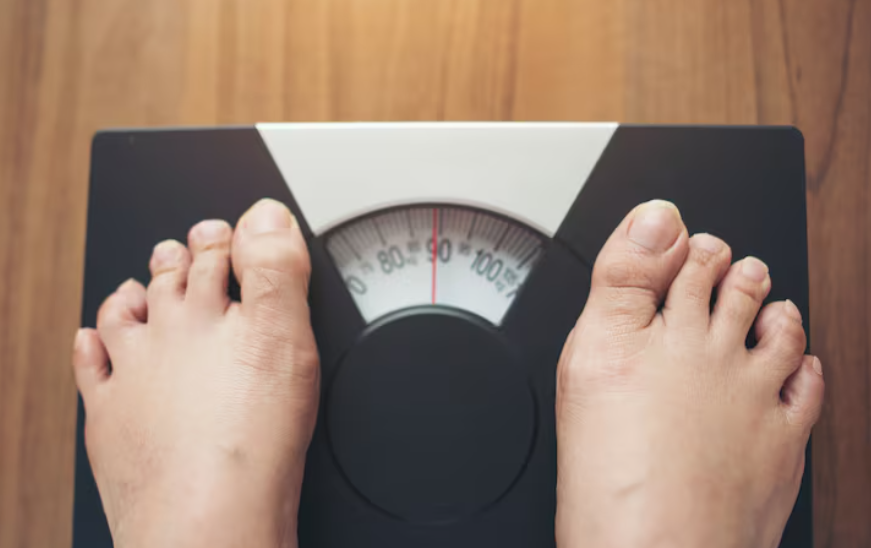
That is why it is important to maintain a steady weight after the procedure.
If the survival rate appears low, a second-stage touch-up may be considered.
However, injecting too much from the start can instead create an uneven result, so caution is needed.
Duration and long-term changes
The duration depends on how stably the transplanted fat remains.
Once the tissue has settled, it tends to be maintained for a relatively long time.
However, since aging continues, additional refinement may be needed as time passes.
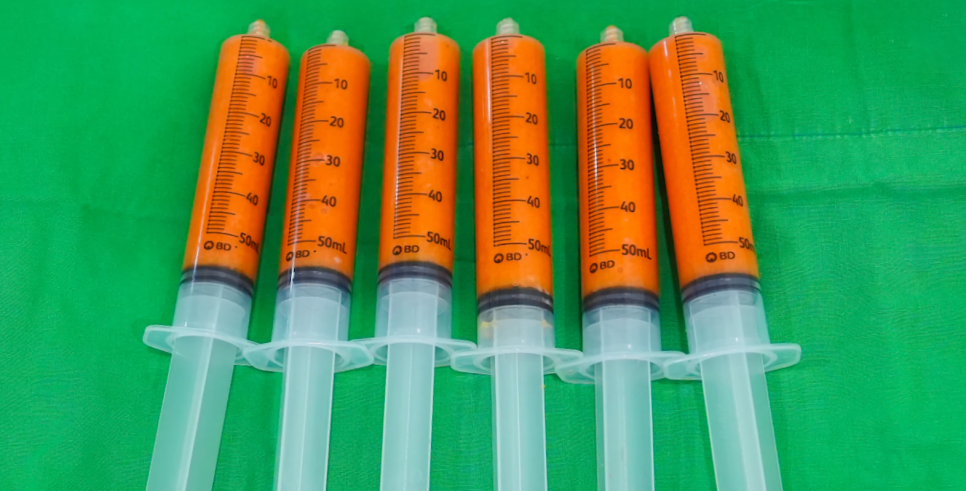
For some people, one procedure is enough, but in cases with significant volume loss, a second plan may be made.
Facial autologous fat grafting is not simply about increasing volume;
it is a process of redesigning the contours.
Rather than expecting too much, aiming for a naturally refined result leads to higher satisfaction.
The duration varies depending on the individual’s lifestyle, changes in weight, and skin elasticity.
Stable daily care determines the long-term outcome.
-Operating Hours-
| Weekdays 10:00 AM ~ 7:00 PM (Reception closes at 6:30 PM) Saturday 10:00 AM ~ 4:00 PM (Reception closes at 3:30 PM) Holidays / Wednesdays, Sundays Regular holiday |
-Contact-
| ▶ Facial Autologous Fat Grafting Cheongdam OK Clinic |
|---|
| Consultation phone: 02-3446-7588 KakaoTalk inquiry |
-Directions-
Facial autologous fat grafting