※ This post is content provided for medical information purposes.
It is not subject to review under Article 56, Paragraph 2 and Article 57 of the Medical Service Act,
and is not a post for advertising purposes.
Hello,
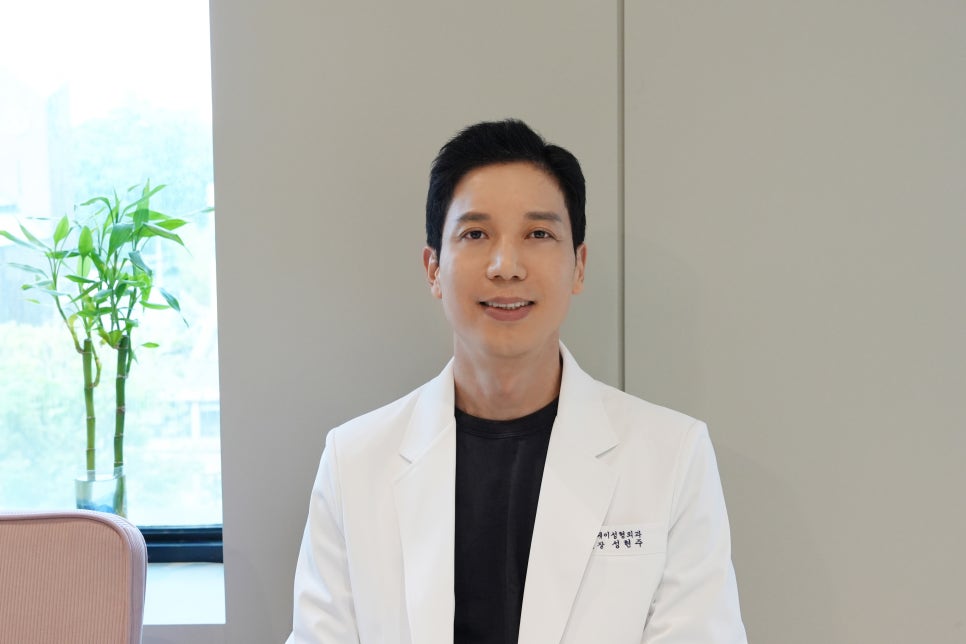
I am Sunhyeongju, Director of Cheongdam OK Clinic,
specializing in forehead fat grafting.
| ▶ Regular member of the Korean Academy of Cosmetic Surgery (KACS) |
|---|
| ▶ Regular member of the Korean Society for the Study of Obesity (KSSO) |
| ▶ Regular member of the Korean Association of Obesity and Aesthetic Body Contouring (KAAM) |
| ▶ Regular member of the Korean Society of Liposuction Surgery (KSSL) |
| ▶ Regular member of the Korean Society of Aesthetic Plastic Surgery (KSAS) |
The forehead is a part that has a bigger impact on facial impression than many people think.
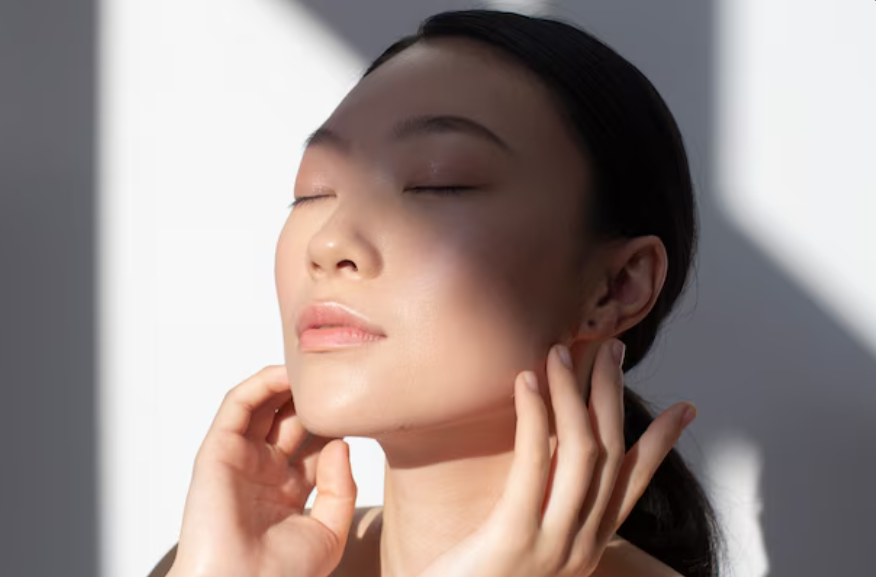
A flat or sunken forehead can make facial contours look monotonous,
whereas when moderate volume is formed, the overall facial line often looks softer.
For this reason, some people consider forehead fat grafting.
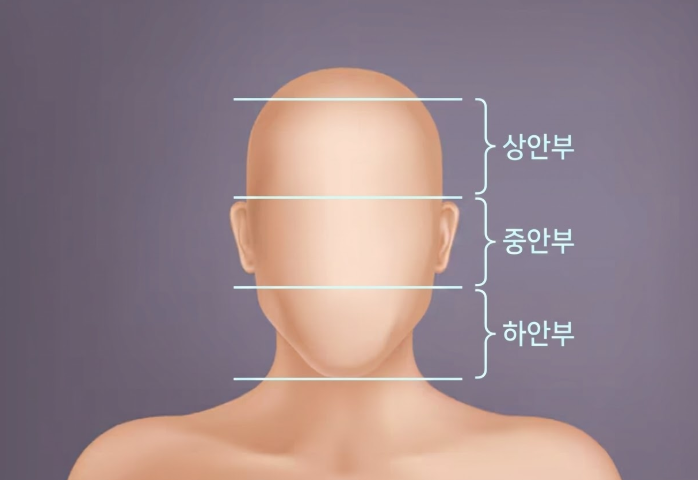
Although it may seem as simple as filling in volume,
in practice it requires a process of planning while considering facial balance and proportions.
In particular, questions about how much change appears after the procedure,
what the survival rate is,
and how long it lasts are frequently asked during consultations.
Criteria for before-and-after changes in forehead fat grafting
Forehead fat grafting is a method of harvesting one’s own fat and injecting it into the needed area.
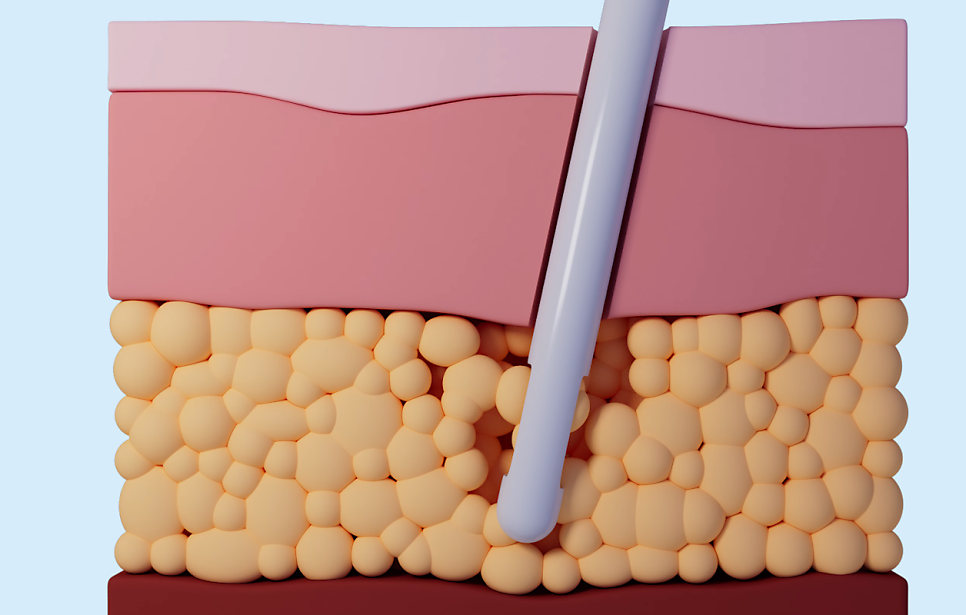
When volume is created in a sunken forehead area,
the facial contour often becomes more softly defined.
In particular, when the curve between the forehead and the eyebrows is naturally connected,
the overall facial impression can appear softer.
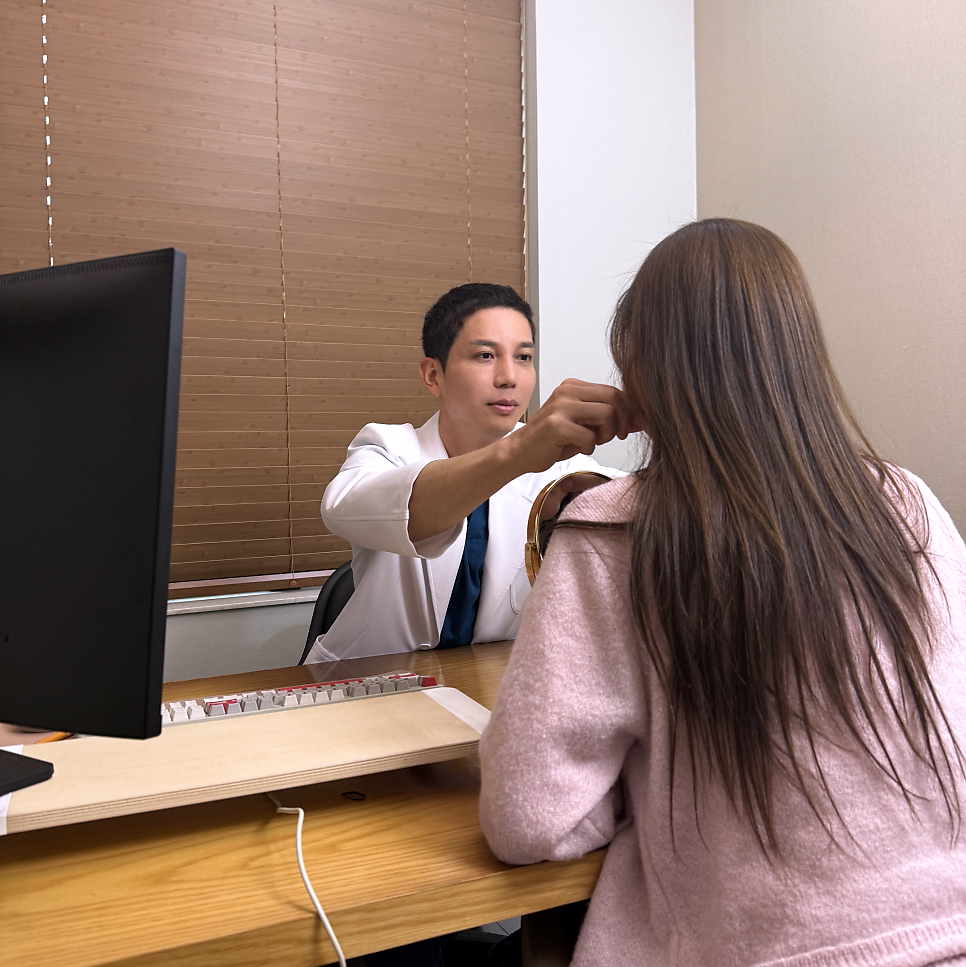
However, the degree of before-and-after change can vary depending on the individual’s facial structure and forehead shape.
In cases with a flat forehead, the change may be relatively noticeable,
but
if there is already some volume, the change may appear less dramatic.

For this reason, in procedure planning, it is important to consider facial proportions and forehead curves together.
Why the survival rate matters
One of the important factors in fat grafting is the survival rate.
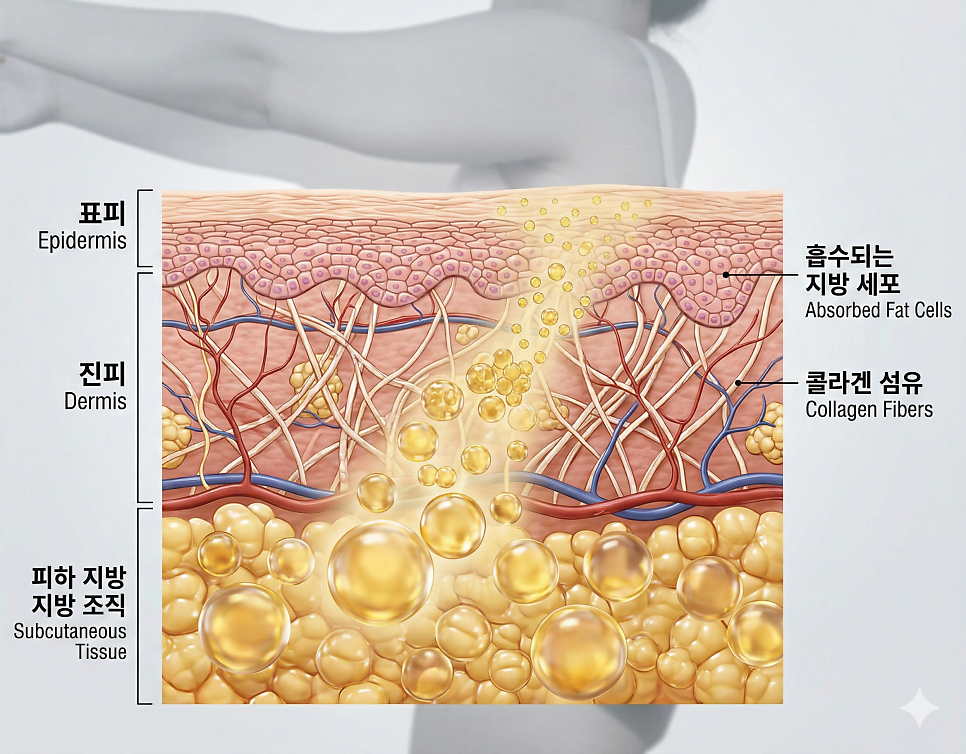
The survival rate refers to the proportion of injected fat that survives and settles in the body.
Not all of the fat is maintained as is, so a certain portion may be absorbed.
In general, some of the fat is naturally absorbed while the remaining fat settles in place.
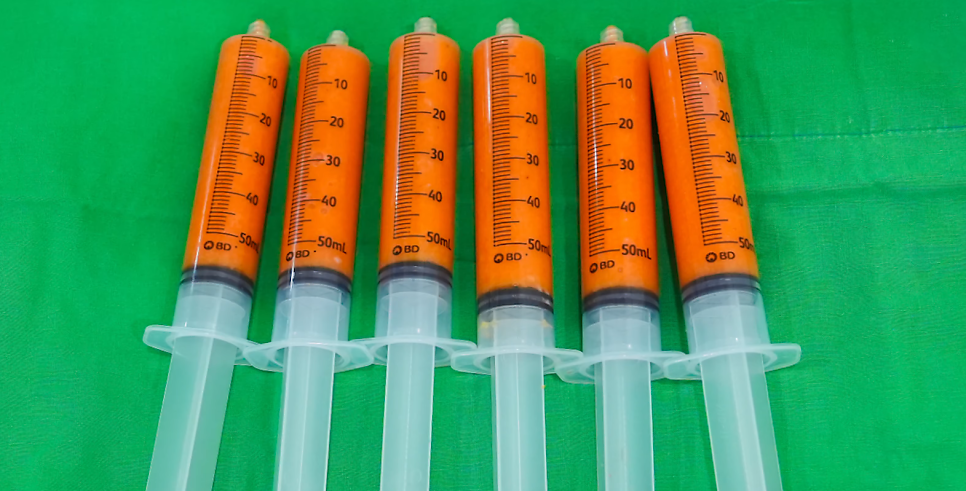
The survival rate can vary depending on the individual’s constitution, the condition of the fat, and the procedure method.
In addition, initial care after the procedure can also affect the survival rate.
For this reason, in fat grafting, it is important not simply to inject a large amount,
but to plan so that it can settle stably.
Retention period and treatment plan
The retention period after forehead fat grafting varies depending on the individual’s condition.
In general, grafted fat often remains for a relatively long time.
However, since some fat may be absorbed over time, this is also considered during the initial planning stage.
The retention period can be affected by the individual’s constitution, lifestyle habits, and weight changes.
In addition, depending on facial structure, an additional treatment plan may be established.

The important point is to plan for stable results rather than filling excessive volume all at once
for a natural outcome.
-Operating hours-
| Weekdays 10:00 ~ 19:00 (reception closes at 18:30) Saturday 10:00 ~ 16:00 (reception closes at 15:30) Closed on public holidays / Wednesdays and Sundays for regular closure |
-Contact-
| ▶ Forehead fat grafting, Cheongdam OK Clinic |
|---|
| Consultation phone: 02-3446-7588 Inquire via KakaoTalk |
-Directions-
Forehead fat grafting