※ This post is content provided for medical information.
It is not subject to review under Article 56, Paragraph 2 and Article 57 of the Medical Service Act,
and is not a post for advertising purposes.
Hello,
I am Hyunju Seong, director of Cheongdam OK Clinic,
specializing in Hupagori surgery.
| ▶ Full member of the Korean Academy of Cosmetic Surgery (KACS) |
|---|
| ▶ Full member of the Korean Society for the Study of Obesity (KSSO) |
| ▶ Full member of the Korean Association of Obesity and Aesthetic Body Contouring (KAAM) |
| ▶ Full member of the Korean Society for Liposuction (KSSL) |
| ▶ Full member of the Korean Society of Aesthetic Surgery (KSAS) |
Among those considering Hupagori surgery,
one of the most common concerns is,
"The line will probably look prettier, but are there any side effects?"
In particular, because the procedure involves performing
waist liposuction and pelvic fat grafting at the same time,
it can feel more burdensome than a simple procedure.

Even during actual consultations, questions about the
recovery process and unexpected problems come up repeatedly.
Today, I will help set a standard for the risk factors
and recovery process that are often mentioned in real reviews.
| Table of Contents |
|---|
| 1. Why side effects occur in Hupagori surgery 2. Common problem types mentioned in real reviews 3. The most important management points during recovery 4. Criteria for achieving results safely |
- Why side effects occur in Hupagori surgery
Hupagori surgery is not simply about removing fat;
it is a process that reshapes the overall silhouette by
refining the waistline and adding volume to the pelvis.
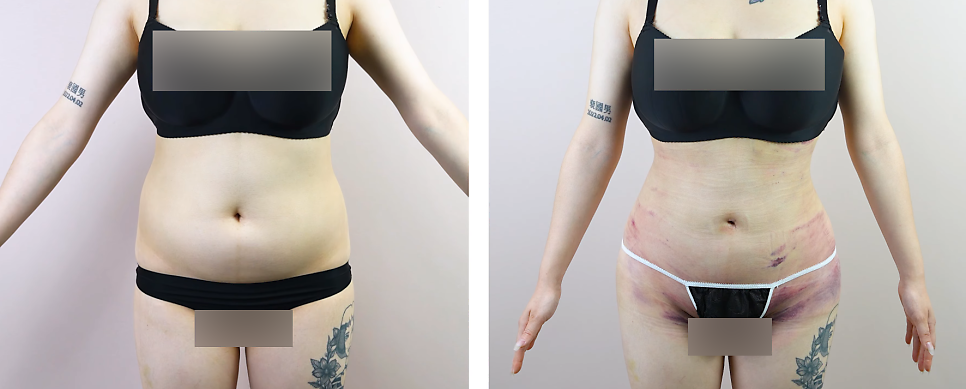
Left) Before, Right) 1 week after Hupagori surgery
The key reason problems arise at this point is that
"two processes are being carried out at the same time."
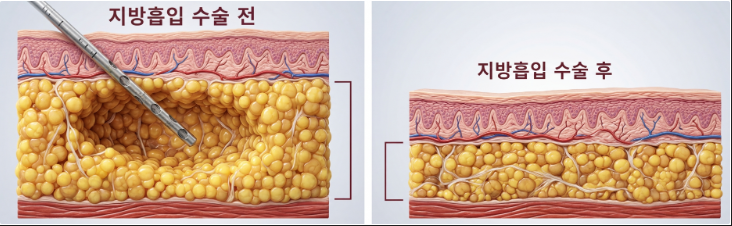
In the waist, tissue damage occurs while removing fat,
and in the pelvis, a fat grafting process is needed for the fat to take hold.
Because these two processes affect each other, swelling
and bruising may last longer than with a procedure on a single area.
- Common problem types mentioned in real reviews
Looking at reviews, they are largely divided into three categories.
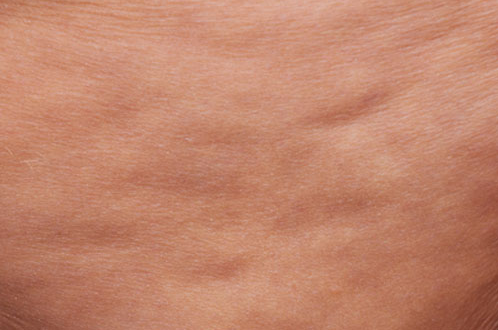
The first is hardening in the waist area,
commonly referred to as bio-bonding (adhesion).
It is a natural response for a certain period,
but if management is insufficient, it can last longer.
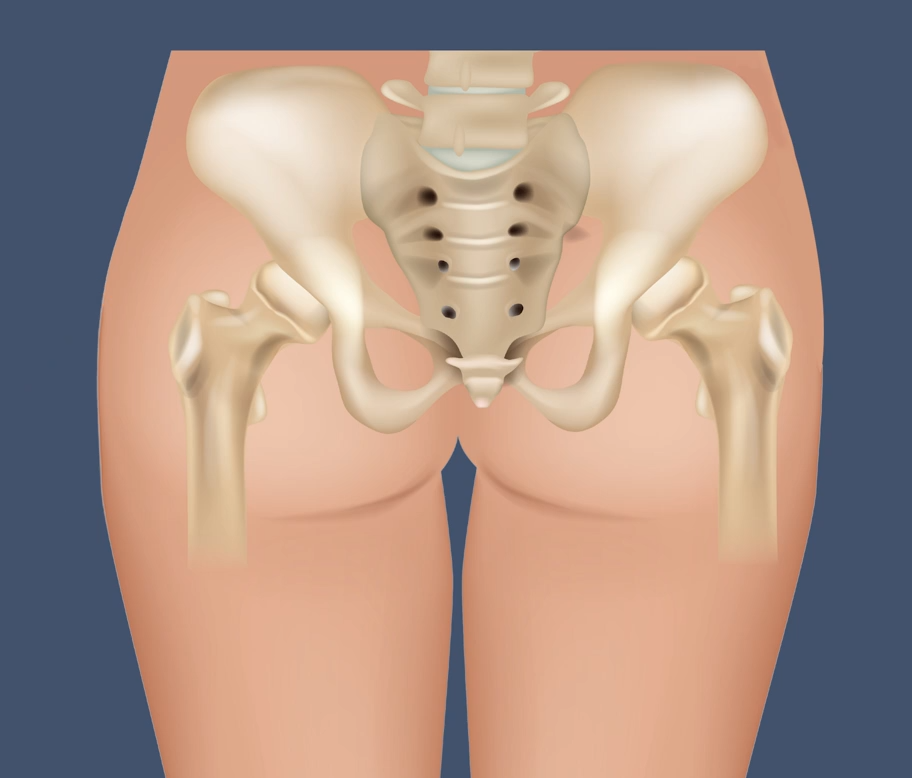
The second is a difference in volume between the left and right sides of the pelvis.
Because fat take rates vary from person to person,
some of the fat may be reabsorbed, leading to asymmetry.
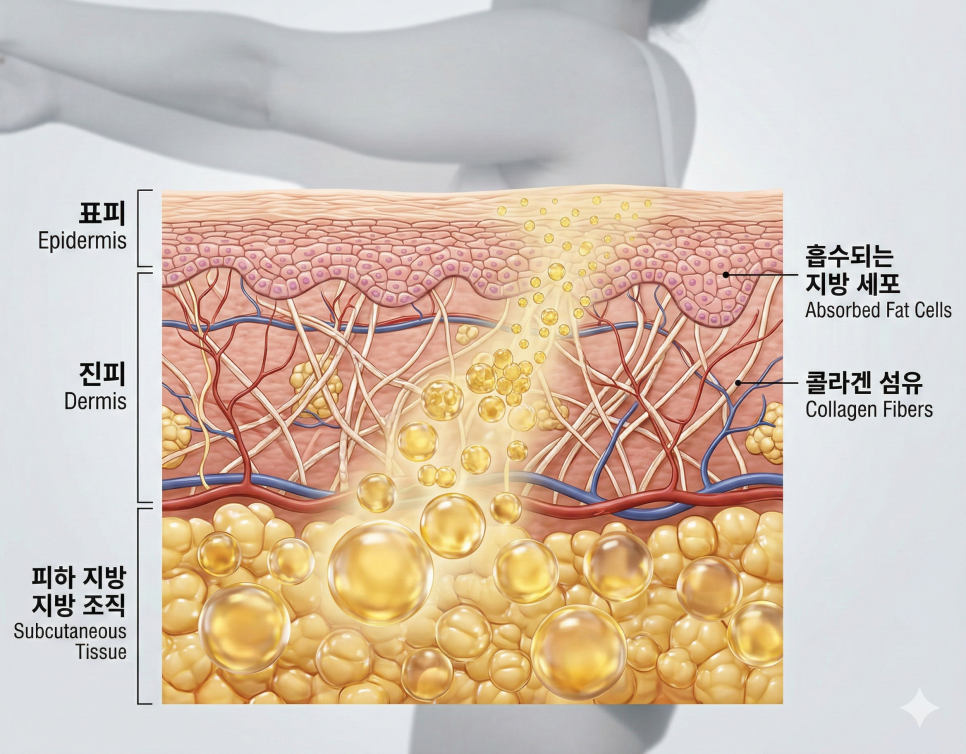
The third is a line change that is more excessive than expected.
If too much fat is removed from the waist or too much is added to the pelvis,
the result can instead look unnatural.
In many such cases, the issue is often that the standards
set during the design stage were insufficient.
- The most important management points during recovery
Recovery is usually divided into three stages. During the initial 1 to 2 weeks,
swelling and bruising are the most noticeable.
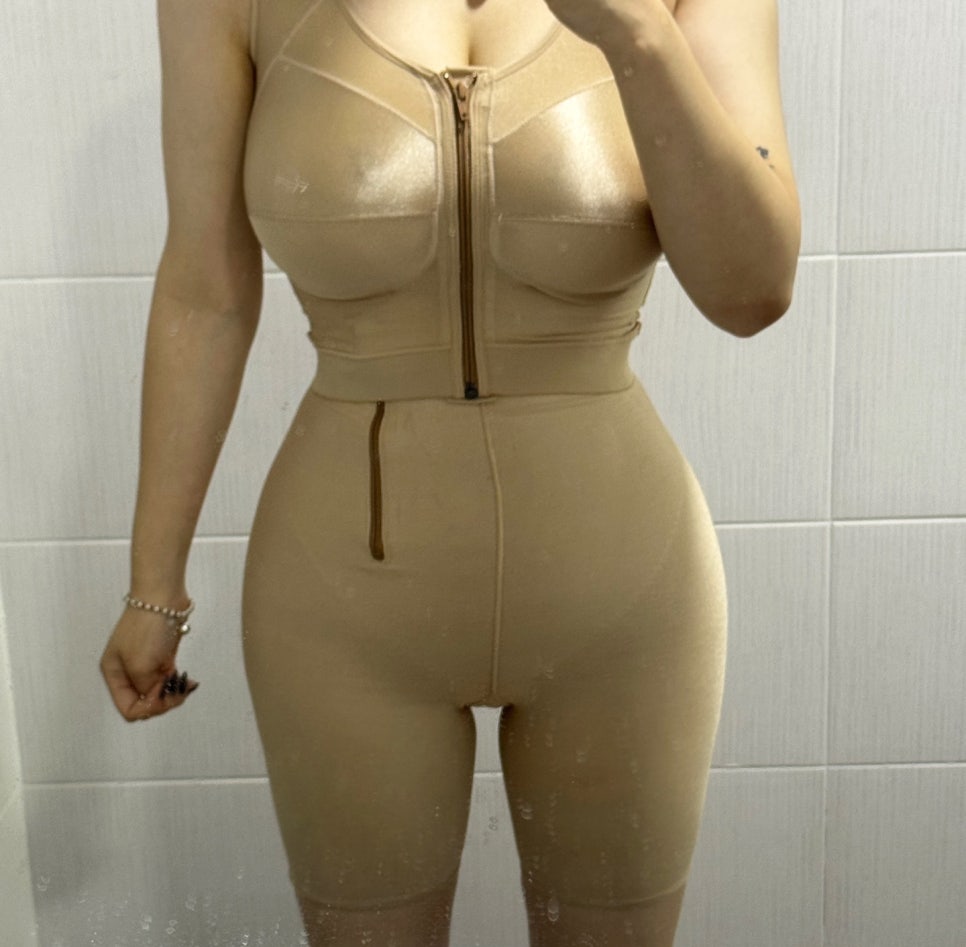
During this period, wearing compression garments is important,
and it is best to avoid strenuous movement.
After about 3 to 6 weeks, you may feel hardness around the waist area,
and at this point, light massage or care may be needed.
Finally, after 2 to 3 months, the fat settles in place
and the overall line stabilizes.
During this process, if there are large fluctuations in weight,
it can also affect the results, so maintaining eating habits is an important factor.
- Criteria for achieving results safely
Hupagori surgery is not a procedure that produces good results simply by
removing a lot and adding a lot.
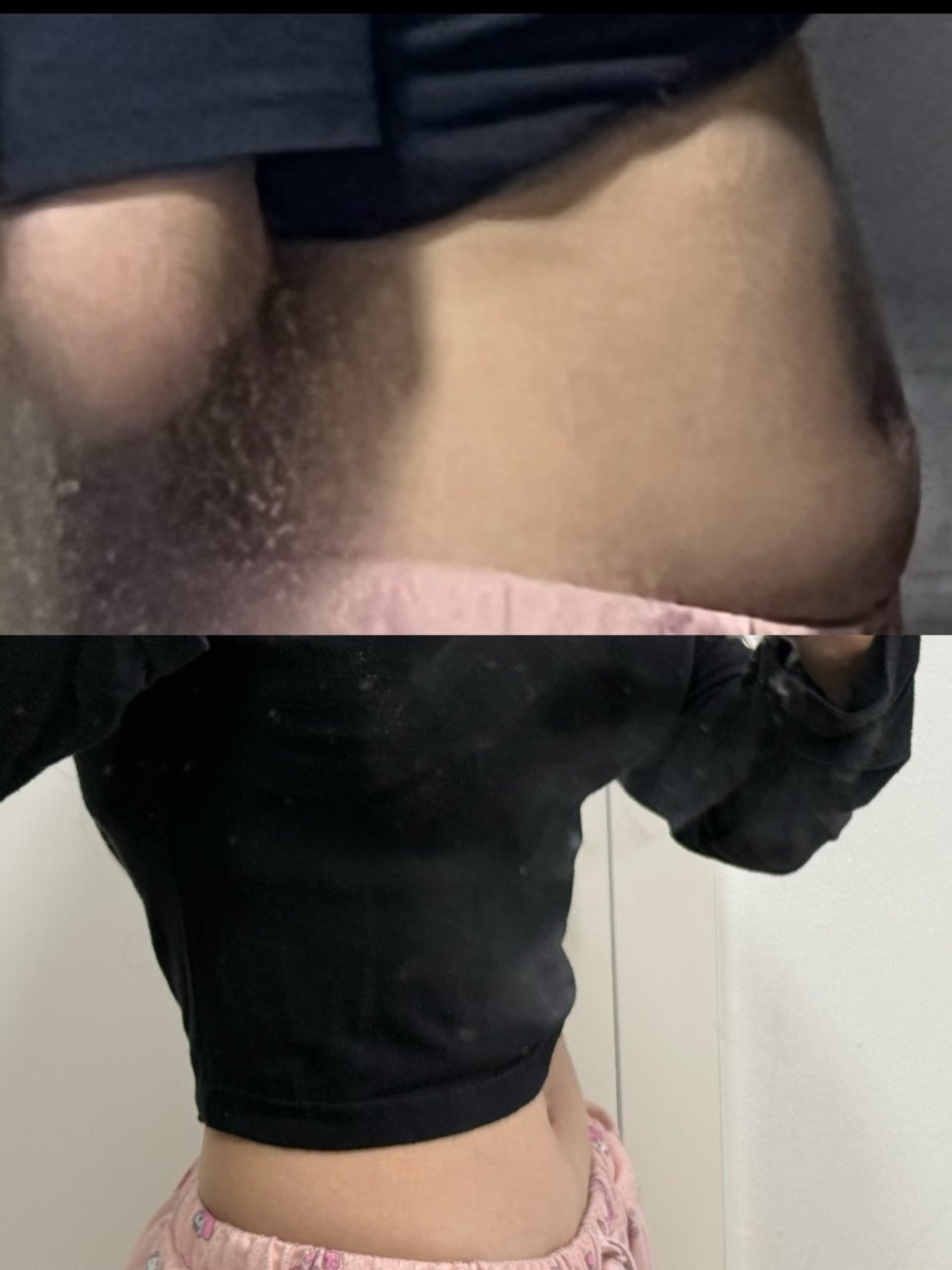
2 months after abdominal liposuction
The key is "balance." It is important to how naturally the difference
between the waist and pelvis is created.
The amount of fat removed and the amount grafted should be set in a balanced way,
and skin elasticity and body shape should also be taken into account.
In addition, a management plan during the recovery period must also be included
to keep the overall result stable.
Looking at cases with high satisfaction, most are cases in which the adjustment
was made within a range suited to the body shape rather than aiming for excessive change.
This procedure certainly has the effect of creating a clear body-shape change,
but stable results come only when delicate planning and management are provided together.
↓↓↓ Content that may also be helpful ↓↓↓
-Operating Hours-
| Weekdays 10:00 ~ 19:00 (Reception closes at 18:30)Saturday 10:00 ~ 16:00 (Reception closes at 15:30)Public holidays / Wednesdays and Sundays Regular closed days |
-Inquiries-
| ▶ Hupagori Surgery Cheongdam OK Clinic |
|---|
| Consultation phone: 02-3446-7588 Contact via KakaoTalk |
-Directions-
Hupagori surgery