※ This post is content provided for medical information purposes.
It is not subject to review under Article 56, Paragraph 2 and Article 57 of the Medical Service Act,
and is not intended as an advertisement.
Hello,
I am Director Sung Hyun-ju of Cheongdam OK Clinic.
| ▶ Full member of the Korean Association of Cosmetic Plastic Surgery (KACS) |
|---|
| ▶ Full member of the Korean Society for the Study of Obesity (KSSO) |
| ▶ Full member of the Korean Academy of Obesity and Aesthetic Medicine (KAAM) |
| ▶ Full member of the Korean Society for Liposuction Surgery (KSSL) |
| ▶ Full member of the Korean Society of Aesthetic Surgery (KSAS) |
During recovery after liposuction,
I am asked this question very often:
“When should fibrosis management start?”
In particular, people are often unsure about
when care such as radiofrequency or bio-bond treatment can begin,
and whether it is okay to start too early.
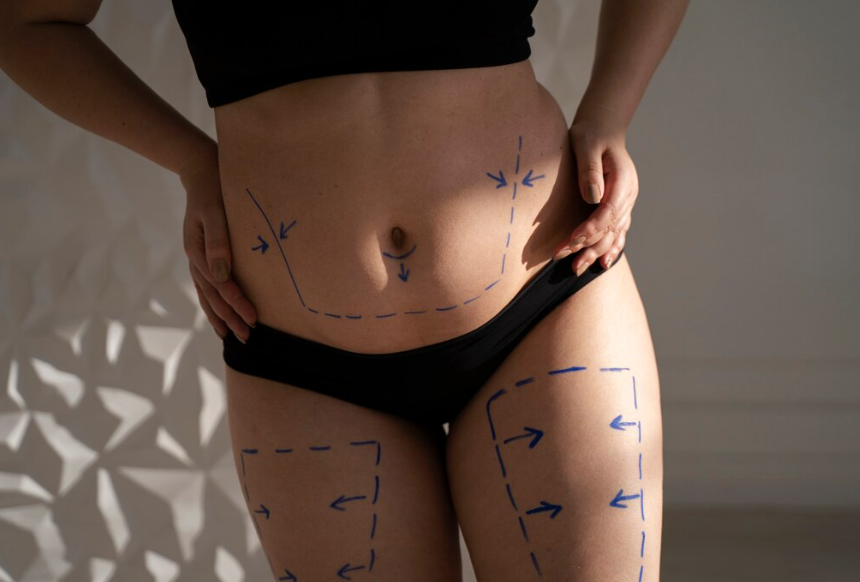
If the management approach is set incorrectly in the early stage,
it can affect the speed of recovery and the texture,
so it is important to understand the right time to start.
So today, I will organize when to consider radiofrequency and
bio-bond management after liposuction,
using practical guidelines.
| Table of Contents |
|---|
| 1. When fibrosis appears and its characteristics2. When to start radiofrequency care3. When to manage bio-bond4. Precautions during care and the recovery process |
- When Fibrosis Appears and Its Characteristics
After liposuction, during the process of tissue recovery,
a temporary feeling of hardness and lumpiness
may appear.
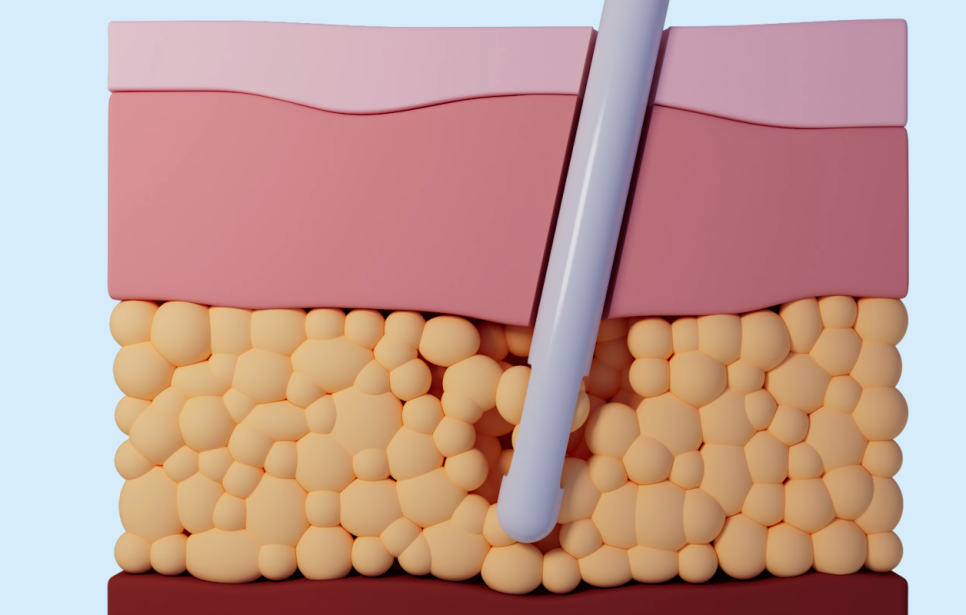
This is commonly referred to as fibrosis,
and it is often felt differently from early swelling.
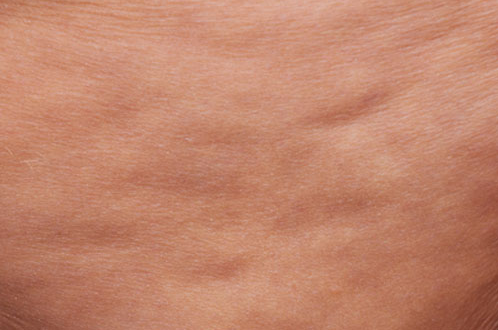 Bio-bond
Usually, rather than immediately after surgery,
it often becomes gradually harder over the course of a few days to 1–2 weeks.
This is part of the process of tissue stabilization,
so it should not automatically be seen as a problem.
However, if the hardness continues over time or feels uneven,
care or follow-up evaluation may be needed.
- When to Start Radiofrequency Care
Radiofrequency is one of the methods often mentioned during recovery.
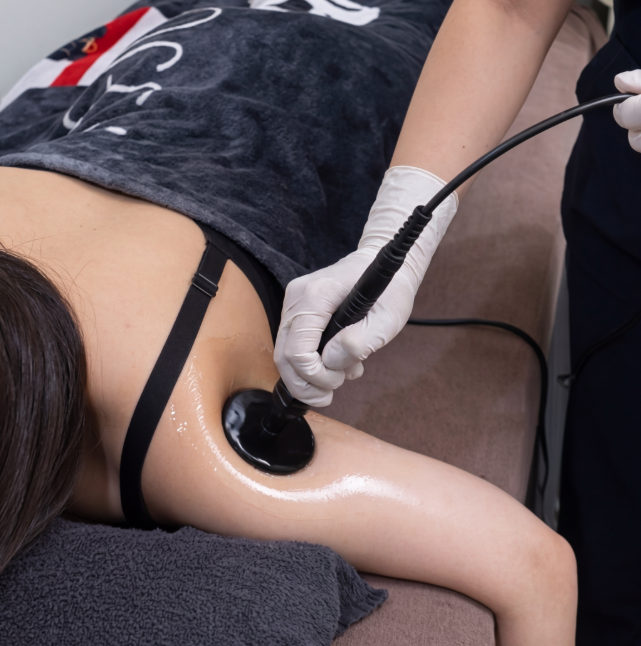
Fibrosis management after liposuction
However, starting too early can be burdensome,
so it is generally considered after the initial stabilization period has passed.
In many cases, the approach is to help circulation through radiofrequency
once swelling and pain have eased to some extent
and the skin condition has stabilized.
The exact timing varies depending on the individual condition,
so rather than starting as quickly as possible,
it is important to match the current stage of recovery.
- When to Manage Bio-Bond
It is often considered after the stage when fibrosis begins to form.
Fibrosis management after liposuction
If it is done too early,
it may place stress on the tissue,
so
Fibrosis management after liposuction
rather than during the early recovery stage,
it is generally approached after observing some progress.
At this point, the need may be mentioned when the texture feels hard
or when differences between areas are noticeable.
- Precautions During Care and the Recovery Process
The important point after liposuction is
not “when to start,” but
“whether it is being done according to the current condition.”

Fibrosis management after liposuction
In the early stage, avoiding excessive stimulation
and focusing on wearing compression garments
and basic recovery should come first.
Afterward, as recovery progresses,
additional care is generally added as needed.
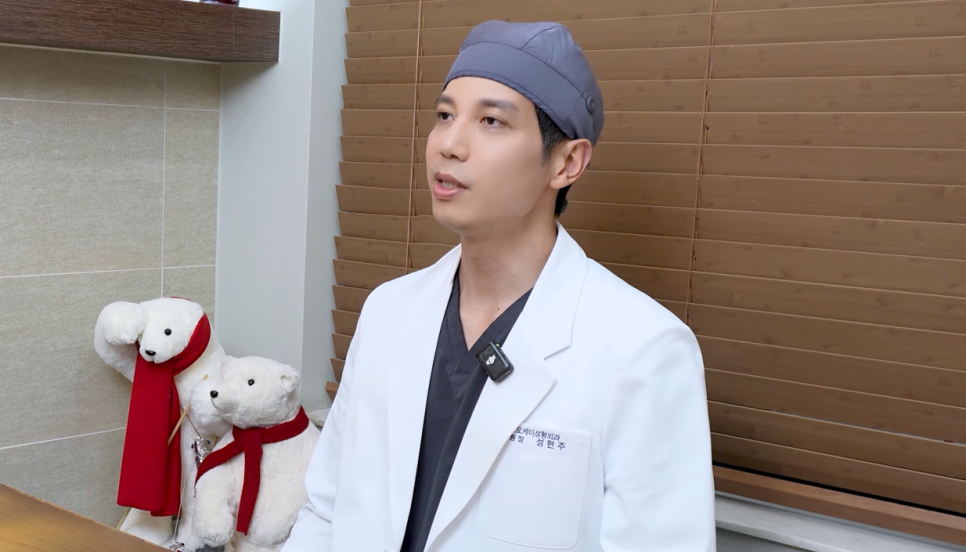
Fibrosis management after liposuction
Also, because fibrosis may naturally improve
over a certain period of time,
rather than feeling overly anxious in the beginning,
it is important to judge based on the progress over time.
↓↓↓ Recommended related content ↓↓↓
| Weekdays 10:00 ~ 19:00 (Reception closes at 18:30)Saturday 10:00 ~ 16:00 (Reception closes at 15:30)Closed on public holidays / Wednesdays and Sundays |
| ▶ Cheongdam OK Clinic |
|---|
| Consultation phone: 02-3446-7588KakaoTalk inquiry |
Fibrosis management after liposuction