※ This post is content provided for medical information purposes.
It is not subject to review under Article 56, Paragraph 2 and Article 57 of the Medical Service Act,
and is not a post for advertising purposes.
Hello,
I am Director Hyunju Seong of Cheongdam OK Clinic.

| ▶ Regular member of the Korean Association of Cosmetic Surgery (KACS) |
|---|
| ▶ Regular member of the Korean Society for the Study of Obesity (KSSO) |
| ▶ Regular member of the Korean Association of Obesity and Aesthetic Body Shape (KAAM) |
| ▶ Regular member of the Korean Society of Liposuction (KSSL) |
| ▶ Regular member of the Korean Society of Aesthetic Surgery (KSAS) |
For those considering fat grafting,
or those who have already undergone it,
one of the most common concerns is
side effects.

In particular, terms like necrosis, lumps, asymmetry, and resorption
can sound vague and make people worry more.
If you understand the meaning and differences of each one accurately,
it can help reduce unnecessary anxiety
and make it easier to judge the situation realistically.
| Table of Contents |
|---|
| 1. Changes that may occur after fat grafting2. What does necrosis mean3. Why do lumps and asymmetry occur4. Is resorption a side effect or a normal process? |
- Changes that may occur after fat grafting
After fat grafting,
various types of changes can appear.
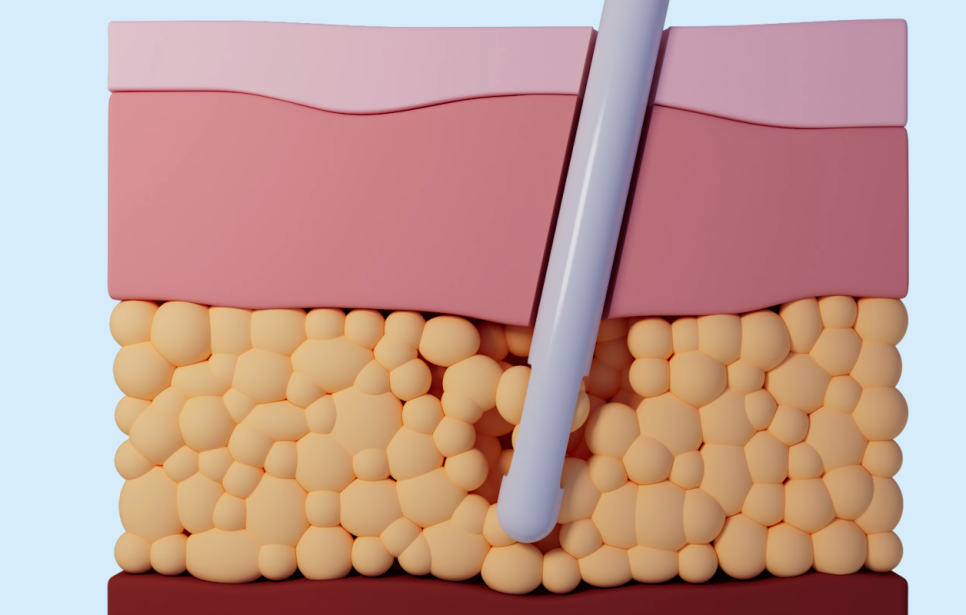
Some of these may occur naturally during recovery,
while others are classified as conditions that require attention.
So rather than viewing every change by the same standard,
it is important to distinguish what each situation means.
 Fat grafting side effects
In particular, necrosis, lumps, asymmetry, and resorption
are different concepts,
so they need to be understood separately and accurately.
- What does necrosis mean
Necrosis refers to a state in which some tissue does not survive
when the transplanted fat does not receive
sufficient blood supply.
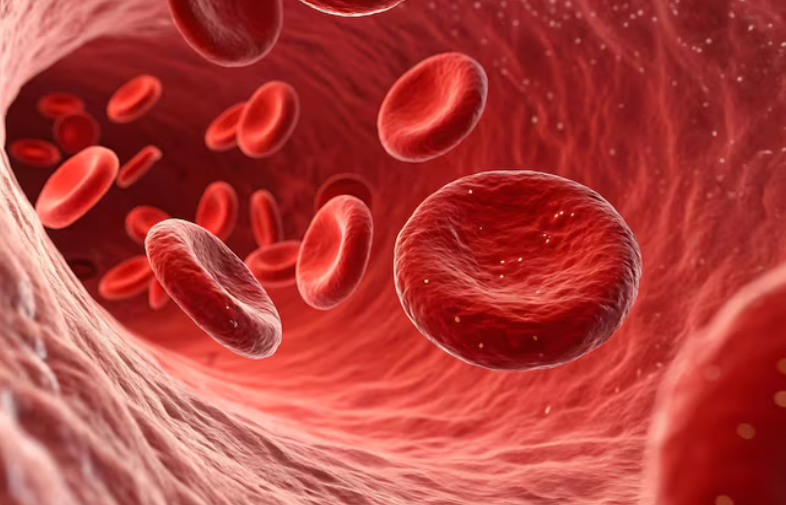 Fat grafting side effect: necrosis
This is a change that is distinct from the normal recovery process,
and it may be accompanied by skin color changes, pain, or warmth.
However, it does not occur in every case,
and it is known as a situation that can appear depending on the conditions.

This kind of change is a different concept from simple resorption,
and is judged based on the condition of the tissue.
- Why do lumps and asymmetry occur
Lumps often occur when the transplanted fat
does not settle evenly
or
 Fat grafting side effect: lumps
when it is gathered in certain areas.
They can also be felt temporarily
as the tissue becomes firmer during recovery.
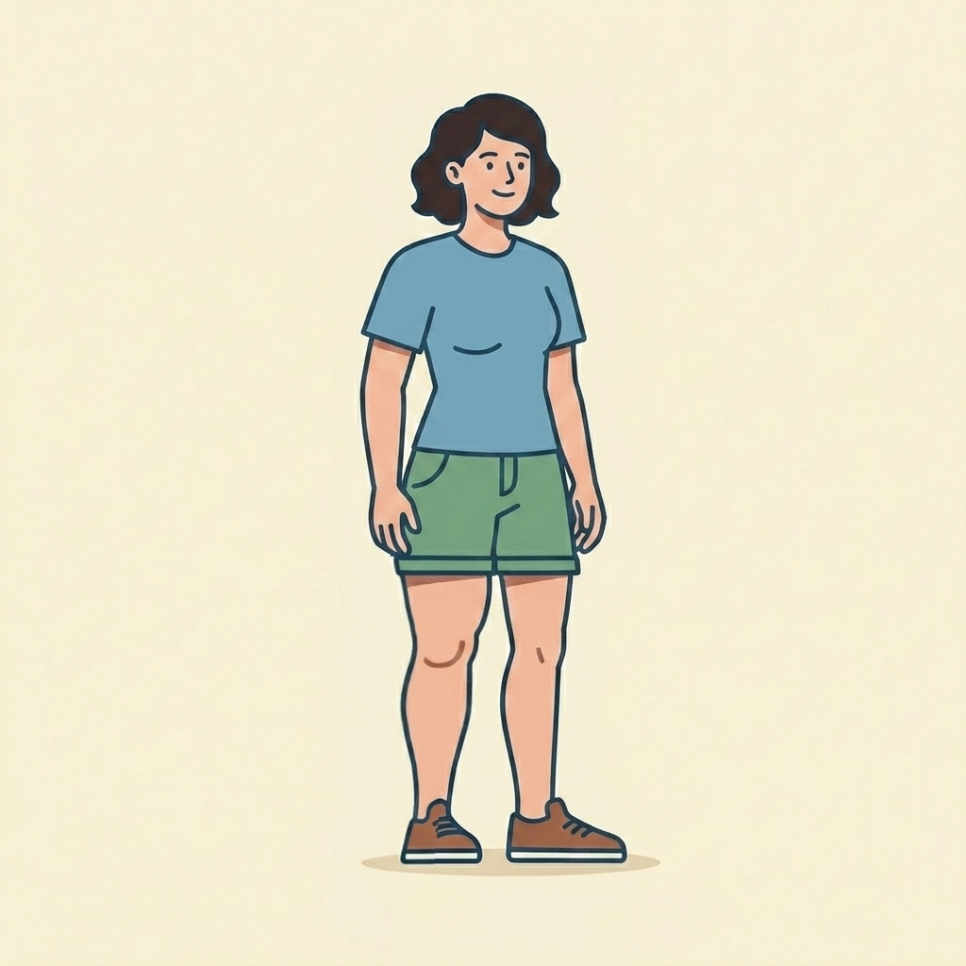 Fat grafting side effect: asymmetry
Asymmetry refers to a state in which the volume or shape on both sides
looks different.
Both of these can also change over time,
so it is important to monitor the progress together.
- Is resorption a side effect or a normal process
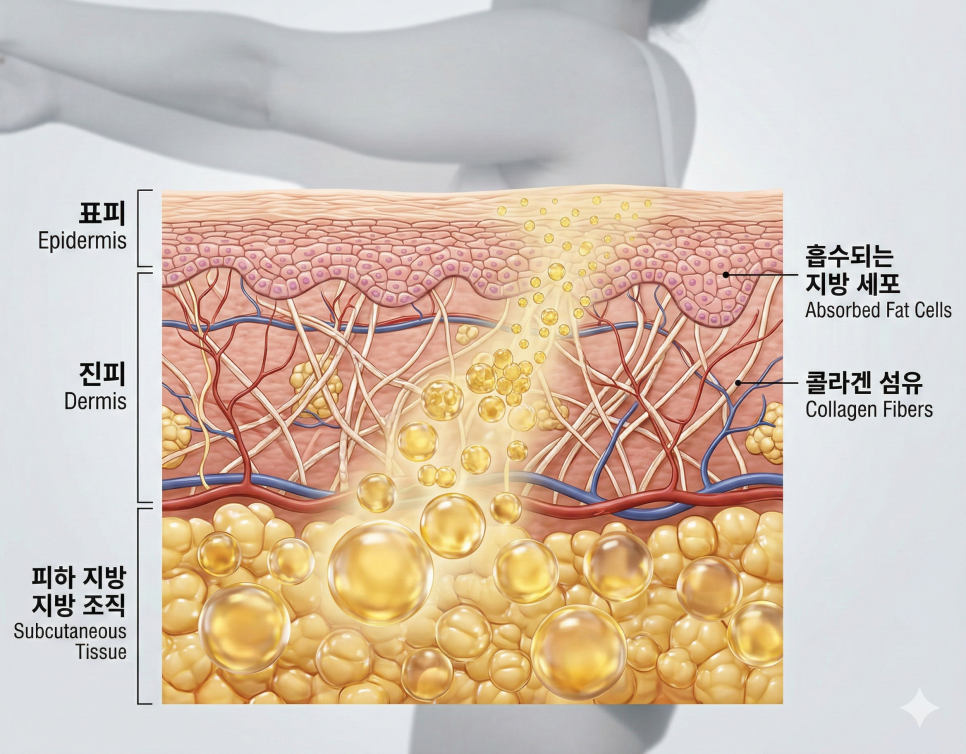
Resorption is often described as a natural process
that occurs in fat grafting.
 Fat grafting side effects
It is not the case that all of the transplanted fat remains;
some of it settles while some of it is resorbed.
So a decrease in volume compared with the initial result
should be understood as something that is expected to a certain extent.
 Fat grafting side effects
However, the degree of resorption can vary from person to person,
and this can also affect how the results are perceived.
The changes that appear after fat grafting
should not all be interpreted in the same way,
and it is important to understand each one according to its own criteria,
such as necrosis, lumps, asymmetry, and resorption.
Fully understanding the process
and considering the changes over time together
can be a more realistic standard.
↓↓↓ Content that may be helpful to read together ↓↓↓
-Operating Hours-
| Monday–Friday 10:00 ~ 19:00 (Reception closes at 18:30) Saturday 10:00 ~ 16:00 (Reception closes at 15:30) Closed on public holidays / Wednesdays and Sundays regular closed days |
-Contact-
| ▶ Cheongdam OK Clinic |
|---|
| Consultation phone: 02-3446-7588 Inquire via KakaoTalk |
-Location-
Fat grafting side effects