※ This post is content provided for medical information purposes.
It does not fall under the content subject to review pursuant to Articles 56(2) and 57 of the Medical Service Act,
and we would like to inform you that it is not a post intended for advertising purposes.
Hello,
I am Seong Hyeon-ju, director of Cheongdam OK Clinic.
| ▶ Full Member of the Korean Association of Aesthetic Plastic Surgery (KACS) |
|---|
| ▶ Full Member of the Korean Society for the Study of Obesity (KSSO) |
| ▶ Full Member of the Korean Association of Aesthetic Medicine (KAAM) |
| ▶ Full Member of the Korean Society of Liposuction Surgery (KSSL) |
| ▶ Full Member of the Korean Society for Aesthetic Surgery (KSAS) |
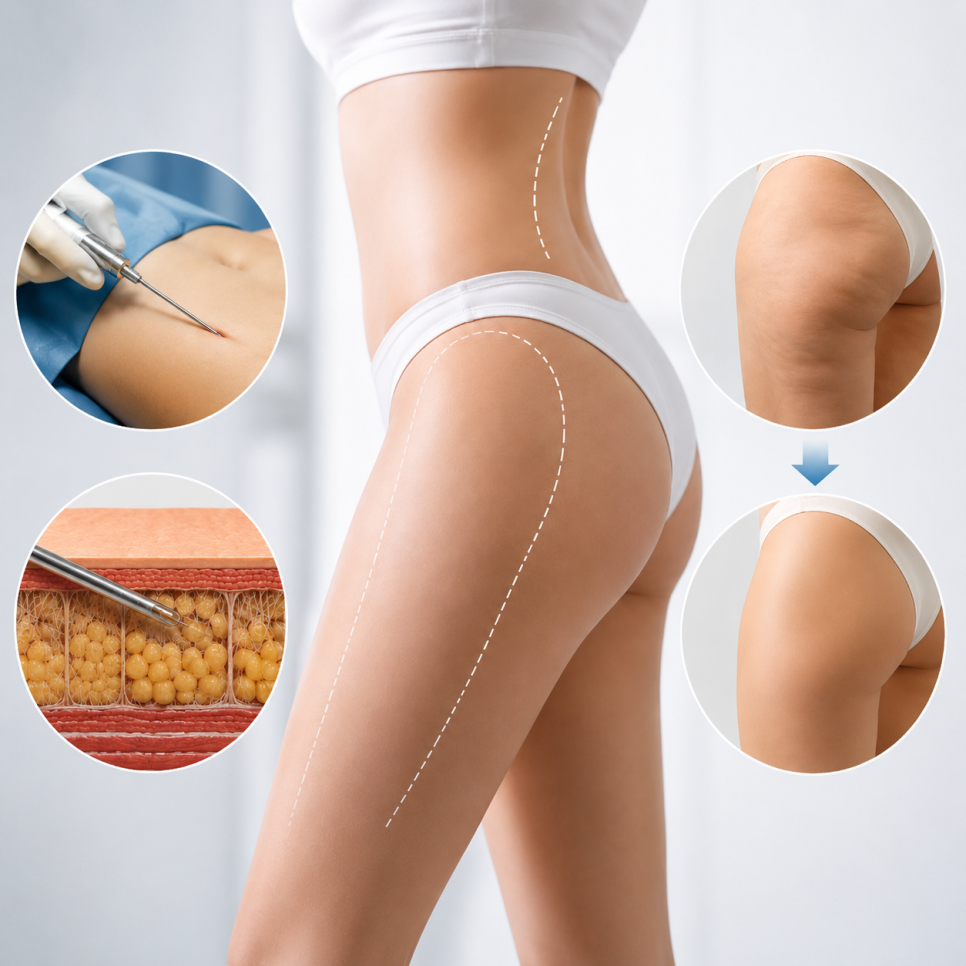
After liposuction surgery,
there are cases in which the expected contours do not appear,
uneven skin texture develops,
or a particular area looks sunken.
For these reasons, quite a few people consider revision liposuction
and look for a clinic.
In actual consultations,
many people ask,
“Wouldn’t removing more fat one more time solve the problem?”
However, revision surgery
may require a different approach from the initial surgery.
This is because simply removing more fat
may not be the best choice
when tissue changes have already occurred.
Today, I will explain the points
that people looking for a clinic skilled in revision liposuction
should be sure to check.
| Contents |
|---|
| Reasons for considering revision liposuctionThe causes of unevenness are not limited to fatThe important thing in revision surgery is checking the condition of the tissueWhy you should not simply undergo liposuction again |
- Reasons for considering revision liposuction
There are more reasons than you might expect
for seeking a consultation about revision surgery after liposuction.
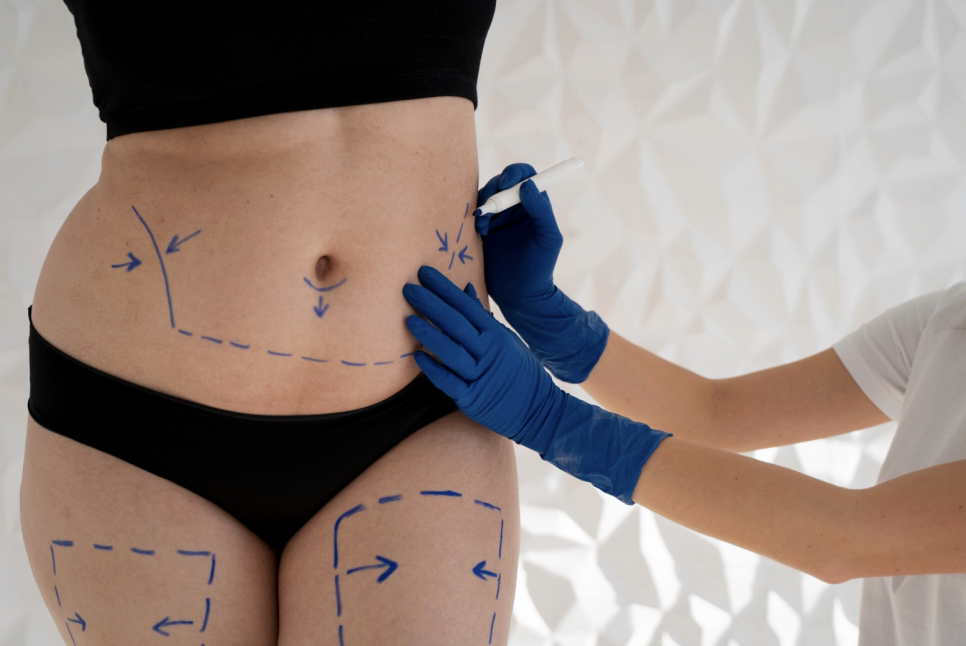
In some cases, the contours do not look smooth,
while in others, left-right asymmetry is a concern.
Some people also consider revision surgery
because a particular area looks more sunken than expected,
or because it feels as though fat remains.
However, it is difficult to determine the cause
based only on the visible result.
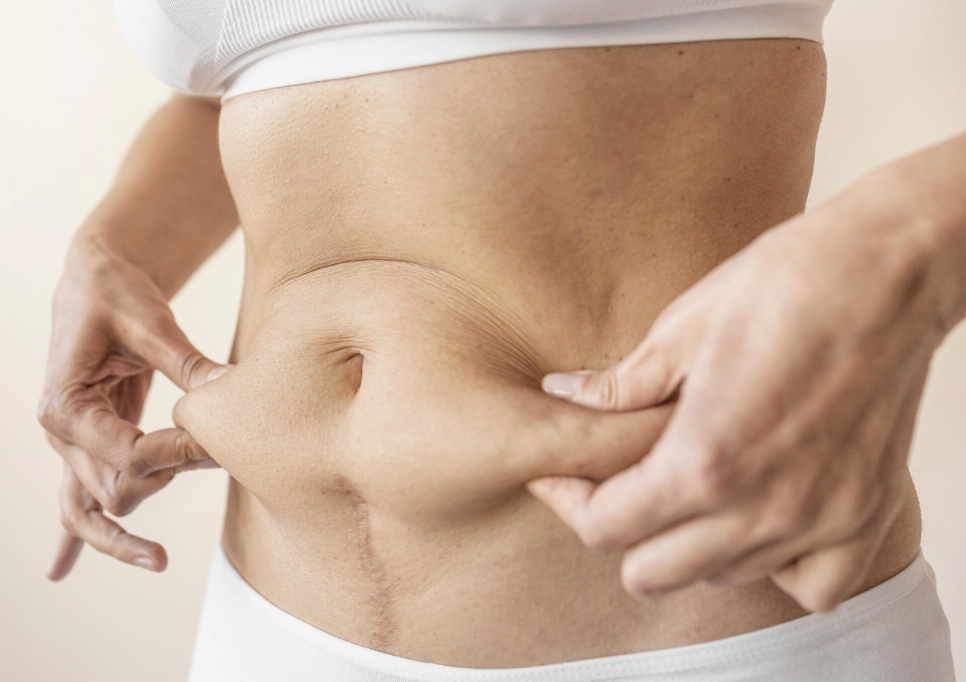
Even when they appear to be the same type of unevenness,
an approach may differ entirely
between a case caused by remaining fat
and one caused by tissue adhesions.
- The causes of unevenness are not limited to fat
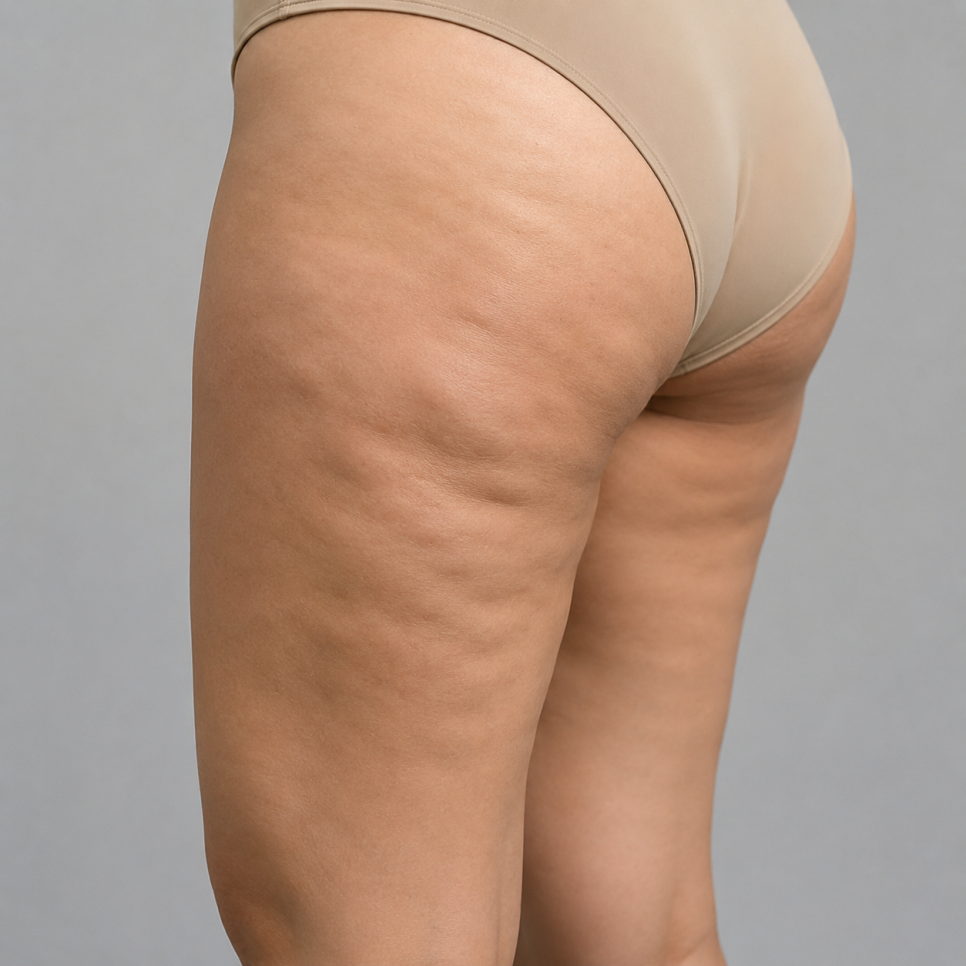
Many people see uneven contours
and assume that not enough fat was removed.
In reality, however, a similar appearance may result
from fibrosis, tissue adhesions,
or an imbalance between the skin and fat layers.
In particular, patients undergoing revision surgery
have already undergone one procedure,
so their tissue is not the same as it was initially.
During this process, the tissue beneath the skin
may become partially firm
or heal in a pulled or tightened state.
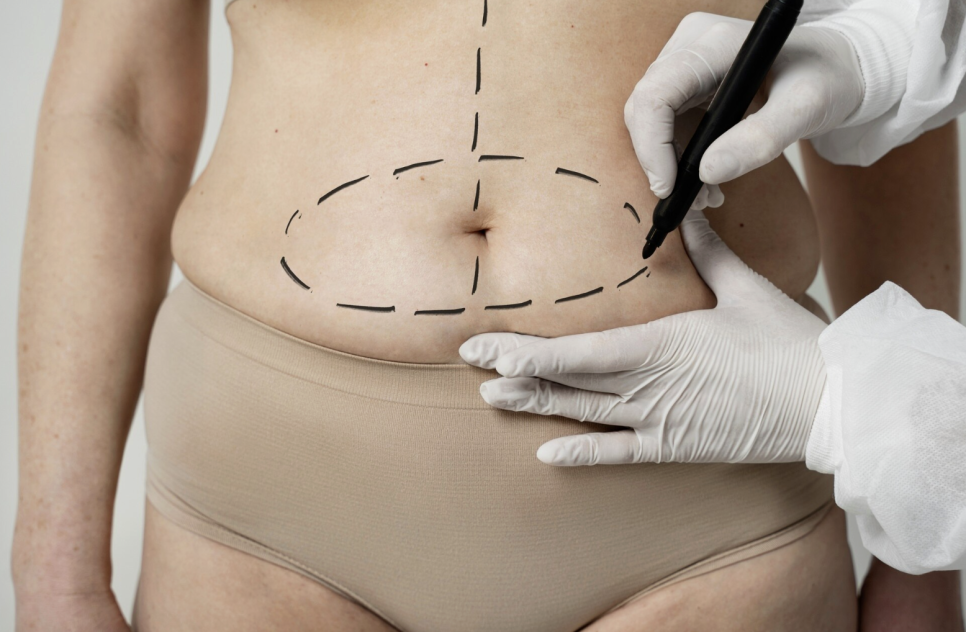
If additional fat is removed
without taking this situation into account,
indentation may actually become more pronounced.
Therefore, it is important first to determine
why the current condition has occurred.
- The important thing in revision surgery is checking the condition of the tissue
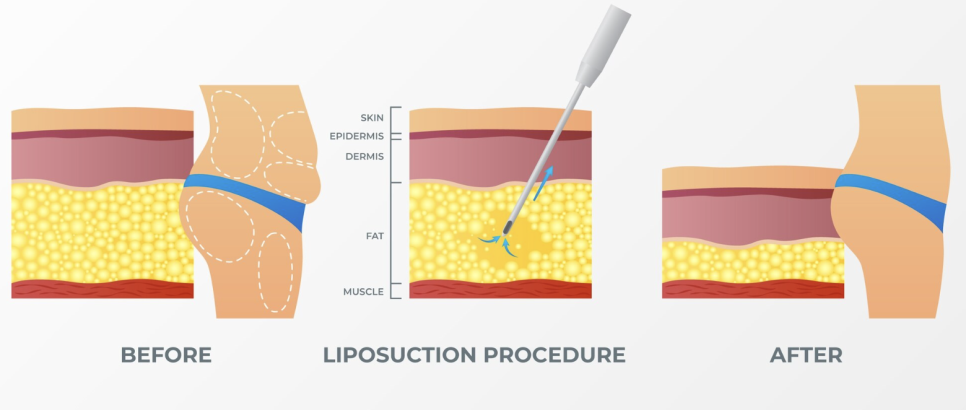
With revision liposuction,
rather than focusing on how much more can be removed,
it is important to first check
what condition the tissue is currently in.
This includes examining whether the skin has sufficient elasticity,
how extensive the adhesions are,
and how much thickness remains in the fat layer.
Even for revision surgery on the thighs,
some people may need fat removal,
while for others, easing adhesions
or refining the contours may take priority.
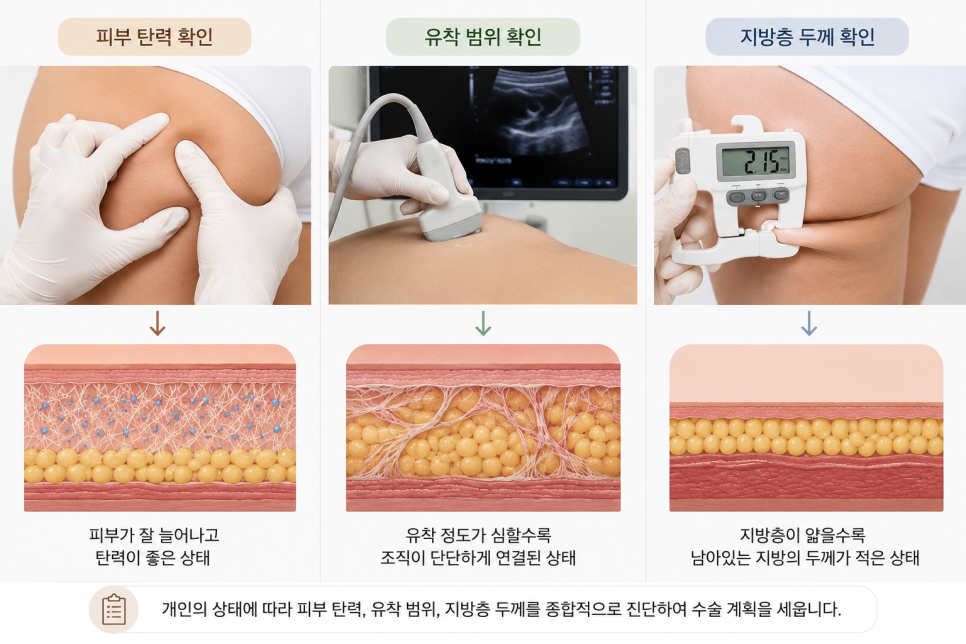
As such, revision surgery
requires careful analysis of the current condition,
and the treatment approach is determined
after a sufficient preoperative diagnostic process.
- Why you should not simply undergo liposuction again
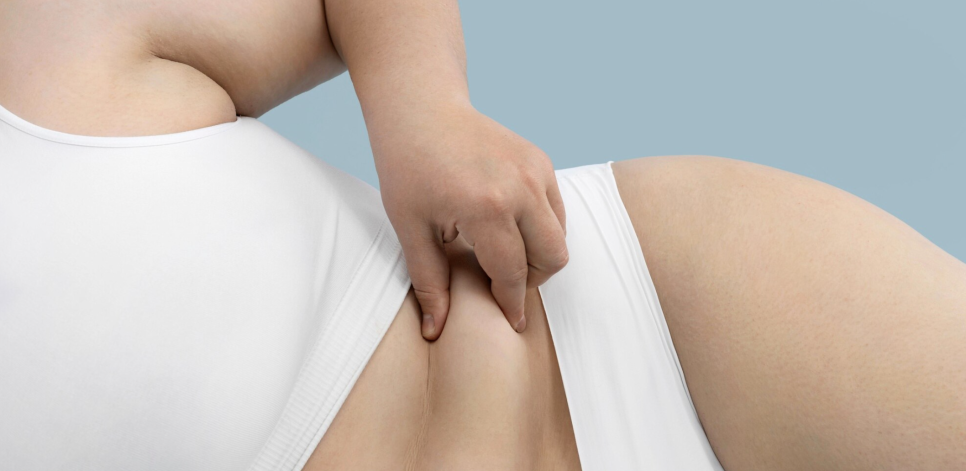
The most important point to be cautious about in revision surgery
is trying to remove more and more fat unconditionally
in order to fill in areas that appear insufficient.
If additional liposuction is performed
when the fat layer is already thin,
the skin may adhere to the underlying tissue,
or indentations may become more noticeable.
In addition, if the skin does not have sufficient elasticity,
the contours may look even more unnatural.
Therefore, revision liposuction
is not approached simply as a process
of removing fat one more time.
The current condition of the tissue and skin,
along with the distribution of fat,
must all be taken into consideration.
A careful assessment is needed
to determine which approach is appropriate.
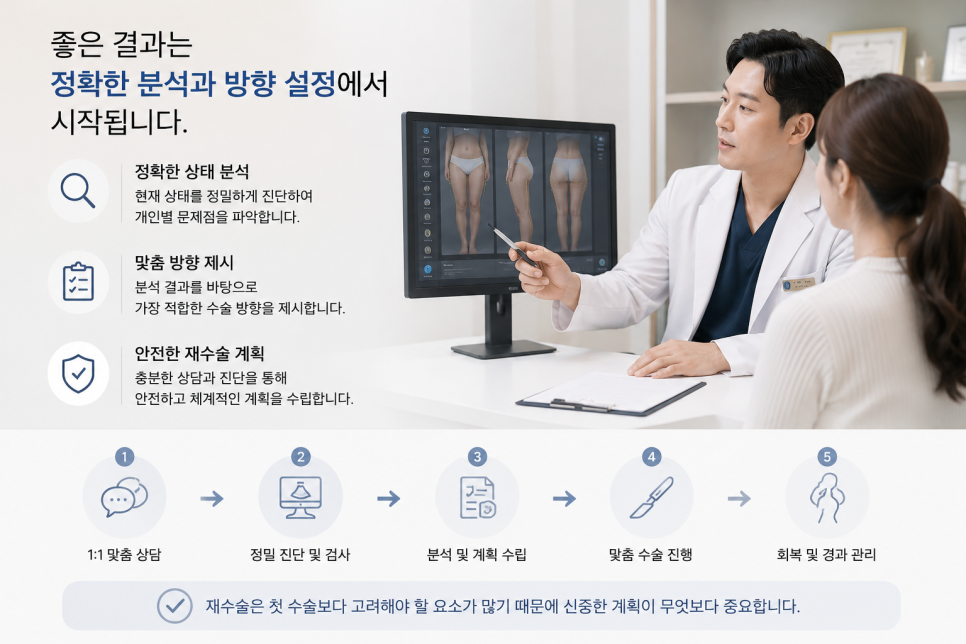
If you are looking for a clinic skilled in revision liposuction,
rather than focusing on how much can be removed,
check whether the clinic accurately analyzes your current condition
and suggests an appropriate approach.
Because revision surgery involves
more factors to consider than the initial surgery,
it is important to make a careful plan
based on a sufficient consultation and diagnostic process.
↓↓↓ Related content you may find helpful ↓↓↓
| Weekdays 10:00–19:00 (last registration at 18:30)Saturdays 10:00–16:00 (last registration at 15:30)Public holidays / Wednesdays and Sundays: Closed |
| ▶ Cheongdam OK Clinic |
|---|
| Consultation phone: 02-3446-7588KakaoTalk inquiries |