※ This post is content provided for medical information purposes.
It is not subject to review under Article 56, Paragraph 2, and Article 57 of the Medical Service Act,
and we would like to inform you that this post is not intended as an advertisement.
Hello,
I am Seong Hyeon-ju, director of Cheongdam OK Clinic.

| ▶ Full member of the Korean Academy of Aesthetic Plastic Surgery (KACS) |
|---|
| ▶ Full member of the Korean Society for the Study of Obesity (KSSO) |
| ▶ Full member of the Korean Academy of Aesthetic Medicine and Body Contouring (KAAM) |
| ▶ Full member of the Korean Society of Liposuction Surgery (KSSL) |
| ▶ Full member of the Korean Society for Aesthetic Surgery (KSAS) |
One of the things people who are considering a hair transplant
or preparing for surgery
are most curious about
is the hair transplant graft survival period.
Immediately after surgery, many people worry about whether
the transplanted hair is attaching properly,
when they can wash their hair,
and whether it is normal for the hair to fall out.
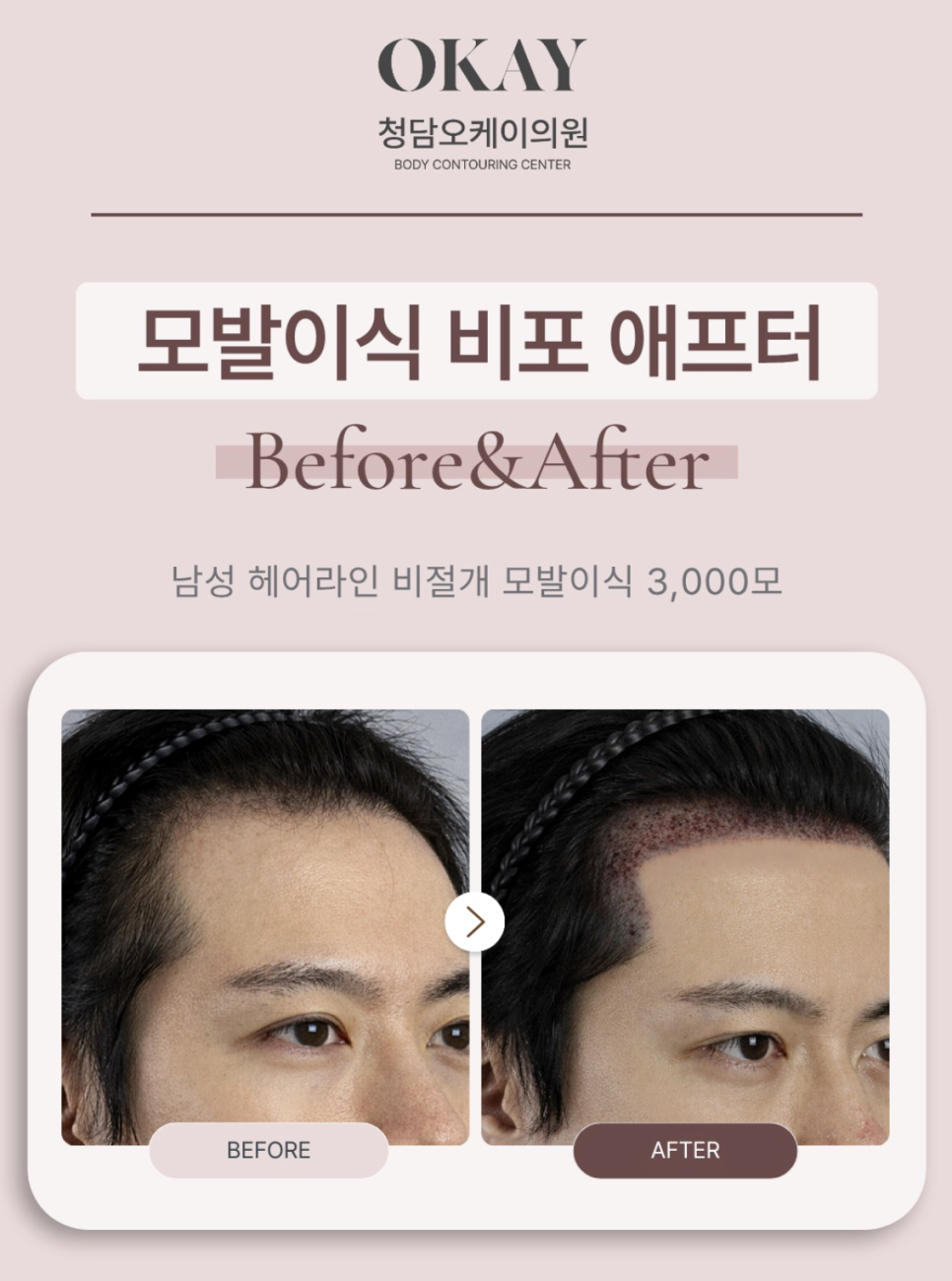
However, because the hair settles in place
through a gradual recovery process,
it is important to understand the changes that occur at each stage.
In this post, we will summarize the changes that occur during the hair transplant graft survival period
and the methods of care that can be used during recovery.
| Contents |
|---|
| 1. How long does the hair transplant graft survival period take? 2. Recovery process by stage 3. Care methods to support graft survival 4. Frequently asked questions |
- How long does the hair transplant graft survival period take?
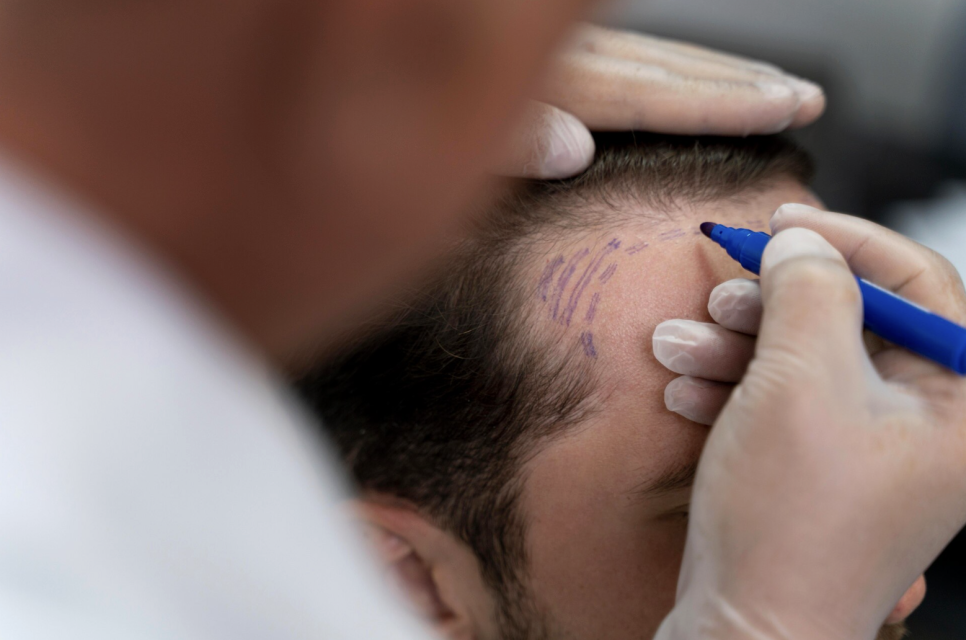
Generally, the hair transplant graft survival period
is known to be approximately 10–14 days.
During this period, the transplanted follicles
connect securely with the scalp tissue
and settle into place.
However, if the time required for the follicles to become fully stable
and for new hair to begin growing is included,
it may take approximately 6 months to 1 year.
Therefore, it is best to understand graft survival
and the final result as two different concepts.
- Recovery process by stage

Days 1–3 after surgery
Redness and
slight swelling may appear
in the transplant area.
During this period, it is important to minimize impact
and carefully follow the care instructions provided.
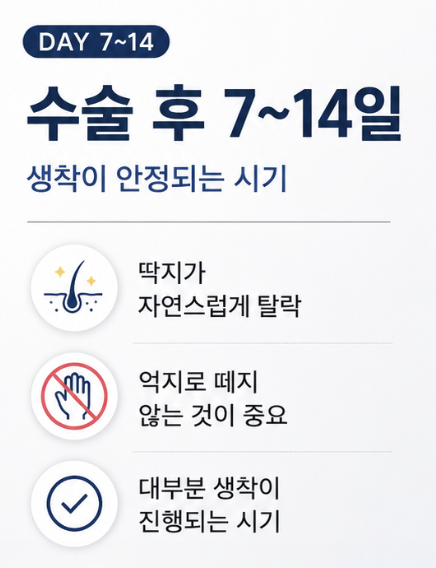
Days 7–14 after surgery
As the scabs naturally fall off,
this is when the hair transplant graft survival period
is generally completed.
Rather than forcibly removing the scabs,
it is best to let them fall off naturally.
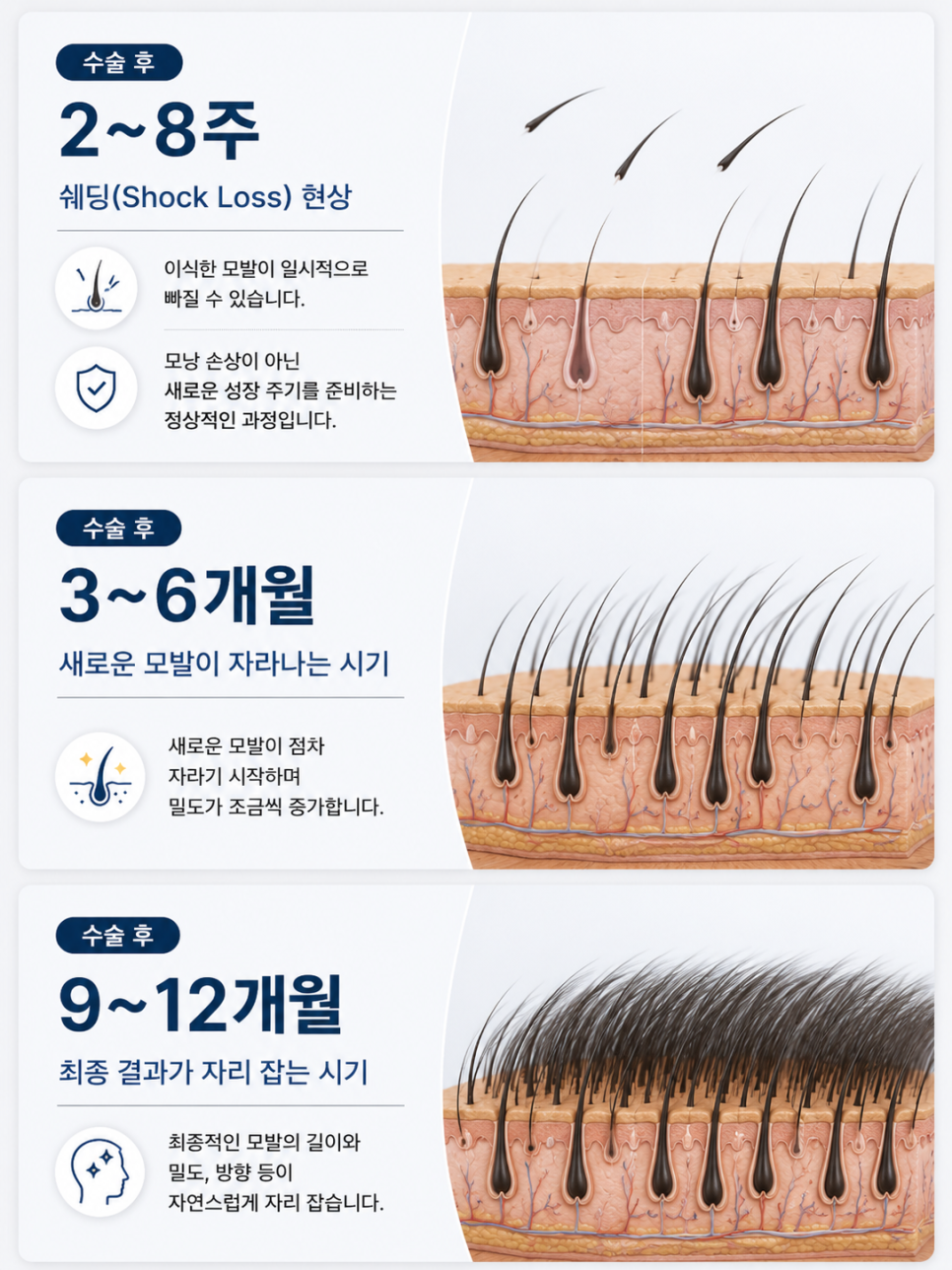
Weeks 2–8 after surgery
The transplanted hair may temporarily fall out
in a phenomenon known as “shedding (shock loss).”
This is known as a normal process
in which the follicles prepare for a new growth cycle,
rather than an indication that the follicles have been damaged.
Months 3–6 after surgery
New hair gradually begins to grow,
and density slowly increases.
Months 9–12 after surgery
This is when the final hair length, density, and direction
naturally settle into place.
- Care methods to support graft survival
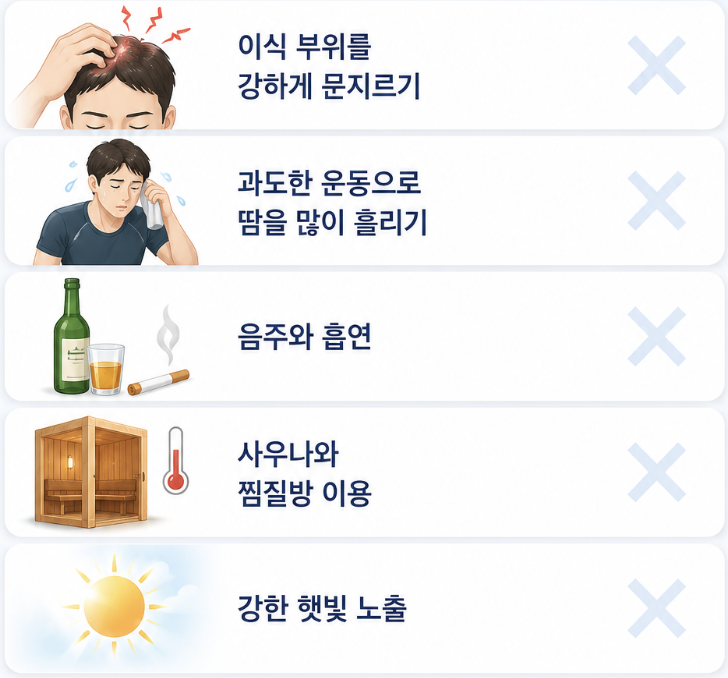
During the hair transplant graft survival period,
it is important to avoid activities
that may irritate the scalp.
Examples include:
-
Rubbing the transplant area vigorously
-
Sweating excessively due to strenuous exercise
-
Drinking alcohol and smoking
-
Using saunas and jjimjilbangs
-
Exposure to strong sunlight
These activities may affect early recovery,
so caution is advised.
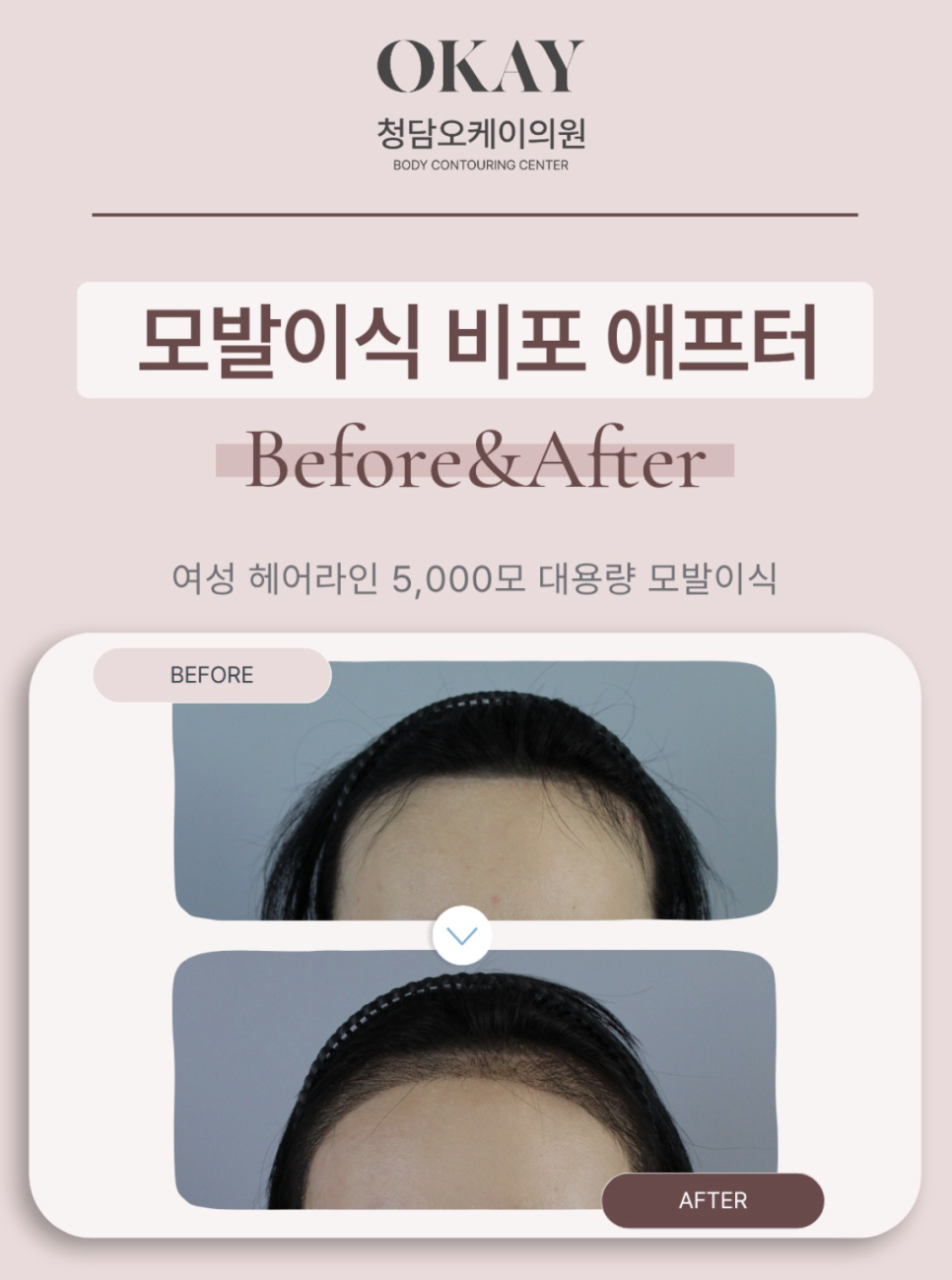
It is also helpful to carefully follow
the shampooing method and medication schedule
provided by the clinic.
- Frequently asked questions

Q. Is the hair transplant graft survival period over after 3 days?
No.
Although initial fixation may occur quickly,
the stable hair transplant graft survival period
is generally known to be approximately 10–14 days.
Q. My hair is falling out after graft survival. Does that mean the transplant failed?
No.
Shedding is a relatively common part of the process,
and new hair often grows afterward.
Q. When can I resume exercising?
The timing for resuming exercise may vary depending on
the extent of the surgery and your recovery status,
so it is best to follow your medical team’s instructions.
Q. When can I wear a hat after a hair transplant?
Immediately after surgery, it is best to avoid wearing a hat whenever possible,
as it may cause friction or pressure
on the transplant area.
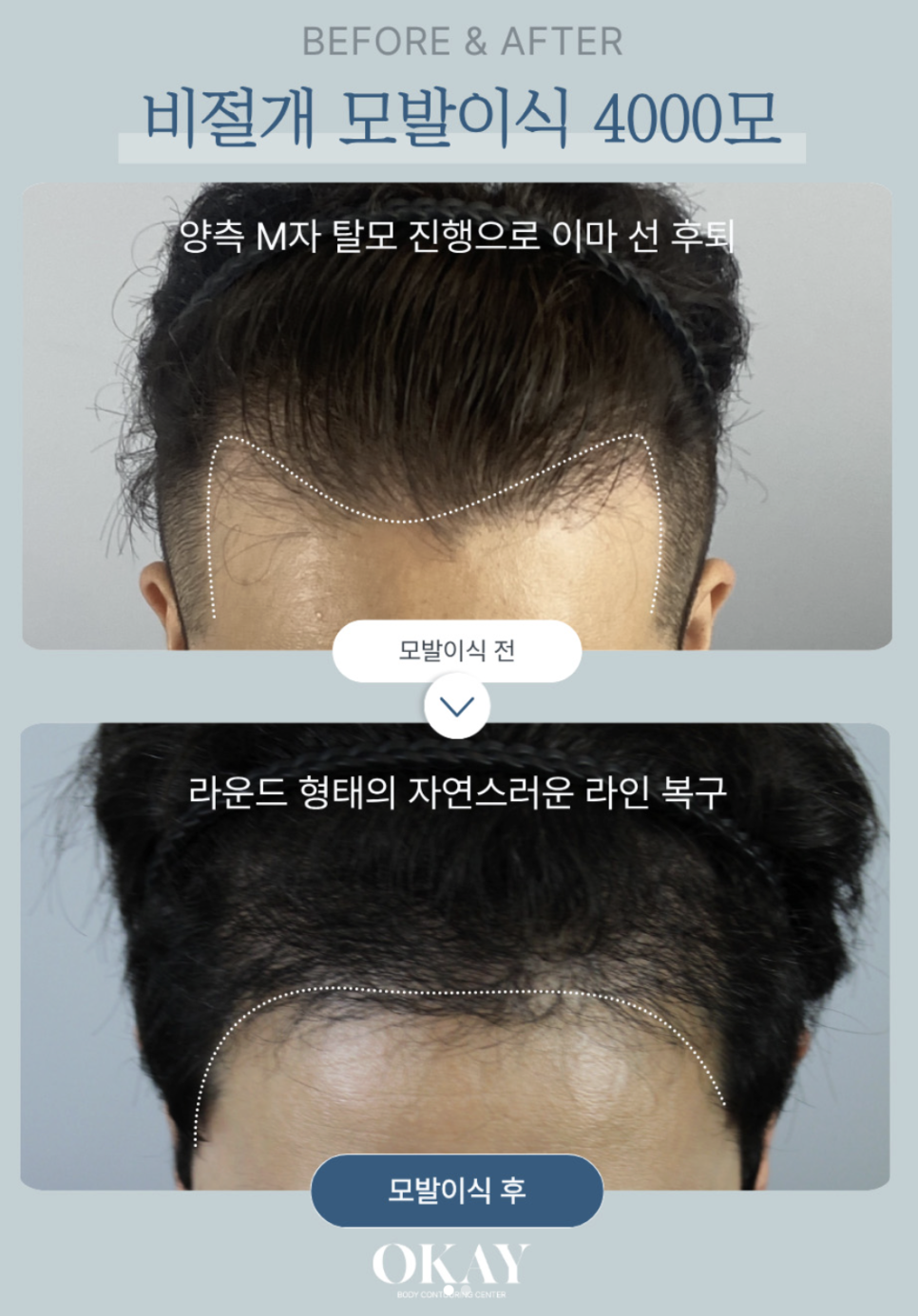
Generally, once the hair transplant graft survival period
of approximately 10–14 days has passed,
the follicles are relatively stable,
and wearing a hat is often possible.
However, rather than choosing a hat that fits too tightly,
select one with enough room,
and follow your medical team’s instructions
based on your recovery status.
↓↓↓ Related content ↓↓↓
-Operating Hours-
| Weekdays 10:00–19:00 (last registration at 18:30) Saturdays 10:00–16:00 (last registration at 15:30) Public holidays / Wednesdays and Sundays: Closed regularly |
-Where to Inquire-
| ▶ Cheongdam OK Clinic |
|---|
| Consultation: 02-3446-7588 KakaoTalk inquiries |
-How to Get Here-