※ This post is content provided for medical information purposes.
This content is not subject to review under Article 56(2) and Article 57 of the Medical Service Act,
and we would like to inform you that it is not a post intended for advertising purposes.
Hello,
I am Seong Hyeon-ju, director of Cheongdam OK Clinic.
| ▶ Full Member of the Korean Academy of Aesthetic and Reconstructive Surgery (KACS) |
|---|
| ▶ Full Member of the Korean Society for the Study of Obesity (KSSO) |
| ▶ Full Member of the Korean Association of Aesthetic and Body-shaping Medicine (KAAM) |
| ▶ Full Member of the Korean Society of Liposuction Surgery (KSSL) |
| ▶ Full Member of the Korean Society of Aesthetic Surgery (KSAS) |
After liposuction,
when checking whether recovery is progressing well,
you may have heard the term
“bio-bond” at least once.
When the surgical area feels hard to the touch
or the skin feels tight,
many people worry
that something may have gone wrong.
However, not every hard change that occurs after liposuction
indicates an abnormal symptom.
It may be a tissue change
that can occur during the recovery process.
Today, we will take a step-by-step look at liposuction bio-bond care,
including why it occurs, when it appears,
and what kinds of care
may be helpful.
| Table of Contents |
|---|
| 1. What is a liposuction bio-bond? 2. Why does the area become hard after liposuction? 3. Why is liposuction bio-bond care important? 4. In these cases, confirmation by a medical professional is needed. |
- What Is a Liposuction Bio-Bond?
Liposuction is not only a procedure for removing fat cells;
it is also a surgery that delicately designs the body line
along the layer of fat.
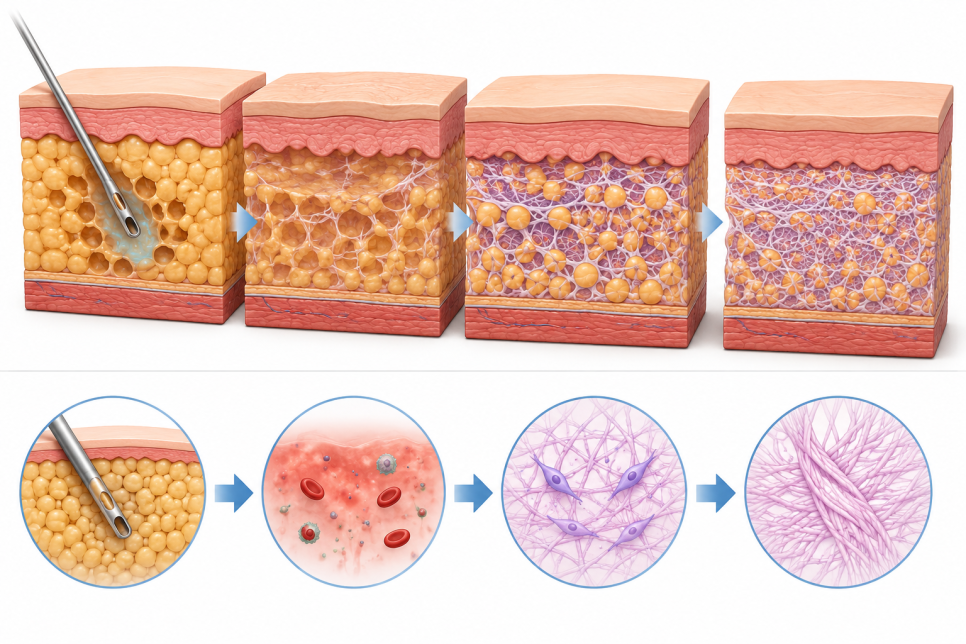
After surgery, as the tissue recovers,
new tissue may form
along with an inflammatory response.
During this process, the area beneath the skin may feel firm,
or it may feel as though the tissues are sticking together.
This is commonly called a “bio-bond.”
It is not an official medical diagnosis,
but rather a term used to describe
fibrous adhesions or tissue changes
that may occur during recovery after liposuction.
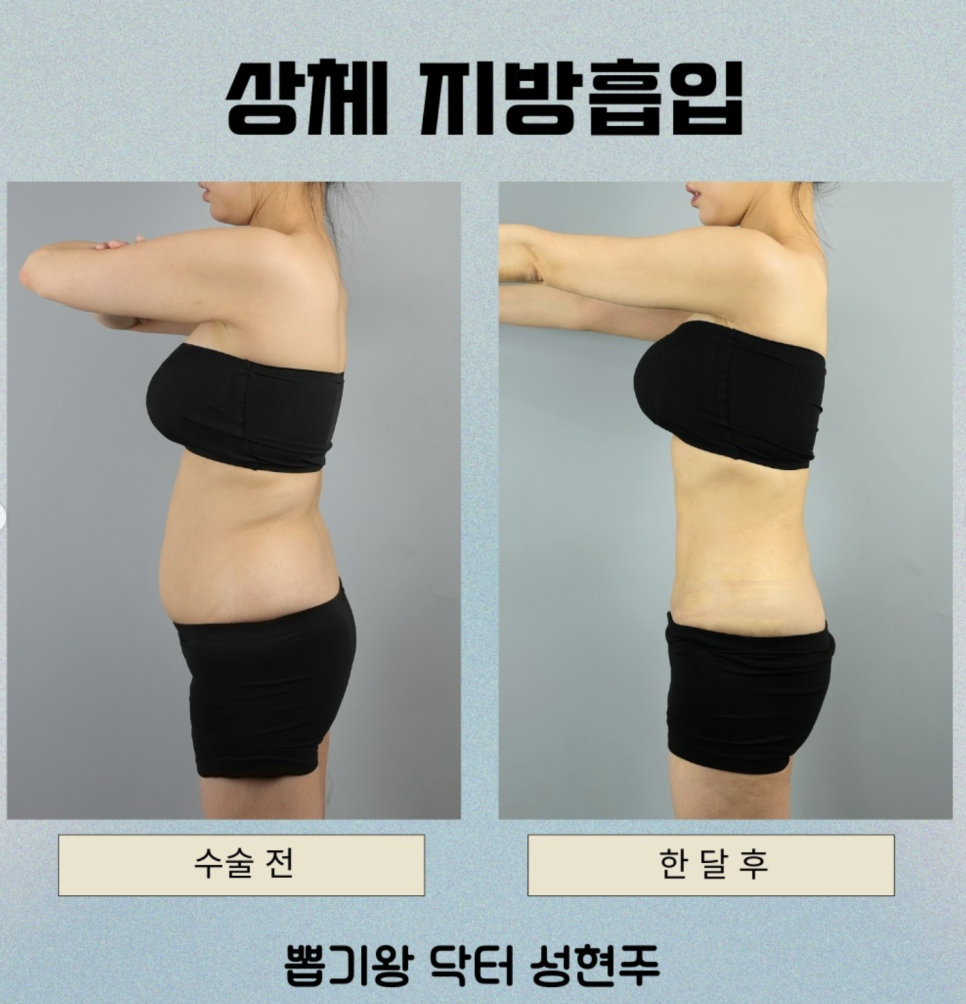
Everyone has a different body type.
Recovery speed and tissue responses
may also vary from person to person.
- Why Does the Area Become Hard After Liposuction?
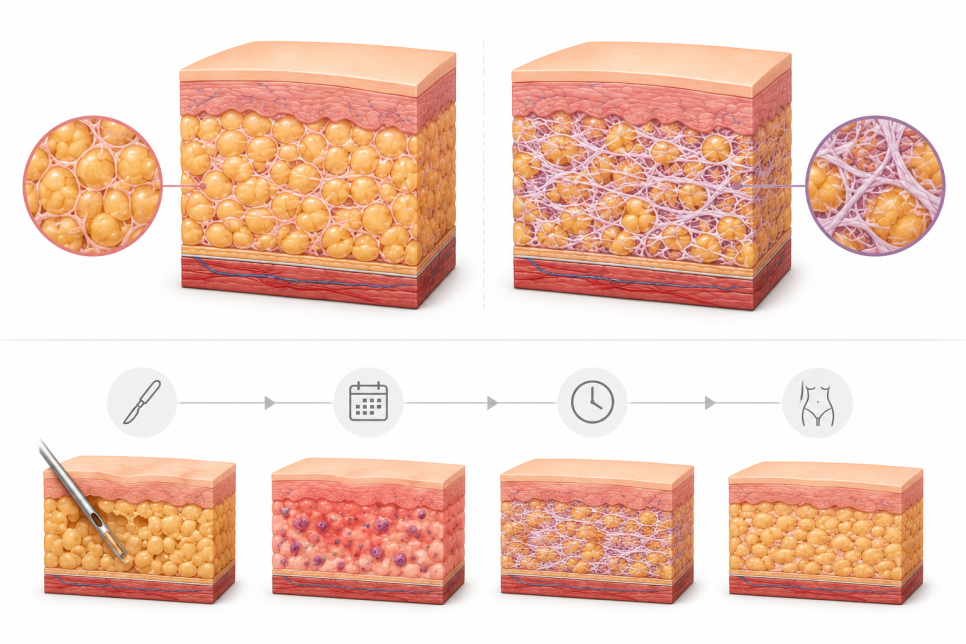
Liposuction causes
minor changes in the fat layer.
To repair these changes, the body produces
collagen and fibrous tissue
to stabilize the affected area.
During this period,
the area beneath the skin may feel firm,
and a pulling or lump-like sensation may also occur.
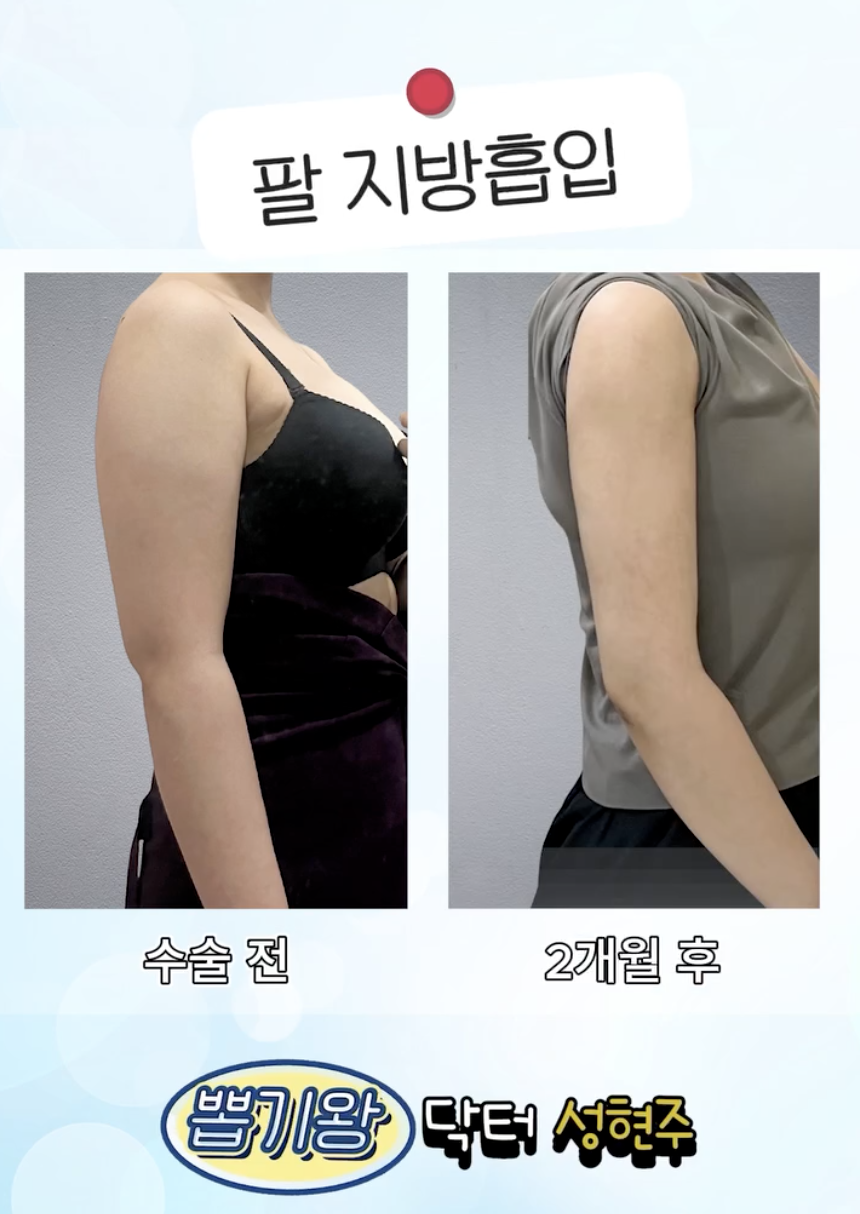
These changes may generally appear
for several weeks after surgery,
and in many cases, the area gradually becomes softer
over time.
However, the recovery period and degree of change
may vary depending on the extent of liposuction,
skin elasticity,
lifestyle habits,
and an individual's ability to recover.
- Why Is Liposuction Bio-Bond Care Important?
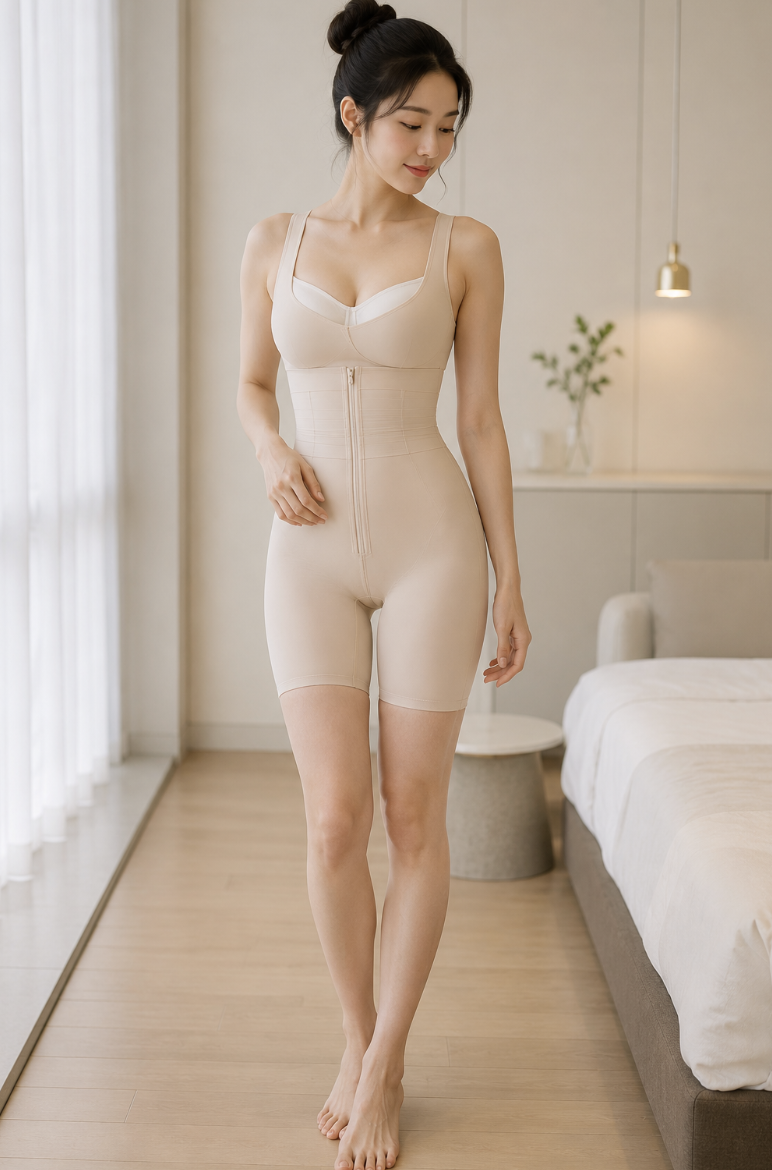
Liposuction bio-bond care
does not mean massaging the area forcefully.
Rather, it is important to provide care appropriate
to the stage of recovery.
During the period recommended by your medical professional,
wear compression garments appropriately,
avoid strenuous exercise,
and continue checking your recovery status
regularly.
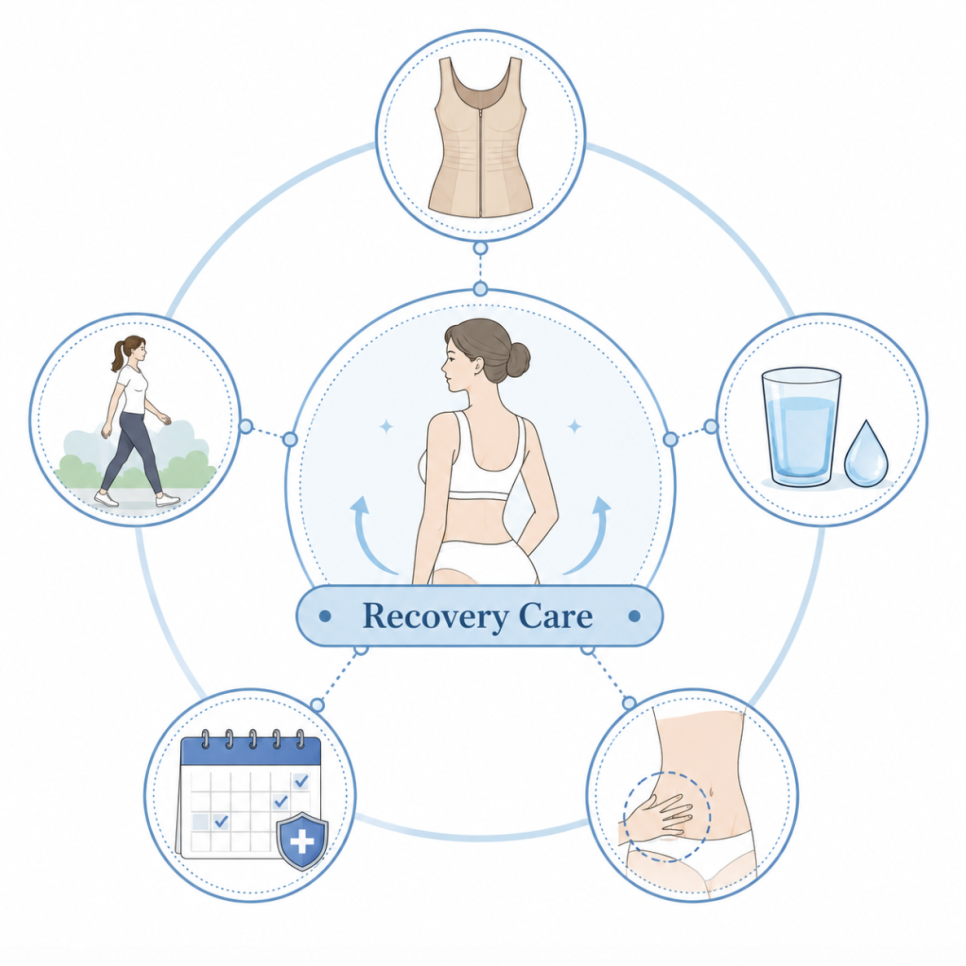
When necessary,
care programs such as massage
or radiofrequency treatment may be performed
according to the individual's recovery status.
However, the same type of care
is not necessary for every patient.
It is important to consider
each person's tissue condition and recovery speed.
Planning not only the surgery but also the recovery process
may help you achieve a more natural body line.
- In These Cases, Confirmation by a Medical Professional Is Needed
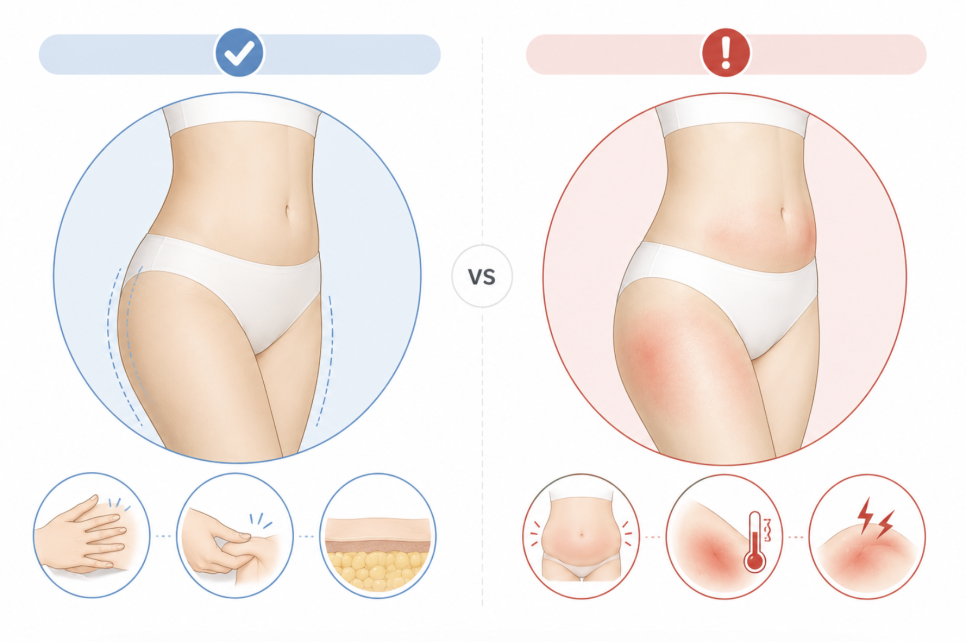
Most bio-bonds
are changes that may occur during recovery.
However, if the hard area continues to worsen over time,
or if the pain gradually becomes more severe,
or if redness, warmth,
or severe swelling also occurs,
it may be necessary to distinguish these symptoms
from the normal recovery process.
In such cases,
rather than deciding on your own,
it is advisable to have the medical professional
who performed the surgery check your recovery status.
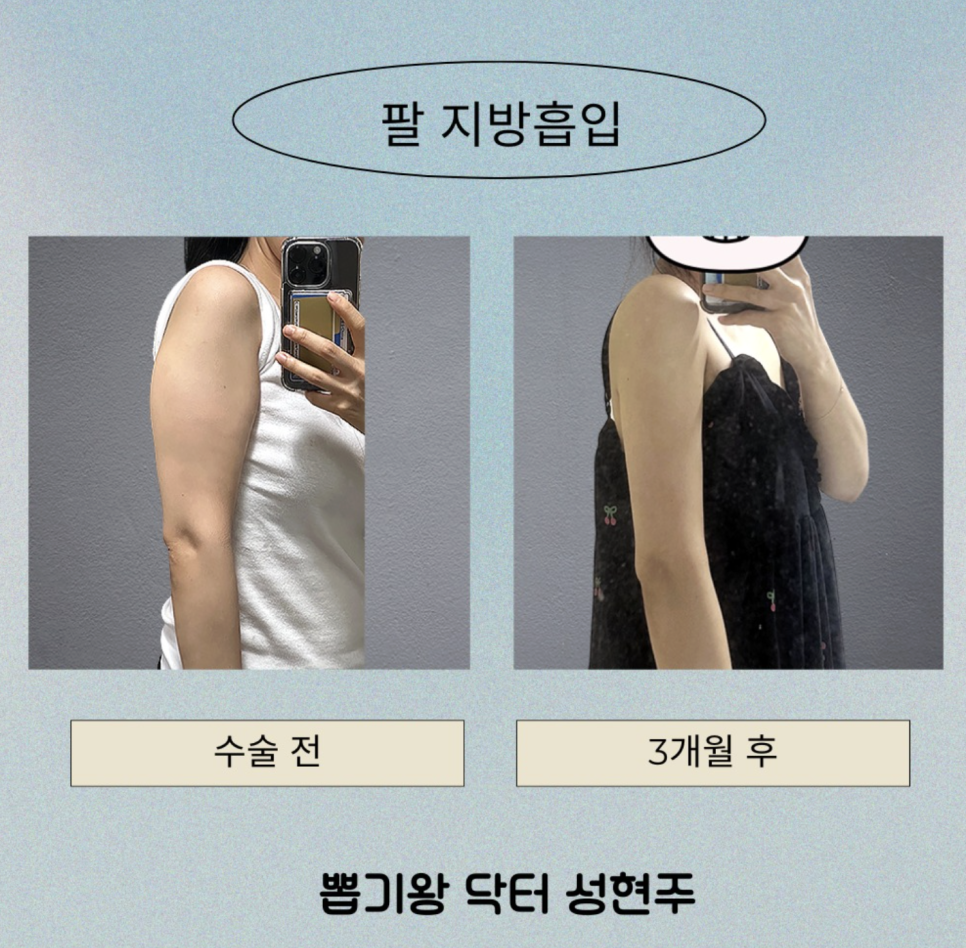
Liposuction is not important only on the day of surgery.
Continuing to monitor your current physical condition
throughout the recovery process
may help support a more stable recovery.
The purpose of liposuction bio-bond care
is not to forcibly eliminate hard tissue.
It is more appropriate to view it as a process
of determining the current stage of recovery
and what type of care is needed.
A body line that can provide long-term satisfaction
is more important than excessive changes.
If you have any questions,
please consult sufficiently
to determine the appropriate care plan
for your current recovery status.
↓↓↓ Related content you may find helpful ↓↓↓
-Operating Hours-
| Weekdays 10:00–19:00 (last registration at 18:30) Saturdays 10:00–16:00 (last registration at 15:30) Public holidays / Wednesdays and Sundays: Closed regularly |
-Contact Information-
| ▶ Cheongdam OK Clinic |
|---|
| Consultation phone: 02-3446-7588 Contact us via KakaoTalk |
-Location-