※ This article is content provided for the purpose of offering medical information.
This content is not subject to review under Article 56, Paragraph 2 and Article 57 of the Medical Service Act,
and is not a post intended for advertising purposes.
Hello,
I am Seong Hyun-joo, director of Cheongdam OK Clinic.

| ▶ Full Member of the Korean Academy of Aesthetic Plastic Surgery (KACS) |
|---|
| ▶ Full Member of the Korean Society for the Study of Obesity (KSSO) |
| ▶ Full Member of the Korean Academy of Aesthetic Medicine and Body Contouring (KAAM) |
| ▶ Full Member of the Korean Society of Liposuction Surgery (KSSL) |
| ▶ Full Member of the Korean Society of Aesthetic Surgery (KSAS) |
The abdomen is an area where fat tends to remain
even after losing weight.
Even with consistent dieting and exercise,
if excess fat remains on the lower abdomen, flanks, or back of the waist,
the overall body shape may appear bulky.
For this reason, when looking into abdominal liposuction
at a Gangnam plastic surgery clinic,

many people focus simply on removing a large amount
of fat from the abdomen.
However, a natural and slim waistline
cannot be achieved by making only one area of the abdomen thinner.
The overall continuity and proportions—from the front of the abdomen to the flanks, back of the waist, and area above the pelvis—must be considered together
to create a smooth silhouette.
In this article, we will look at which factors should be checked
when planning abdominal liposuction
at a Gangnam plastic surgery clinic.
| Table of Contents |
|---|
| 1. Why Abdominal Fat Tends to Remain 2. Continuity Is Important for the Waistline 3. Differences in Skin Elasticity and Fat Distribution 4. Designing for Natural-Looking Results |
- Why Abdominal Fat Tends to Remain
The abdomen is an area where subcutaneous fat is distributed widely,
and the location and shape of fat accumulation vary from person to person.
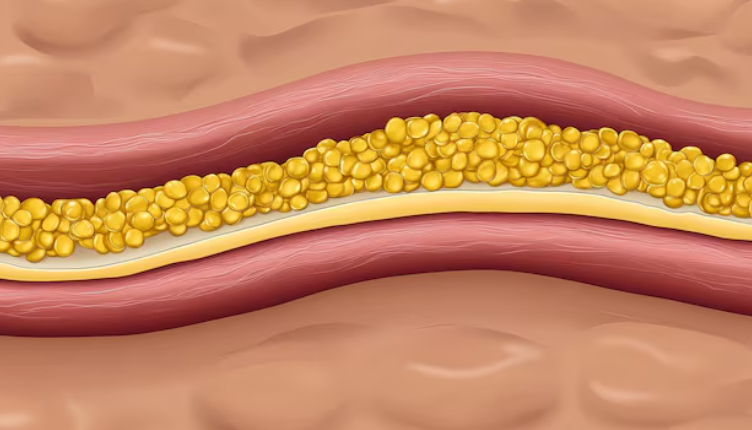
Some body types have volume concentrated in the upper abdomen,
while others have a lower abdomen that protrudes forward.
In some cases, excess fat extends from the flanks to the back of the waist.
In particular, spending long periods sitting
or experiencing repeated weight fluctuations
may make the elasticity of the entire abdomen appear reduced.
Rather than looking only at whether the abdomen protrudes,
it is important to check where and how much fat is distributed.
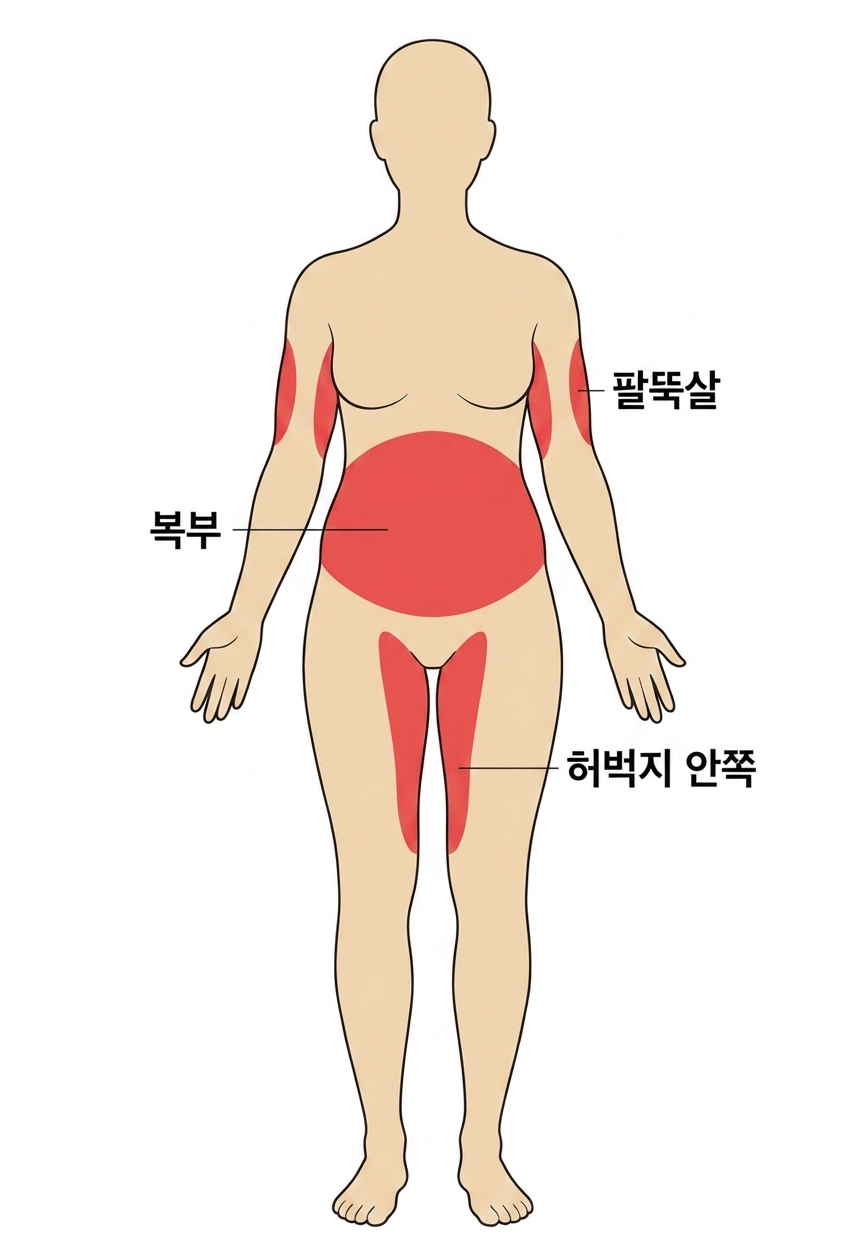
If only the front of the abdomen is reduced while fat remains on the flanks,
it may look thinner from the front,
but the waist may appear thick when viewed from an oblique or side angle.
Therefore, it is important to assess the amount and distribution of abdominal fat,
along with muscle shape and skin condition.
- Continuity Is Important for the Waistline
A slim waistline
cannot be achieved by making only the center of the abdomen thinner.
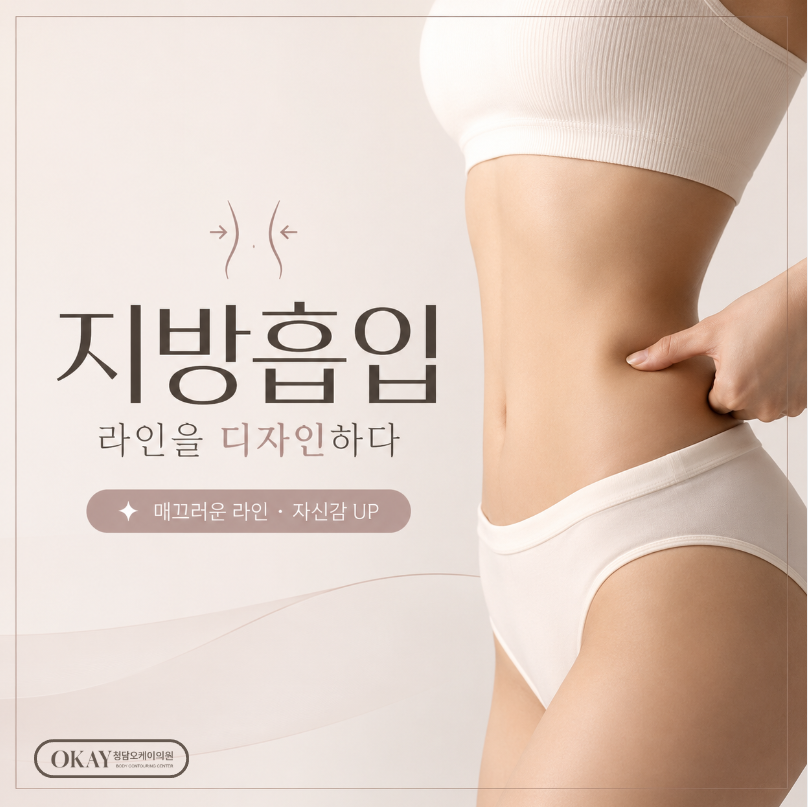
The curve extending from the upper abdomen to the lower abdomen,
the flow connecting the flanks to the pelvis,
and the boundary between the back of the waist and the back must all be refined together.
If too much fat is removed from a specific area,
the middle of the waist may appear to bend abruptly,
or an uneven step may form between adjacent areas.
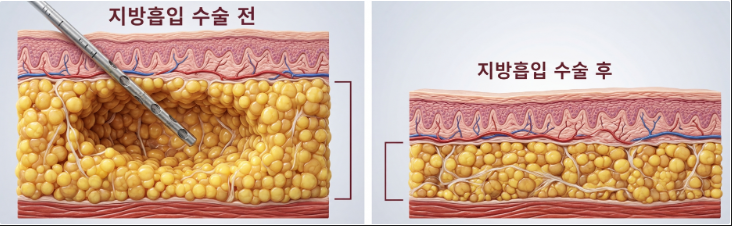
Conversely, adjusting the fat in the abdomen and flanks
in accordance with the overall proportions
can create a natural curve from the waist to the pelvis.
When considering abdominal liposuction
at a Gangnam plastic surgery clinic,
it is advisable to check whether the lines visible from the side and back are considered as well as the front.
Rather than appearing thin from only one direction,
a silhouette that connects in balance from multiple angles
is more important for creating a natural body shape.
- Differences in Skin Elasticity and Fat Distribution
Even when the same amount of fat is removed,
the results may vary depending on skin elasticity.
When the skin has relatively sufficient elasticity,
it is more likely to adapt to the space created as fat is reduced,
forming a smooth contour.
By contrast, when skin elasticity has decreased due to weight changes, aging, childbirth, or other factors,
loose skin may remain if only the fat is reduced.
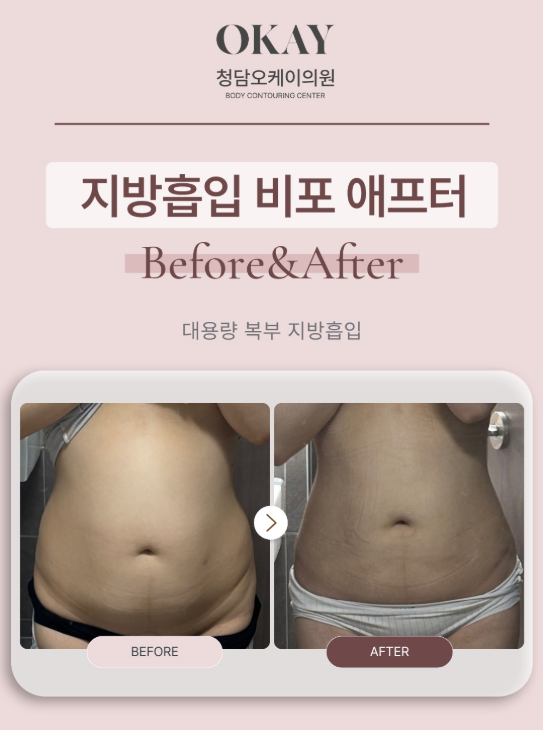
For this reason, before abdominal liposuction
at a Gangnam plastic surgery clinic,
not only the amount of fat but also skin thickness and elasticity,
as well as the condition of the abdominal tissue, should be examined.
In addition, when fat distribution differs between the left and right sides
or the abdominal muscles have different shapes,
removing the same amount from both sides may not be appropriate.
This is because removing a fixed amount without considering the individual’s body shape and tissue condition
may result in asymmetry or uneven contours.
- Designing for Natural-Looking Results
The key to abdominal liposuction
at a Gangnam plastic surgery clinic
is not removing as much as possible,
but appropriately designing the areas that need treatment.
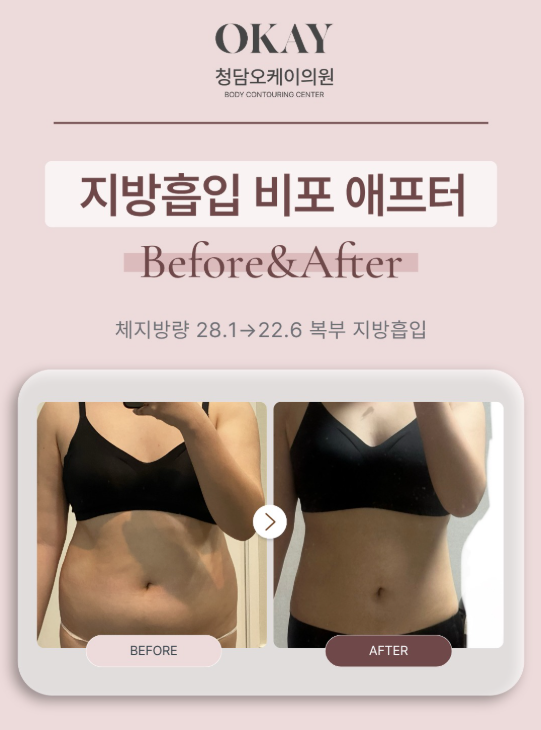
The front of the abdomen should be refined smoothly,
while preserving the curve of the waist at the flanks,
and the area above the pelvis should be planned to connect naturally.
This process requires consideration not only of weight and waist circumference,
but also of the proportions of the upper and lower body and the width of the pelvis,
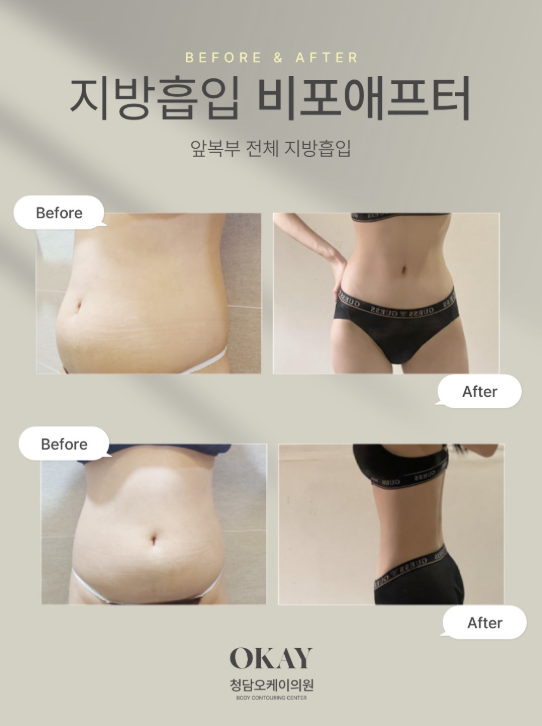
as well as the distance between the rib cage and the waist.
A narrow pelvis and a wide pelvis may suit different waist curves,
and a short-waisted body type may require a different design approach from a long-waisted one.
Therefore, rather than applying a predetermined shape as-is,
the extent and depth of fat removal should be adjusted to the individual’s body shape.
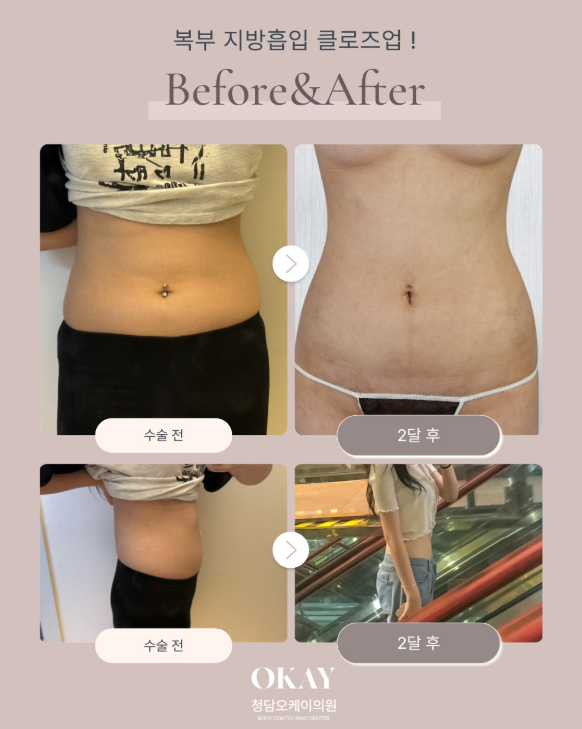
A slim waistline is not created by removing an excessive amount of fat without distinction.
When skin elasticity and body proportions are considered together,
a more natural and balanced silhouette may be expected.
↓↓↓ Related content ↓↓↓
-Operating Hours-
| Weekdays 10:00–19:00 (registration closes at 18:30) Saturdays 10:00–16:00 (registration closes at 15:30) Closed regularly on public holidays, Wednesdays, and Sundays |
-Contact-
| ▶ Cheongdam OK Clinic |
|---|
| Consultation: 02-3446-7588 Contact us via KakaoTalk |
-Location-