※ This post is content provided for medical information purposes.
This content is not subject to review under Article 56, Paragraph 2 and Article 57 of the Medical Service Act,
and we would like to inform you that it is not a post intended for advertising purposes.
Hello,
I am Sung Hyun-joo, director of 청담오케이의원.
| ▶ Full member of the Korean Academy of Aesthetic Plastic Surgery (KACS) |
|---|
| ▶ Full member of the Korean Society for the Study of Obesity (KSSO) |
| ▶ Full member of the Korean Association of Aesthetic and Metabolic Surgery (KAAM) |
| ▶ Full member of the Korean Society of Liposuction Surgery (KSSL) |
| ▶ Full member of the Korean Society of Aesthetic Surgery (KSAS) |
One of the keywords many people considering a hair transplant search for first is non-incisional hair transplantation.
It attracts considerable interest because, compared with the incisional method, it involves less concern about scarring and may allow a relatively quick return to daily activities,
but the results are not determined by the surgical method alone.
To achieve a natural-looking hairline and a high level of satisfaction, there are several factors to check in addition to the characteristics of non-incisional hair transplantation.
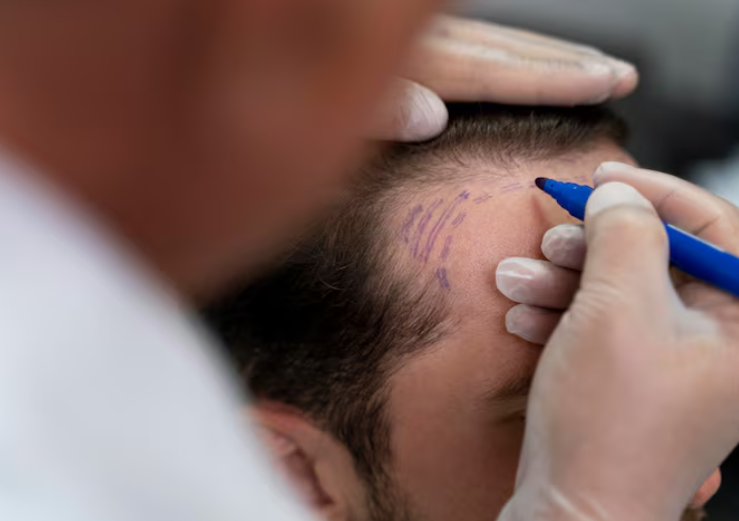
Today, I will summarize some information that is helpful to know if you are planning non-incisional hair transplantation.
| Contents |
|---|
| What is non-incisional hair transplantation? Standards for natural-looking results Pre-surgery checklist Recovery and care |
- What Is Non-Incisional Hair Transplantation?
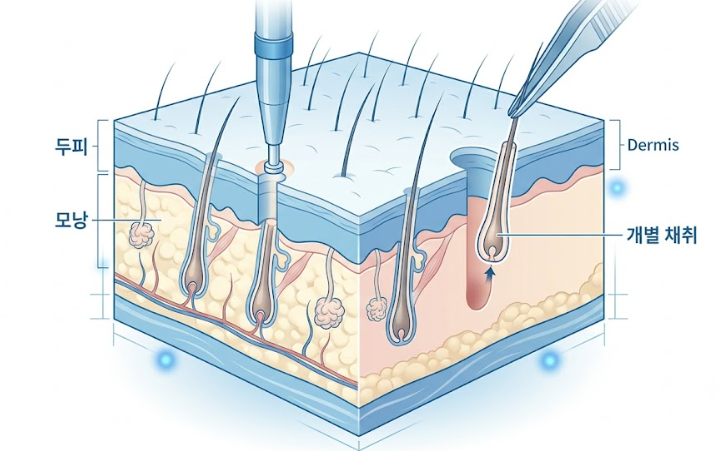
Non-incisional hair transplantation involves harvesting hair follicles one by one from the back of the head and transplanting them to the areas where they are needed.
Because the scalp is not cut along a long incision, there is less concern about a linear scar,
and many people who prefer short hairstyles choose this method with relatively little concern.
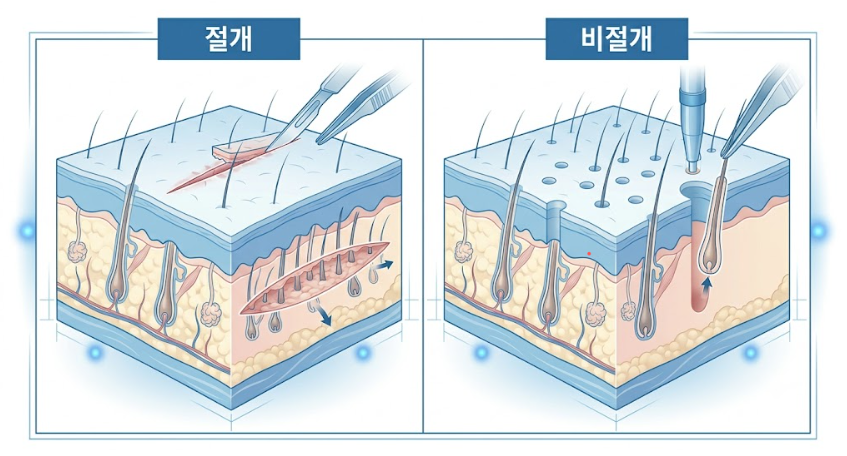
Another characteristic is that, because the follicles are harvested individually, the procedure can be planned according to the area that needs coverage.
However, non-incisional hair transplantation does not produce the same results in every case.
How carefully the follicles are harvested without damage,
how securely the harvested follicles are stored,
and the direction and angle at which they are implanted can all significantly affect the results.
- Standards for Natural-Looking Results
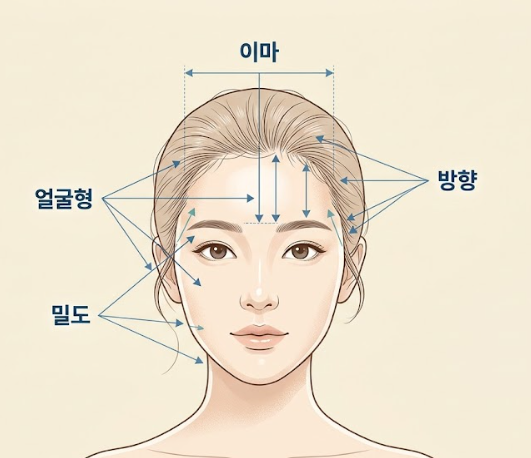
Many people think that the number of hairs is the only important factor, but in reality, the design has a major influence on the results.
In particular, the hairline needs to be designed naturally by considering the shape of the face, the width of the forehead, the direction of the existing hair, and hair thickness together.
In many cases, a design that matches the proportions of the face leads to greater satisfaction than simply creating a low and dense hairline.
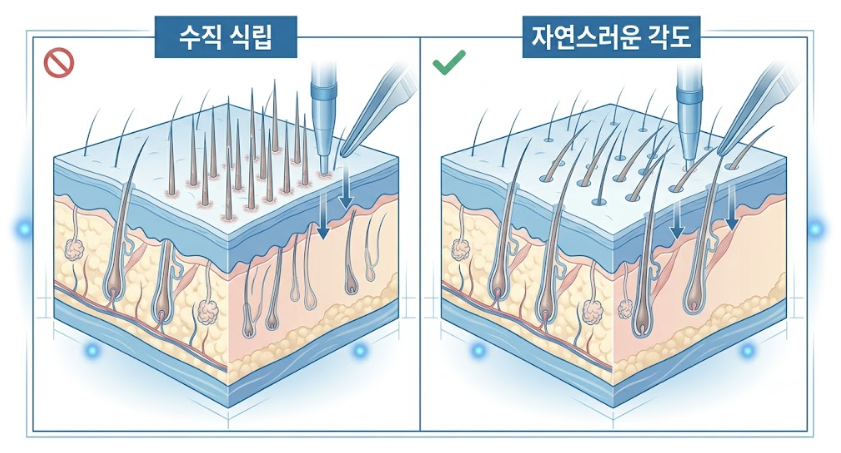
In non-incisional hair transplantation, it is also important to carefully plan the implantation angles and directions so that the existing hair and newly transplanted hair connect naturally.
Because even slight differences in the direction of each individual hair in the front area can change the overall impression, the design process should also be carried out carefully.
- Pre-Surgery Checklist
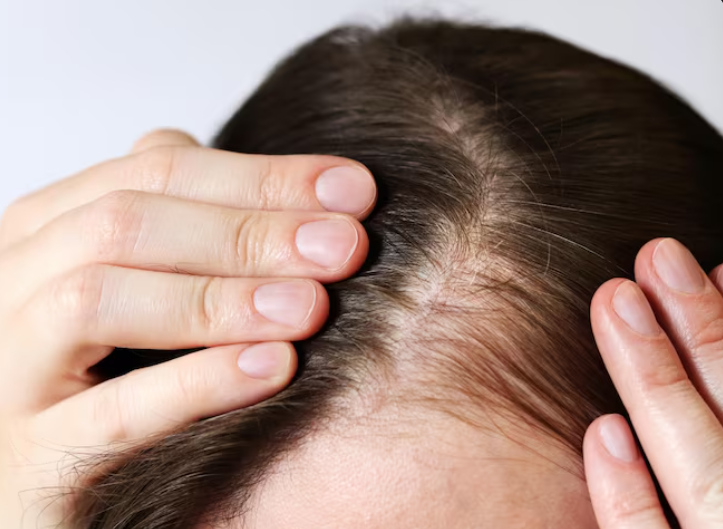
Before planning non-incisional hair transplantation, it is advisable to first check the current progression of your hair loss.
If the hair loss is still progressing, a plan that considers not only your current condition but also possible future changes may be necessary.
The density and thickness of the hair at the back of the head, as well as the number of follicles available for harvesting, are also important factors.
This is because the area that can be transplanted may vary depending on whether a sufficient number of follicles can be harvested.
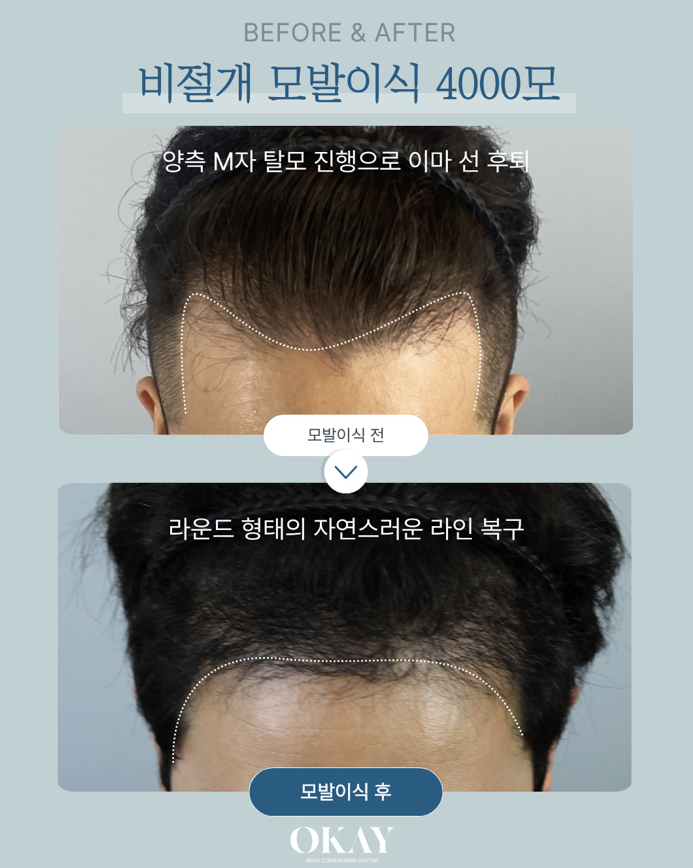
Existing medical conditions, medications you are taking, and whether you smoke can also affect the recovery process, so it is helpful to receive sufficient guidance during the consultation.
Above all, because the required transplant area and design differ from person to person in non-incisional hair transplantation, it is important to develop a plan based on a thorough diagnosis.
- Recovery and Care
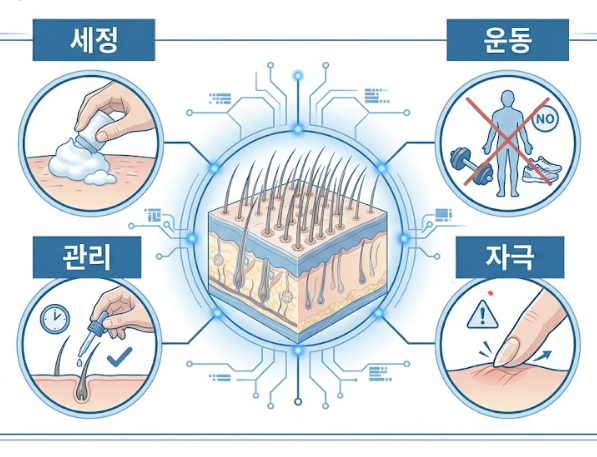
After surgery, the care process is also important to help the transplanted follicles settle securely.
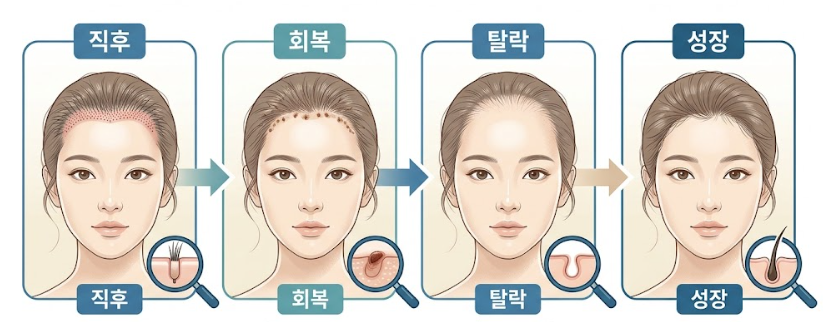
During the initial period, it is generally recommended to manage washing and daily habits according to the medical staff’s instructions and to avoid strenuous exercise or strong stimulation for a certain period.
There may also be a temporary shedding process involving the transplanted hair, which is sometimes explained as part of the recovery process.
Afterward, as new hair grows, you may gradually see more natural-looking changes.
However, the recovery speed and course may vary depending on the individual’s scalp condition and the degree of hair-loss progression.
Ultimately, to achieve satisfactory results from non-incisional hair transplantation,
it is important to consider not only the surgical method but also follicle care, design planning, implantation methods, and aftercare together.
Developing a plan suited to your condition through a thorough consultation may help you achieve more natural-looking and balanced results.
↓↓↓ Related content you may find helpful ↓↓↓
-Office Hours-
| Weekdays 10:00–19:00 (last registration at 18:30) Saturdays 10:00–16:00 (last registration at 15:30) Public holidays / Closed regularly on Wednesdays and Sundays |
-Where to Inquire-
| ▶ 청담오케이의원 |
|---|
| Consultation phone: 02-3446-7588 Contact us on KakaoTalk |
-How to Get Here-