※ This article is content provided for medical information purposes.
This content is not subject to review under Articles 56(2) and 57 of the Medical Service Act,
and we would like to inform you that this post is not intended as an advertisement.
Hello,
I am Seong Hyeon-ju, director of 청담오케이의원.

| ▶ Full Member of the Korean Association of Aesthetic Plastic Surgery (KACS) |
|---|
| ▶ Full Member of the Korean Society for the Study of Obesity (KSSO) |
| ▶ Full Member of the Korean Association of Aesthetic and Metabolic Surgery (KAAM) |
| ▶ Full Member of the Korean Society of Liposuction Surgery (KSSL) |
| ▶ Full Member of the Korean Society of Aesthetic Surgery (KSAS) |
One of the things most frequently mentioned during recovery after liposuction
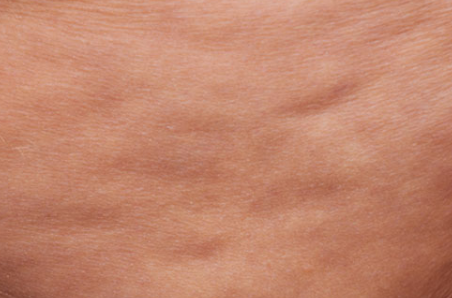
is post-liposuction lumpiness.
When the surgical area feels hard or uneven,
many people worry that something may have gone wrong with the results.
However, in most cases, this is a natural change
that may occur during the recovery process,
and the speed of recovery and skin condition may vary
depending on how post-liposuction lumpiness is managed.
Today, we will take a detailed look at everything from
when to begin managing post-liposuction lumpiness to care methods and precautions.
| Table of Contents |
|---|
| 1. Why does lumpiness occur? 2. When to begin managing post-liposuction lumpiness 3. Care methods to reduce hardness 4. Points to keep in mind during recovery |
- Why Does Lumpiness Occur?
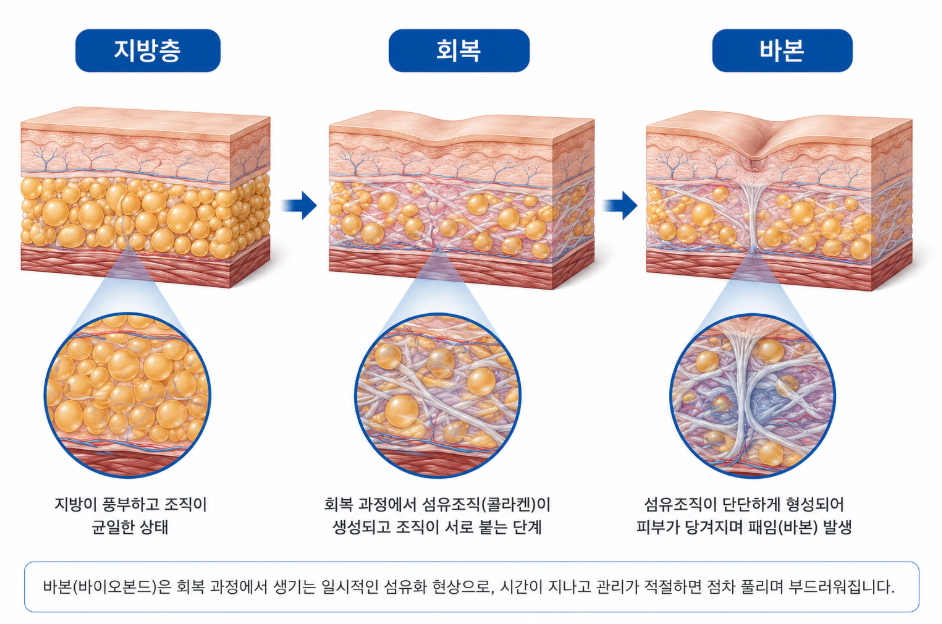
After liposuction, the internal tissues undergo a recovery process
as the fat layer is removed.
During this process, fibrous tissue may form along with an inflammatory response,
causing the area beneath the skin to feel hard. This is commonly referred to as post-liposuction lumpiness.
It may be most noticeable between 2 and 6 weeks after surgery,
and in many cases gradually becomes softer over time.
Therefore, during the early stages, rather than assuming that a firm feeling means the results are poor,
it is important to first determine whether it is part of the recovery process.
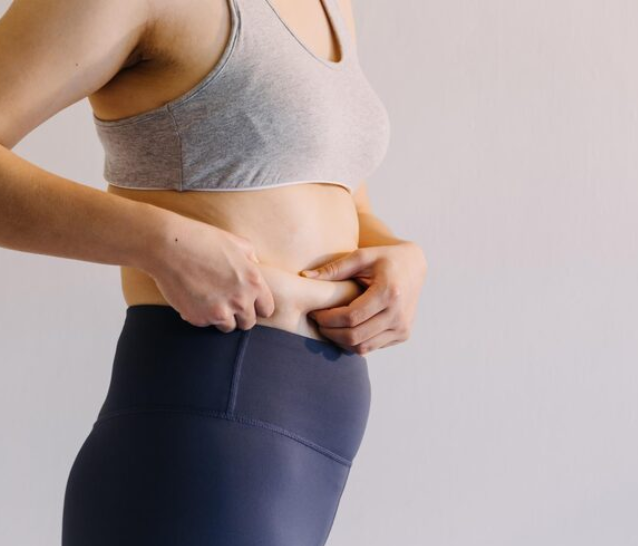
In particular, it is most important to manage post-liposuction lumpiness
according to the stage of recovery.
- When to Begin Managing Post-Liposuction Lumpiness
Many people think they need to begin vigorous massage immediately after surgery,
but this is not necessarily the case.
Applying excessive stimulation when the wounds have not yet sufficiently stabilized
may instead worsen pain or swelling.

Generally, gradual care begins after the wounds have stabilized,
according to the instructions of the attending medical professional.
The appropriate timing may vary depending on the recovery speed,
the area treated, and the amount of fat removed, so it is important to consider each person’s recovery status.
In addition, rather than managing post-liposuction lumpiness with strong pressure all at once,
it may be helpful to continue care consistently at a steady intensity.
- Care Methods to Reduce Hardness
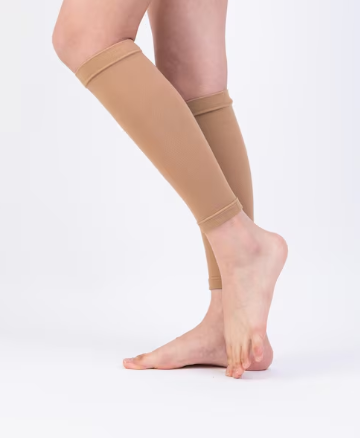
Representative care methods include wearing compression garments, gentle massage, and walking sufficiently.
Compression garments may help the skin and tissues settle into place stably,
and it is recommended to wear them consistently for the period advised by the medical professional.
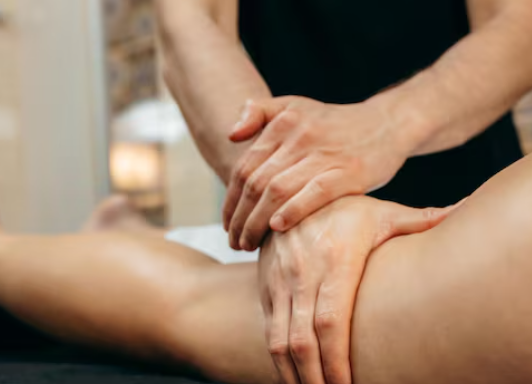
Massage should not automatically be performed forcefully;
it is important to adjust the pressure to the condition of the tissues.
Rubbing or pressing so hard that it causes significant pain
may instead interfere with recovery.
Light walking may help promote circulation
and reduce swelling,
while adequate fluid intake and a balanced diet are also important factors during recovery.
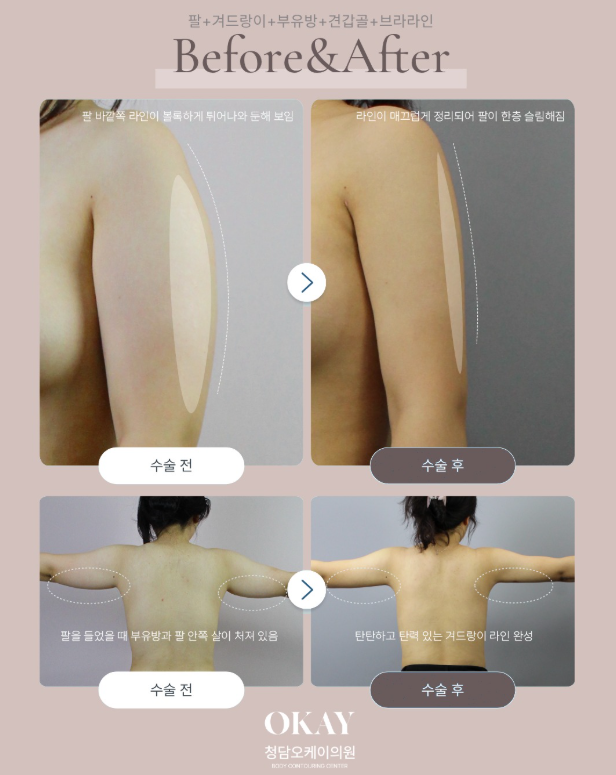
Above all, it is important to practice several care methods together when managing post-liposuction lumpiness,
and consistency is necessary rather than expecting rapid recovery from one particular type of care alone.
- Points to Keep in Mind During Recovery
Lumpiness often gradually becomes softer over time,
but recovery speed varies from person to person.
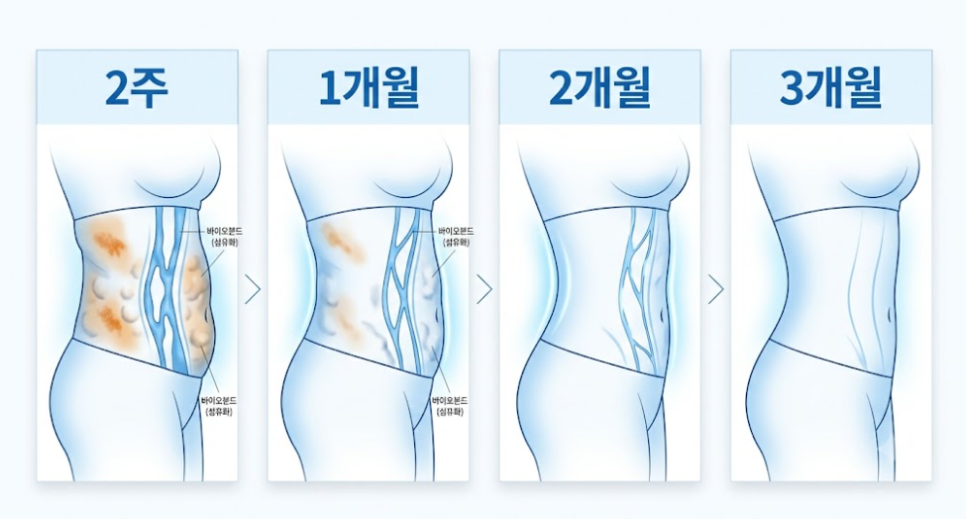
Rather than comparing your recovery process with someone else’s,
it is better to monitor your own progress consistently.
It is also safer to prioritize the guidance of your medical professional
rather than following unverified folk remedies found online
or attempting excessive self-care.
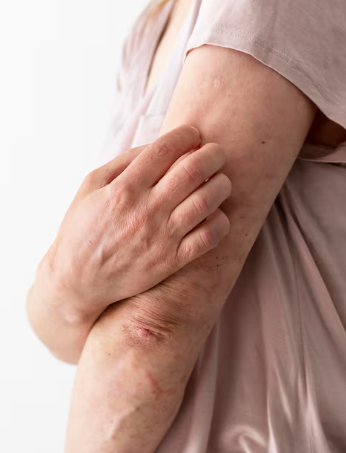
If pain suddenly becomes severe,
or redness, a sensation of heat, or significant swelling appears,
there may be another cause besides simple lumpiness,
so it is necessary to have it checked through a medical examination.
Ultimately, the key to managing post-liposuction lumpiness
is to begin at the appropriate time and consistently follow methods suited to the stage of recovery.
Rather than repeatedly applying strong stimulation out of impatience,
giving your body sufficient time to recover may lead to more satisfactory results.
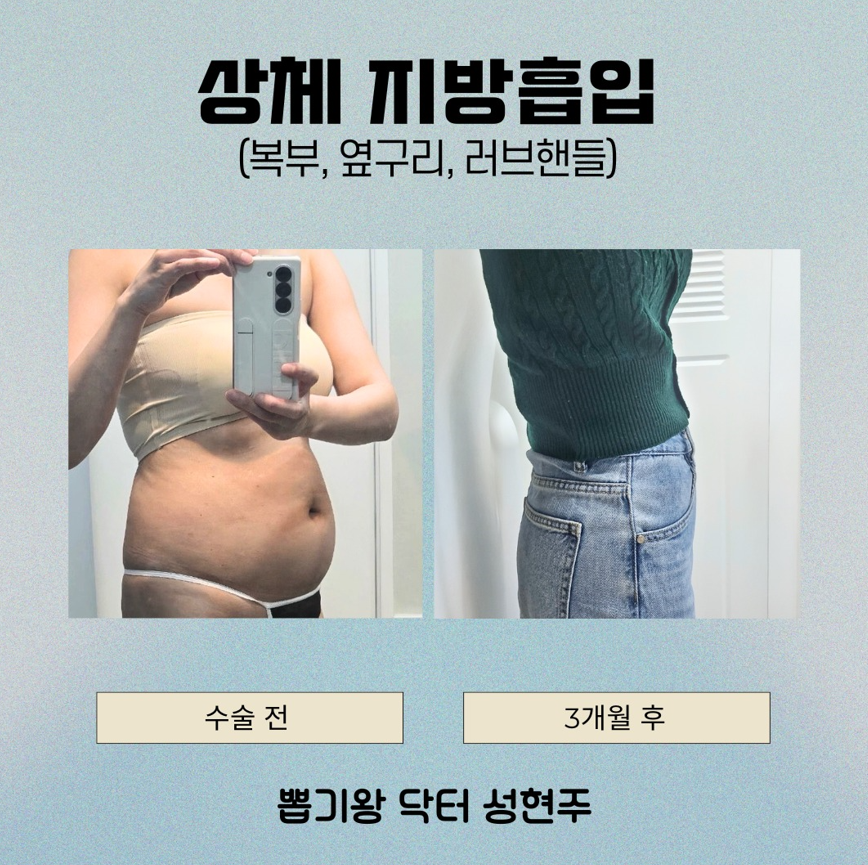
After surgery, each person’s body recovers at a different pace.
Therefore, while accurately monitoring your condition,
continuing appropriate care for post-liposuction lumpiness may help support a healthy recovery and create natural-looking contours.
↓↓↓ Related content ↓↓↓
-Operating Hours-
| Weekdays 10:00–19:00 (last registration at 18:30) Saturdays 10:00–16:00 (last registration at 15:30) Closed regularly on public holidays, Wednesdays, and Sundays |
-Contact-
| ▶ 청담오케이의원 |
|---|
| Consultation: 02-3446-7588 KakaoTalk inquiries |
-Location-