※ This post is content provided for medical information purposes.
Under Article 56, Paragraph 2 and Article 57 of the Medical Service Act, this post is not subject to review and is not intended for advertising purposes.
Hello,
I am Eun-Kyung Seong,
Director of Cheongdam OK Clinic.

| ▶ Full Member of the Korean Society of Aesthetic Plastic Surgery and Laser Medicine |
|---|
| ▶ Full Member of the Korean Laser Dermatology and Hair Society |
| ▶ Full Member of the Korean Society for the Study of Obesity |
| ▶ Full Member of the Korean Filler Society |
| ▶ Full Member of the Korean Society of Aesthetic Surgery |
The hair transplant take-in period is one of the aspects people are most curious about before undergoing a hair transplant.
Many people wonder whether it is okay for the hair to fall out immediately after surgery,
when new hair will begin to grow,
and when they can see the final results.
In fact, the hair transplant take-in period may vary somewhat depending on the individual’s scalp condition, the number of grafts transplanted, and how the area is cared for.
In this post, we will look at the changes that occur during the hair transplant take-in period and how to care for the area, step by step.
| Table of Contents |
|---|
| 1. Why the hair transplant take-in period is important 2. Understanding the changes by stage 3. How to care for the area to support graft take 4. When can you see the final results? |
- Why the Hair Transplant Take-In Period Is Important
A hair transplant does not
end simply with moving the hair follicles.
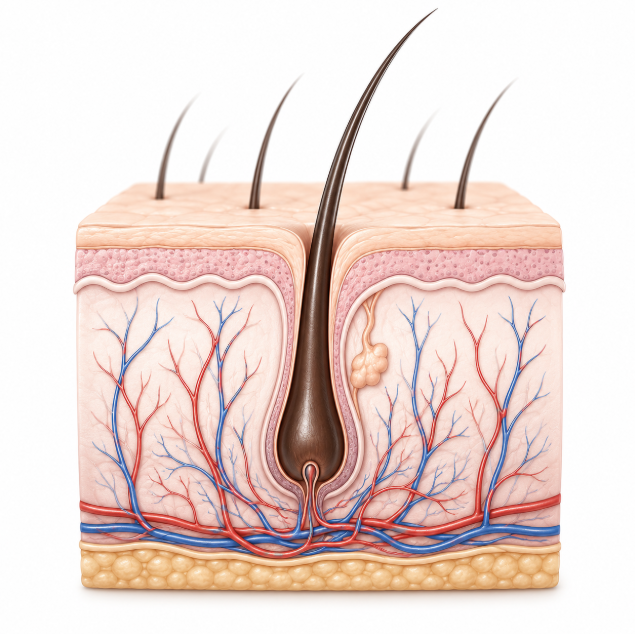
The transplanted follicles must become securely established in their new scalp environment
before healthy hair can grow.
This process is known as the hair transplant take-in period,
and it is an important stage during which post-surgical care can affect the outcome.
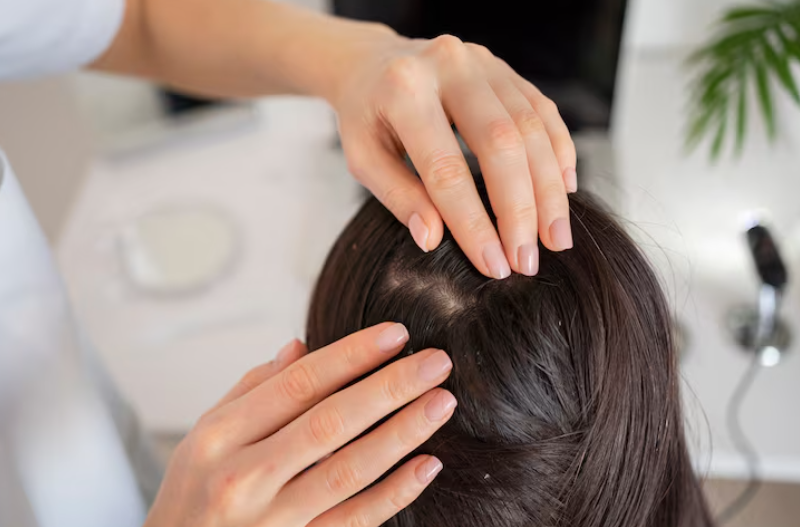
In particular, because the follicles are sensitive to external irritation in the early stages, it is advisable to avoid strong friction, excessive exercise, alcohol, and smoking according to your medical team’s instructions.
- Understanding the Changes by Stage
1–2 weeks after surgery,
small scabs on the transplant area naturally fall off,
and the redness gradually subsides.
Rather than removing the scabs forcibly, it is best to care for the area so that they fall off naturally.
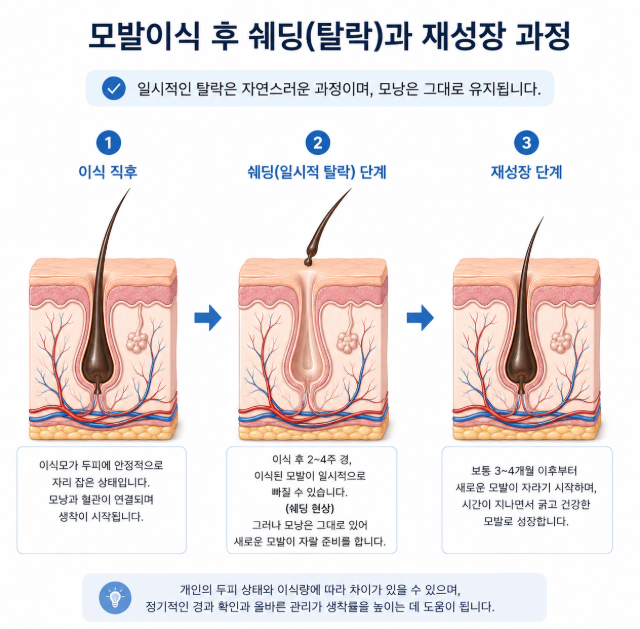
2 weeks to 1 month after surgery,
a shedding phenomenon may occur in which the transplanted hair temporarily falls out.
Many people worry that this means the procedure has failed,
but it is generally known to be a normal part of the process.
3–4 months after surgery,
new hair begins to grow gradually.
At first, it is often thin and weak, but it commonly becomes thicker over time.
6 months after surgery and beyond,
the density and thickness of the hair gradually increase,
and the changes begin to become more noticeable.
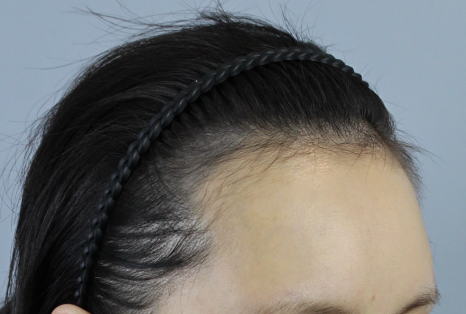
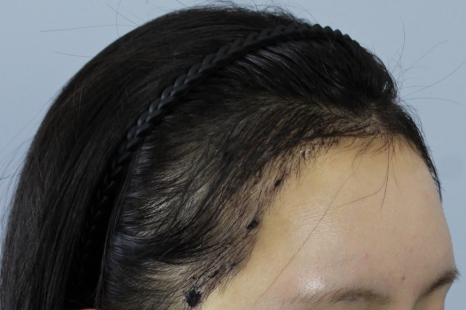
Hair transplant take-in period – before & after
From this stage onward, many people experience greater satisfaction.
- How to Care for the Area to Support Graft Take
Lifestyle management is also important during the hair transplant take-in period.
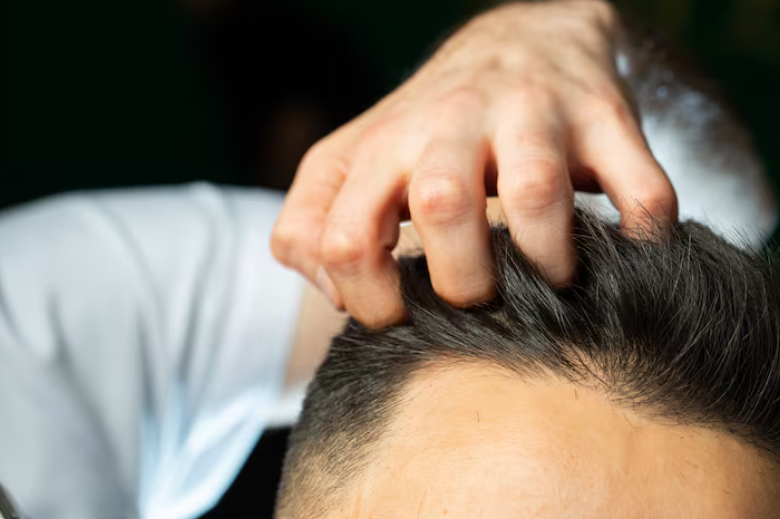
It is best not to scratch or rub the scalp forcefully,
and cleansing should be performed according to the method provided by the clinic.
Maintaining sufficient sleep and a balanced diet,
as well as quitting smoking and limiting alcohol, may also have a positive effect on the recovery process.
If you have been prescribed medication or given scalp-care instructions, it is best to follow your medical team’s guidance rather than stopping them on your own.
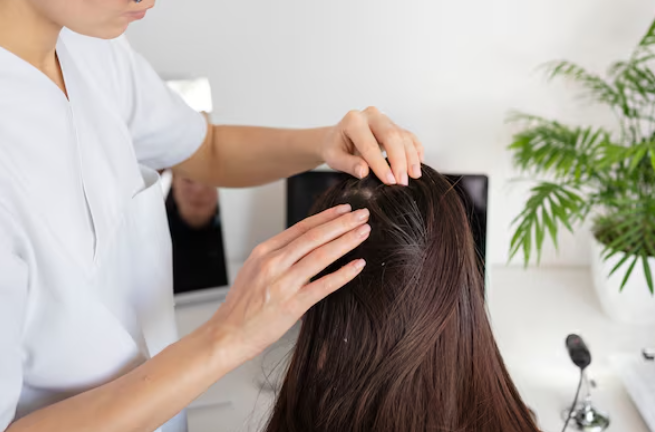
Rather than relying only on online reviews, it is more important to check your current condition through regular follow-up appointments.
- When Can You See the Final Results?
Many people are curious about when the hair transplant take-in period ends.
In general, changes become more noticeable from around 6 months after surgery, and the final results are often assessed over a period of 9 months to 1 year.
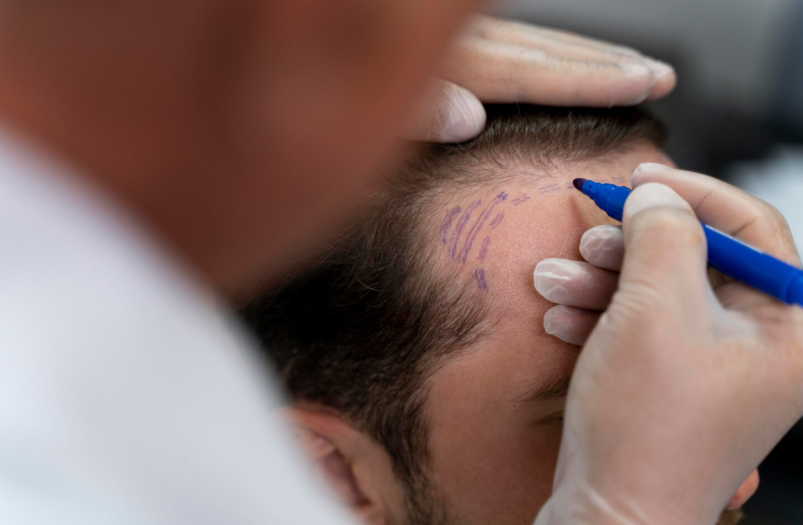
However, the results may vary depending on the transplant area, the characteristics of the follicles,
and the individual’s recovery rate.
Rather than simply comparing yourself with others,
it is important to continue monitoring your own progress.
Ultimately, the hair transplant take-in period is a natural process through which the new hair becomes securely established.
Allowing sufficient time and combining proper care with regular medical checkups may help you work toward a more satisfactory result.
↓↓↓ Content You May Also Find Helpful ↓↓↓
-Operating Hours-
| Weekdays 10:00–19:00 (last registration at 18:30) Saturdays 10:00–16:00 (last registration at 15:30) Public holidays / Wednesdays and Sundays: Closed regularly |
-Contact-
| ▶ Cheongdam OK Clinic |
|---|
| Consultation: 02-3446-7588 KakaoTalk inquiries |
-How to Get Here-