※ This post is content provided for medical information purposes.
It does not fall under the deliberation requirements pursuant to Articles 56(2) and 57 of the Medical Service Act, and we inform you that this post is not intended as advertising.
Hello,
I am Se Eun-kyung,
Director of 청담오케이의원.
| ▶ Full Member of the Korean Society of Aesthetic Plastic Surgery and Laser Medicine |
|---|
| ▶ Full Member of the Korean Society of Laser Dermatology and Hair Medicine |
| ▶ Full Member of the Korean Society for the Study of Obesity |
| ▶ Full Member of the Korean Filler Society |
| ▶ Full Member of the Korean Society of Aesthetic Surgery |
When considering a hair transplant, the first question you often encounter is whether to choose incision or non-incision hair transplantation.
There are many opinions online about which method is better, incision or non-incision, but in reality, there is no single correct answer.
This is because the appropriate method may also vary depending on whether the recipient area is the hairline or the crown.
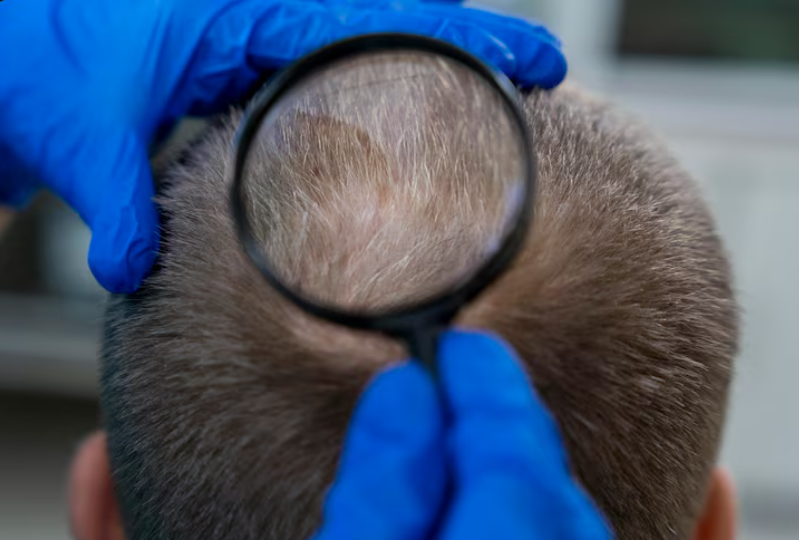
In this post, we will look at the differences between incision and non-incision hair transplantation, as well as the key points to consider for the hairline and crown.
| Table of Contents |
|---|
| 1. Differences Between Incision and Non-Incision Hair Transplantation 2. Characteristics of the Hairline and Crown 3. Selection Criteria Suitable for Each Area 4. Points to Check When Choosing a Clinic |
- Differences Between Incision and Non-Incision Hair Transplantation
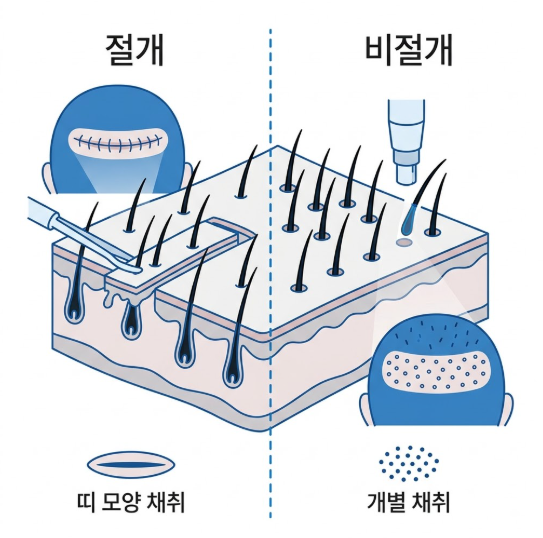
Incision and non-incision hair transplantation differ in how the hair follicles are harvested.
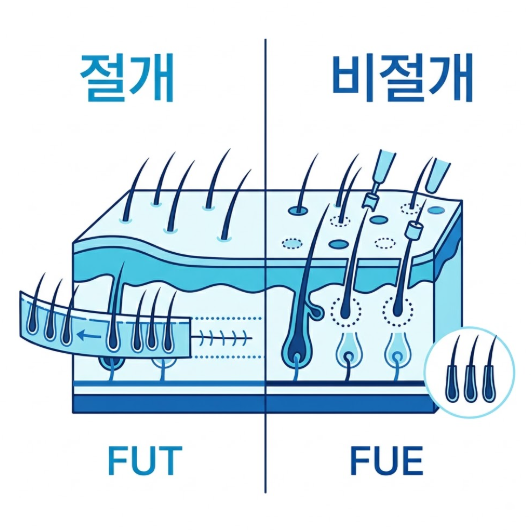
The incision method involves making an incision in a section of the scalp at the back of the head, separating the hair follicles, and then transplanting them into the required area.
The non-incision method involves harvesting and transplanting the hair follicles one by one, and is characterized by the absence of an incision process.
It is difficult to definitively say that one method is superior to the other.
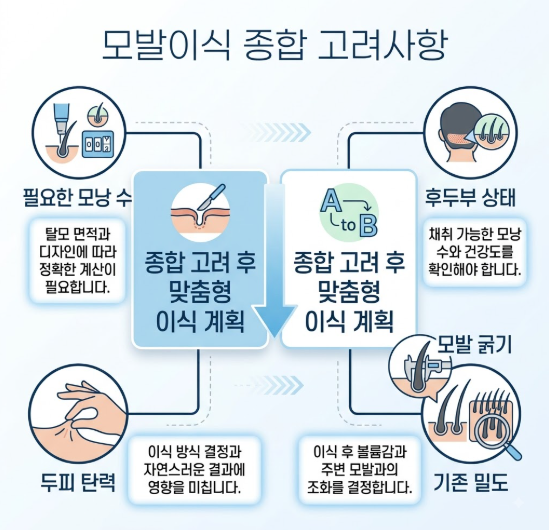
The number of hair follicles needed, the condition of the donor area at the back of the head, scalp elasticity, hair thickness, and the density of the existing hair should all be considered comprehensively.
Therefore, rather than deciding between incision and non-incision hair transplantation based solely on factors such as scarring or recovery time, it is important to first examine the individual's condition.
- Characteristics of the Hairline and Crown
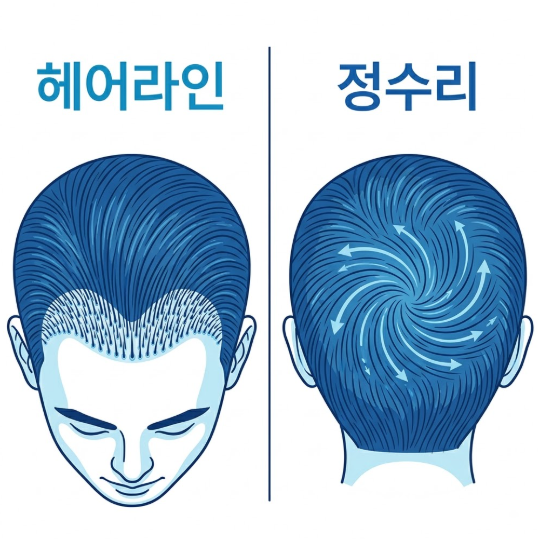
The hairline is an important area that determines the impression of the face.
Even a slight difference in direction or angle can make it look unnatural, so the direction and density of the hair, as well as the design, are very important.
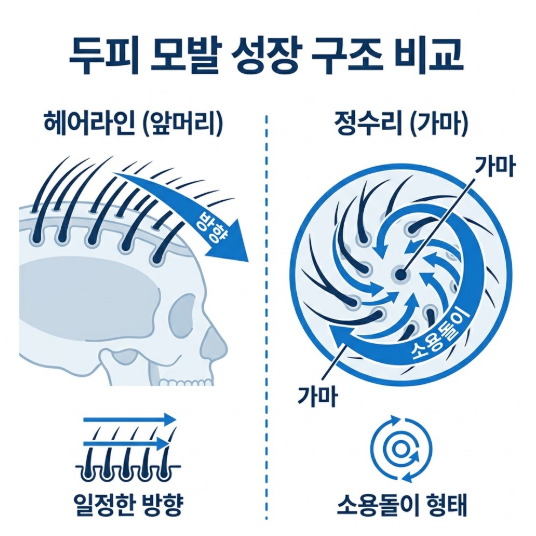
The crown, on the other hand, has hair that grows in a whorl pattern, making it important to align the direction naturally.
In addition, because it is often necessary to fill a wide area, the number of hair follicles required may be greater than for the hairline.
Thus, even with the same incision or non-incision hair transplantation, the approach may vary depending on the characteristics of the recipient area.
- Selection Criteria Suitable for Each Area
For the hairline, the most important goal is to create a natural-looking line.

To expect a more natural result, factors such as the appearance of fine baby hairs, hair thickness, and the transplantation angle must also be considered.
For the crown, securing sufficient density, transplanting between the existing hairs, and maintaining the direction are important factors.
Depending on the progression of hair loss, an additional plan may be necessary.
Therefore, when choosing incision or non-incision hair transplantation,
rather than making a simple judgment such as “non-incision is always the choice for the hairline” or “incision is always the choice for the crown,”
it is necessary to evaluate the current extent of hair loss, the number of hair follicles required, and the condition of the donor area at the back of the head together.
- Points to Check When Choosing a Clinic
For incision or non-incision hair transplantation, how the procedure is planned and performed may have a greater impact on the result than the method itself.
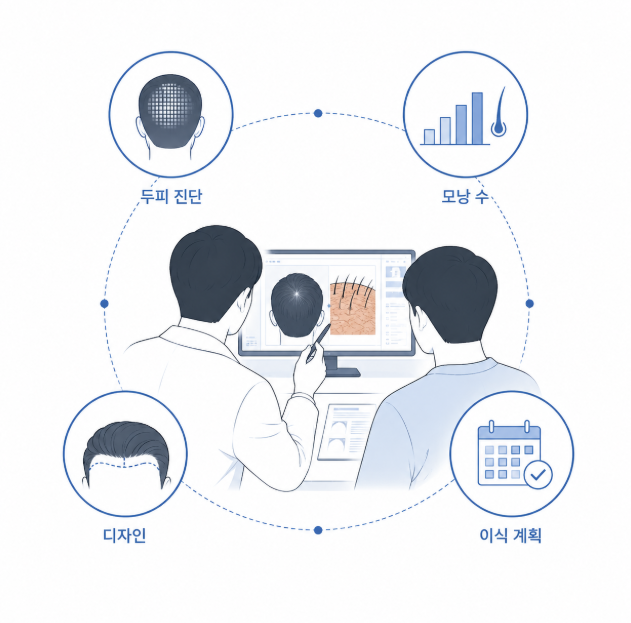
During the consultation, it is advisable to check whether the clinic sufficiently analyzes the current progression of hair loss,
whether it explains the number of hair follicles needed in detail,
and whether it plans the hairline design and the direction of the crown together.
It can also be an important criterion to see whether the clinic explains various possibilities according to the patient's condition rather than recommending only one method, incision or non-incision.
Ultimately, incision or non-incision hair transplantation is not a procedure for which one method is always the correct answer.
It is important to create a personalized plan by considering various factors comprehensively, including whether the area is the hairline or crown, the extent of hair loss, and the condition of the donor area at the back of the head.
If you choose a method suitable for you based on a thorough consultation and accurate diagnosis,
it may help you achieve a more natural result with greater satisfaction.
↓↓↓ Content You May Also Find Helpful ↓↓↓
-Operating Hours-
| Weekdays 10:00–19:00 (last registration at 18:30) Saturdays 10:00–16:00 (last registration at 15:30) Public holidays / Wednesdays and Sundays: Closed regularly |
-Inquiries-
| ▶ 청담오케이의원 |
|---|
| Consultation phone: 02-3446-7588 KakaoTalk inquiries |
-Getting Here-